Best No-Battery Building Toys for Toddlers
A buyer’s guide to durable, open-ended building toys for toddlers ages 1–2 that work without lights, sounds, or apps—focused on safety, longevity, and imaginative play.
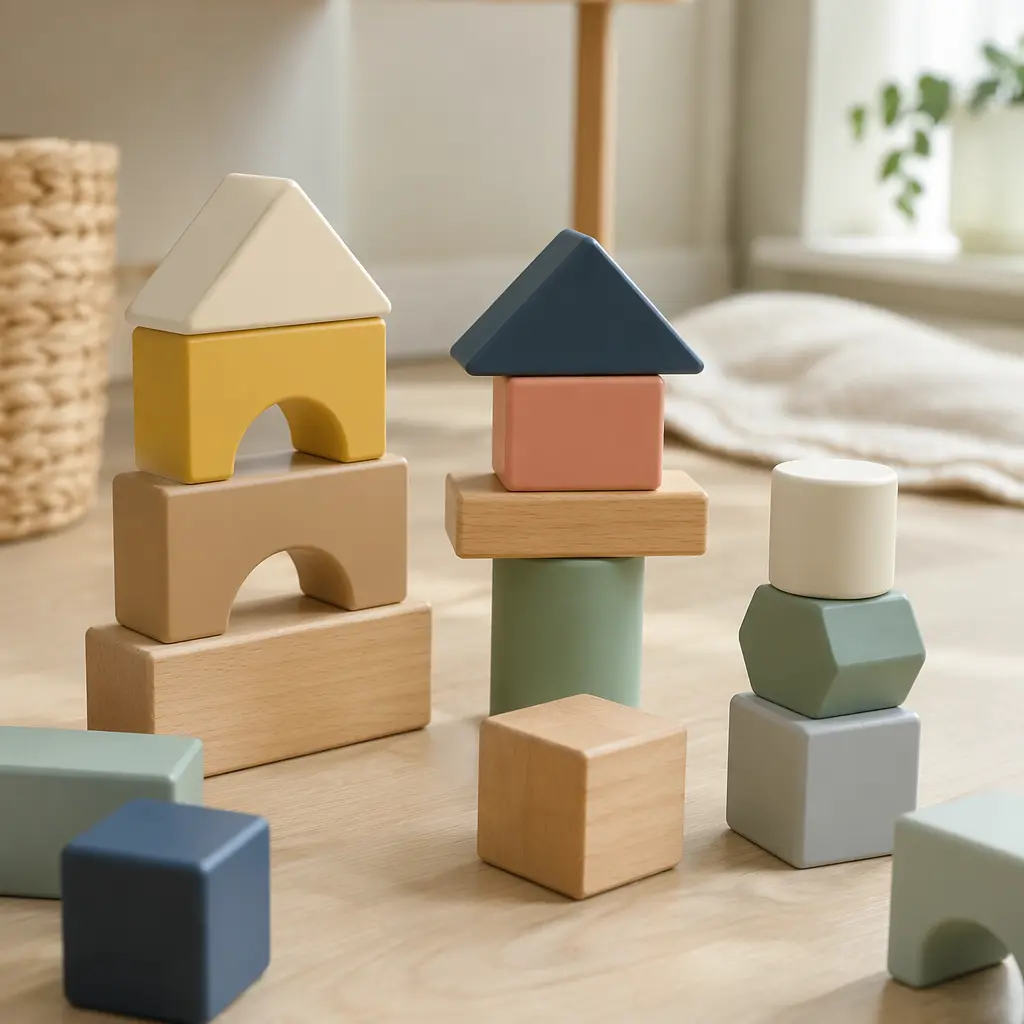
For toddlers ages 1–2, the best building toys don’t need batteries, screens, or sound effects. At this stage, simple pieces that stack, connect, or nest help build coordination, problem-solving, and confidence. Parents often look for toys that can handle rough play, work across multiple stages of development, and still feel inviting months—or years—later. This guide focuses on no-battery building toys designed to last, with an emphasis on durability, safety, and open-ended play.
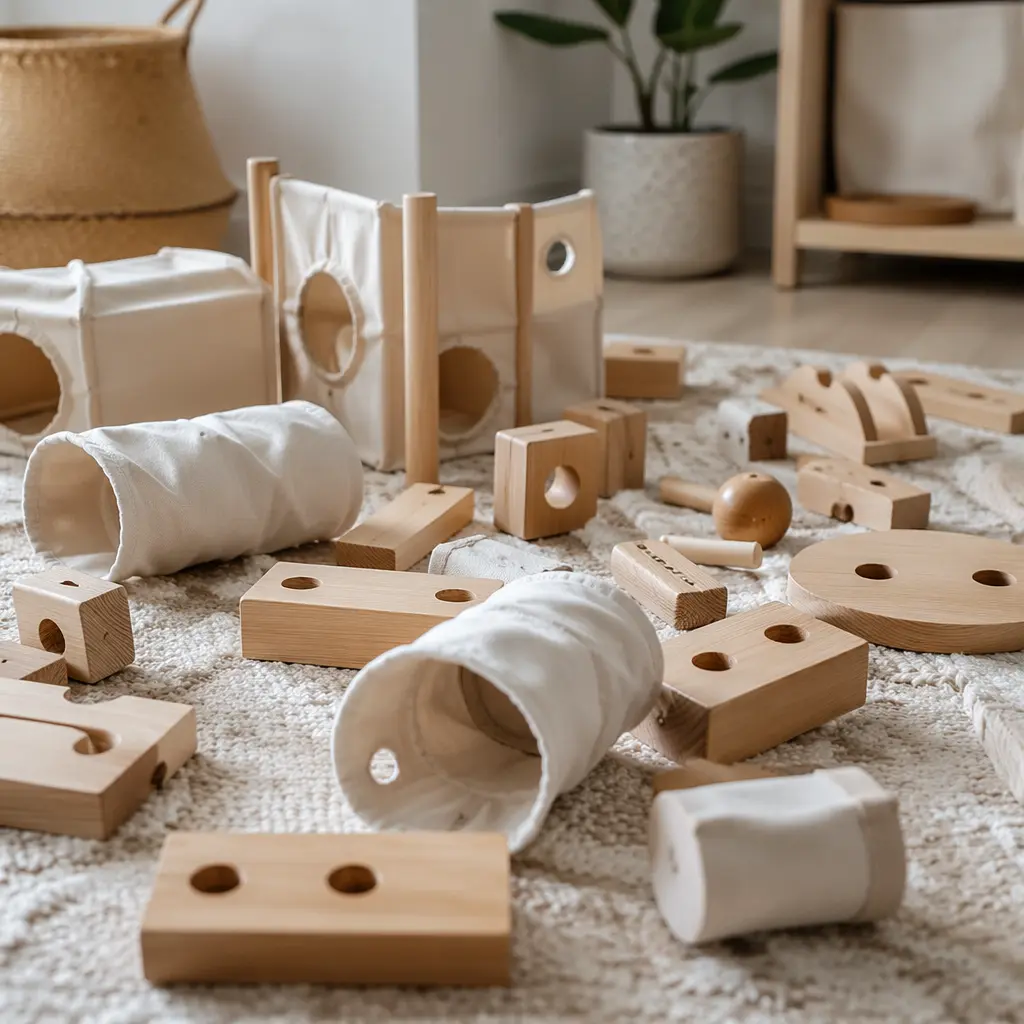
What to look for
Toddlers explore with their whole bodies—hands, mouths, and all. Building toys for this age should prioritize safety and simplicity while still offering room to grow. The right set invites repeated play without requiring instructions or adult setup.
- Chunky, easy-to-grasp pieces that fit small hands and developing motor skills
- Durable materials such as solid wood, thick plastic, silicone, or dense foam
- Smooth edges and non-toxic finishes suitable for mouthing
- Simple connection methods like stacking, slotting, or gentle magnets
- Open-ended designs that allow free building rather than fixed outcomes
Age suitability
Between 12 and 24 months, toddlers are learning how objects relate to one another. Early on, building may look like knocking down towers or placing one piece on top of another. As coordination improves, children begin stacking higher, lining pieces up, or experimenting with balance. Toys labeled for a wider age range often offer better long-term value, as they remain engaging through the preschool years. Look for sets that don’t rely on small accessories so they stay appropriate as skills develop.
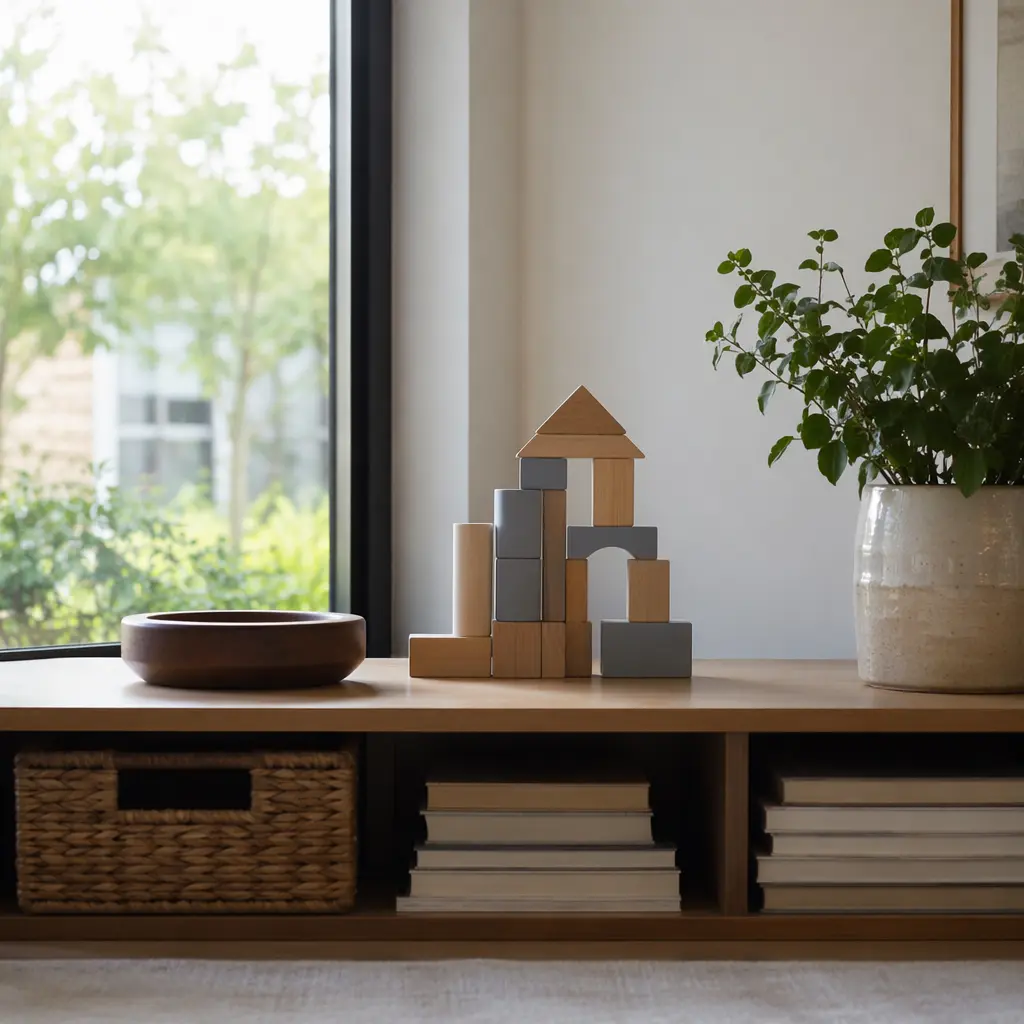
Standout categories or types
Not all no-battery building toys are the same. Different categories support different kinds of play, and many families mix types to keep playtime fresh without adding complexity.
- Wooden blocks: A classic option that supports stacking, sorting, and imaginative play. Heavier pieces tend to feel more stable for beginners.
- Soft or foam builders: Lightweight and quiet, these are useful for indoor play and early experiments with balance.
- Interlocking plastic pieces: Larger-scale connectors help toddlers explore cause and effect without frustration.
- Magnetic-style builders designed for toddlers: Enclosed magnets or gentle connections allow easy building while maintaining safety.
- Nesting and stacking sets: Cups, rings, or boxes that stack and fit inside each other help with size comparison and spatial awareness.
Frequently asked questions
Why choose no-battery toys for toddlers?
No-battery toys encourage active play rather than passive interaction. Toddlers control the play experience, which supports creativity, focus, and problem-solving without relying on lights or sounds for engagement.
Are heavier materials better for building?
Weight can add stability, making early stacking easier. However, pieces should still be light enough for toddlers to lift safely. Balance and scale matter more than heaviness alone.
How many pieces are enough for this age?
For ages 1–2, smaller sets often work best. A modest number of large pieces reduces overwhelm and supports focused play. More pieces can be added later as attention span and skills grow.
Can these toys grow with my child?
Yes. Open-ended building toys often remain useful well beyond toddlerhood. As children mature, the same pieces can become part of imaginative scenes, obstacle courses, or more complex structures.
No-battery building toys may look simple, but that simplicity is what gives them staying power. By focusing on durable materials, age-appropriate design, and open-ended play, parents can choose building toys that support development now and remain relevant as their child grows.
Where to buy
Retailer search links for the toy types covered in this guide.
As an Amazon Associate, ToyReviews earns from qualifying purchases.