Building Toys That Don’t Look Babyish for Older Kids
A parent-friendly guide to open-ended building toys that still feel cool to kids ages 9–12, with tips on features, age fit, and how to choose sets that grow with your child.
Compare prices and availability
Check current prices and availability for this guide on eBay.
As an eBay Partner, we may be compensated if you make a purchase.
As kids move into the 9–12 age range, their interests change fast. Toys that once felt exciting can suddenly seem “babyish,” even if the play value is still there. Building toys are a common sticking point: parents want sets that encourage creativity and problem-solving, while kids want something that feels challenging, flexible, and age-appropriate. The good news is that many building toys are designed to grow with kids, offering open-ended play without looking like toddler gear.
What to look for
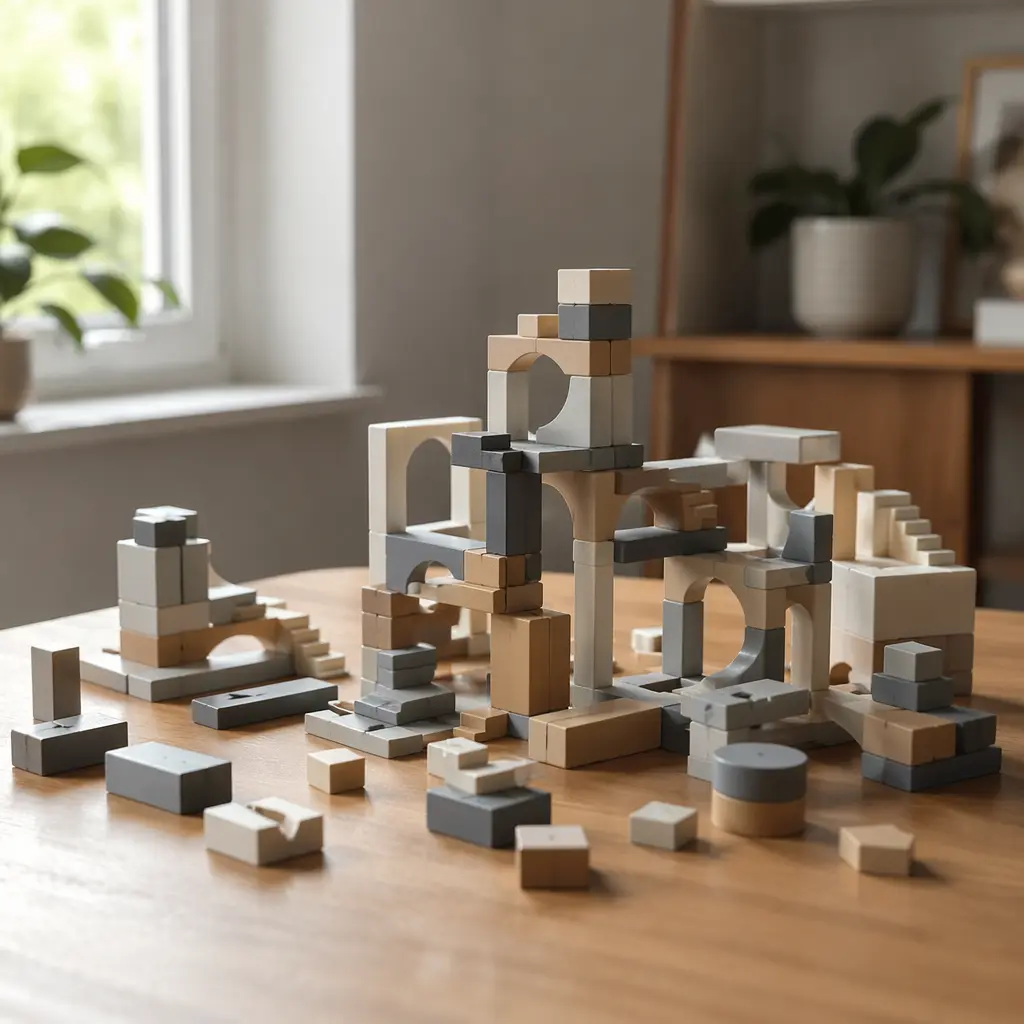
When shopping for building toys for older kids, appearance matters almost as much as function. At this age, kids are comparing toys to hobbies, tools, and real-world projects. Look for sets that respect that shift while still supporting creativity and hands-on learning.
- Neutral or realistic colors instead of bright primary palettes often associated with toddler toys
- Smaller, more precise pieces that allow for detailed builds and complex structures
- Open-ended designs that encourage original creations rather than one fixed outcome
- Systems that can be rebuilt in multiple ways or combined with other sets over time
- Clear but optional instructions, so kids can follow plans or ignore them entirely
Age suitability
For kids ages 9–12, building toys should offer a real sense of challenge without becoming frustrating. At this stage, many kids enjoy problem-solving, spatial reasoning, and experimenting with design ideas. Sets labeled for a wide age range can work well, as long as they don’t cap the complexity too early. Look for descriptions that mention advanced builds, engineering concepts, or creative freedom rather than simple stacking or matching.
Standout categories or types
Not all building toys are created equal, especially for older kids who want more control over what they create. Certain categories tend to age better and stay interesting longer.
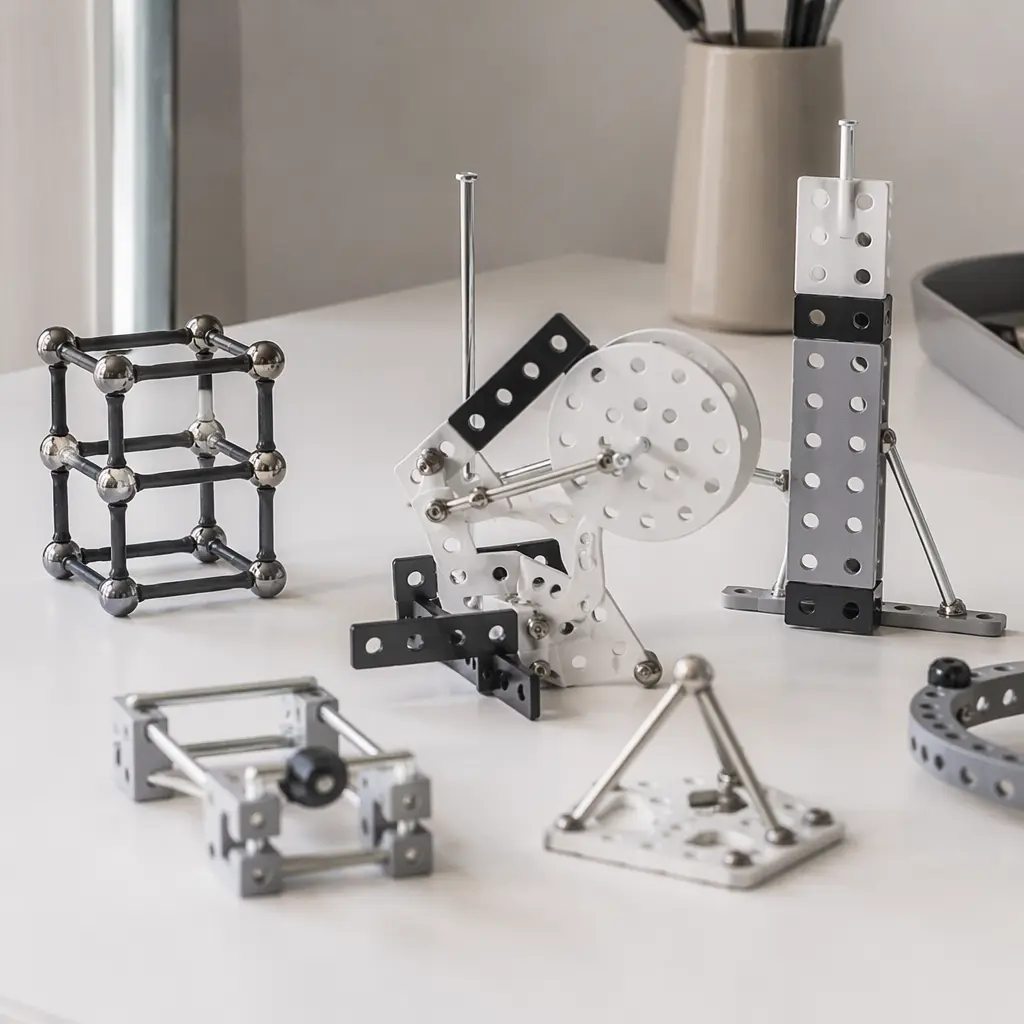
- Construction systems with connectors, rods, or plates that support large and small builds
- Engineering-style sets that introduce basic mechanics like joints, gears, or structural balance
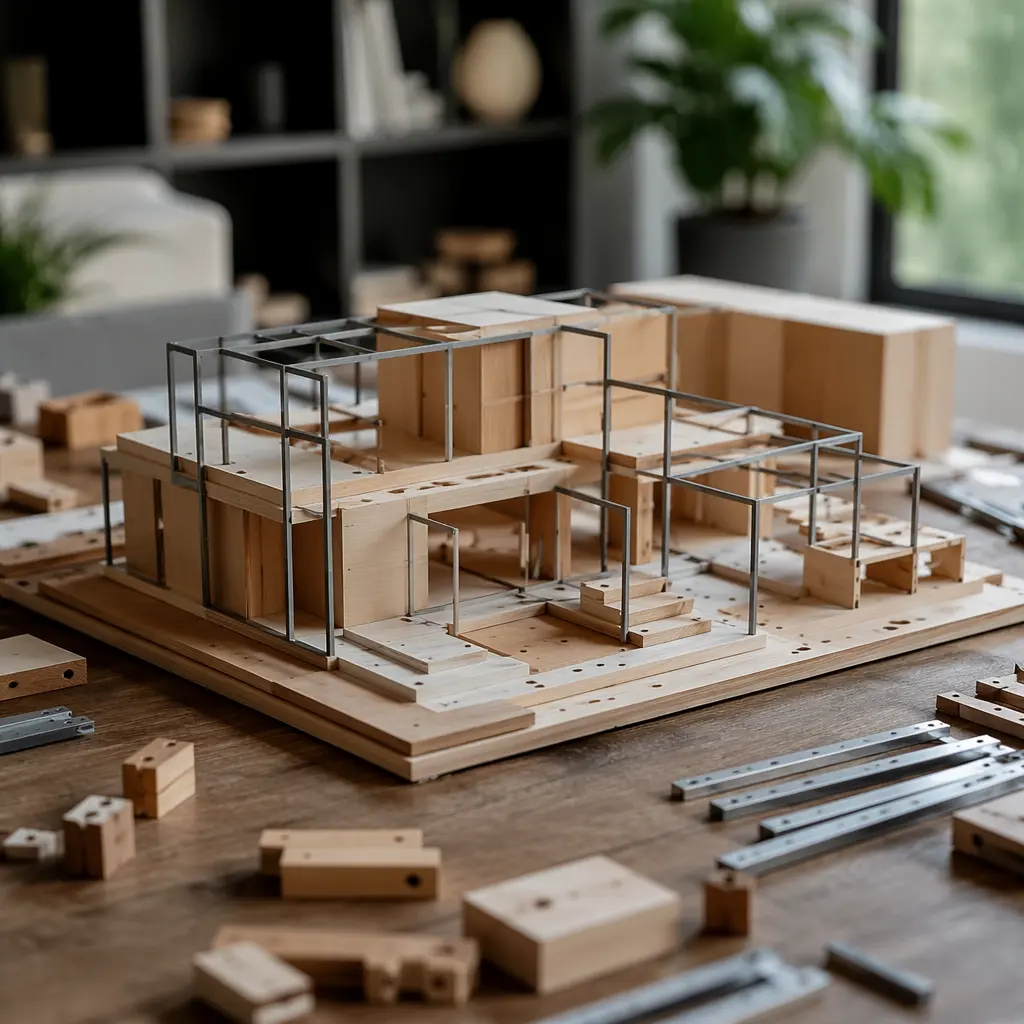
- Wood or metal building sets with a tool-like feel rather than a toy-like look
- Modular building pieces that can be rearranged endlessly without following a theme
- Architecture-inspired sets focused on structures, bridges, or abstract forms
These types of sets tend to appeal to kids who like experimenting, redesigning, and improving their creations over time. They also work well for solo play or collaborative projects, which can be important as social play changes in the preteen years.
Frequently asked questions
Why do some building toys feel babyish to older kids?
Often it’s the visual design. Bright colors, oversized pieces, and cartoon-style themes can make a toy feel aimed at much younger children, even if the building mechanics are solid.
Are open-ended building toys better than themed sets?
Open-ended sets usually last longer because kids aren’t limited to one final build. Themed sets can still be engaging, but open-ended designs give older kids more creative control.
How can I tell if a set will still be interesting next year?
Look for sets that scale in complexity. If the pieces allow for both simple and advanced builds, kids can keep challenging themselves as their skills grow.
Do these building toys support learning or STEM skills?
Yes, many encourage spatial reasoning, basic engineering concepts, and problem-solving. The learning tends to happen naturally through experimentation rather than formal lessons.
Choosing building toys that don’t look babyish is really about respecting where your child is developmentally. Sets that offer flexibility, thoughtful design, and room to grow can stay relevant well into the preteen years, supporting creativity without making kids feel like they’ve outgrown their toys.