Building Toys Kids Can Mix Without Matching Systems
A parent-friendly guide to building toys for ages 6–8 that mix freely across sets. Learn what to look for, age fit, safety notes, and flexible categories that grow with your child.
Compare prices and availability
Check current prices and availability for this guide on eBay.
As an eBay Partner, we may be compensated if you make a purchase.
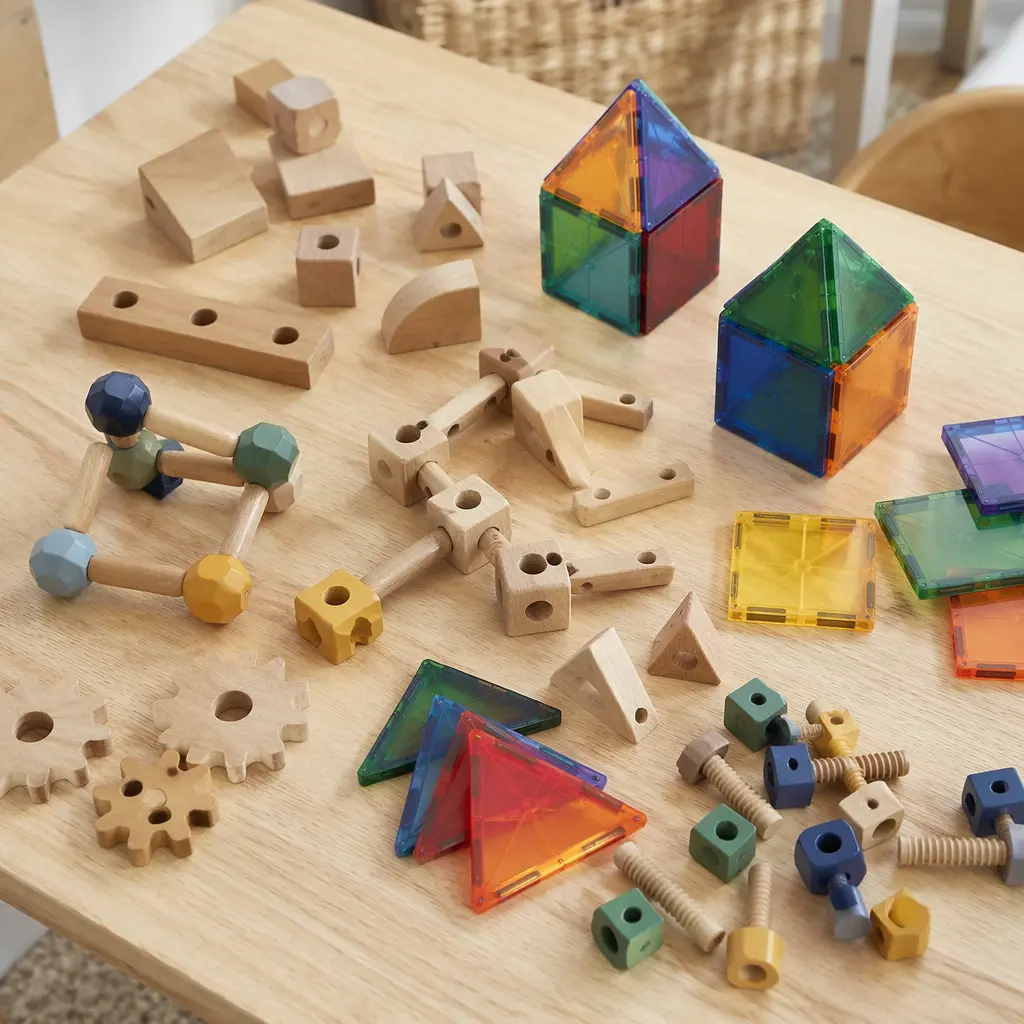
Many building toys are designed as closed systems, where pieces only work with their own brand or line. For parents of kids ages 6–8, that can limit creativity and make play feel repetitive. Open, mix-and-match building toys take a different approach. These sets focus on universal shapes, simple connectors, or flexible materials that combine easily across boxes, ages, and even toy categories. The result is longer-lasting play and fewer rules about what goes with what.
What to look for
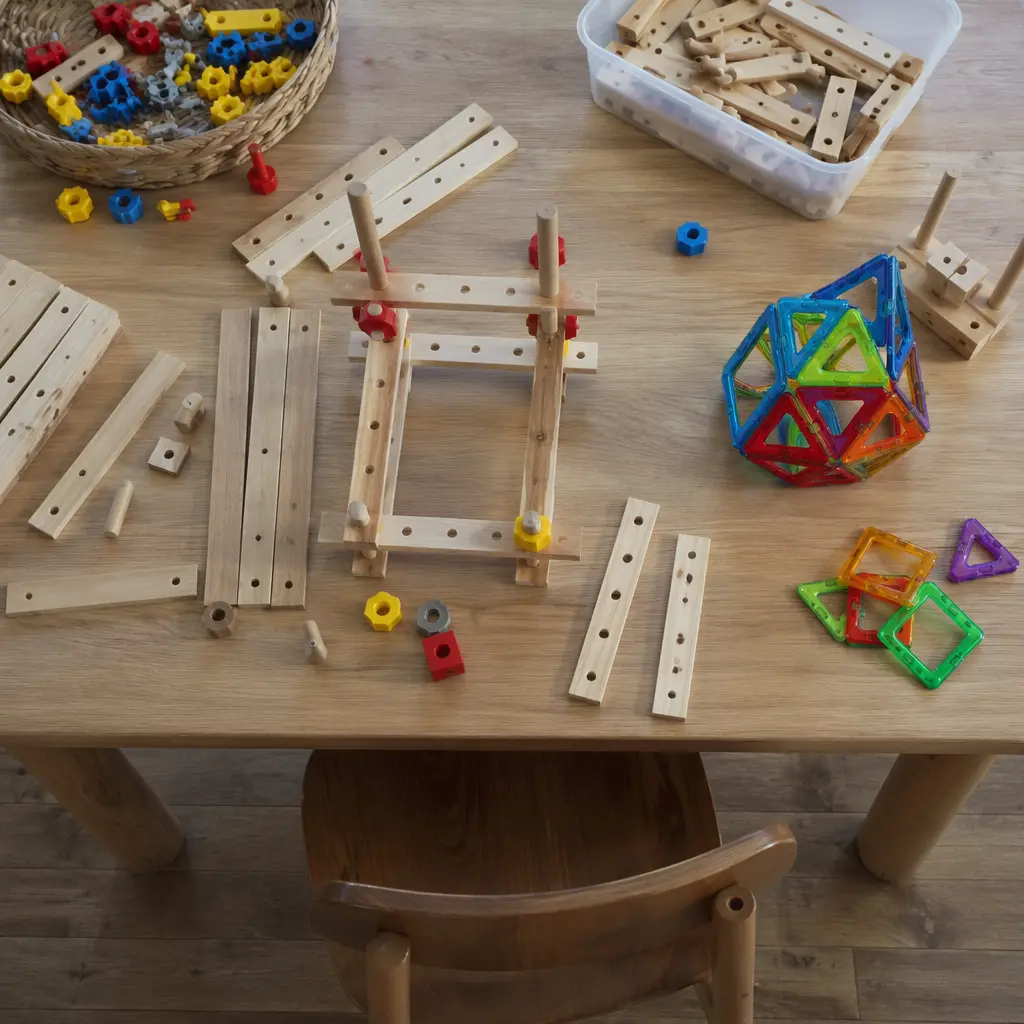
When shopping for building toys that don’t rely on matching systems, focus on design features rather than brand names. The best options share a few practical traits that support flexible, creative building.
- Simple geometry: Basic shapes like cubes, planks, rods, and tiles are easier to combine with other sets.
- Universal connectors: Pegs, holes, magnets, slots, or clips that don’t require exact alignment.
- Tolerance for variation: Pieces that still work even if sizes or materials aren’t identical.
- Durable materials: Wood, thick plastic, silicone, or metal that can handle repeated rebuilding.
- Open instructions: Minimal or optional guides, leaving room for experimentation.
Age suitability
For kids ages 6–8, open-ended building toys should balance freedom with enough structure to feel rewarding. At this stage, children are developing spatial reasoning, planning skills, and patience for multi-step builds. Pieces should be small enough for detail work but large enough to handle easily. Sets that scale well—working for simpler builds now and more complex ones later—tend to last longer and adapt as skills grow.
Standout categories or types
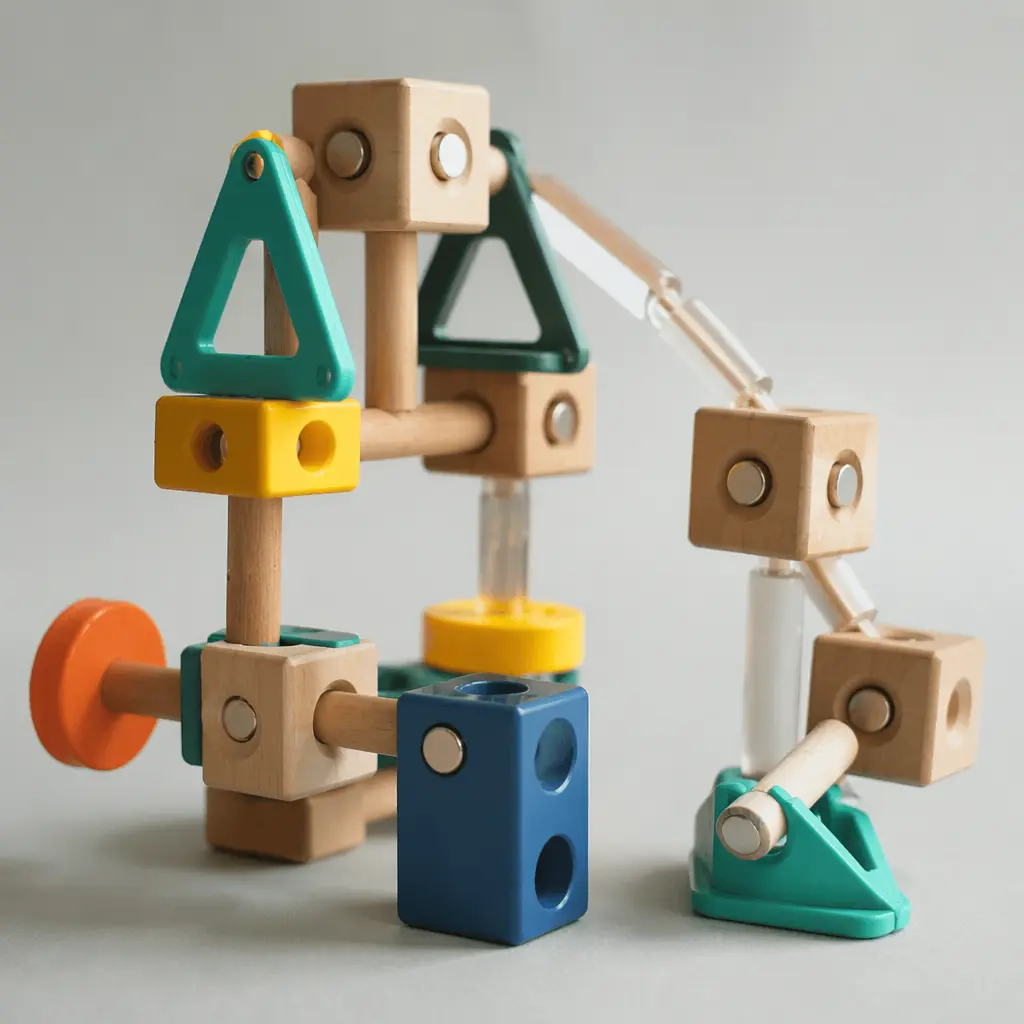
Some types of building toys are naturally better at mixing than others. These categories tend to work well across brands and age ranges, making them good candidates for shared bins or hand-me-down play.
- Free-form wooden blocks: Planks, arches, and beams stack and balance without connectors, pairing easily with other materials.
- Magnetic construction pieces: Flat tiles or rods with embedded magnets connect across sets with similar polarity.
- Connector-based systems: Rods and hubs or clip-style pieces that allow flexible angles and sizes.
- Engineering-style kits: Gears, axles, and frames designed to be reconfigured rather than followed step by step.
- Loose parts building: A mix of nuts, bolts, panels, and shapes intended for creative assembly.
These categories encourage problem-solving because there is no single “right” way to build. Kids can combine old and new pieces, adapt designs, and test ideas without worrying about compatibility rules.
Frequently asked questions
Do open-ended building toys support learning?
Yes. Flexible building toys support spatial reasoning, early engineering concepts, and creative thinking. Because kids decide how pieces fit together, they practice planning, testing, and revising ideas.
Will these toys still work if we add more sets later?
That’s one of their main benefits. Open systems are designed to grow over time, so adding more pieces usually expands play options instead of replacing older ones.
Are mixed systems harder for kids to clean up?
They can be, unless storage is planned. Many families use shared bins or trays sorted by piece type rather than by set, which makes cleanup simpler and encourages mixing.
Do kids miss having step-by-step instructions?
Some kids enjoy instructions, while others prefer free building. Many open-ended sets include optional build ideas, giving structure without limiting creativity.
Building toys that don’t rely on matching systems offer a flexible, long-term approach to play. For kids ages 6–8, they support creativity, learning, and independence while reducing the need to buy into a single toy line. By focusing on simple shapes, durable materials, and open design, parents can choose sets that mix well today and continue to inspire building for years to come.