Large-Piece Building Sets for Toddlers With Siblings
A parent-focused guide to large-piece building sets for toddlers in mixed-age homes, covering choking-risk trade-offs, shared play, durability, storage and long-term value.
Compare prices and availability
Check current prices and availability for this guide on eBay.
As an eBay Partner, we may be compensated if you make a purchase.
Large-piece building sets are often one of the first construction toys parents consider for toddlers because they support open-ended, screen-free play and are usually easier for small hands to grip. In homes with older siblings, though, the decision becomes more complicated. Parents may need to balance choking-risk concerns for a younger child against the interests of older children who want smaller, more detailed pieces. Storage, durability and the ability to keep one toy useful for several years also matter more in mixed-age households. Choosing the right style of large-piece set can reduce frustration, encourage shared play and make it easier to manage safety around babies and toddlers.
What to look for
The safest and most practical large-piece building sets for toddlers usually combine simple construction with durable materials and clearly age-appropriate sizing. In mixed-age homes, it also helps to think about how the toy will coexist with smaller pieces from older children’s sets. Some building systems are intentionally oversized for toddlers, while others sit in a middle ground that may still require close supervision around children under three. Parents should also consider cleanup, storage space and whether the toy stays engaging beyond the toddler years.
- Choose pieces that are clearly larger than a toddler’s mouth and intended for ages under three.
- Look for rounded edges and sturdy construction that can handle chewing, throwing and stepping.
- Consider compatibility with larger family building systems if older siblings already own construction toys.
- Soft plastic or lightweight foam pieces are quieter indoors, while hardwood blocks may last longer but create more noise.
- Simple snap-together systems can support shared sibling play better than toys that require precise fine-motor control.
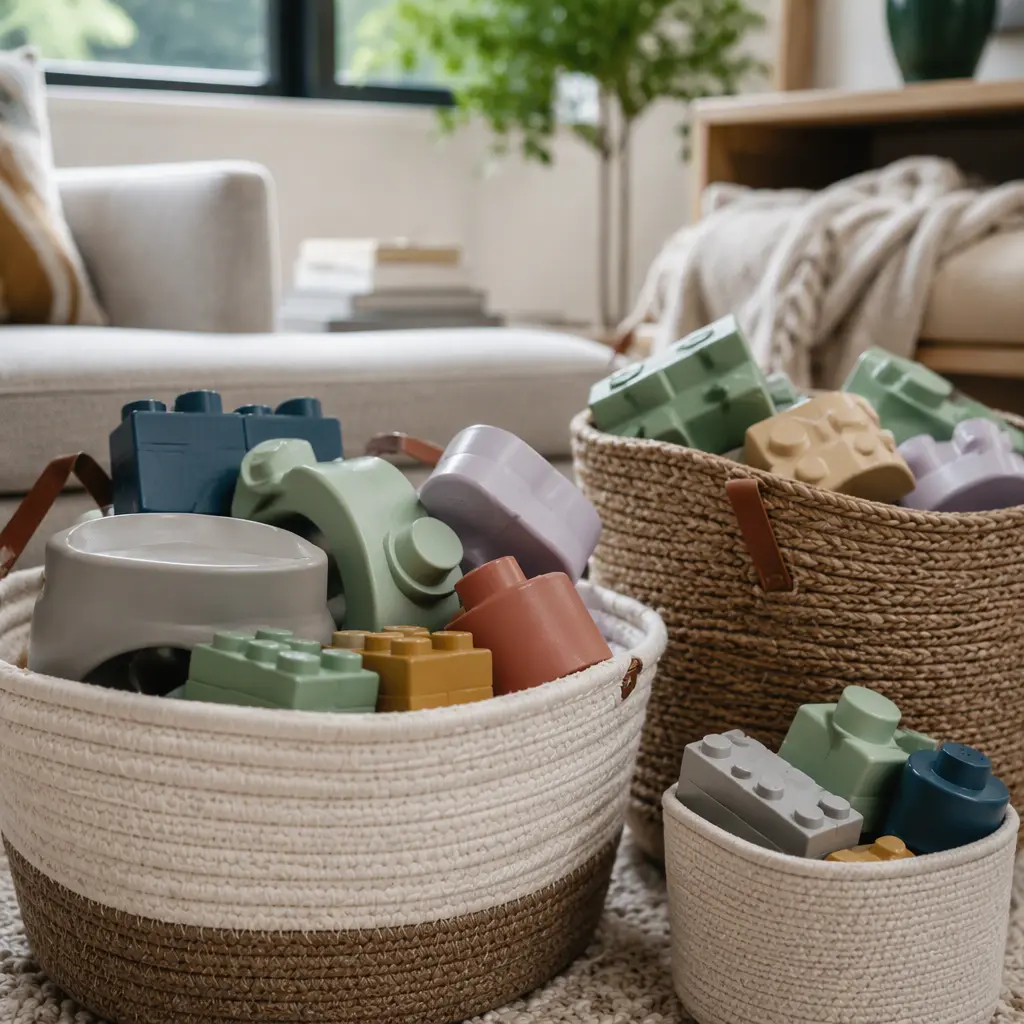
- Check storage needs before buying large sets, since oversized pieces can take up significant floor and shelf space.
- Think about cleaning requirements, especially for textured plastic toys used by younger toddlers who mouth objects.
Age suitability
For children aged one to two years, the safest building sets are usually those specifically designed for toddlers with oversized parts and simple connections. At this stage, many children are still exploring toys by mouthing them, so piece size matters more than build complexity. Younger toddlers may prefer stacking, knocking down and carrying pieces rather than constructing recognizable structures. Around age two, some children begin connecting blocks intentionally and copying simple builds from siblings or adults. In mixed-age homes, parents may need separate play zones if older children use smaller bricks or magnetic construction pieces that include parts unsafe for toddlers. A toy that works well for a two-year-old may still require active supervision if a crawling baby is nearby.
Options compared
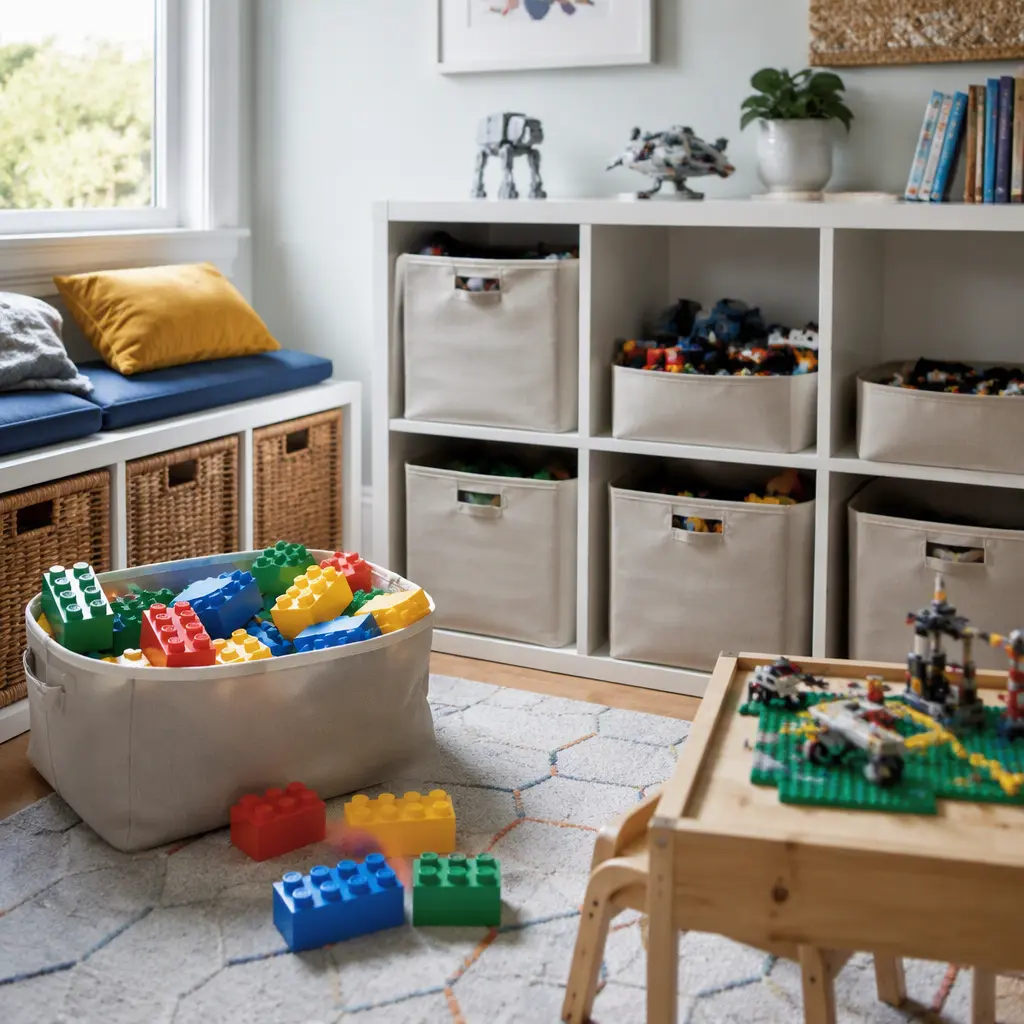
Oversized interlocking plastic blocks are often the most practical option for mixed-age families. They are lightweight, relatively easy for toddlers to connect and usually durable enough for years of use. Older siblings can still build larger towers, vehicles or pretend-play scenes with them, which makes shared play more realistic than with very basic stacking toys. The trade-off is storage size. Large plastic blocks can quickly fill bins and spread across living spaces.
Traditional wooden blocks work well for quiet, open-ended play and can stay useful for many years. They suit families looking for a screen-free toy with fewer moving parts and no snapping mechanisms. However, they may frustrate toddlers who want structures to stay connected, and heavy wooden pieces can be noisy on hard floors. Foam building blocks reduce noise and lower the risk of injury if thrown, but they are often less durable and may lose shape over time. Cardboard brick-style sets are lightweight and good for large forts or collaborative sibling builds, though they generally require more storage space and may not hold up to rough toddler handling or moisture.
- Oversized plastic interlocking blocks: best for shared sibling play, easy building and long-term use; bulky to store.
- Wooden blocks: durable and open-ended; quieter expectations may not match energetic toddlers.
- Foam blocks: softer and lighter for apartments or younger toddlers; less durable over time.
- Cardboard construction bricks: good for group play and large structures; need dry storage and gentle handling.
- Large magnetic construction sets: often appealing for older siblings, but many contain smaller magnets or accessories that are not suitable for children under three.
Frequently asked questions
Are large-piece building sets safe for one-year-olds?
Many are designed specifically for children aged one and up, but parents should still check the manufacturer’s age guidance and supervise play. The safest choices for one-year-olds usually have oversized pieces with no detachable small parts.
Can toddlers and older siblings play together safely?
Shared play can work well when the building system uses consistently large pieces. Problems are more likely when older children mix in smaller bricks, mini figures or magnetic parts. Separate storage bins and defined play areas can help reduce accidental mixing.
Which material is easiest to clean?
Smooth plastic blocks are usually the simplest to wipe down or wash. Wooden blocks may need gentler cleaning to avoid damaging finishes, while foam and cardboard sets can be harder to sanitize thoroughly after spills or mouthing.
Do toddlers need complicated building features?
Most children between one and two years old benefit more from simple stacking and connecting systems than from detailed construction features. Toys that are too complex can lead to frustration and may rely heavily on adult assistance.
How many pieces are enough for a toddler?
A moderate set is often easier to manage than a very large collection, especially in smaller homes. Enough pieces to build towers, simple houses or pretend-play scenes is usually sufficient at this age. Additional sets can be added later if the toy remains popular.
The best large-piece building set for a mixed-age home is usually one that keeps the youngest child safe without completely excluding older siblings from play. Oversized blocks with durable construction and simple compatibility tend to offer the longest useful lifespan. Parents balancing safety, storage and long-term value may find that a flexible open-ended system works better than highly themed sets that children outgrow quickly.