MAGNA-QUBIX and the Rise of Cube-Based Magnetic Building
MAGNA-QUBIX turned flat magnetic tile play into sturdy 3D construction, blending geometry, engineering, and open-ended creativity in a format that appeals to both kids and adults.
Compare prices and availability
Check current prices and availability for this guide on eBay.
As an eBay Partner, we may be compensated if you make a purchase.
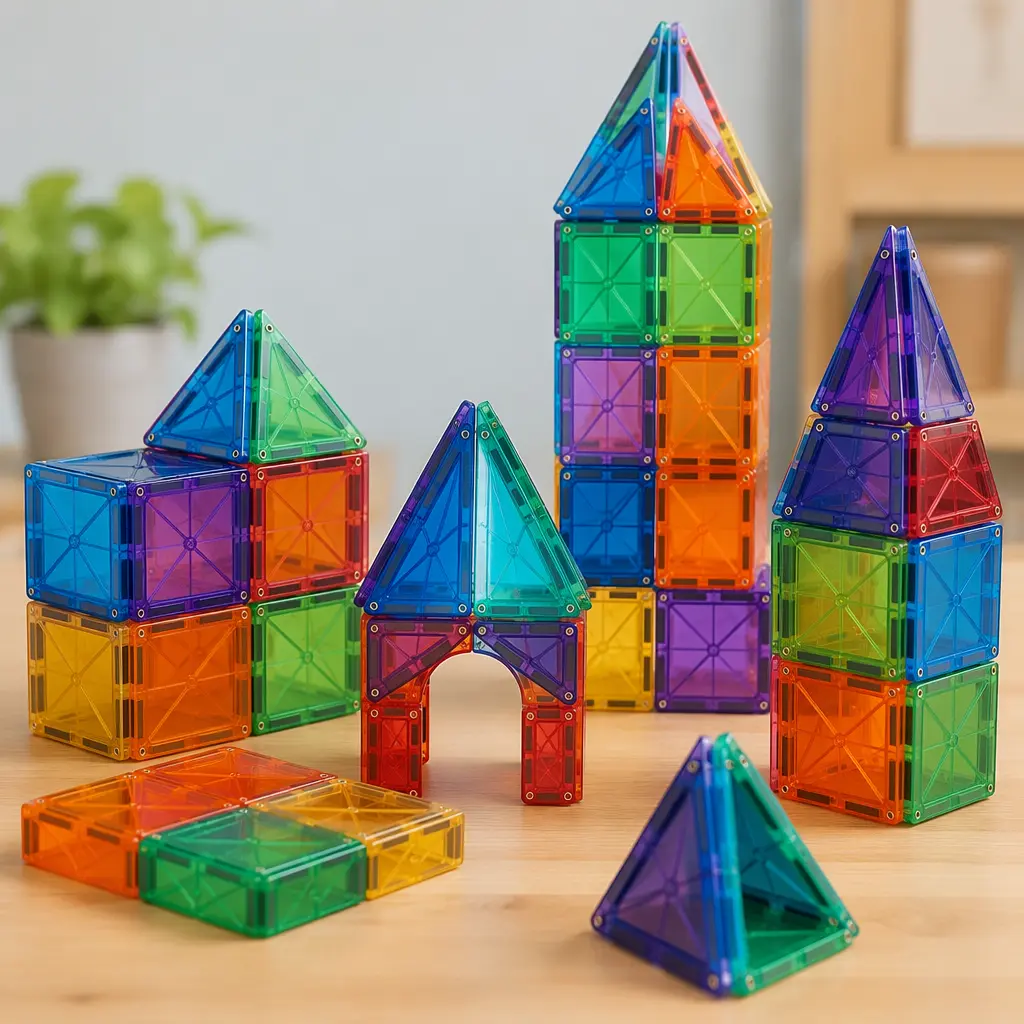
MAGNA-QUBIX arrived during a period when magnetic construction toys were already popular with families and classrooms, but it added a different twist to the category. Instead of relying mainly on flat geometric panels, the system emphasized cubes and box-like forms that encouraged more solid, architectural building. The result was a toy family that felt closer to real structural design while still keeping the satisfying snap and experimentation that made magnetic tiles a modern playroom staple. For many children, MAGNA-QUBIX became a bridge between simple stacking toys and more advanced construction systems.
Where it came from
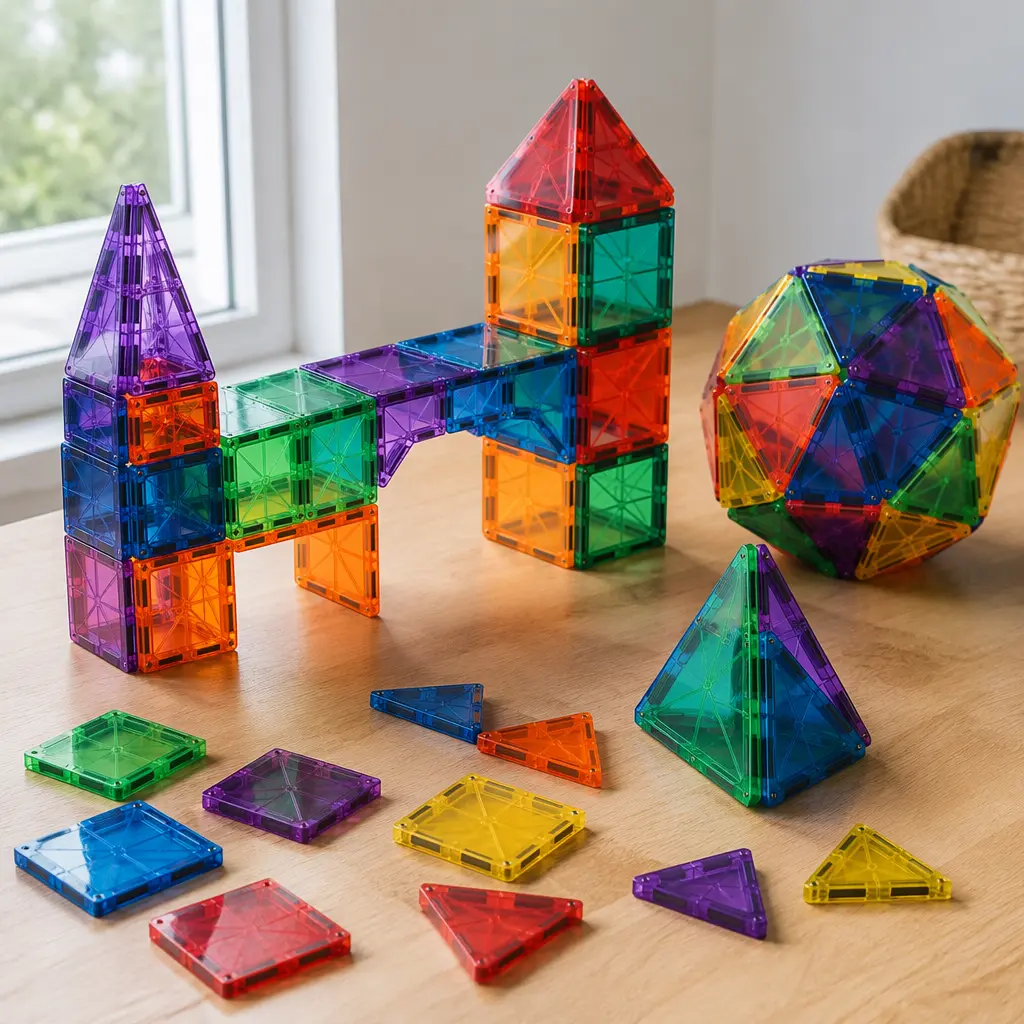
MAGNA-QUBIX was introduced by Valtech, the company behind the broader Magna-Tiles line, around 2016 as magnetic construction play continued expanding beyond preschool audiences. Earlier magnetic tile systems were already known for encouraging open-ended building with squares and triangles, but MAGNA-QUBIX focused on three-dimensional forms from the start. The pieces used enclosed cube-like shapes with internal magnets, giving builds a sturdier and more architectural feel than many flat-panel systems.
The timing mattered. By the mid-2010s, parents and educators were increasingly interested in STEM-oriented toys that could combine creativity with spatial reasoning and engineering concepts. MAGNA-QUBIX fit neatly into that trend without feeling overtly educational. Children could simply stack, connect, and experiment, while adults appreciated the way the toy naturally introduced ideas like balance, symmetry, and structural support. The cube-based approach also made it easier for younger builders to create recognizable three-dimensional objects quickly, which helped sustain engagement.
Why it works
The core appeal of MAGNA-QUBIX comes from the way its pieces guide children toward volumetric thinking. Flat magnetic tiles often encourage walls, roofs, and geometric mosaics, but cube pieces encourage enclosed forms: towers, vehicles, houses, tunnels, and abstract sculptures. Because the magnets pull pieces together from multiple directions, children can experiment freely without needing the precision required by some brick-based systems. Structures can go from simple to surprisingly complex within minutes.
The tactile experience also plays a major role. The click of magnets connecting, the transparency of the colored plastic, and the visible geometry of stacked cubes create a satisfying sensory loop. Unlike toys with strict instructions, MAGNA-QUBIX rewards improvisation. Children often start with random stacking and gradually move toward deliberate engineering challenges, including cantilevers, symmetrical patterns, and moving layouts. Adults frequently join in because the system invites collaborative building rather than solitary assembly.
- Cube-based pieces encourage true three-dimensional construction
- Magnetic connections allow fast experimentation and rebuilding
- Translucent plastic creates colorful light and shadow effects
- Open-ended design supports both free play and STEM learning
- Pieces are generally easy for younger children to grip and connect
Who it's for
MAGNA-QUBIX is primarily aimed at children in the preschool and elementary age range, though older kids often continue using the sets for engineering-style builds. Younger children enjoy the immediate gratification of snapping pieces together into recognizable forms, while older builders tend to explore more ambitious designs involving symmetry and stability. The toy also has notable crossover appeal for adults, especially parents, teachers, and collectors of modern construction toys. In classrooms and therapy settings, magnetic building systems are often valued for cooperative play and fine motor development as much as for creativity.
Variants and what to look for today
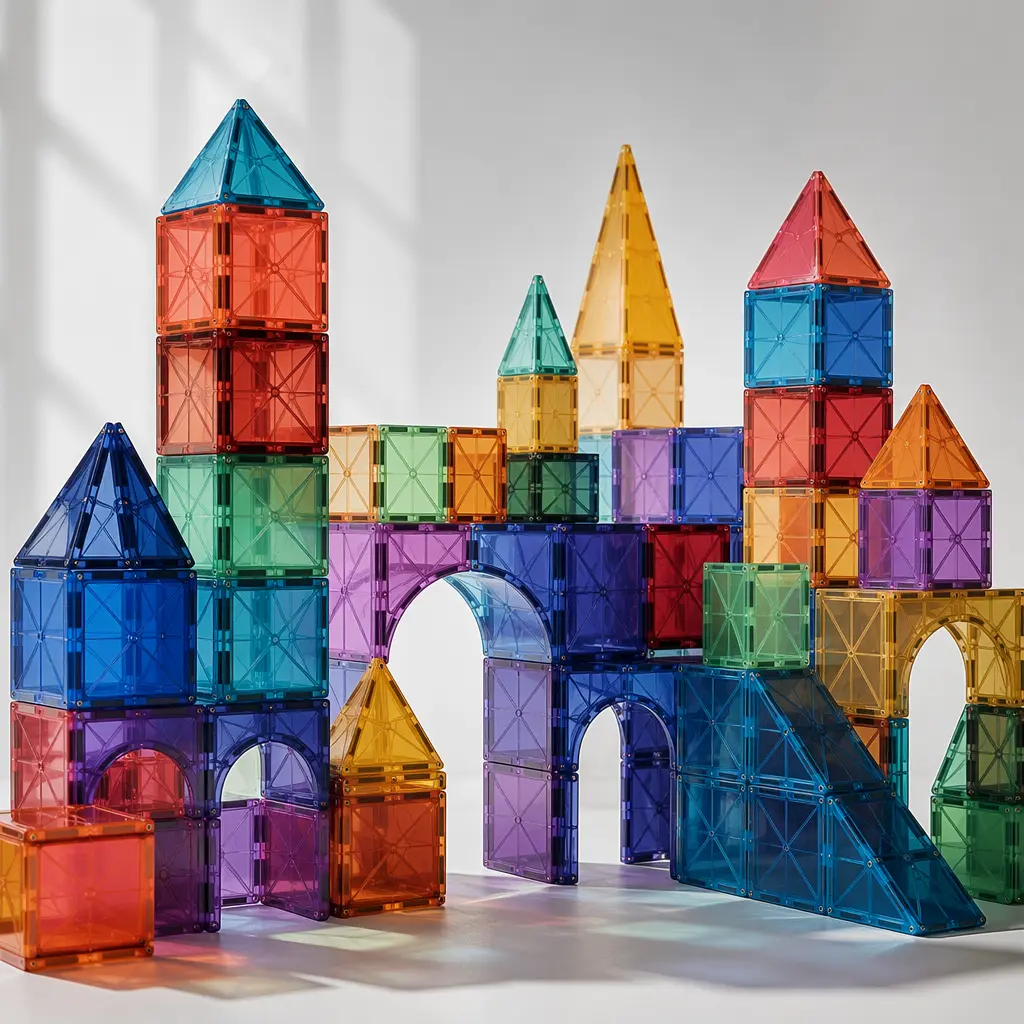
Modern MAGNA-QUBIX sets are usually sold in mixed assortments that combine cubes with complementary magnetic shapes. Some focus on basic building, while others lean toward vehicles, architectural forms, or classroom-style expansion packs. The biggest difference between sets is often the number of pieces rather than entirely different mechanics, since the system is designed around compatibility and scalable building.
Parents shopping today will notice that magnetic construction toys have become a crowded category. Quality can vary widely between brands. Strong magnet housing, smooth edges, and durable plastic are usually better indicators of longevity than flashy packaging. Many families also mix compatible magnetic systems together, though connection strength and sizing can differ slightly across manufacturers.
- Starter sets are best for younger children learning basic connections
- Larger assortments support more advanced architectural builds
- Look for durable sealed magnet construction and smooth edges
- Storage bins can matter more than extra specialty pieces for everyday use
- Very lightweight imitation pieces may not connect as securely during taller builds
Frequently asked questions
Is MAGNA-QUBIX the same as traditional magnetic tiles?
Not exactly. Traditional magnetic tile systems often emphasize flat geometric panels, while MAGNA-QUBIX focuses more heavily on cube-shaped forms and enclosed structures. The building experience tends to feel more architectural and three-dimensional.
Can younger children use cube-based magnetic sets easily?
Yes. The larger magnetic pieces are generally easy for younger children to handle, and the magnetic connections reduce frustration compared with systems that require precise snapping or alignment. Adult supervision is still important for age-appropriate play and safety.
Do adults enjoy these sets too?
Many adults find magnetic construction toys surprisingly engaging. The balance between structure and improvisation appeals to hobbyists, educators, and parents who enjoy collaborative building. The translucent designs also photograph well and often become display pieces after play sessions.
Are magnetic building toys mainly educational?
They are often marketed with STEM themes, but their lasting popularity comes from open-ended play rather than formal lessons. Children naturally encounter geometry, balance, and engineering ideas while experimenting, which tends to make the learning feel incidental rather than instructional.
MAGNA-QUBIX reflects a broader shift in modern toy design toward creative systems that combine simplicity with flexibility. Its cube-focused approach gave magnetic construction play a more structural, spatial dimension while remaining approachable for young builders. Years after its introduction, the toy family continues to stand out because it transforms basic geometric forms into something tactile, collaborative, and endlessly rebuildable.