Soft Blocks vs Wooden Blocks for Babies Who Throw Toys
Comparing soft and wooden blocks for babies who love to toss toys. Learn the trade-offs around noise, safety, cleanup, durability and long-term play value for 0–12 months.
Compare prices and availability
Check current prices and availability for this guide on eBay.
As an eBay Partner, we may be compensated if you make a purchase.
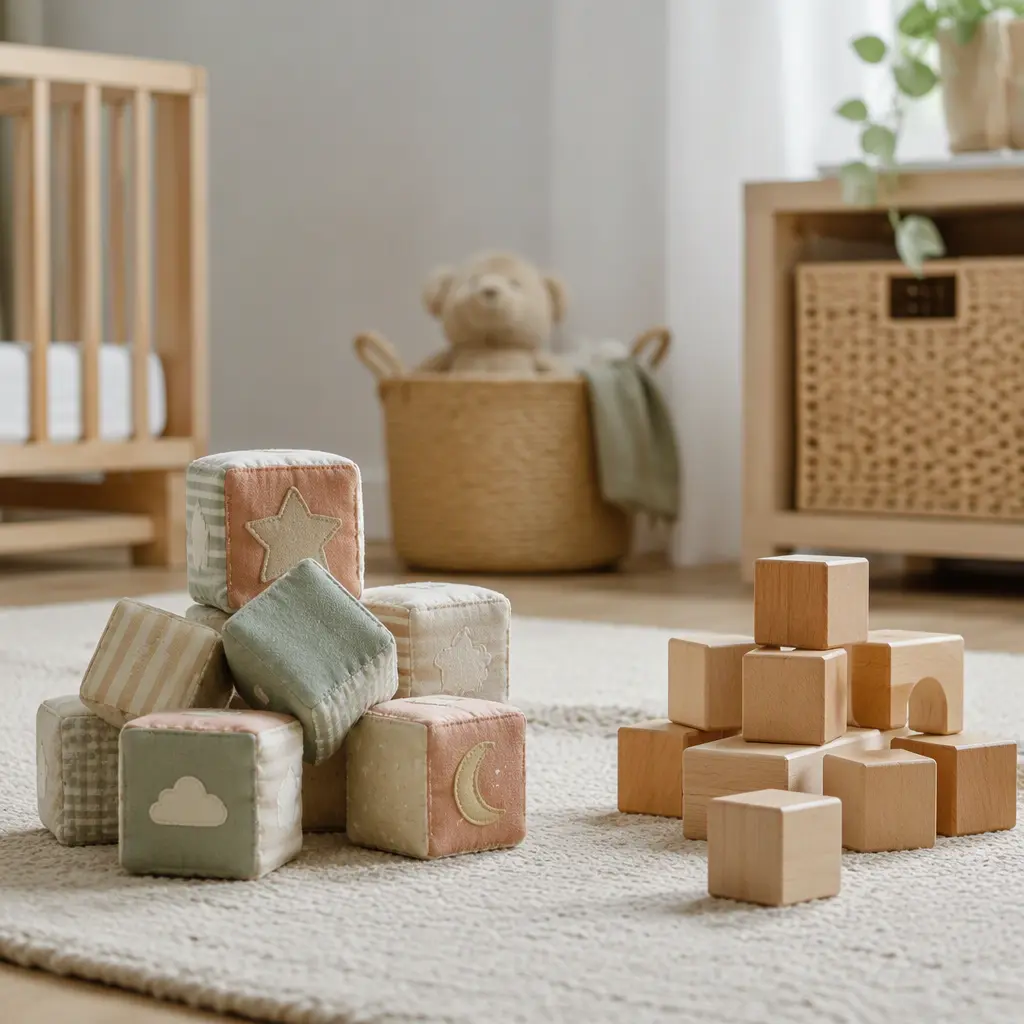
Many babies spend less time carefully stacking blocks than dropping, banging or throwing them across the room. That is normal developmental play, especially during the first year. For parents choosing between soft blocks and wooden blocks, the main differences usually come down to noise, safety, cleanup, durability and how long the toy stays useful as a child grows. Neither option is automatically better for every home. A small apartment with thin walls may benefit from quieter soft blocks, while families looking for longer-lasting open-ended play may prefer wood. Understanding the trade-offs can make the decision much easier.
What to look for
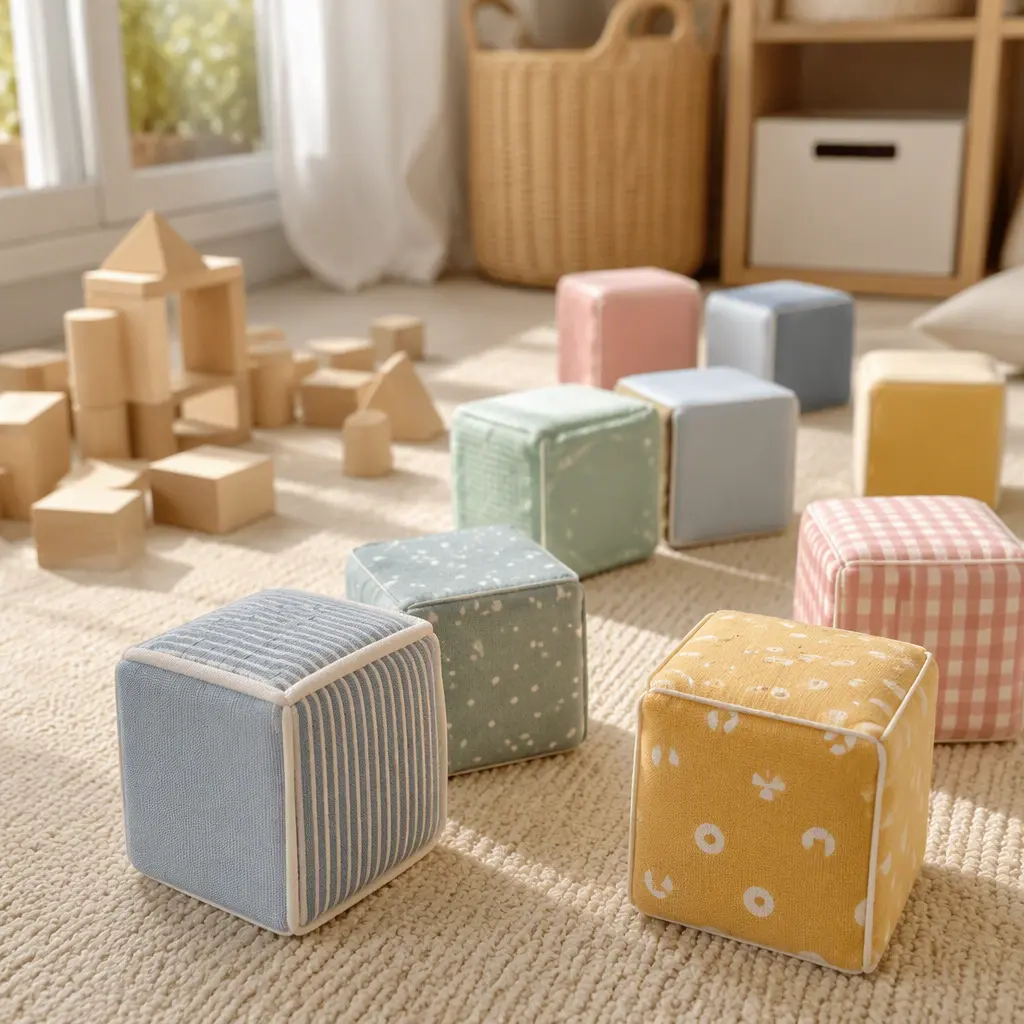
For babies under 12 months, blocks are less about building tall structures and more about sensory exploration, grasping, mouthing and cause-and-effect play. The safest and most practical choice depends on your living space, your baby's developmental stage and how much supervision you can realistically provide during playtime. It also helps to think about how the toy will fit into your home over time. Some parents prioritize quieter play and easy washing, while others care more about durability and long-term use through toddlerhood.
- Weight and impact: lighter soft blocks are less likely to hurt babies, siblings or furniture when thrown.
- Noise level: wooden blocks create loud banging sounds on hard floors, while soft blocks are much quieter.
- Cleaning needs: fabric blocks may need occasional washing, while sealed wooden blocks usually wipe clean quickly.
- Chewing and mouthing: babies explore with their mouths, so avoid peeling finishes, loose stitching or damaged foam.
- Storage space: large soft block sets can take up more room than compact wooden cubes.
- Longevity: wooden blocks often stay useful longer into preschool years for building and pretend play.
- Floor type: hardwood floors amplify noise and increase the chance of dents from thrown wooden blocks.
Age suitability
For younger babies around 0 to 6 months, soft blocks are usually the easier starting point because they are lightweight, easier to grip and gentler during accidental drops. Many include different textures, crinkle sounds or simple patterns that encourage sensory exploration without overwhelming infants. Between 6 and 12 months, some babies begin enjoying larger wooden blocks, especially while practicing sitting balance, transferring objects between hands and knocking down small stacks. At this stage, throwing often becomes more enthusiastic, so the home environment matters. In shared apartments or homes with delicate flooring, wooden blocks may become frustrating for adults even if the baby enjoys them. Some families start with soft blocks during infancy and add wooden blocks closer to the toddler years for longer-term building play.
Options compared
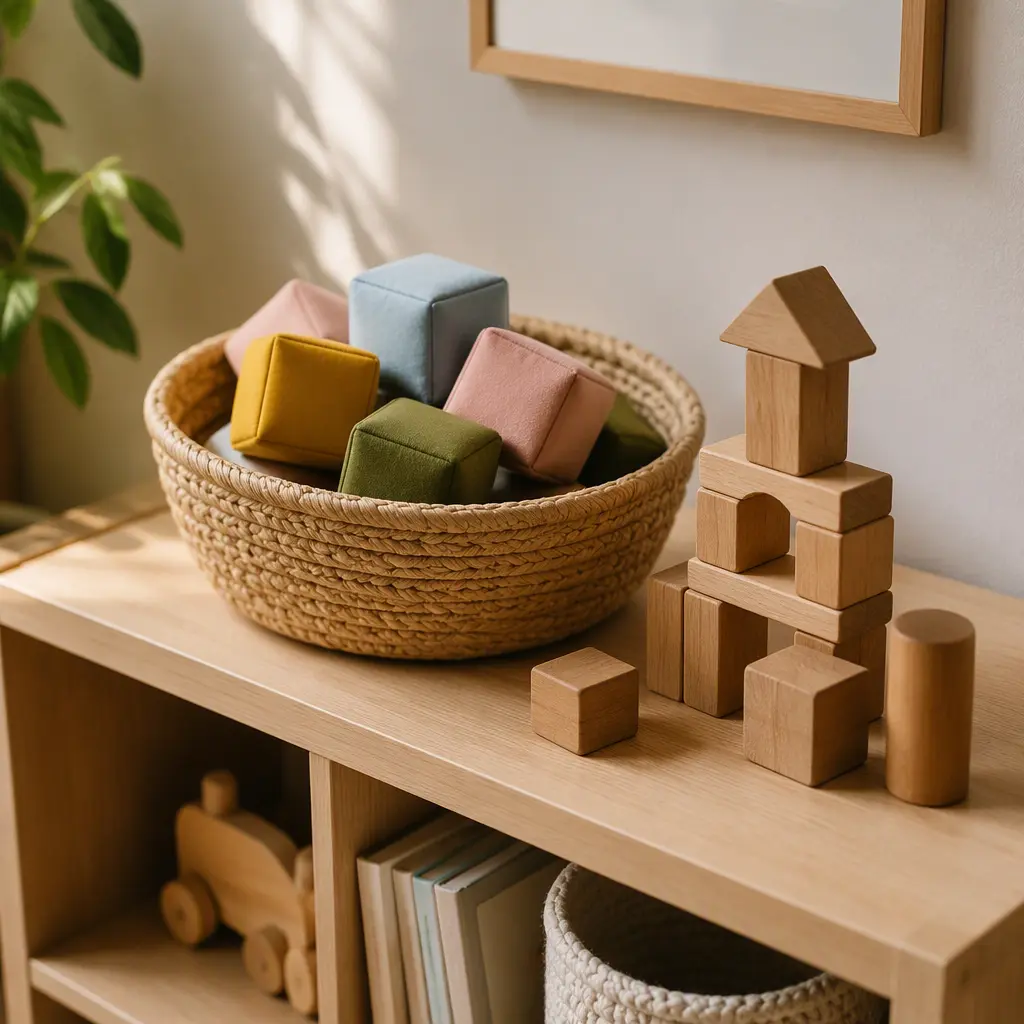
Soft blocks are often the lower-stress option for parents of very active babies. They are quieter when tossed, gentler on little hands and less likely to damage walls or furniture. Many are made from foam, fabric or rubber-like materials that can handle frequent dropping. They also tend to work well for tummy time because babies can lean against them or knock them over without frustration. The trade-off is that some soft blocks lose shape over time, attract lint or require more involved cleaning if they absorb drool or spills. Very lightweight blocks can also be harder to stack successfully, which may limit building play as children grow.
Wooden blocks usually appeal to parents looking for durability and long-term value. A simple set can remain useful for years, moving from baby sensory play into stacking, balancing, pretend play and basic construction. Wooden blocks also provide clearer cause-and-effect feedback because they make solid sounds and stay stable when stacked. However, they are heavier and louder. Babies in a throwing stage may accidentally hit themselves, siblings or pets. On hard floors, repeated dropping can become noisy enough to interrupt naps or bother neighbors. Some families reduce this issue by limiting wooden block play to rugs or foam mats. Wooden blocks often suit calmer play spaces and older babies who are beginning to stack intentionally rather than throw continuously.
- Choose soft blocks if noise reduction, gentle play and easy early grasping are the top priorities.
- Choose wooden blocks if you want a longer-lasting toy with stronger building potential into toddler and preschool years.
- Consider a mixed approach if space and budget allow: soft blocks for early infancy and wooden blocks introduced gradually later.
- Avoid very small block pieces for babies under 12 months because mouthing behavior remains common throughout the first year.
Frequently asked questions
Are wooden blocks safe for babies who throw toys?
They can be safe with close supervision and age-appropriate sizing, but they are not always practical for enthusiastic throwers. Heavier blocks can cause bumps, loud noise and accidental damage around the home. Many parents wait until throwing slows down before introducing larger wooden sets regularly.
Do soft blocks still help development?
Yes. Babies learn through grasping, transferring, mouthing, dropping and exploring textures. Soft blocks support fine motor development, hand-eye coordination and sensory exploration even before children can stack them successfully.
Which type is easier to clean?
That depends on the material. Sealed wooden blocks often wipe clean quickly with a damp cloth. Fabric blocks may need occasional machine washing or surface cleaning, especially during heavy drooling stages. Foam-style blocks vary widely, so checking cleaning instructions before buying is useful.
Do babies get bored of soft blocks faster?
Some do as they move into more advanced stacking and pretend play. Soft blocks are often strongest during infancy and early toddlerhood, while wooden blocks usually stay engaging for a longer age range because they support more complex building activities.
Is it worth owning both types?
For some families, yes. Soft blocks can make everyday infant play calmer and safer during the throwing phase, while wooden blocks become more useful later for construction play. Parents with limited storage may still prefer choosing one based on current needs and living conditions.
For babies who throw toys constantly, soft blocks are often the easier and quieter choice during the first year. Wooden blocks typically offer better long-term building value but require more tolerance for noise and closer attention to play space safety. The best fit depends less on trends and more on your baby's stage, your home setup and how you expect the toy to be used day to day.