Are Electronic Dolls Safe for Kids Ages 5–7?
A safety-first guide for parents on electronic dolls, covering microphones, speakers, batteries, and data privacy so families can choose age-appropriate, low-risk options.
Compare prices and availability
Check current prices and availability for this guide on eBay.
As an eBay Partner, we may be compensated if you make a purchase.
Electronic dolls can talk, sing, respond to touch, or connect to apps, which makes them appealing to many children ages 5–7. For parents, those features also raise important safety questions. Are the electronics durable? Is sound exposure safe? What about microphones or data collection? This guide looks at the common risks and safeguards around electronic dolls, with a focus on practical steps families can take before bringing one home.
What to look for
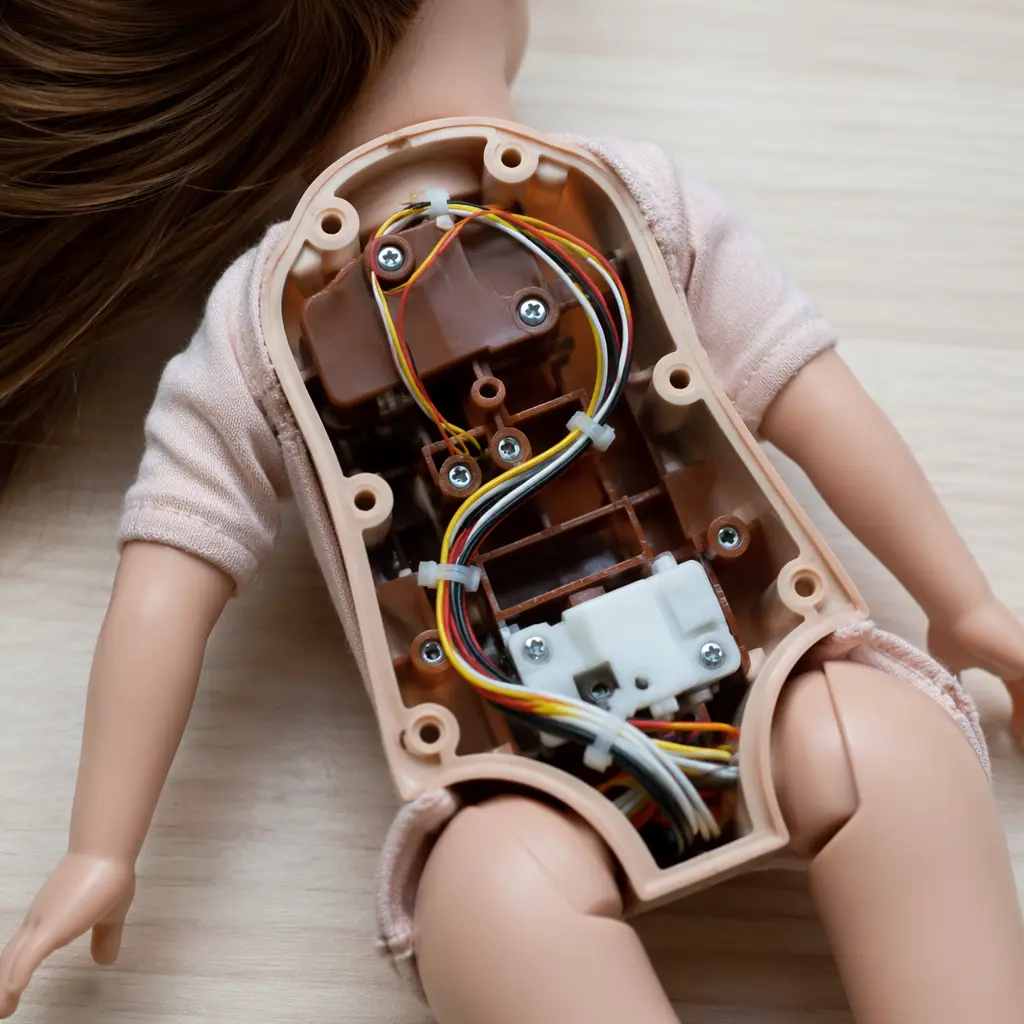
Electronic dolls combine traditional toy design with basic electronics. Safety depends on both parts working well together. Parents should look beyond marketing claims and check how the doll is built, how it uses sound, and whether it connects to anything outside the home.
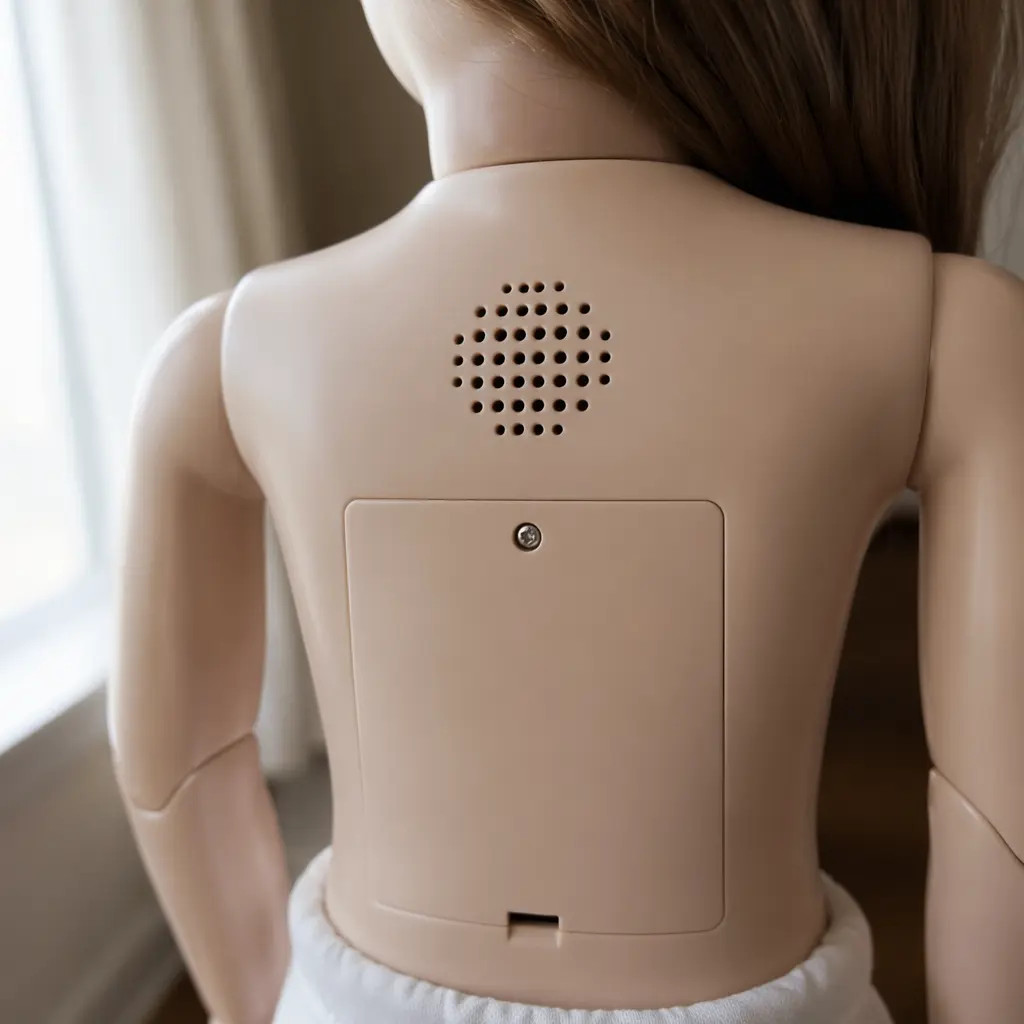
- Secure battery compartments that require a tool to open, reducing the risk of access to small batteries
- Volume limits on speakers so sounds stay within safe listening levels for young ears
- Sturdy construction with no loose parts that could break off during play
- Clear labeling about whether the doll has a microphone, Bluetooth, or internet connectivity
- Simple controls that children can’t accidentally activate to record or transmit audio
Age suitability
Many electronic dolls are marketed broadly, but age recommendations matter. For children ages 5–7, dolls should be durable enough for active play and designed for developing motor skills and understanding. Younger children in the 3–5 range may be more likely to mouth parts or press buttons repeatedly, which can strain electronics. Older kids may better understand basic rules, such as not taking a toy near water or treating battery compartments carefully. Always compare the suggested age on the package with your child’s habits and maturity, not just their birthday.
Standout categories or types
Not all electronic dolls raise the same safety considerations. Some are very simple, while others function more like smart devices. Understanding the category can help parents decide what level of oversight they’re comfortable with.
- Sound-only dolls: These play pre-recorded phrases or songs when a button is pressed. They tend to have fewer privacy concerns because they don’t listen or respond to speech.
- Touch-activated dolls: Sensors in hands or feet trigger responses. Safety depends on how well those sensors are sealed against wear and moisture.
- Voice-responsive dolls: These include microphones and may react to spoken words. Parents should confirm whether audio is processed locally or sent elsewhere.
- App-connected dolls: These pair with a phone or tablet. They offer expanded play but require extra attention to app permissions, updates, and data practices.
Frequently asked questions
Do electronic dolls record what children say?
Some dolls with voice features include microphones. Not all of them record or store audio, but some may process speech to respond. Parents should read packaging and privacy disclosures carefully to understand whether any data leaves the toy.
Are speakers in dolls safe for young ears?
Most dolls designed for children limit volume, but repeated close-range play can still be loud. It’s a good idea to test the sound yourself and encourage play that doesn’t involve holding the speaker directly next to the ear.
What about battery safety?
Battery safety is a major concern. Compartments should be fully enclosed with screws. Button batteries, in particular, should be avoided unless the compartment is highly secure, as they can be dangerous if swallowed.
Can electronic dolls connect to the internet?
Some advanced dolls use Bluetooth or Wi‑Fi through a companion app. This can introduce privacy and security considerations, such as who can connect to the toy and what data is shared.
How can parents reduce risks?
Choose dolls with limited connectivity, review privacy settings, keep software updated, and store toys away when not in use. Regularly inspect the doll for wear and talk with children about safe play habits.
Electronic dolls can be safe and enjoyable for children ages 5–7 when parents understand the features and set clear boundaries. By focusing on build quality, sound safety, and data transparency, families can make informed choices that balance fun with peace of mind.