Are Interactive Dolls Worth It for Younger Kids?
A parent-focused guide comparing interactive dolls and classic dolls for ages 3–5, covering play value, learning features, costs, durability, and when simpler toys may be the better fit.
Compare prices and availability
Check current prices and availability for this guide on eBay.
As an eBay Partner, we may be compensated if you make a purchase.
Interactive dolls promise more than traditional pretend play. They can talk, sing, respond to touch, or connect to apps, all with the goal of keeping young children engaged. For parents of preschoolers ages 3–5, the big question is whether those added features actually support play and learning, or whether classic dolls do the job just as well. This guide breaks down what tech-enabled dolls add, what they may take away, and how to decide what fits your child and household.
What to look for
Not all interactive dolls are built the same, and not all features matter for every child. When comparing options, focus less on how many things a doll can do and more on how those features support play for a 3–5 year old.
- Play control: Look for dolls that let children lead the play, rather than directing them with constant prompts or scripts.
- Ease of use: Buttons, sensors, and responses should be simple enough for small hands without adult help.
- Durability: Preschool play can be rough. Check that electronic parts are well-protected and the doll still works as a basic toy if features fail.
- Volume and responsiveness: Sounds should be adjustable and responses consistent, not overly loud or delayed.
- Battery or charging needs: Frequent charging or battery replacement can affect how often the doll is actually used.
Age suitability
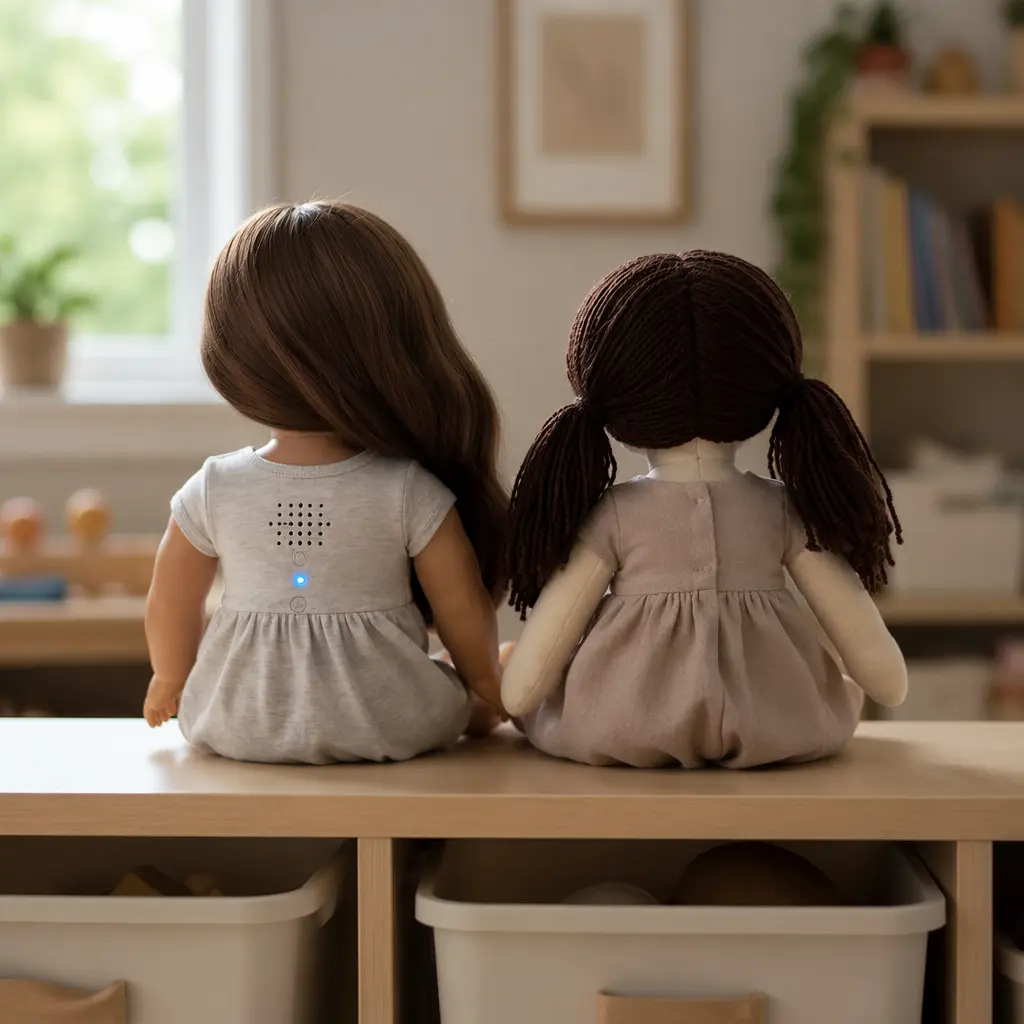
For children ages 3–5, pretend play is a major driver of learning. At this stage, kids practice social skills, language, and problem-solving by acting out everyday situations. Interactive dolls can support this by modeling words, songs, or routines. However, if a doll’s responses are too complex or fast-paced, younger preschoolers may lose interest or become frustrated. Many children in this age band still benefit most from open-ended toys that adapt to their imagination, rather than toys that set the rules of play.
Standout categories or types
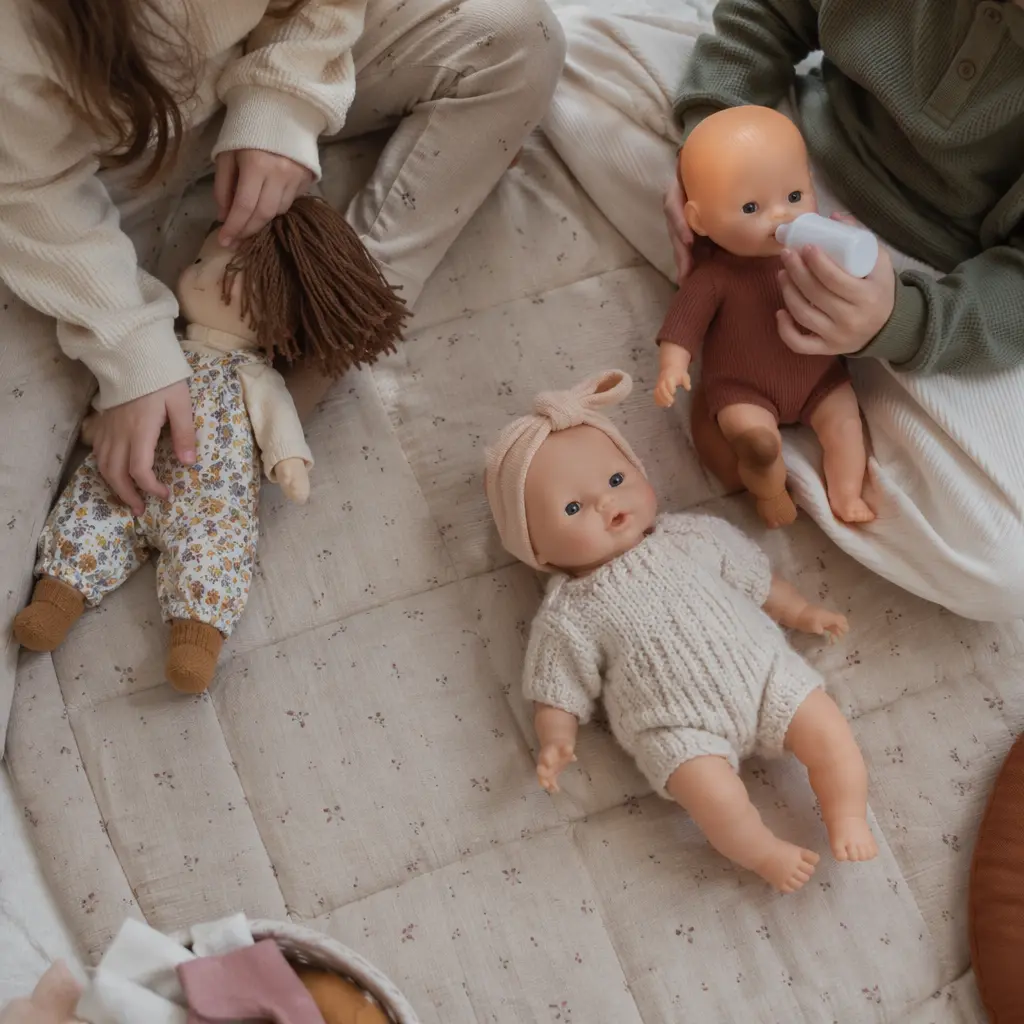
Interactive dolls generally fall into a few broad categories. Some focus on learning basics like letters, numbers, or songs. Others emphasize emotional interaction, responding with phrases or sounds when hugged or spoken to. These can be appealing for children who enjoy repetition and clear feedback.
Classic dolls, on the other hand, rely entirely on imagination. They do not prompt or respond, which encourages children to supply their own dialogue and storylines. Many parents find that these dolls grow with a child over time, while interactive features may feel less interesting once the novelty wears off. Households that already limit screen time or electronic toys may prefer classic options for balance.
Frequently asked questions
Do interactive dolls help with learning?
They can introduce songs, vocabulary, or routines, especially for children who enjoy audio cues. However, learning gains often depend on adult involvement and follow-up play, not the technology alone.
Will interactive dolls replace imaginative play?
Not necessarily, but some dolls are more scripted than others. If a toy talks constantly or corrects a child’s actions, it may limit open-ended storytelling compared with a silent doll.
Are they worth the higher price?
That depends on how often the features are used. Some families find the extra cost worthwhile for short-term engagement, while others prefer investing in simpler toys that last longer.
What happens if the electronics stop working?
If the doll still functions as a regular pretend-play toy, children may continue using it. If play depends entirely on sound or movement, interest may drop once features fail.
Interactive dolls can be a fun addition to a toy collection, but they are not a requirement for meaningful play. For ages 3–5, the best choice often balances engagement, durability, and how much freedom a toy gives a child to imagine. Whether interactive or classic, a doll that invites regular, child-led play is usually the one that earns a lasting place in the playroom.