Best First Dolls for Toddlers (No Electronics)
A parent-focused guide to choosing classic, non-electronic dolls for ages 1–2, with tips on safety, materials, age fit, and how simple dolls support early caregiving play.
Compare prices and availability
Check current prices and availability for this guide on eBay.
As an eBay Partner, we may be compensated if you make a purchase.
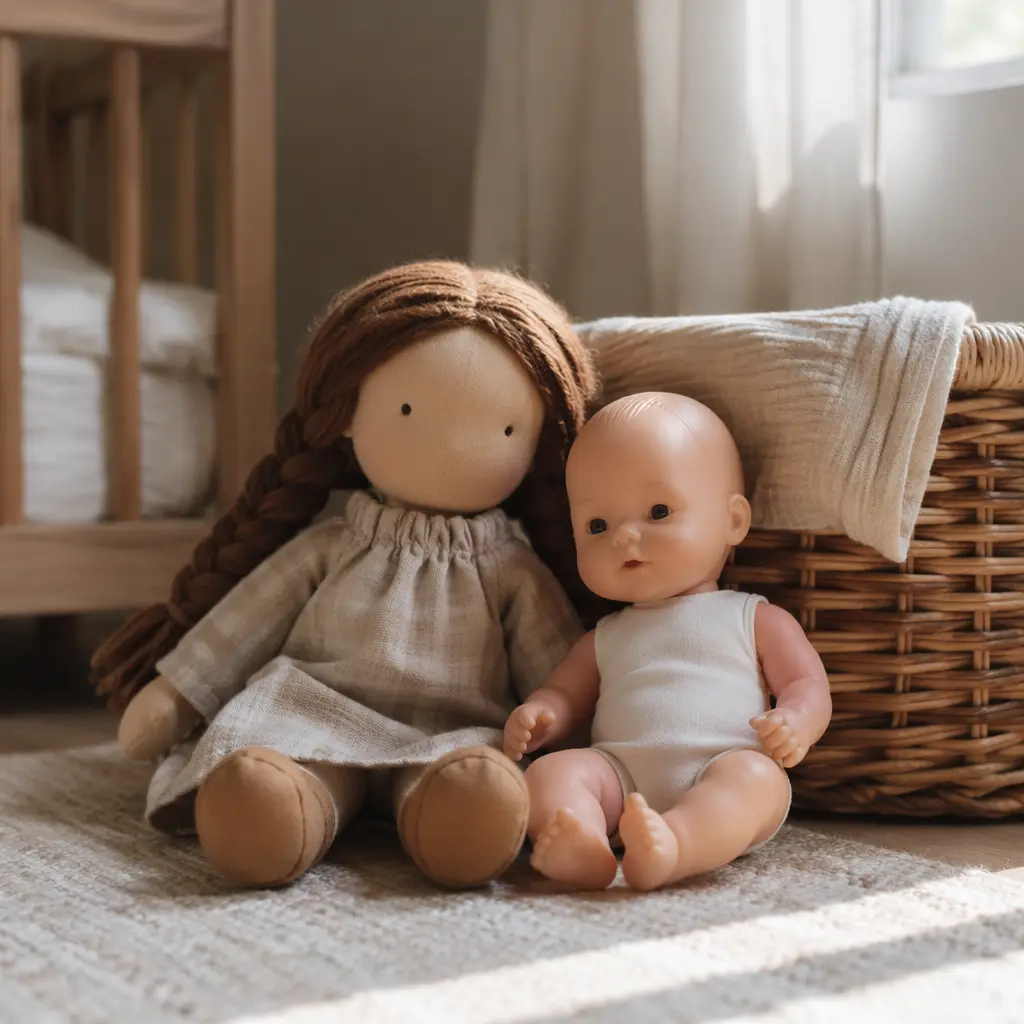
For toddlers, a first doll is less about features and more about familiarity. Simple, non-electronic dolls support early pretend play by letting children copy everyday routines they see at home—hugging, rocking, feeding, and putting a baby to sleep. Without buttons, screens, or sounds, classic dolls invite imagination and hands-on interaction at a pace that fits ages 1–2.
What to look for
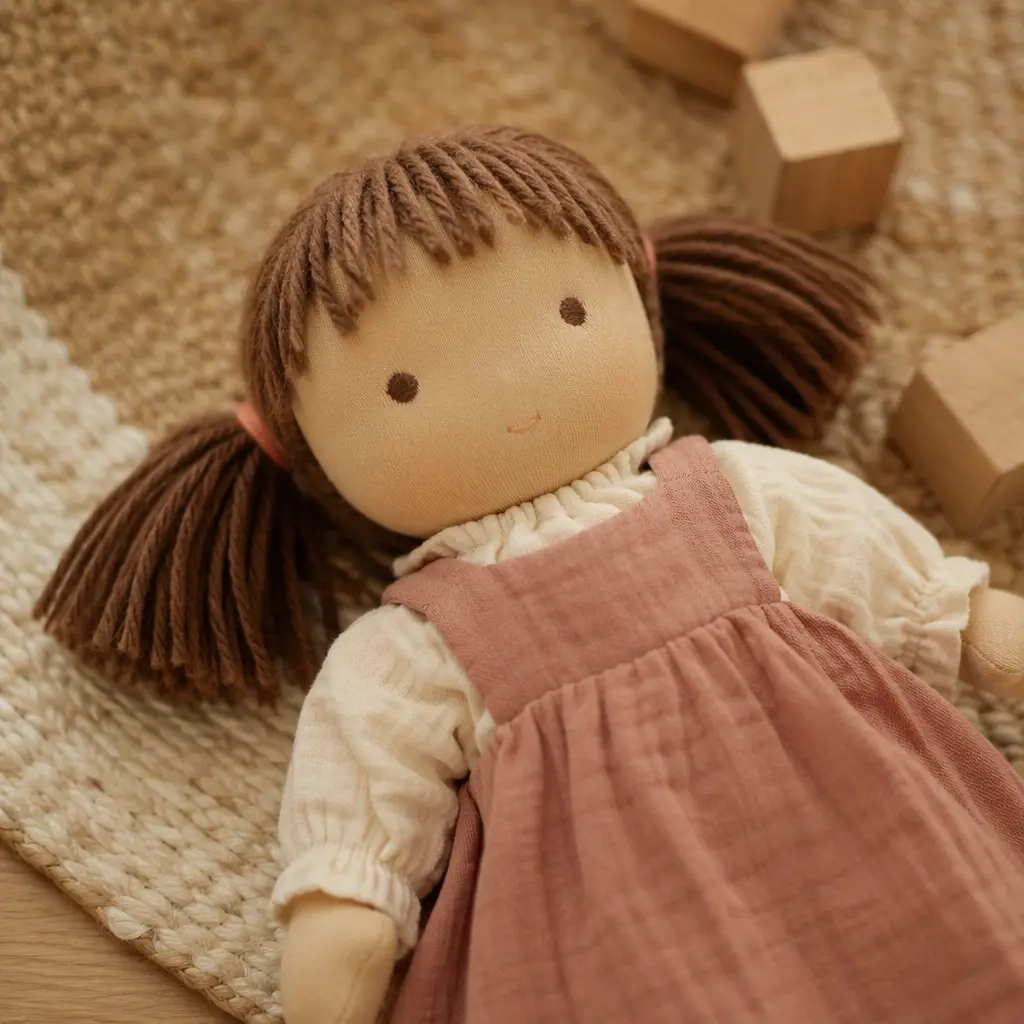
At this age, the best dolls are designed for safety, durability, and open-ended play. Details that matter to older children—outfits, accessories, or interactive features—are less important than how the doll feels in small hands and how well it holds up to daily use.
- Soft or smooth materials: Cloth bodies or gently contoured vinyl are easier for toddlers to hold and cuddle.
- Simple facial features: Minimal stitching or molded features reduce overstimulation and support imaginative play.
- Sturdy construction: Seams, limbs, and heads should feel secure when tugged or hugged.
- Washability: Machine-washable cloth dolls or wipe-clean surfaces make everyday messes easier to manage.
- No electronics: Dolls without batteries avoid loud noises, small components, and distraction-heavy play.
Age suitability
For children ages 1–2, dolls should be sized for carrying without strain and free from detachable parts. Many toddlers treat dolls as comfort objects as much as toys, so lightweight designs with soft textures are often a better fit than rigid or highly detailed dolls. Look for age labels that clearly state 12 months and up, and double-check that accessories—if included—are large enough to avoid choking risks.
Standout categories or types
Within the category of non-electronic dolls, a few styles tend to work especially well for toddlers. Each offers slightly different benefits depending on your child’s preferences and stage of development.
- Soft cloth dolls: Lightweight and cuddly, these are often favored for comfort and nap-time play.
- Simple baby dolls: With basic molded features, these encourage caregiving routines like rocking and pretend feeding.
- Ethnically diverse dolls: Dolls with varied skin tones help normalize diversity from an early age.
- Minimal outfit dolls: Clothing that is sewn on or very simple avoids frustration with tiny fasteners.
Frequently asked questions
Why choose a doll without electronics?
Non-electronic dolls encourage toddlers to create their own actions and sounds, which supports language development and imaginative thinking. They also avoid overstimulation and tend to be more durable over time.
Are dolls appropriate for all toddlers?
Yes. Dolls are a form of open-ended pretend play that can appeal to any child. They help toddlers practice empathy, routine, and self-expression, regardless of gender.
What size doll works best for a 1-year-old?
Smaller, lightweight dolls—generally under 14 inches—are easier for young toddlers to carry, hug, and maneuver without frustration.
Do toddlers need doll accessories?
Accessories are optional at this age. Simple items like a blanket can add interest, but too many pieces may overwhelm younger toddlers or create safety concerns.
A well-chosen first doll can become a familiar part of daily routines, from quiet play to bedtime wind-down. By focusing on simple design, safe materials, and age-appropriate sizing, parents can choose a classic doll that supports caregiving play without relying on lights, sounds, or screens.