Are Tech-Enhanced Dolls Worth It for Story Play?
Tech-enhanced dolls add sounds, apps, and interactivity, but do they help or hinder imaginative play? This guide compares electronic and classic dolls to help parents choose for ages 6–8.
Compare prices and availability
Check current prices and availability for this guide on eBay.
As an eBay Partner, we may be compensated if you make a purchase.
Dolls have always been a tool for storytelling, helping kids act out everyday life, fantasy adventures, and social situations. In recent years, tech-enhanced dolls—with sounds, sensors, or app connections—have joined traditional dolls on store shelves. For parents of 6–8-year-olds, the big question is whether these electronic features actually add to imaginative play or quietly take it over.
What to look for
When comparing tech-enhanced dolls to classic dolls, it helps to focus less on the feature list and more on how a child is likely to use the toy during free play. At ages 6–8, kids are developing more complex stories, longer play sessions, and stronger opinions about how their characters behave.
- Open-ended play value: Does the doll invite many kinds of stories, or does it repeat the same phrases and actions?
- Control balance: Can the child decide what happens, or does the doll’s programming lead the play?
- Durability: Electronics add parts that can break or stop working over time.
- Ease of use: Features should be intuitive, not distracting or frustrating.
- Quiet play options: Consider whether the doll can be used without sound or screens when needed.
Age suitability
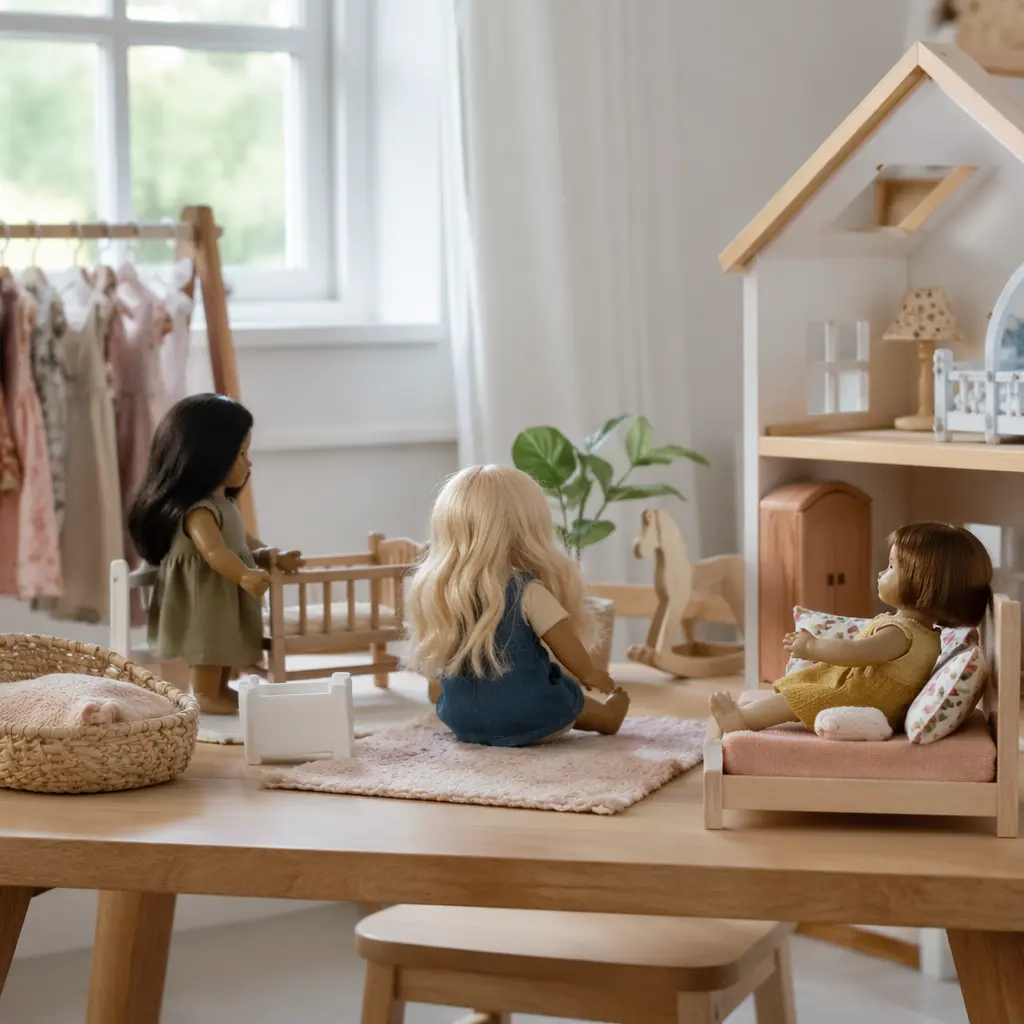
For children ages 6–8, imaginative play is often more sophisticated than it was in preschool years. Kids may create ongoing storylines, assign personalities to dolls, and reenact social situations from school or media. Classic dolls tend to fit naturally into this kind of play because they don’t impose a script. Tech-enhanced dolls can work well for this age too, but usually when the technology supports—not replaces—the child’s own ideas.
Standout categories or types
Tech-enhanced dolls vary widely in how much they rely on electronics. Some focus on light interactivity, while others are closer to digital companions. Understanding these differences can help match a doll to your child’s play style.
- Light-interaction dolls: These may include simple sounds or responses triggered by movement, often easiest to blend into imaginative play.
- Scripted-response dolls: Dolls that talk frequently or follow set routines can be entertaining but may limit creative storytelling.
- App-connected dolls: These extend play into digital space, which can be engaging but may shift focus away from hands-on imagination.
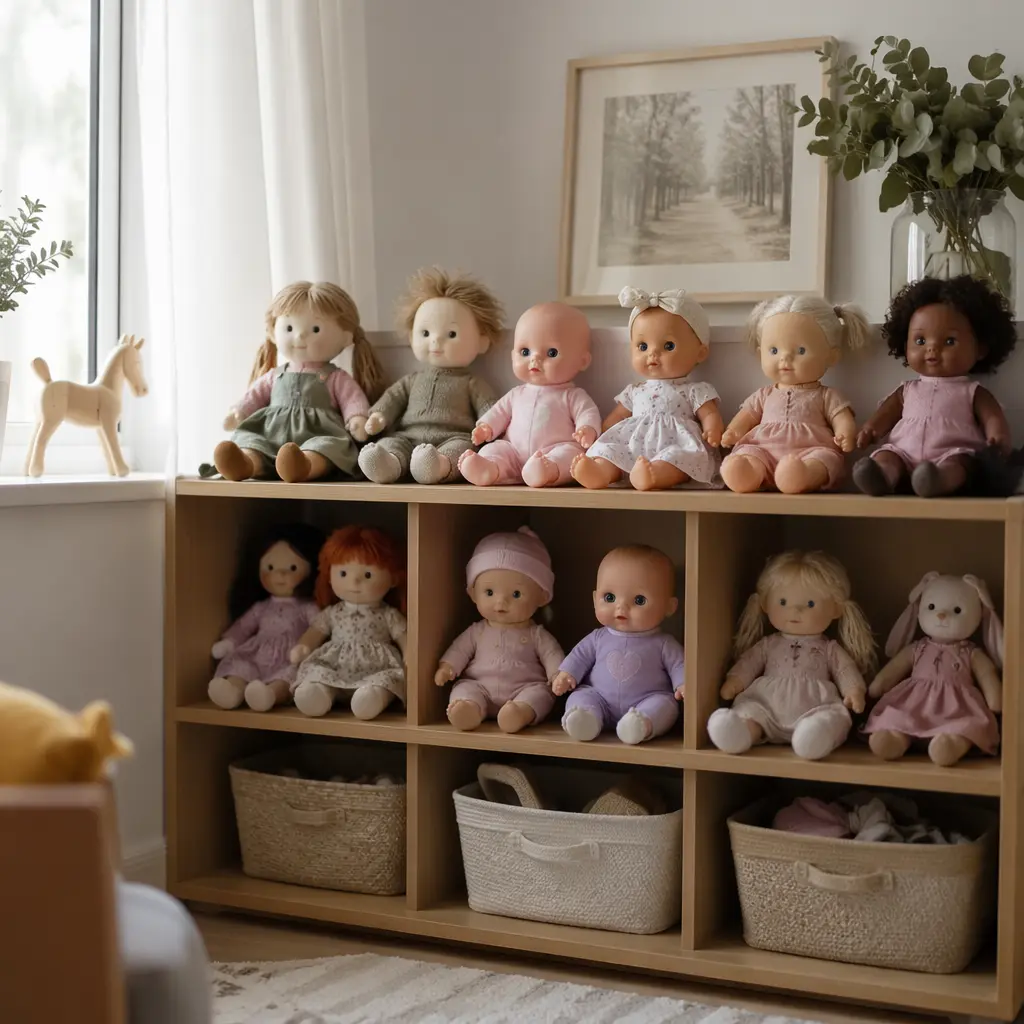
- Classic non-electronic dolls: No batteries, no scripts—just a blank slate for stories, often preferred for longer, self-directed play.
Frequently asked questions
Do tech-enhanced dolls improve imaginative play?
They can, but it depends on the design. Features that respond to a child’s actions can spark ideas, while overly specific dialogue or instructions may narrow the story instead of expanding it.
Are classic dolls better for creativity?
Classic dolls are often praised for creativity because they don’t guide the narrative. Children supply all the voices, actions, and outcomes, which can encourage deeper imaginative thinking.
Will electronic features get boring over time?
Repetitive sounds or limited responses can lose their appeal once a child has heard them many times. When that happens, the doll’s value depends on whether it still works well as a regular toy without the tech.
Can tech-enhanced dolls be used without screens?
Some can, but others rely heavily on apps. If screen-free play is a priority in your home, it’s worth checking how optional the digital components really are.
In the end, tech-enhanced dolls aren’t automatically better or worse than classic dolls for story play. For many families, the best choice comes down to how much freedom the doll gives the child to imagine, adapt, and tell their own stories—whether the doll talks back or stays quietly in character.