First Dolls That Encourage Caregiving Without Electronics
A buyer’s guide for parents seeking simple, non‑electronic dolls that support nurturing, imaginative play for preschoolers through open‑ended design and everyday routines.
Compare prices and availability
Check current prices and availability for this guide on eBay.
As an eBay Partner, we may be compensated if you make a purchase.
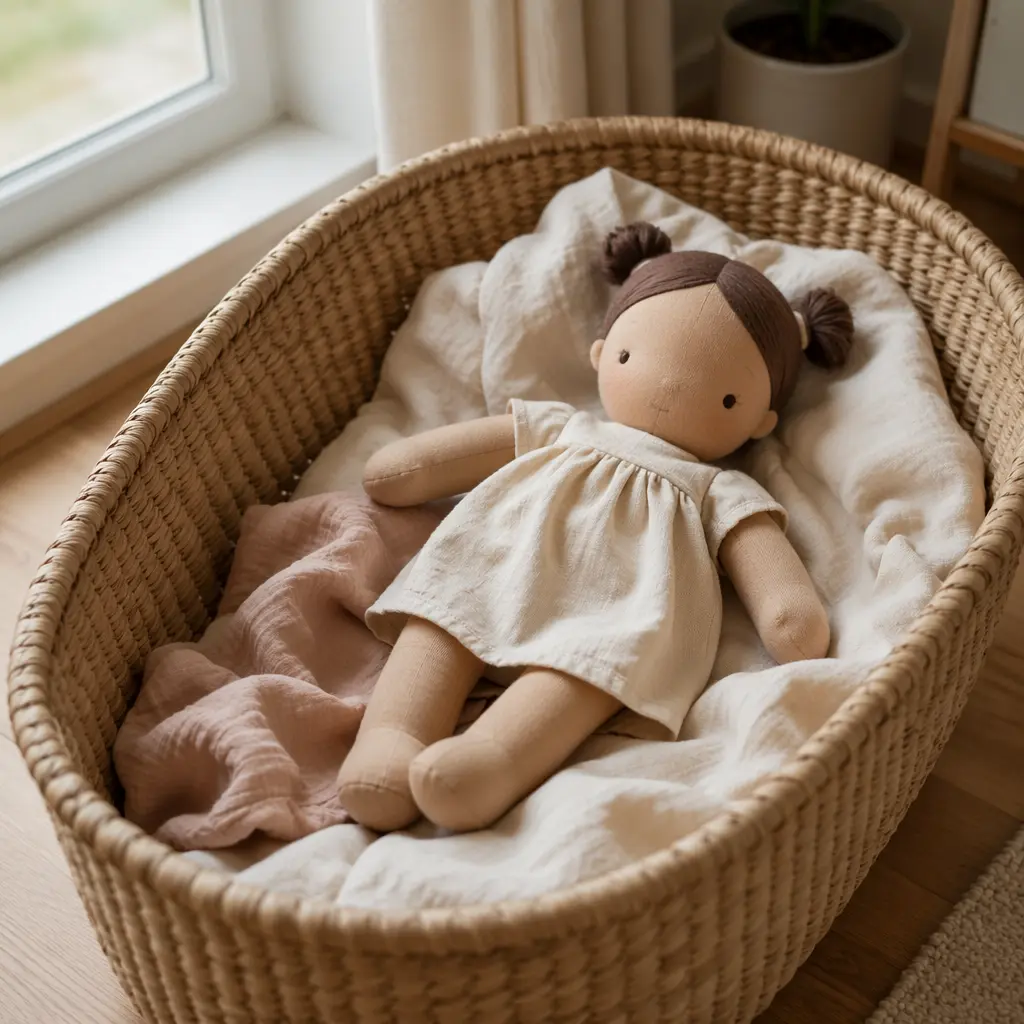
For many preschoolers, dolls are more than toys. They are tools for practicing empathy, responsibility, and everyday caregiving routines. Simple dolls without lights, sounds, or screens invite children ages 3–5 to lead the play themselves, using imagination rather than prompts. This guide explains what to look for when choosing a first doll that encourages nurturing play in a calm, developmentally supportive way.
What to look for
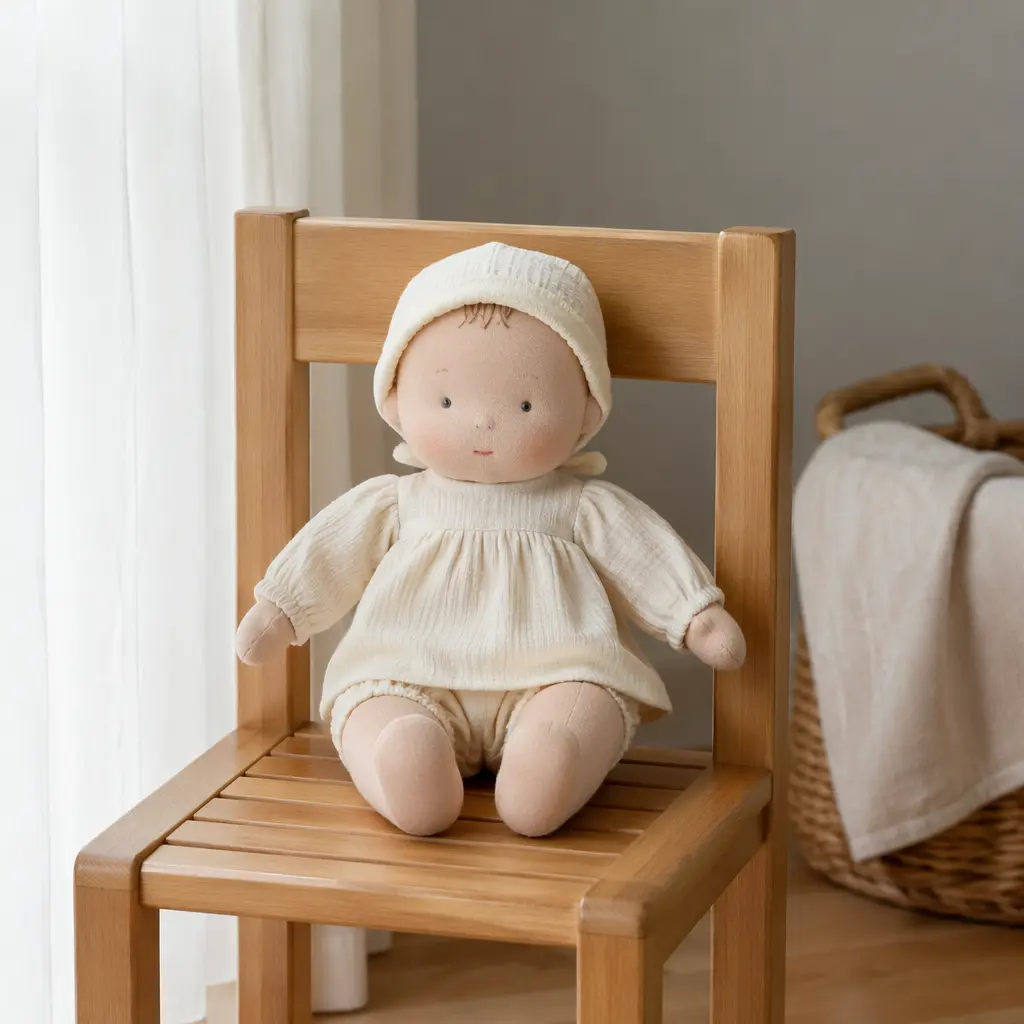
Non-electronic caregiving dolls are designed to be simple on purpose. Instead of entertaining the child, they respond to the child’s ideas and actions. When comparing options, focus on features that support open-ended, hands-on play and everyday care routines.
- Soft, huggable body that feels comforting and is easy to carry
- Neutral facial expression that allows children to project emotions
- Washable materials for real-life spills and frequent handling
- Clothing that can be put on and taken off to practice fine motor skills
- Durable stitching and seams that hold up to daily play
- Simple design without batteries, buttons, or preset sounds
Age suitability
For children ages 3–5, dolls should balance realism with simplicity. At this stage, children begin acting out familiar routines such as feeding, comforting, and bedtime. A doll that is lightweight and sized for small arms makes these activities feel manageable and rewarding. Avoid overly detailed or fragile features, which can distract from play or break easily. Simple proportions and soft materials support longer, more focused play sessions as children create their own caregiving stories.
Standout categories or types
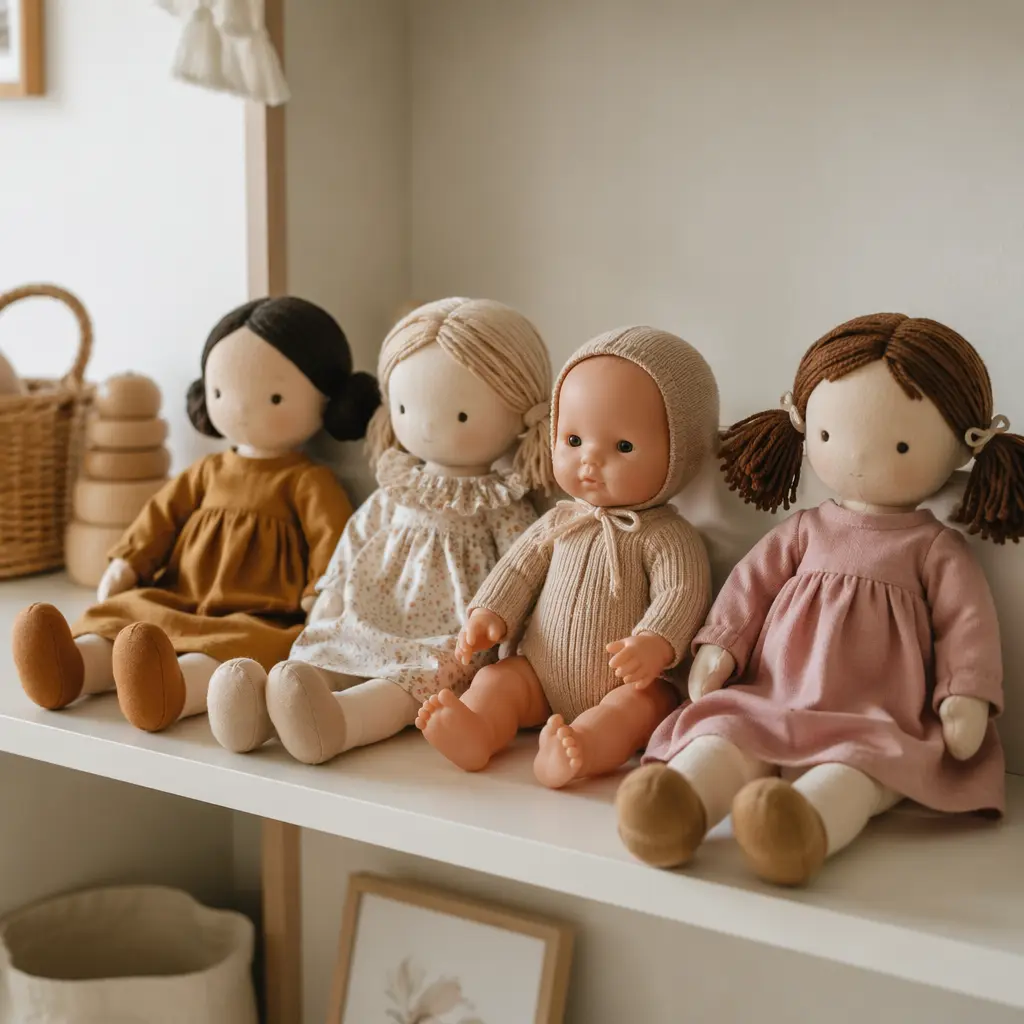
Within the category of non-electronic dolls, several types stand out for nurturing play. Each offers a slightly different experience, depending on how a child prefers to interact and imagine.
- Soft-bodied baby dolls: Often the most comforting choice, these encourage cuddling, rocking, and pretend sleeping routines.
- Cloth dolls: Lightweight and flexible, they are easy for preschoolers to dress and carry, supporting independent play.
- Simple vinyl dolls: With smooth surfaces and minimal features, these work well for bath-time or outdoor pretend play when materials are water-friendly.
- Dolls with basic accessories: Items like blankets or simple clothing can extend caregiving scenarios without overwhelming the child.
Frequently asked questions
Why choose a non-electronic doll instead of an interactive one?
Non-electronic dolls leave the storytelling to the child. Without sounds or automated responses, children practice language, empathy, and problem-solving by inventing scenarios themselves. This type of play supports social-emotional development and can be calmer and less distracting than electronic options.
Do simple dolls still hold a child’s interest?
Yes. Many children return to simple dolls over months or even years because the play evolves as they grow. A doll that once needed feeding may later attend pretend school or join imaginative family stories, adapting to the child’s changing ideas.
What materials are best for preschool-aged children?
Soft fabrics, cotton blends, and smooth vinyl are common choices. Look for materials labeled as washable or easy to clean. Breathable, non-irritating fabrics are especially important for children who like to cuddle or carry dolls throughout the day.
Should a first doll look realistic?
Some realism can help children connect doll play to real-life caregiving, but extreme detail is not required. Many experts note that simpler facial features allow children to imagine a wider range of emotions, which can deepen pretend play.
Choosing a first caregiving doll without electronics is about supporting imagination, empathy, and everyday routines. By focusing on simple design, safe materials, and age-appropriate size, parents can select a doll that fits naturally into preschool play and encourages gentle, nurturing experiences that grow with the child.