Are Cheap Dollhouses Still Good for Imaginative Play?
A parent-friendly look at whether low-cost dollhouses still support rich storytelling compared with modern versions, with tips on features, age fit, and safety for kids ages 6–8.
Compare prices and availability
Check current prices and availability for this guide on eBay.
As an eBay Partner, we may be compensated if you make a purchase.
Parents often wonder if inexpensive dollhouses can still spark the same imaginative play as newer, feature-packed versions. For children ages 6–8, storytelling and role-play matter more than price tags or electronics. This guide compares classic low-cost dollhouses with modern options, focusing on how each supports creativity, durability, and long-term play value.
What to look for
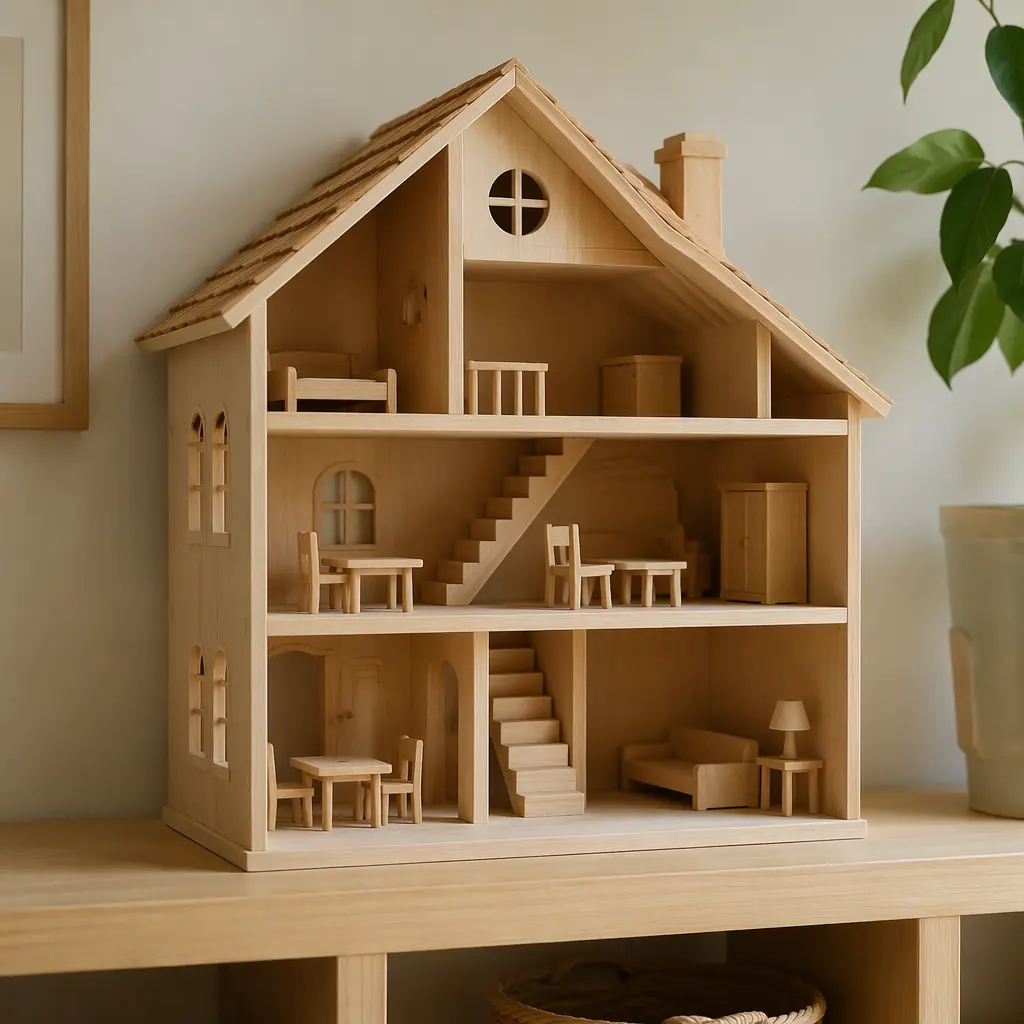
Whether a dollhouse is budget-friendly or more modern, a few core features make the biggest difference for imaginative play. Kids in this age range tend to invent stories, rearrange spaces, and use dolls as characters rather than rely on built-in actions.
- Open-ended layout: Rooms that are easy to access encourage kids to move pieces and change storylines.
- Sturdy construction: Thicker cardboard, solid wood, or well-made plastic holds up better to repeated play.
- Neutral design: Simple colors and fewer molded details leave more room for imagination.
- Compatible scale: Furniture and figures should fit comfortably without limiting movement.
- Room for growth: Extra space or add-on potential helps the toy stay interesting over time.
Age suitability
For ages 6–8, dollhouses shift from simple pretend scenes to more complex storytelling. Children often create ongoing narratives, assign personalities to characters, and redesign rooms to match new ideas. Low-cost dollhouses can work well at this stage if they are large enough for hands to maneuver pieces and durable enough for frequent use. Overly small or fragile sets may frustrate kids, while overly detailed houses can limit creativity by defining how play should look.
Standout categories or types
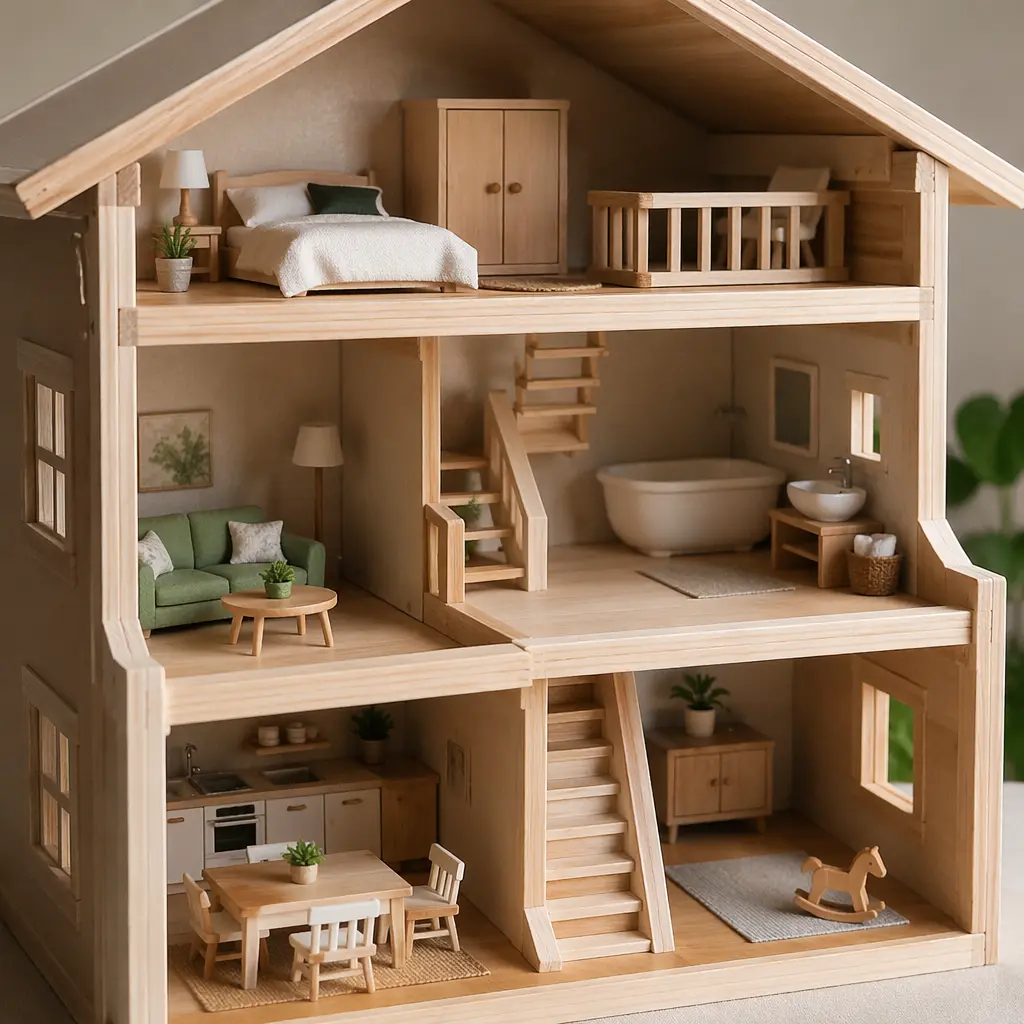
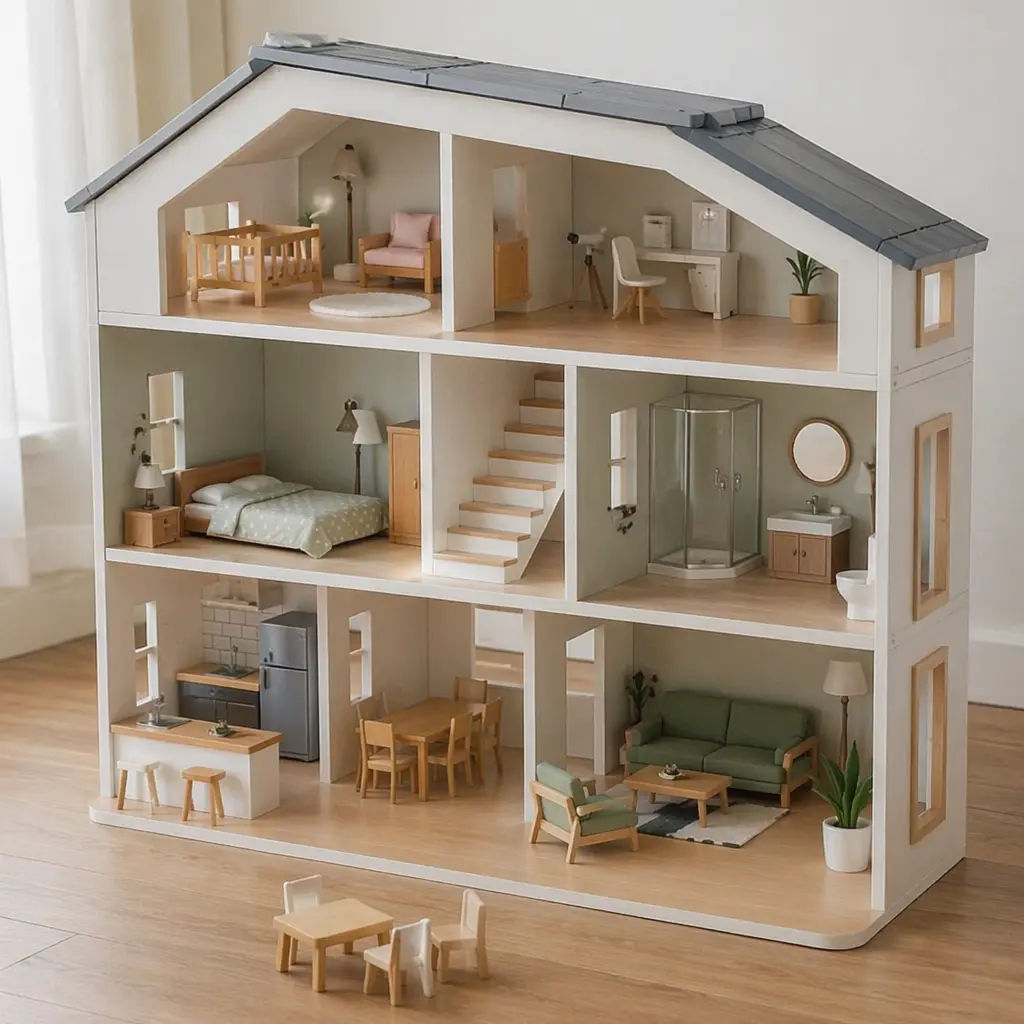
Classic low-cost dollhouses are often made from wood or heavy cardboard and focus on basic room layouts. Their simplicity can be a strength, giving kids freedom to decide who lives there and what happens next. Modern dollhouses, even at lower price points, may include brighter colors, themed rooms, or modular pieces that snap together.
- Traditional open-back houses: Easy access and simple rooms support free-form play.
- Fold-out or portable houses: Useful for smaller spaces and quick setup, though sometimes less sturdy.
- Modular or stackable houses: Allow kids to reconfigure layouts, adding variety without electronics.
- Decor-focused houses: More visual detail, which some kids enjoy, but may guide stories more narrowly.
Frequently asked questions
Do cheaper dollhouses limit creativity?
Not necessarily. In many cases, fewer built-in features mean children invent more of the story themselves. A simple house can become many different settings depending on the day.
Are modern dollhouses better because they have more details?
Details can be fun, but they are not required for imaginative play. Some children enjoy themed rooms, while others prefer blank spaces they can redefine repeatedly.
How long will a low-cost dollhouse stay interesting?
Interest often depends on flexibility. Houses that allow furniture to move and characters to interact in different ways tend to last longer, regardless of price.
What materials hold up best for this age group?
Wood and thicker plastics usually last longer than thin cardboard, especially for kids who play daily or invite friends to join.
In the end, cheap dollhouses can still be very good for imaginative play when they focus on space, durability, and flexibility. For children ages 6–8, storytelling comes from their ideas, not the price of the toy. Choosing a house that invites change and creativity is often more important than choosing the newest or most detailed option.