Outdoor Toys That Spark Imaginative Play (No Batteries)
A parent-focused guide to outdoor toys that invite kids to invent their own games. Learn what to look for, age fit, and standout categories that encourage creativity—no batteries required.
Compare prices and availability
Check current prices and availability for this guide on eBay.
As an eBay Partner, we may be compensated if you make a purchase.
Some of the best outdoor toys don’t tell kids what to do. Instead, they invite children to invent rules, build worlds, and change the game as they go. Battery-free play gear—think open-ended, flexible pieces—can work across ages, adapt to different spaces, and stay interesting long after the first day. This guide focuses on outdoor toys that spark imagination and movement without screens, sounds, or preset outcomes.
What to look for
Open-ended outdoor toys share a few traits that make them easy for kids to turn into their own games. Rather than focusing on a single activity, look for pieces that can be combined, repurposed, or scaled up or down depending on who’s playing.
- Flexible use: Items that can be stacked, thrown, dragged, drawn with, or rearranged in many ways.
- Durable materials: Sturdy plastics, wood, rubber, or fabric that can handle weather and rough play.
- Simple design: Fewer built-in rules leave more room for imagination.
- Easy storage: Lightweight or stackable pieces that don’t take over the garage or yard.
- Group-friendly: Toys that work for solo play but also shine with siblings or friends.
Age suitability
One advantage of loose, battery-free outdoor toys is their wide age range. Younger children may focus on basic actions like carrying, stacking, or scribbling lines on the ground. Older kids often layer in rules, competition, or storytelling. When shopping, check for small parts or weight limits, but don’t be surprised if the same set of items gets used differently over the years. Choosing neutral colors and simple shapes can also help toys feel “grow-with-me” rather than babyish.
Standout categories or types
While many battery-free toys overlap in how they’re used, a few categories consistently inspire kids to make up their own games. Mixing items from different categories often leads to the most creative play.
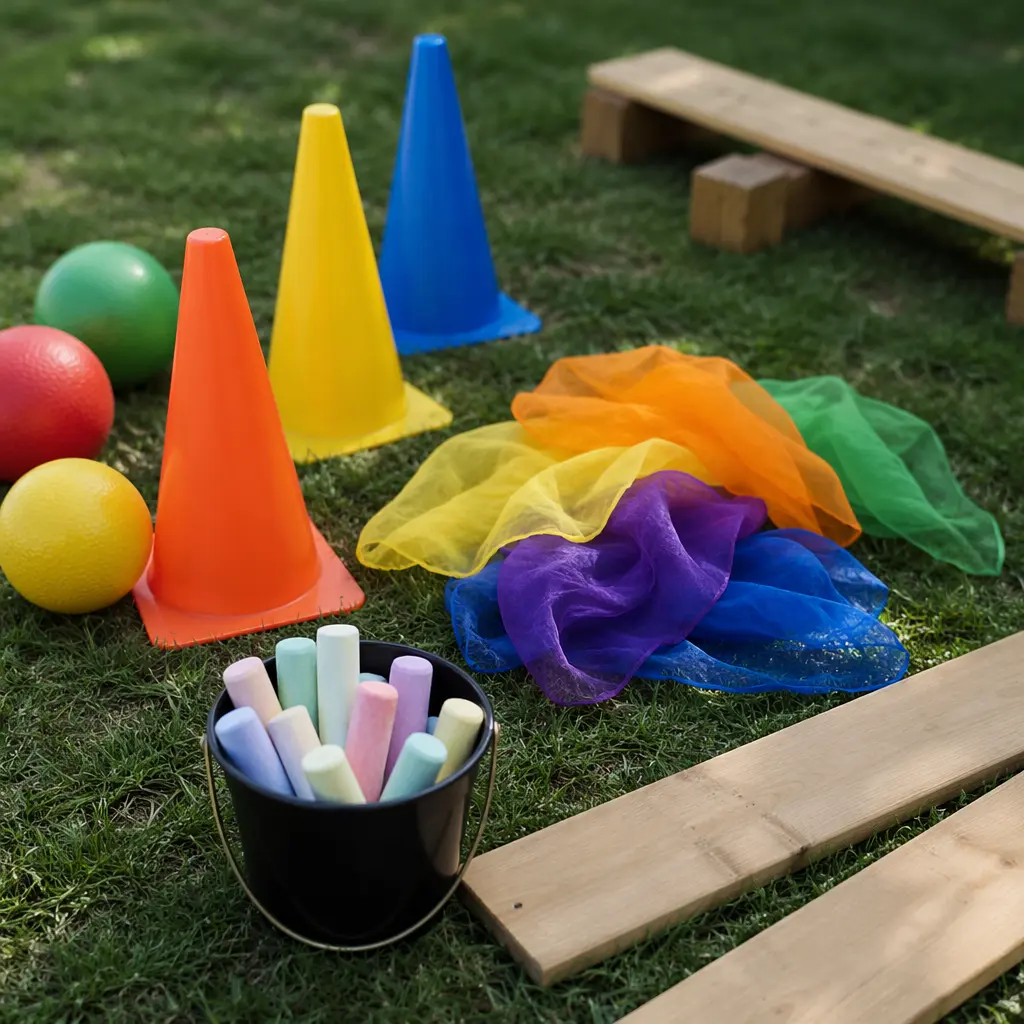
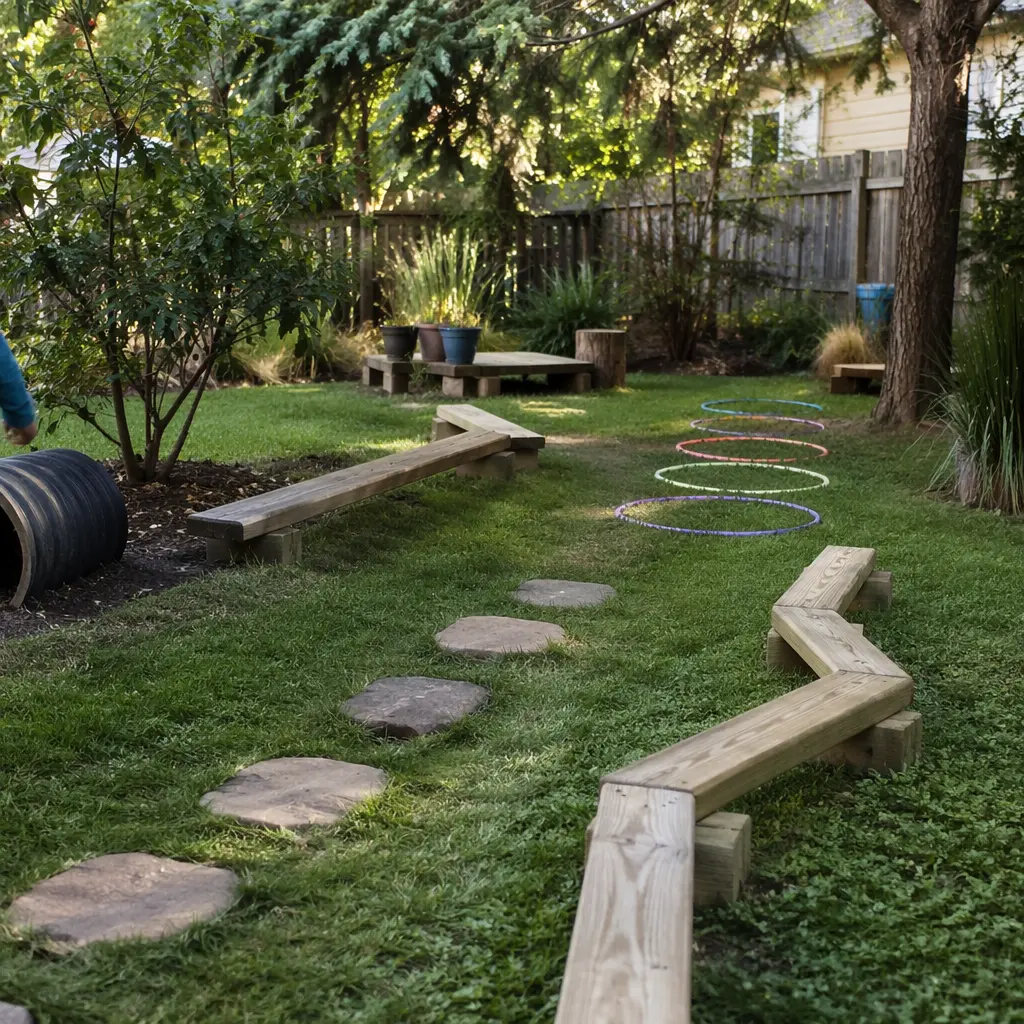
- Build-and-balance pieces: Planks, blocks, or stepping stones that become bridges, obstacle courses, or imaginary landscapes.
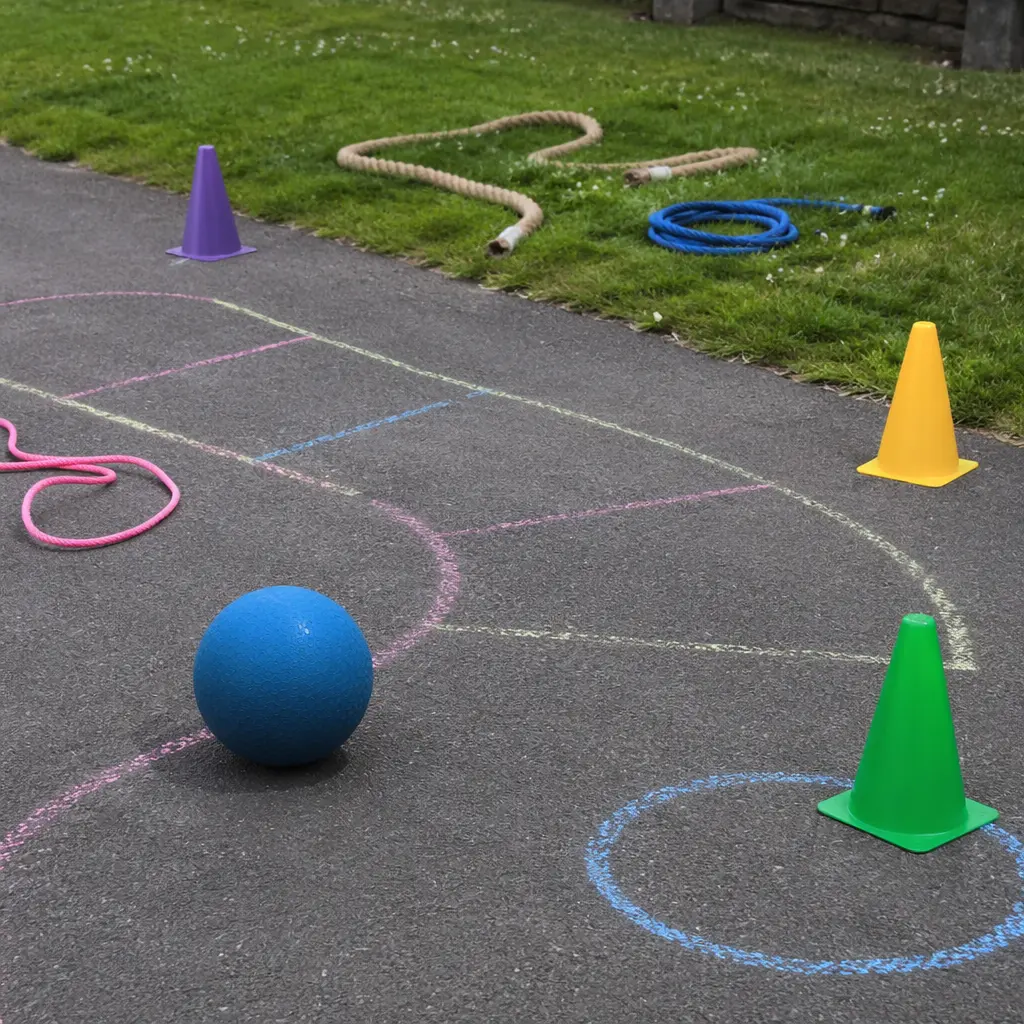
- Mark-and-draw tools: Outdoor chalk or washable markers that let kids design courts, maps, or hop paths right on the ground.
- Throw-and-roll basics: Balls, rings, or beanbag-style items that can be targets, projectiles, or game tokens.
- Moveable markers: Cones, flags, or posts that define goals, boundaries, or bases for new games.
- Imaginative props: Fabric pieces, scarves, or lightweight crates that turn into costumes, shelters, or vehicles.
Frequently asked questions
Do open-ended outdoor toys really hold kids’ attention?
They can, especially over time. Because these toys don’t have a single right way to play, kids often return to them with new ideas. Interest may come in waves, but the flexibility helps prevent quick burnout.
How many pieces are enough?
A small set is often sufficient. A few well-chosen items can be combined in dozens of ways. It’s usually better to start simple and add pieces later than to overwhelm kids with too many options at once.
Are these toys suitable for small yards or driveways?
Yes. Many open-ended toys work in compact spaces because they’re rearrangeable. Chalk games, cones, or balance pieces can be scaled to fit a driveway, patio, or shared outdoor area.
What about mixing ages?
This is where open-ended play shines. Younger kids can focus on simple movement, while older kids add rules or challenges. Look for items without strict age labels to encourage cooperative play.
Outdoor toys that don’t rely on batteries often become the backdrop for childhood memories rather than the main event. By choosing flexible, durable pieces, parents can support active, imaginative play that adapts to changing interests, spaces, and ages—no charging required.