My Buddy and the Changing Image of Boys' Play
Launched in 1985, My Buddy turned the companion doll into a mainstream toy for boys, reflecting changing ideas about caregiving, friendship, and pretend play in the toy aisle.
Compare prices and availability
Check current prices and availability for this guide on eBay.
As an eBay Partner, we may be compensated if you make a purchase.
Few toys from the 1980s captured a cultural shift quite like My Buddy. At first glance, it was a simple soft doll designed for hugs, pretend adventures, and bedtime companionship. What made it stand out was who it was marketed to. In an era when many toy aisles still divided products sharply between boys and girls, My Buddy presented a different idea: boys could enjoy nurturing play, emotional attachment, and imaginative role-playing without giving up the sense of action and independence that toy advertising often pushed. The result was one of the decade’s most recognizable companion dolls, remembered as much for what it represented as for the toy itself.
Where it came from
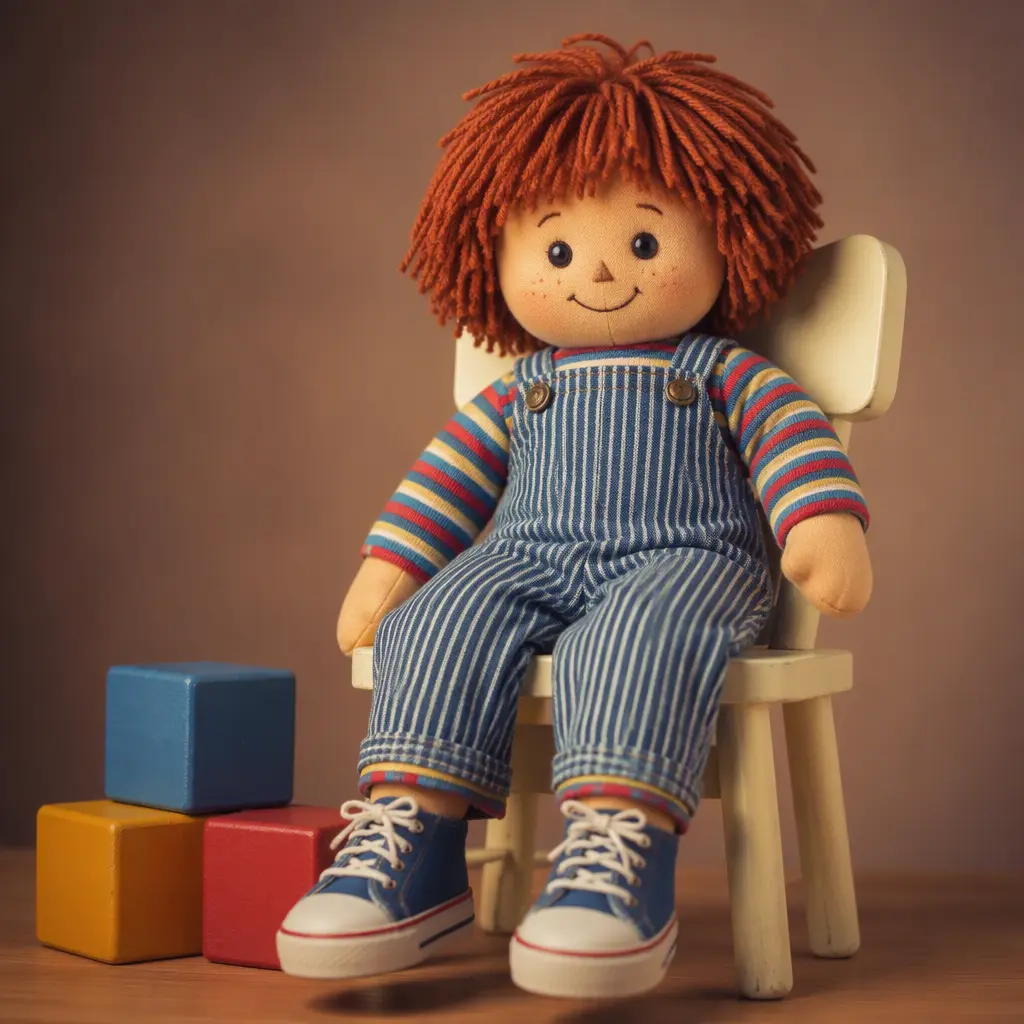
My Buddy was introduced in 1985 by toy company Hasbro during a period when the toy industry was rapidly expanding its television marketing. Companion dolls had long been associated with girls, but manufacturers were beginning to test broader approaches to pretend play. My Buddy was designed as a child-sized soft doll with a friendly face, casual clothes, and an approachable look that felt more like a playmate than a baby doll.
Advertising played a major role in the toy’s identity. Television commercials emphasized friendship, outdoor adventures, and shared activities instead of caregiving alone. The message was subtle but important: this was not presented as a toy that replaced rough-and-tumble play, but one that could exist alongside it. The success of My Buddy reflected a growing recognition that boys often enjoyed storytelling, nurturing, and emotional play patterns too. A companion line aimed at girls soon followed, but My Buddy remained the more culturally notable release because it challenged expectations in the boys’ aisle.
Why it works
Part of My Buddy’s appeal came from its scale and softness. Unlike smaller action figures or rigid dolls, it was large enough to carry around like a real companion. The plush body made it suitable for hugging, while the bright clothing and oversized features gave it a friendly, approachable appearance. It was designed to feel durable and casual rather than delicate, which helped widen its appeal among children who might not otherwise have shown interest in dolls.
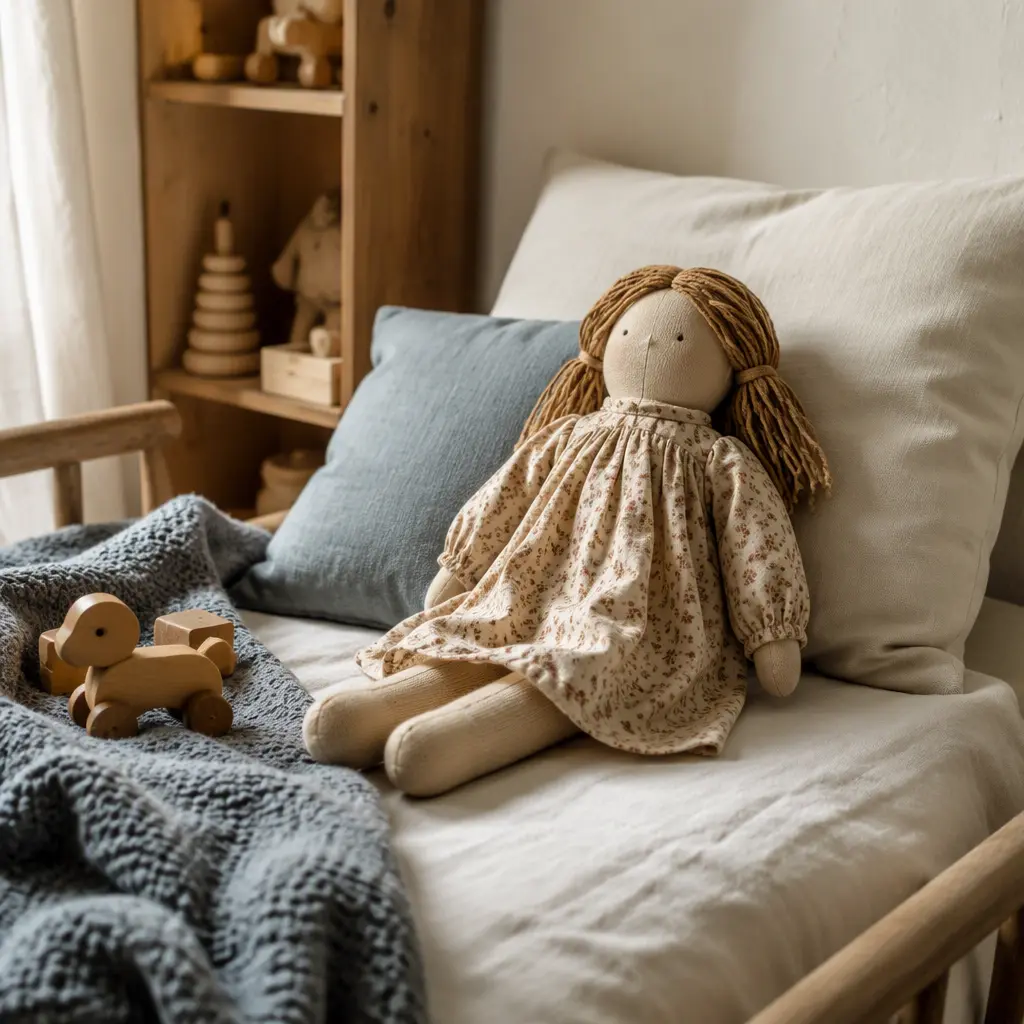
The toy also succeeded because it left room for open-ended imagination. My Buddy was not tied to a detailed fictional universe, complicated accessories, or a strict storyline. Children could project almost any role onto it: teammate, sibling, travel companion, secret agent, or bedtime comfort object. That flexibility helped it survive beyond a short fad cycle and made it memorable to many adults who grew up in the 1980s.
- Soft cloth body designed for cuddling and carrying
- Child-sized proportions that encouraged companion-style play
- Simple facial features and bright clothing for broad appeal
- Open-ended play without a complicated backstory
- Durable construction compared with many fashion dolls of the era
Who it's for
Originally marketed to young boys, My Buddy appealed most strongly to children in the preschool and early elementary age range. The toy worked well for imaginative play, bedtime comfort, and social role-playing. Parents often appreciated that it encouraged empathy and storytelling without relying on electronics or competitive gameplay. Today, the toy also attracts adult collectors interested in 1980s nostalgia, toy history, or changing attitudes toward gendered marketing. Vintage examples are commonly displayed alongside other classic toys from the decade because they represent a moment when the mainstream toy industry cautiously began broadening ideas about who certain toys were “for.”
Variants and what to look for today
Original My Buddy dolls from the mid-1980s are still widely remembered, but condition varies significantly because these toys were often heavily played with. Yarn hair, fabric overalls, shoes, and stitched features tend to show wear over time. Collectors generally look for clean fabric, intact stitching, and original clothing pieces, though many surviving dolls have replacement items or signs of repair.
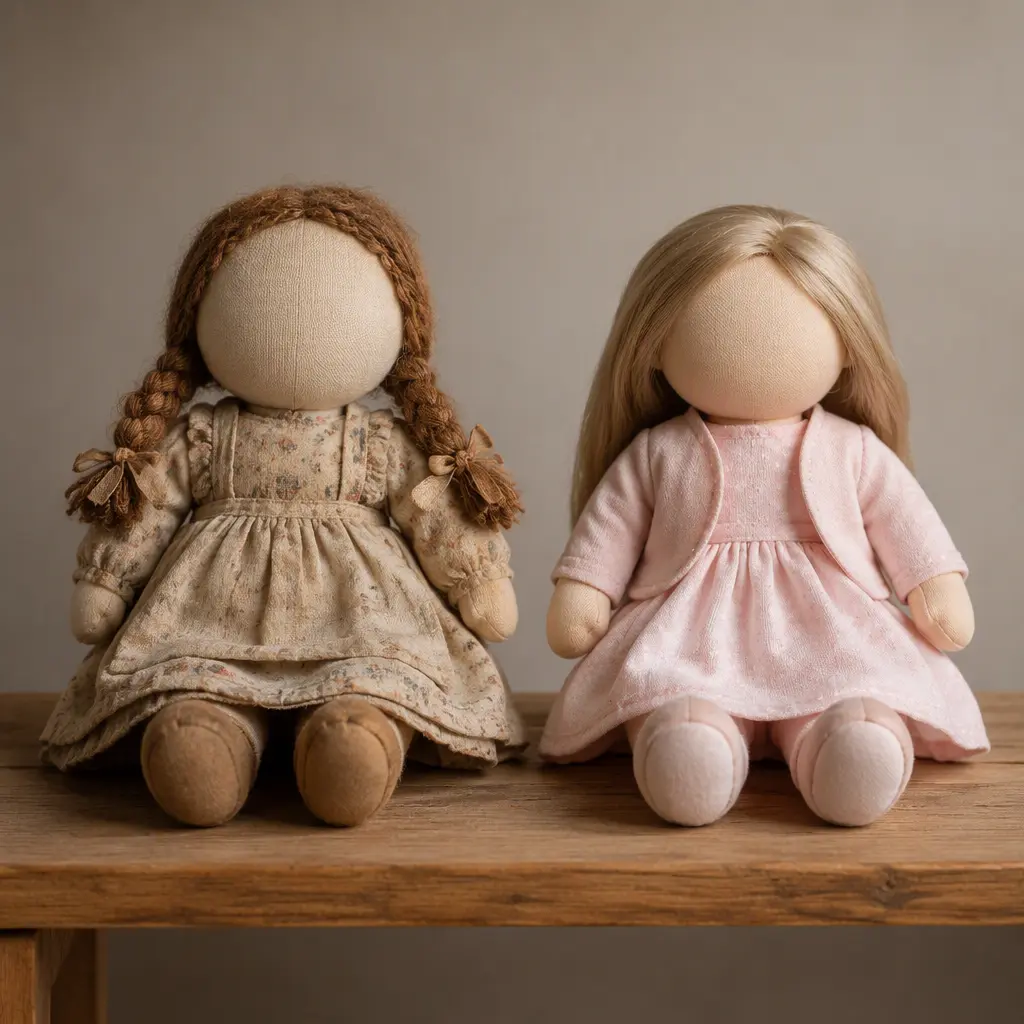
Modern buyers will mostly encounter vintage secondhand examples, reproduction-inspired companion dolls, or generic plush dolls influenced by the same design language. Because soft dolls were produced by multiple manufacturers during the 1980s toy boom, it is common to see lookalikes with similar proportions and clothing styles. Buyers interested in nostalgia often focus more on overall condition and authenticity of materials than on packaging.
- Check fabric seams and stitching for loose areas or repairs
- Look for original-style overalls, shoes, and yarn hair
- Expect fading or fabric wear on heavily used vintage dolls
- Be cautious of modern replicas sold as originals
- Stored examples usually age better than attic or garage finds
Frequently asked questions
Was My Buddy considered controversial at the time?
Not broadly controversial, but it did attract attention because it challenged common toy marketing assumptions. Some parents welcomed the idea immediately, while others still associated dolls mainly with girls. The toy is now often discussed as an example of changing attitudes toward boys and emotional play.
Was My Buddy related to action figures?
No. While it was marketed toward boys, My Buddy was fundamentally a soft companion doll rather than an action-oriented figure. Its focus was comfort, imaginative storytelling, and friendship rather than battles or collectability.
Why do adults still remember it so clearly?
The advertising campaign was memorable, but the toy also stood out because it felt unusual for its era. Many adults remember carrying the doll around, sleeping beside it, or treating it like a companion during imaginative play. Nostalgia for 1980s toy culture has also kept the brand visible.
Are vintage My Buddy dolls valuable?
Values depend heavily on condition, completeness, and packaging. Most surviving dolls are appreciated more as nostalgic keepsakes than as rare collectibles, though especially clean examples with original accessories tend to attract stronger interest from collectors.
Nearly four decades after its debut, My Buddy remains an important snapshot of how toys both reflect and influence culture. Its design was simple, but its message was larger than the doll itself. By treating companionship and emotional play as something boys could openly enjoy, My Buddy quietly helped expand the definition of what mainstream childhood play could look like in the 1980s and beyond.