Rainbow High: Fashion Dolls Built Around Color Identity
Rainbow High arrived in 2020 with a simple idea: each doll represents a distinct color world. The fashion-focused line blended collectible styling, social-media appeal, and detailed outfits to stand out in a crowded doll aisle.
Compare prices and availability
Check current prices and availability for this guide on eBay.
As an eBay Partner, we may be compensated if you make a purchase.
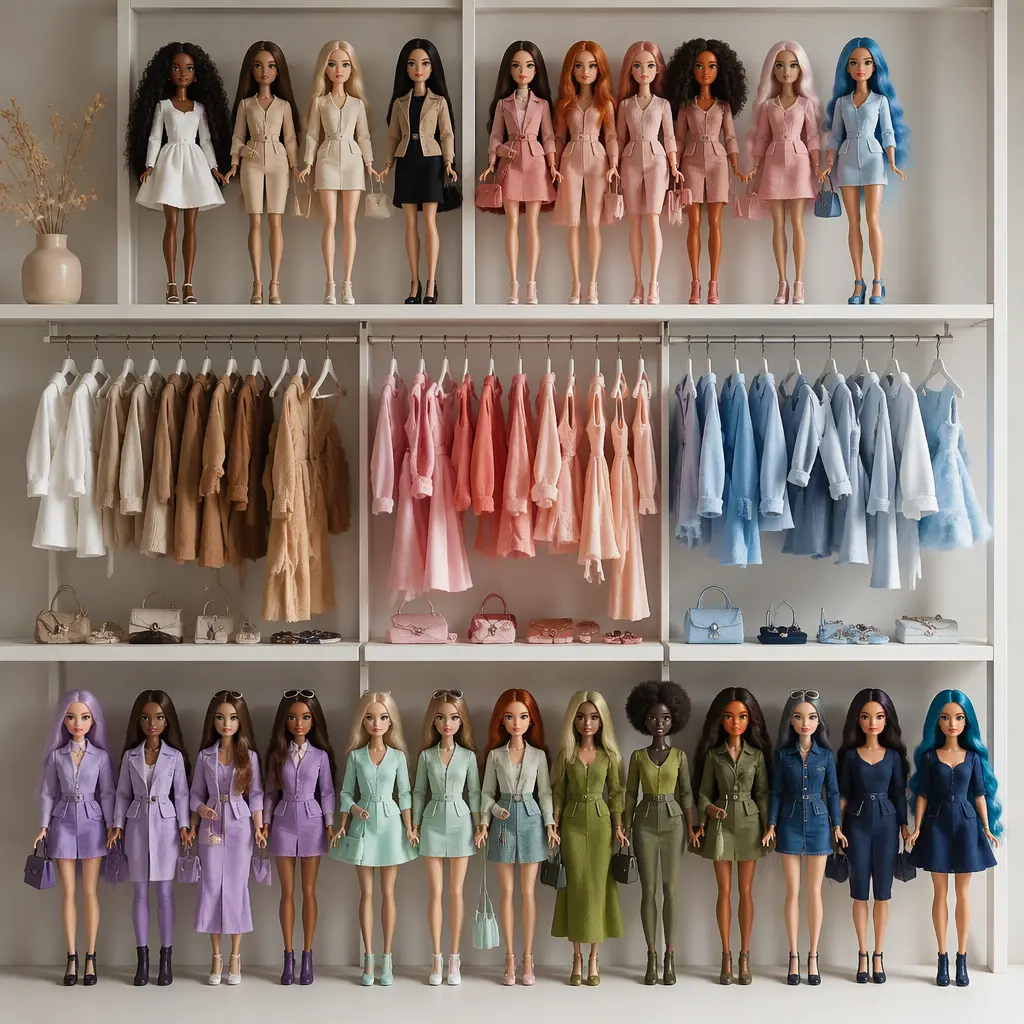
Rainbow High entered the doll market at a moment when fashion dolls were competing not just with each other, but with social media aesthetics, unboxing culture, and collector-driven fandoms. Introduced in 2020, the line stood out by organizing its characters around bold color identities. Each doll represented a signature shade, reflected in hair color, wardrobe, makeup styling, packaging, and accessories. That visual consistency made the dolls easy to recognize on store shelves and easy to display at home, whether they were being played with by children or arranged by adult collectors.
Where it came from
Rainbow High was launched by MGA Entertainment in 2020 as an expansion of the company’s growing interest in fashion-forward dolls with strong visual branding. The line emerged after years of renewed interest in dolls as collectible lifestyle products, especially among older children and online hobby communities. While earlier fashion dolls often centered on careers, fantasy themes, or celebrity influence, Rainbow High focused heavily on design-school-inspired fashion and coordinated color styling.
The original concept framed the characters as students at an elite visual arts school, with each doll connected to a specific creative discipline such as fashion design, music, photography, or digital media. That school setting gave the brand a built-in narrative structure while still allowing each release to function independently. The dolls quickly became recognizable for their rooted eyelashes, highly detailed clothing, articulated bodies, and packaging designed for display as much as play.
Why it works
The core appeal of Rainbow High is surprisingly straightforward: color organization is satisfying. By assigning every character a dedicated palette, the line created an instantly understandable collecting system. A child might choose a favorite shade, while collectors often grouped dolls into full rainbow arrangements. The design language made even large releases feel visually coherent instead of overwhelming.
The dolls also arrived during a period when toy photography, room displays, and online collection videos were becoming part of the hobby itself. Rainbow High leaned into that culture with layered outfits, fabric textures, garment bags, hangers, and accessories that looked more detailed than many mass-market dolls of the same period. Their articulation supported posing for photos and stop-motion videos, while the fashion emphasis encouraged mixing and matching pieces across characters.
- Distinct color-themed identities for each character
- Detailed layered clothing with visible stitching and textures
- Articulated bodies designed for posing and display
- Rooted hair and stylized makeup aimed at fashion-focused presentation
- Packaging and accessories designed to support collecting culture
Who it's for
Rainbow High is primarily aimed at school-age children who enjoy fashion play, hairstyling, and collecting, but the line also developed a strong adult audience unusually quickly. Some collectors are interested in customizing outfits and hairstyles, while others enjoy arranging the dolls as coordinated displays. Because the dolls contain small accessories and delicate clothing details, they tend to work best for children who are comfortable keeping track of smaller parts. Older kids and teens often connect with the design-school theme and social-media-ready presentation, while adult collectors are usually drawn to the color organization and fashion detail.
Variants and what to look for today
Since launch, Rainbow High has expanded into multiple sub-lines and companion collections. Some releases emphasize high-fashion runway styling, while others focus on fantasy-inspired looks, themed seasons, or alternative aesthetics. The brand has also introduced larger playsets, extra fashion packs, and dolls with more experimental color combinations beyond the original rainbow concept.
Collectors shopping today will notice differences in articulation, clothing complexity, and accessory count between releases. Earlier dolls are often remembered for especially detailed layered outfits, while later waves experimented with different styling directions and production approaches. Hair quality and fabric choices can vary slightly from release to release, which matters to collectors who restyle or photograph their dolls regularly.
- Check for complete accessories, especially earrings, hangers, and extra shoes
- Look for intact hair rooting and clean joints if buying secondhand
- Fabric quality and outfit layering can differ between waves
- Display-focused collectors often prefer dolls with strong color coordination
- Be cautious of heavily worn dolls with loose articulation or cut hair
Frequently asked questions
Are Rainbow High dolls mainly toys or collectibles?
They function as both. Children often use them for fashion and storytelling play, while many adults collect them for display, customization, toy photography, or completion-focused collecting.
Why did the color theme become so popular?
The color system made the dolls easy to understand visually and satisfying to organize. A complete set creates a strong display effect, and individual collectors can focus on favorite shades or aesthetics.
Do the clothes fit other fashion dolls?
Some clothing pieces and accessories can fit dolls from other lines, but sizing varies. Collectors frequently mix garments across brands, although shoes and fitted items are usually less interchangeable.
Are older releases harder to find?
Some early waves and special editions have become more sought after as production changes over time. Secondhand marketplaces and collector groups are common places to look for discontinued characters.
Rainbow High succeeded by turning a basic visual principle into the foundation of an entire doll identity system. Instead of treating color as decoration, the line made it the organizing idea behind character design, fashion styling, and collecting itself. That approach helped the dolls stand out in a crowded market and gave collectors a clear reason to keep building their shelves one shade at a time.