Best Simple Doll Sets for Toddlers Who Love Imitating You
A buyer’s guide to simple, no-electronic doll sets for ages 1–2 that mirror everyday routines. Learn what to look for, age fit, safety tips, and common questions.
Compare prices and availability
Check current prices and availability for this guide on eBay.
As an eBay Partner, we may be compensated if you make a purchase.
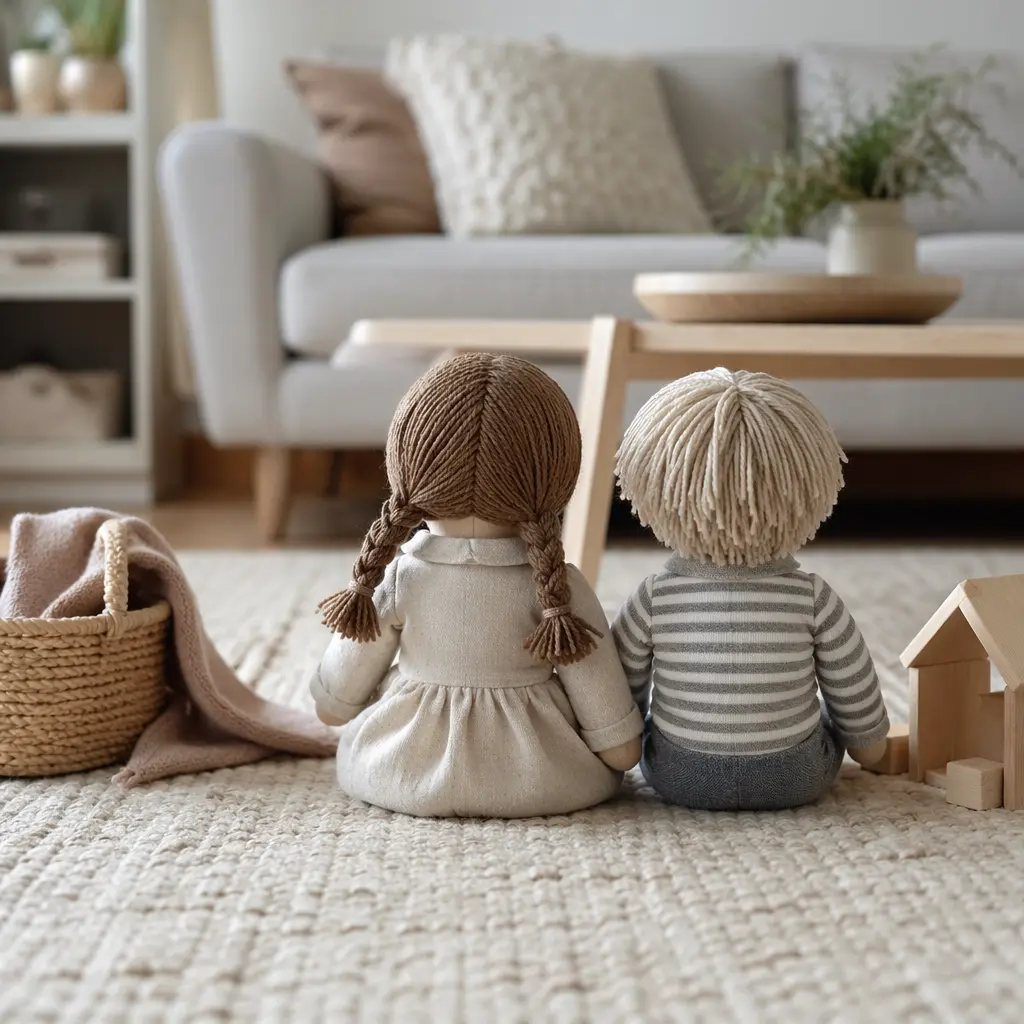
Many toddlers love to copy what they see adults do each day—feeding, cuddling, bedtime routines, and getting ready. Simple doll sets can support this kind of pretend play without screens, sounds, or flashing lights. For children ages 1–2, the best options focus on sturdy construction, familiar routines, and open-ended play rather than extras that do the playing for them.
What to look for
Toddlers are still developing coordination and understanding, so simple designs matter. A good doll set should invite everyday role play while holding up to rough handling and frequent cleaning.
- Simple features: Dolls that don’t talk, light up, or have complex parts encourage imagination instead of button-pressing.
- Safe materials: Look for soft fabrics, smooth wood, or thick molded plastic with no sharp edges.
- Easy-to-hold size: Dolls and accessories should be lightweight and sized for small hands.
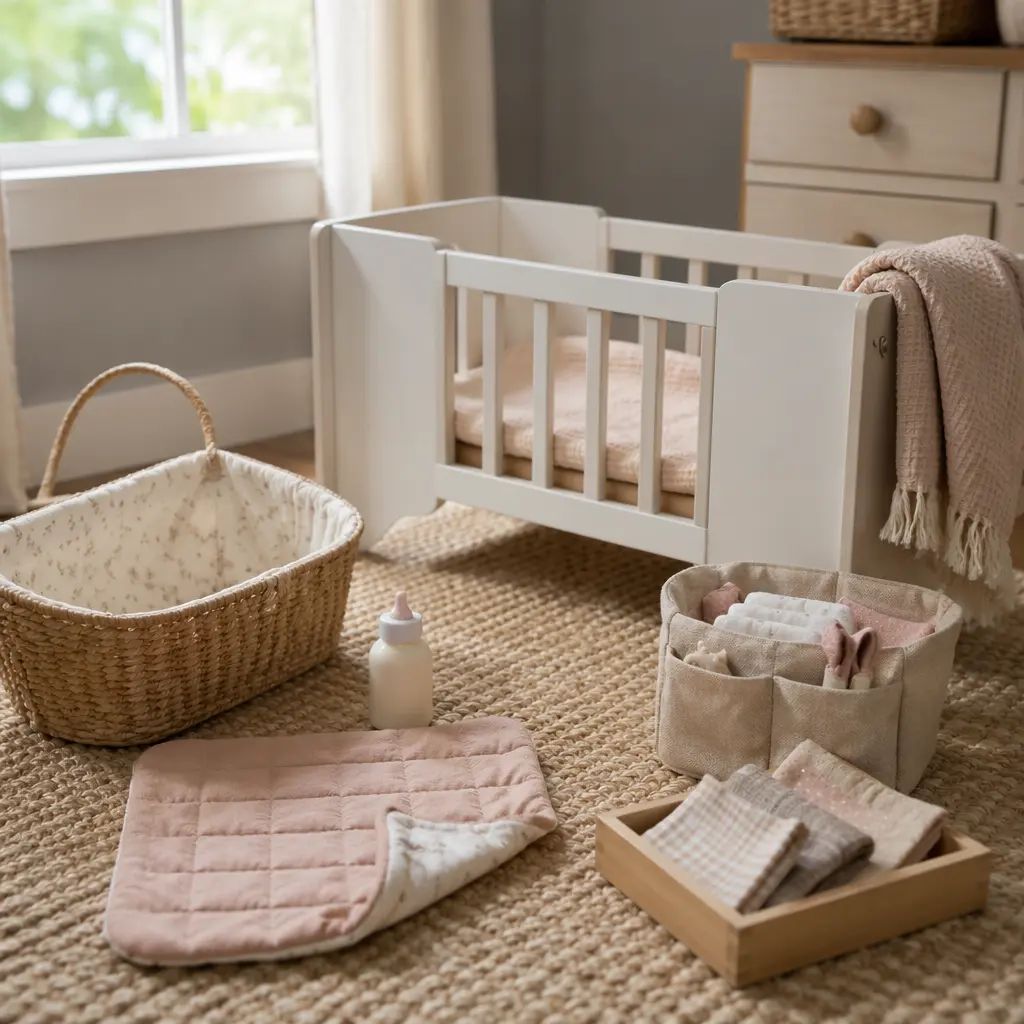
- Everyday accessories: Items like bottles, blankets, beds, or strollers reflect routines toddlers recognize.
- Washability: Machine-washable fabrics or wipe-clean surfaces make life easier for parents.
Age suitability
For ages 1–2, doll sets should be clearly labeled for toddlers and free of small detachable parts. At this stage, children are learning basic cause and effect and beginning pretend play, often repeating the same actions again and again. A doll that can be hugged, fed, or tucked in supports this development without overwhelming them. Simpler sets also tend to stay interesting longer, since children can use them in new ways as skills grow.
Standout categories or types
Simple doll sets for toddlers generally fall into a few helpful categories. Choosing the right type depends on what routines your child is most interested in copying.
- Soft baby dolls: Lightweight and cuddly, these are often the easiest for young toddlers to manage and comfort.
- Routine-focused sets: Sets that include beds, feeding items, or bath accessories mirror daily caregiving moments.
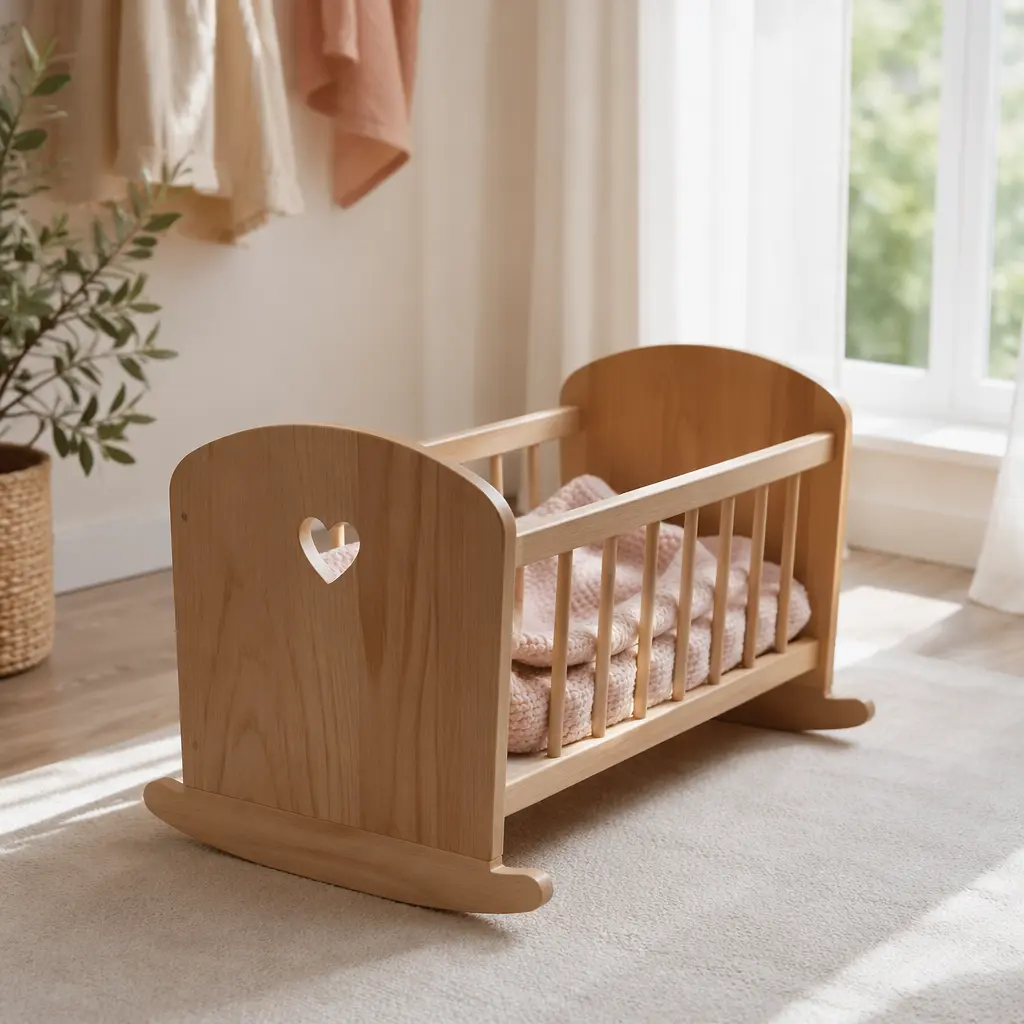
- Wooden doll accessories: Often durable and visually simple, these can hold up well to heavy use.
- Minimal character dolls: Dolls without strong facial expressions or characters allow children to project their own ideas.
Frequently asked questions
Do toddlers really benefit from doll play this young?
Yes. Even at 1–2 years old, toddlers learn through imitation. Doll play can support language development, empathy, and understanding routines by letting children act out familiar experiences.
Are electronic doll features better for learning?
Not necessarily. For this age group, simple, non-electronic dolls often encourage longer and more flexible play. Without sounds or scripts, toddlers create their own actions and repeat them at their own pace.
What size doll is best for a 1-year-old?
Smaller, lightweight dolls—often under 12 inches—are usually easier for young toddlers to carry, hug, and manipulate without frustration.
How many accessories are too many?
For toddlers, fewer is often better. A doll plus one or two familiar accessories is usually enough. Too many pieces can be distracting and harder to keep track of.
Simple doll sets can be a strong addition to a toddler’s toy rotation, especially for children who enjoy copying everyday routines. By focusing on safety, durability, and familiar activities, parents can choose sets that support early pretend play without relying on electronics or complex features.