Simple Dolls That Encourage Nurturing Play at Home
A parent-friendly guide to simple, low-cost dolls for ages 1–2 that support early nurturing play without screens or electronics.
Compare prices and availability
Check current prices and availability for this guide on eBay.
As an eBay Partner, we may be compensated if you make a purchase.
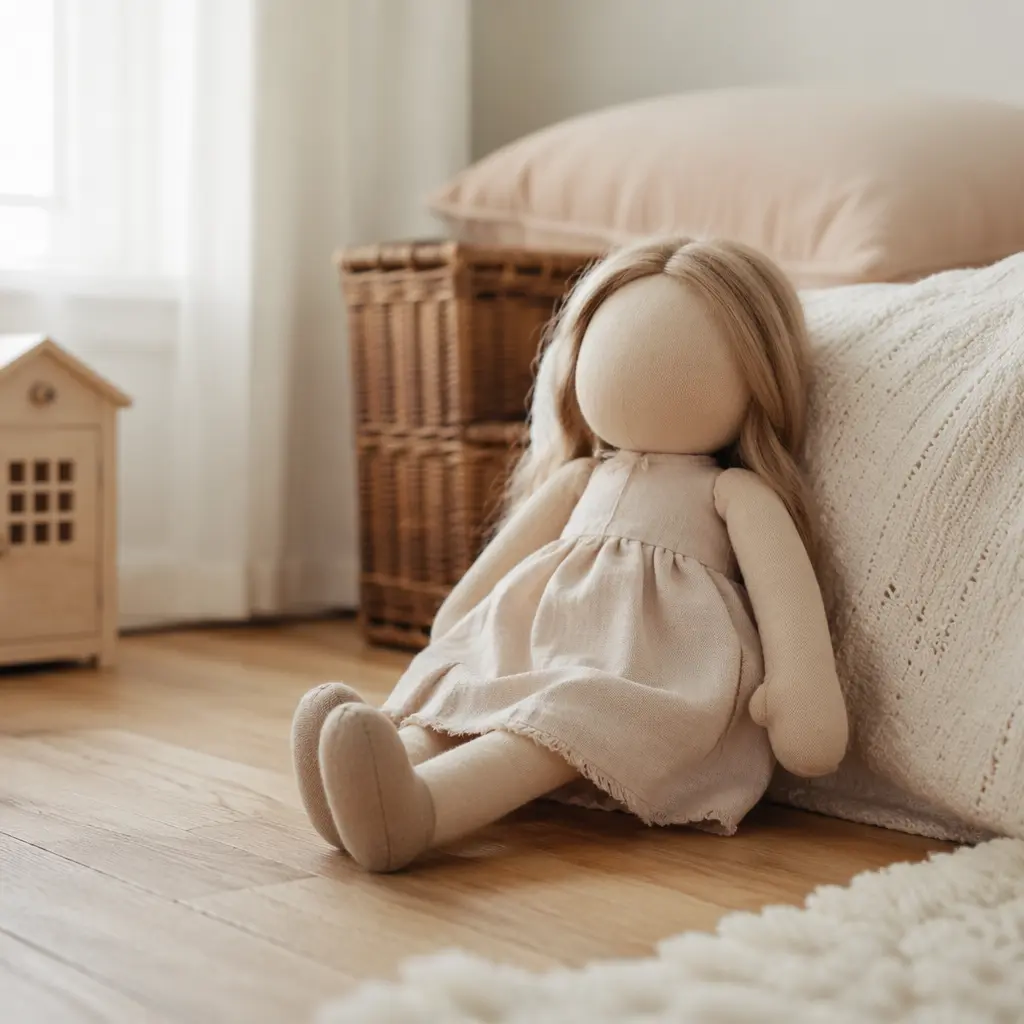
Simple dolls are often a toddler’s first introduction to pretend play. For children ages 1–2, these toys aren’t about detailed stories or accessories. They’re about copying everyday caregiving moments—hugging, rocking, feeding, and tucking in. Low-cost, non-electronic dolls can support this kind of play while keeping things calm, durable, and easy for small hands.
What to look for
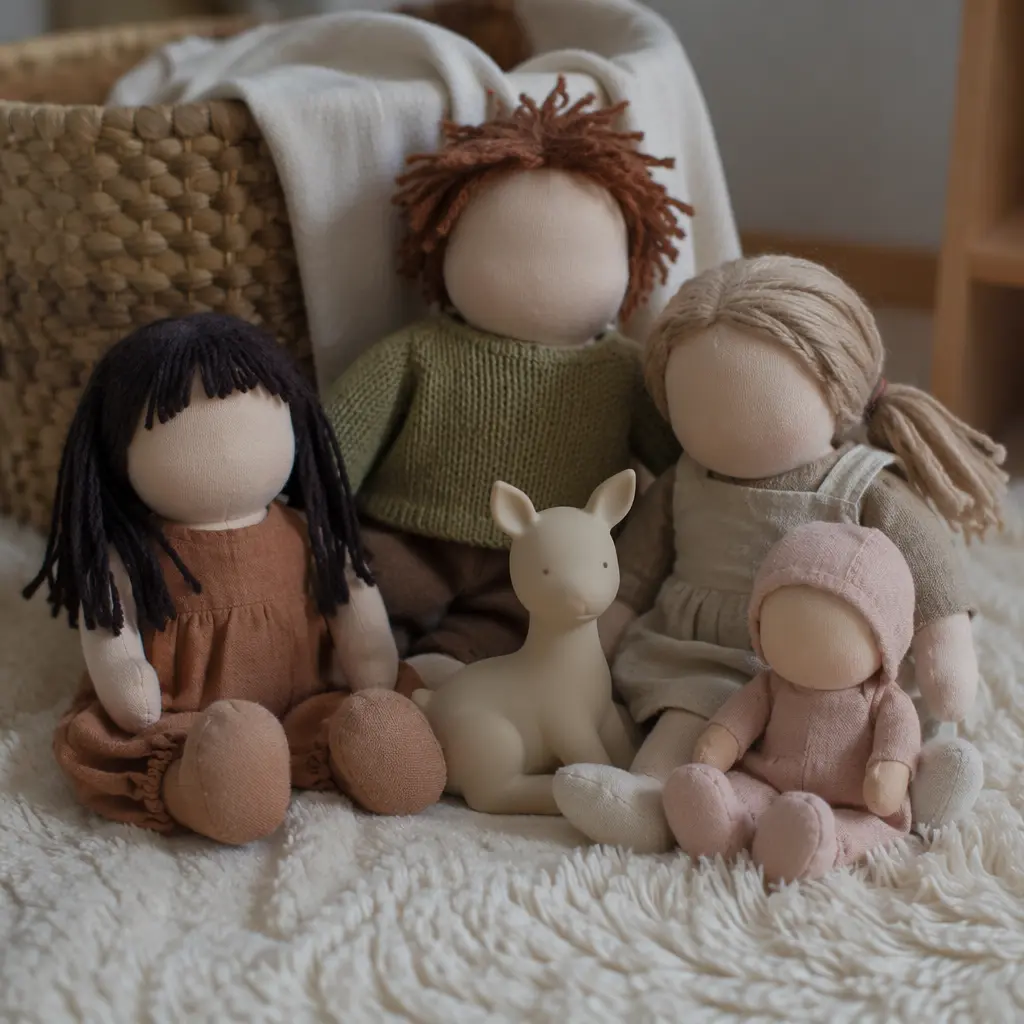
Dolls for this age group work best when they’re uncomplicated and sturdy. Toddlers explore toys with their whole bodies, so materials, size, and safety details matter more than realism or extras.
- Soft, squeezable materials such as cloth, fabric blends, or flexible rubber
- Simple features or minimal facial details to encourage imagination
- Lightweight design that’s easy to carry, hug, and move
- Secure stitching and no small, detachable parts
- Washable or easy-to-clean construction for everyday use
Age suitability
For children between 1 and 2 years old, dolls should be sized for cuddling rather than posing. At this stage, toddlers are developing empathy by imitation. They copy what they see adults do—holding a baby, offering comfort, or putting something to bed. Dolls that are too detailed or fragile can distract from this process. Simpler designs let toddlers focus on the actions, not the toy’s features.
Standout categories or types
Within the category of simple dolls, there are a few common types that tend to work especially well for young toddlers. Each offers slightly different sensory and play benefits while staying focused on nurturing themes.
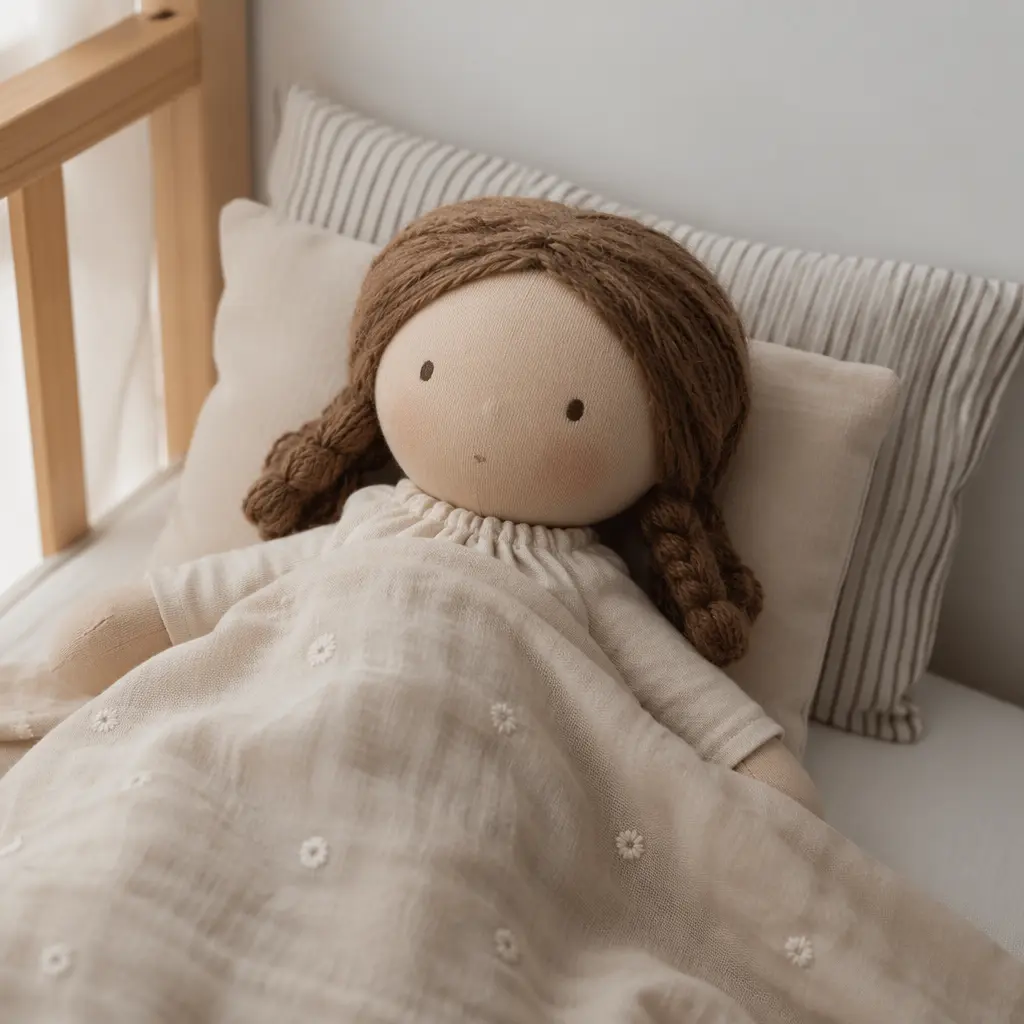
- Soft cloth dolls: Lightweight and comforting, often with stitched or minimal features
- Rubber or vinyl bath dolls: Designed to handle water play and easy cleaning
- Waldorf-inspired dolls: Simple shapes and neutral expressions that support open-ended play
- Plush baby-style dolls: Rounded bodies that are easy to cradle and hug
All of these styles can support early caregiving stories without overwhelming toddlers with buttons, sounds, or screens. Many families also appreciate that these dolls tend to be quieter, more durable, and easier to store than electronic options.
Frequently asked questions
Why are simple dolls better than electronic dolls for toddlers?
Simple dolls allow toddlers to control the play. There are no preset sounds or actions, so children create their own caregiving routines. This supports imagination, language development, and emotional growth without overstimulation.
Do dolls without faces confuse young children?
Most toddlers are comfortable with minimal or neutral faces. In fact, fewer details can help children project their own feelings onto the doll, which supports empathy and creative thinking.
How many dolls does a toddler need?
One or two well-chosen dolls are usually enough at this age. Too many options can be overwhelming. Repeated play with the same doll often leads to deeper, more meaningful pretend play.
Can simple dolls be used for learning activities?
Yes. Parents can use dolls to model routines like bedtime, gentle touch, or naming body parts. These everyday interactions help toddlers connect language with actions.
Simple dolls may look modest, but they play a big role in early development. By focusing on comfort, durability, and open-ended play, parents can choose dolls that invite nurturing stories and everyday caregiving moments—without relying on electronics or high price tags.