Best Active AI Toys That Get Children Moving
A parent-focused guide to active AI toys for ages 9–12, including BALL 2 and other connected play options. Compare movement tracking, privacy, setup, durability, app dependence and replay value.
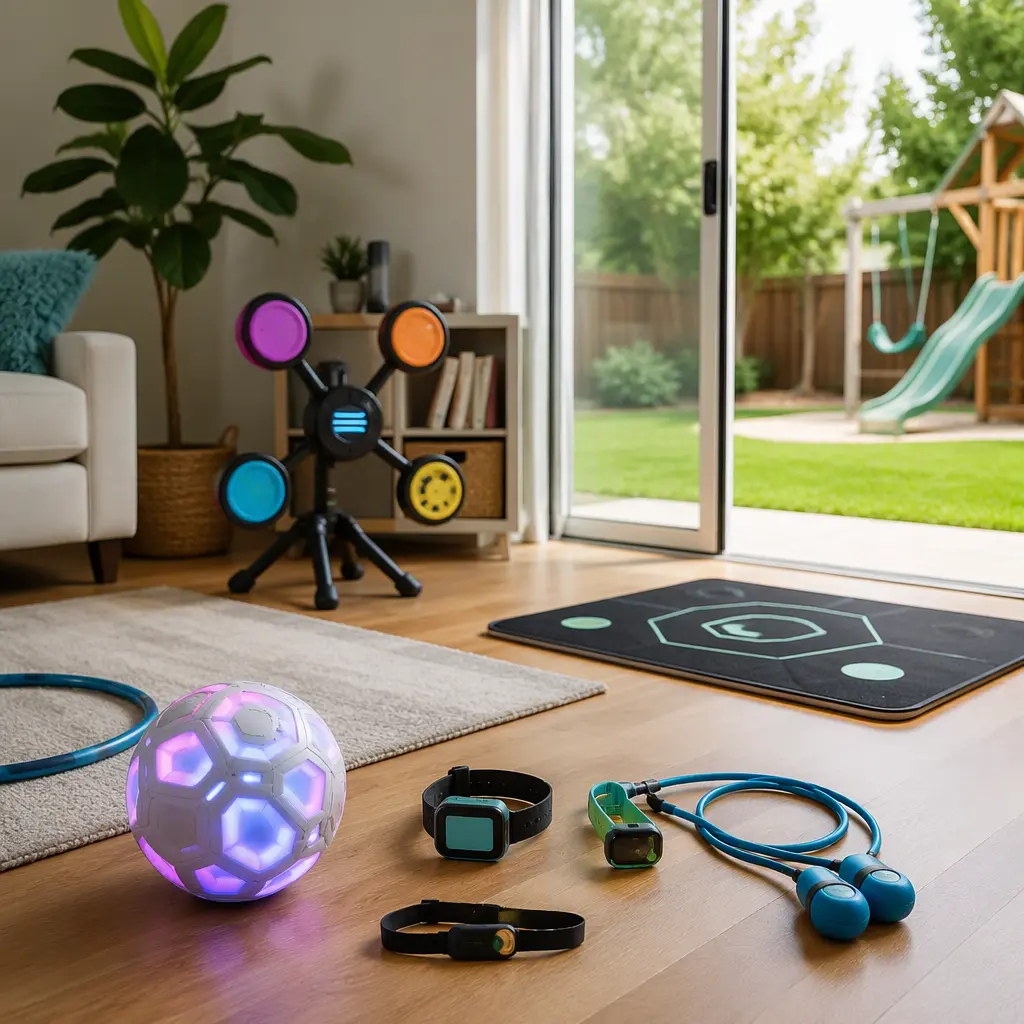
Compare prices and availability
Check current prices and availability for this guide on eBay.
As an eBay Partner, we may be compensated if you make a purchase.
Active AI toys aim to solve a common parent concern: how to make technology feel more like movement play than passive screen time. The category now includes interactive balls, motion-tracking games, smart targets and connected sports trainers that react to how children move. For ages 9–12, the strongest options usually combine physical challenge with adaptive gameplay rather than relying on long app sessions. The most useful buying question is not whether a toy uses AI, but what the connected features genuinely add. Some products use simple motion sensors or pre-programmed responses, while others analyse movement patterns, adjust difficulty, recognise actions or create changing game prompts. That difference affects replay value, privacy, setup complexity and how much the toy still works when the app is closed.
What to look for
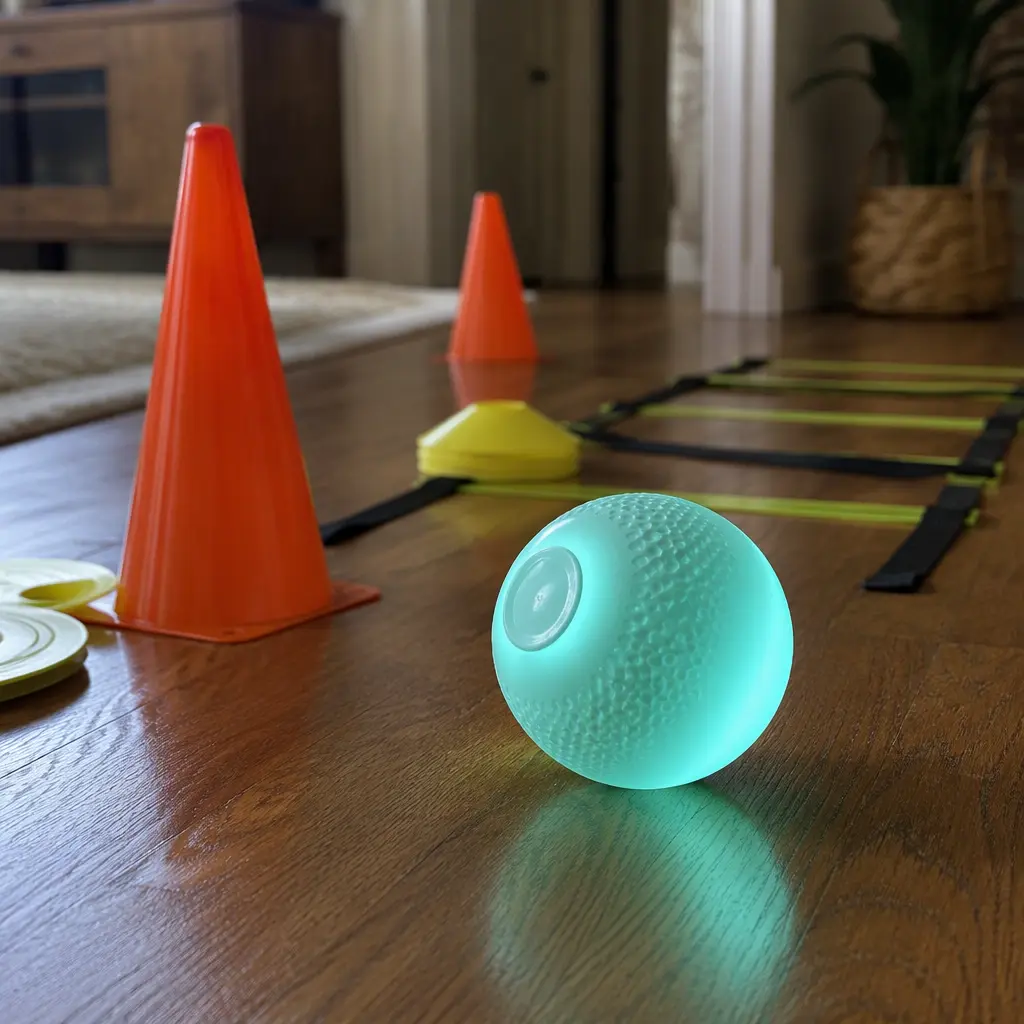
The best active AI toys encourage repeated movement without turning every session into a high-score chase on a phone. For older children, responsive gameplay matters more than novelty lights or sound effects. Parents should also check whether the toy can function offline or in a limited mode without a permanent internet connection. Many connected toys require account setup, app permissions or firmware updates before first use, which can affect how quickly children actually start playing.
- Check whether the toy uses true adaptive gameplay or only simple motion-triggered effects. Some products marketed as AI are closer to standard electronic toys.
- Look for enough physical challenge to match ages 9–12, including reaction speed, coordination, balance or outdoor movement.
- Consider available space. Interactive balls and chasing games may need open floors or gardens, while motion targets often suit smaller rooms.
- Review battery type and charging frequency. Rechargeable toys are convenient but frustrating if play sessions are short between charges.
- Assess noise levels carefully. Voice prompts, music and sound effects can become tiring indoors, especially in shared living spaces.
- Read the privacy policy when microphones, cameras or cloud accounts are involved. Some connected toys collect usage data or require ongoing app access.
- Check offline usefulness. The strongest active toys still offer meaningful play if servers, subscriptions or apps are unavailable.
- Look at durability and replacement parts. Outdoor and movement-focused toys take more impact than tabletop electronics.
Age suitability
For children aged 9–12, active AI toys work best when they offer skill progression rather than repetitive toddler-style reactions. This age group often enjoys competition, custom challenges and measurable improvement. Simpler motion-reactive toys may feel too limited after the first few sessions, while heavily app-driven systems can drift back toward passive screen use. Products that support solo play and multiplayer modes tend to last longer because children can use them independently or socially. Storage also matters at this age, since larger active toys compete with sports equipment, gaming gear and bedroom space.
Options compared
BALL 2 is one example of the newer generation of active connected toys designed around movement first. Rather than centring play on a display, the toy reacts to throws, catches, movement timing and game prompts. Depending on the version and app support available in a region, the connected features may include adaptive challenges, score tracking or changing activity modes. The AI component is better understood as responsive gameplay adjustment rather than conversational AI. That distinction matters because expectations should stay focused on physical interaction, not chatbot-style intelligence.
The main advantage of products like BALL 2 is low setup friction compared with larger smart fitness systems. A portable interactive ball is easier to store, can work indoors or outdoors depending on space, and supports quick play sessions. The trade-off is that replay value depends heavily on the quality of the game modes. If the toy repeats prompts too predictably, older children may lose interest quickly. Durability is another key factor because impact-heavy toys face repeated drops, kicks and rough handling.
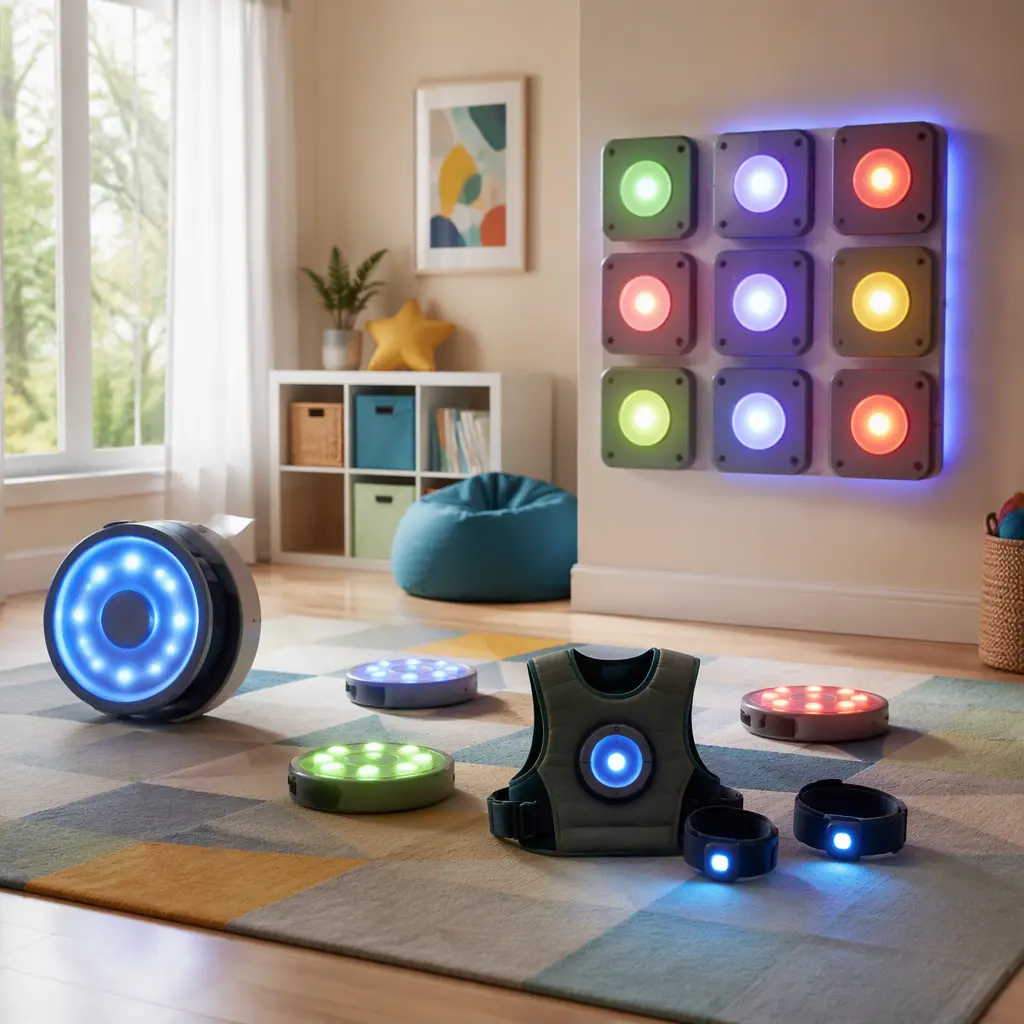
- Interactive smart balls: Best for quick movement bursts, reaction games and flexible indoor or outdoor use. Usually easier to store and lower effort to set up. Less suitable for homes with fragile indoor spaces or noise sensitivity.
- Motion-tracking fitness games: Often use cameras or wearable sensors to follow body movement. Good for children who enjoy structured challenges or competitive scoring. Parents should check privacy settings carefully when cameras are involved.
- Connected sports trainers: Smart basketball, football or tennis trainers focus on skill improvement rather than free play. Better for sports-focused children, but may feel repetitive for casual users.
- Light-up target systems: These combine reflex training with active movement around a room or garden. They usually offer strong replay value for groups but require more setup space and battery management.
- AR and app-heavy movement games: Some products rely heavily on tablets or phones for gameplay. These can motivate exercise initially but sometimes drift back toward screen-focused interaction rather than sustained physical play.
Frequently asked questions
Do active AI toys reduce screen time?
Some do, but the result depends on design. Toys that keep interaction primarily physical can shift attention away from passive media use. However, products that require constant app monitoring or on-screen prompts may still feel screen-heavy despite the active theme.
What does AI usually mean in active toys?
In many cases, AI refers to adaptive responses rather than advanced intelligence. A toy may adjust challenge difficulty, recognise movement patterns or change prompts based on player behaviour. Simpler products may only use basic sensors and pre-programmed reactions despite AI marketing language.
Are connected active toys useful without subscriptions?
That varies widely. Some toys keep core gameplay available offline, while others place advanced modes, score history or multiplayer features behind apps or accounts. Checking whether the toy remains enjoyable without ongoing services is important for long-term value.
Are privacy concerns significant for children's AI toys?
Privacy concerns increase when toys include microphones, cameras, cloud accounts or voice features. Parents should review what data is collected, whether recordings are stored, and if account controls allow limited data sharing. Products that work locally without constant cloud access generally involve fewer privacy trade-offs.
Which active AI toys tend to last longest?
Toys with open-ended movement play, multiple difficulty levels and strong physical durability usually hold attention longer than novelty gadgets. Replay value also improves when children can invent their own challenges instead of relying entirely on scripted app content.
For most families, the strongest active AI toys are the ones where technology quietly supports movement instead of dominating it. A connected feature should make the physical play deeper, more varied or more motivating, not simply add another screen. Products like BALL 2 show the category at its most useful when setup stays simple, movement remains central and the toy still feels fun even without constant app interaction.