Mini Basketball Hoops vs Foam Targets for Indoor Play
Compare mini basketball hoops and foam targets for indoor play ages 6–8. Learn which suits apartments, quieter play, wall safety, storage, and active movement needs.
Compare prices and availability
Check current prices and availability for this guide on eBay.
As an eBay Partner, we may be compensated if you make a purchase.
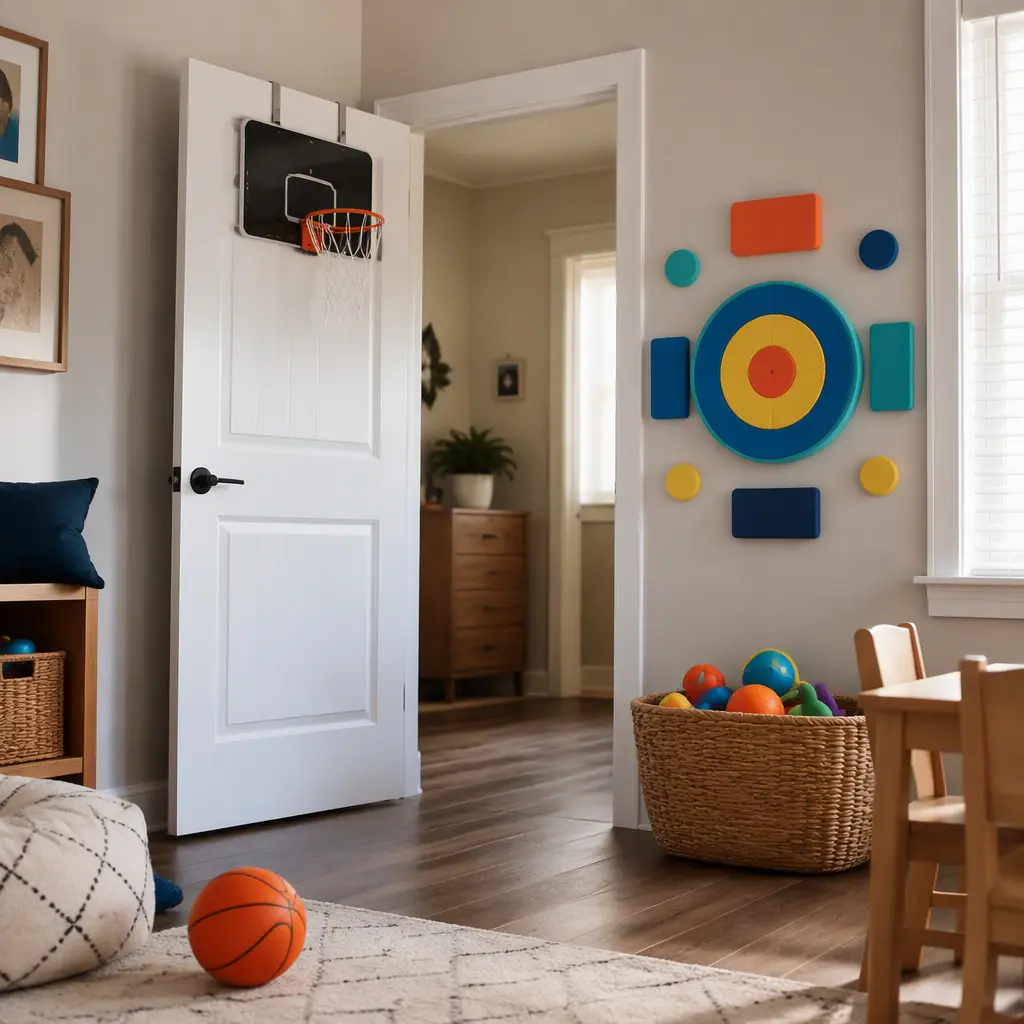
Mini basketball hoops and foam target games both offer active indoor play without needing a large backyard, but they work very differently in everyday family spaces. For children aged 6–8, the right choice often depends less on the game itself and more on noise levels, wall protection, storage space, and how much movement parents want to encourage indoors. A mini hoop can channel energetic play and simple sports practice, while foam targets tend to suit quieter apartments and shared living spaces. Understanding the trade-offs can help narrow down which option fits your home and your child’s play style.
What to look for
Indoor active toys for this age group need to balance movement with practicality. Children between 6 and 8 often want games that feel skill-based and repeatable rather than purely sensory or preschool-focused. At the same time, parents may be thinking about downstairs neighbors, marks on walls, or toys that become clutter after a week. Looking closely at setup style, ball material, and storage requirements usually matters more than choosing the most elaborate set.
- Choose soft foam or lightweight balls for apartments, shared walls, and lower noise.
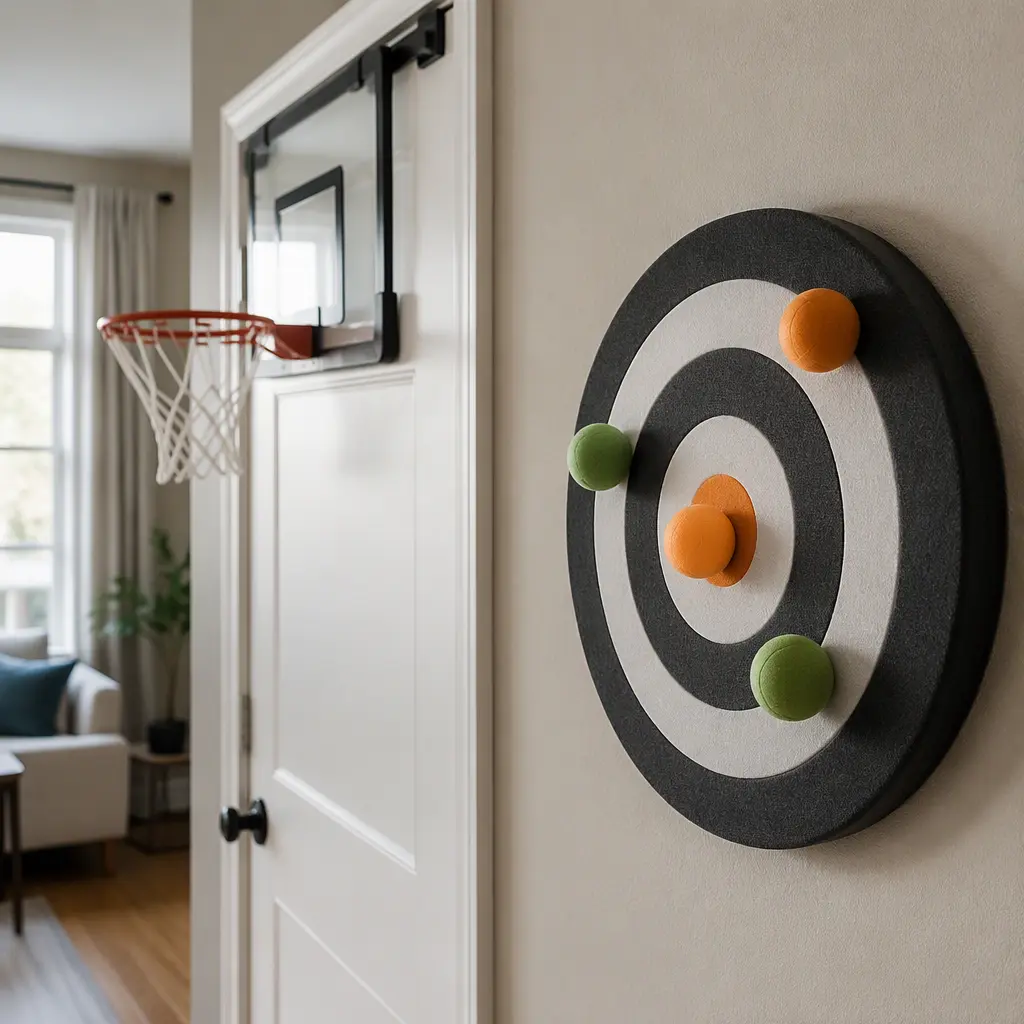
- Check mounting style carefully. Over-door hoops avoid wall drilling, while adhesive foam targets are usually easier on paint.
- Consider ceiling height and room layout. Basketball hoops need throwing space and rebound clearance.
- Look for foldable or removable pieces if the toy will live in a bedroom or small living room.
- Think about competitive versus open-ended play. Hoops encourage scorekeeping and repeated practice, while foam targets often support simpler throwing games.
- Avoid hard plastic backboards or dense balls in homes with fragile decor or noise-sensitive neighbors.
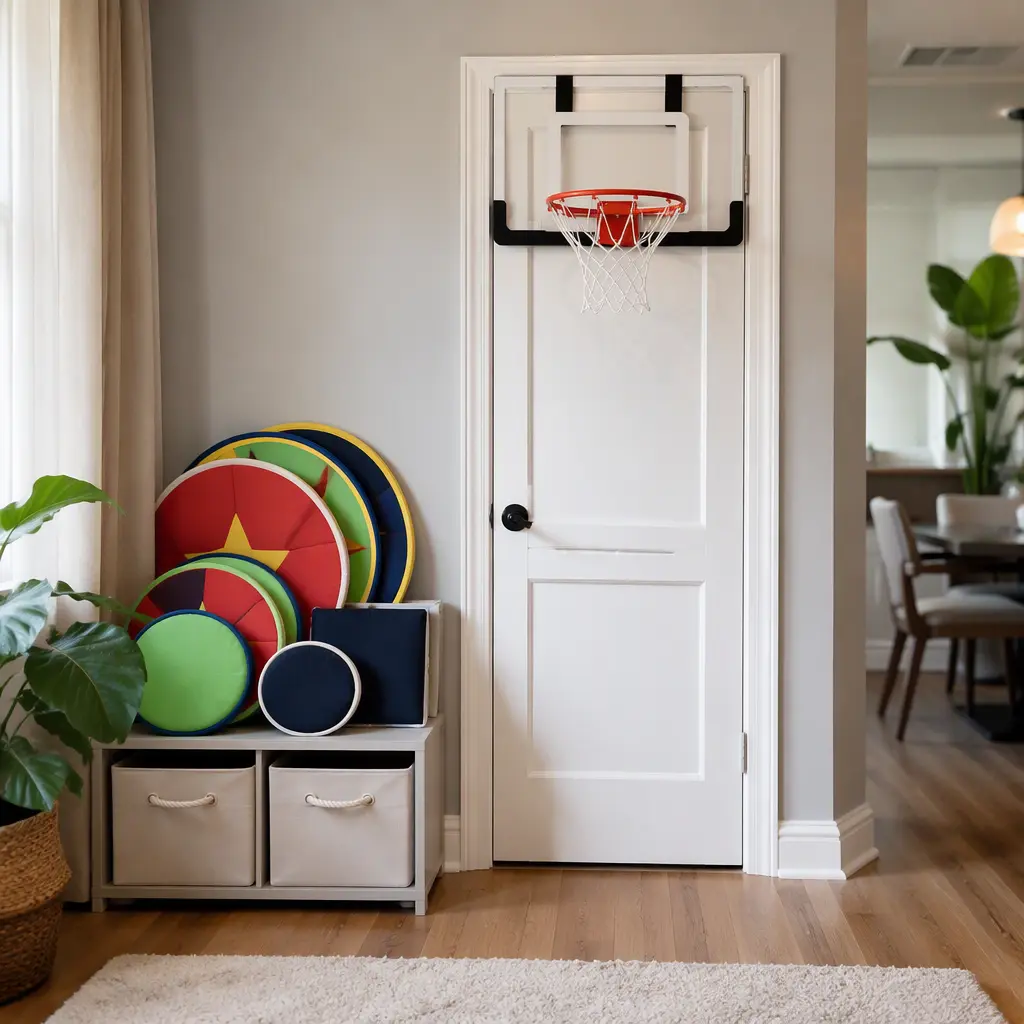
- Storage matters more than expected. Foam target sets usually pack into bins more easily than hoop systems with poles or stands.
Age suitability
For ages 6–8, both toy types can work well, but they appeal to different play patterns. Mini basketball hoops tend to suit children who enjoy sports, movement challenges, and practicing coordination repeatedly. They are often more engaging for children who like competition, timed games, or active breaks between homework and quieter activities. Foam targets are usually easier for a wider range of skill levels because they focus more on throwing accuracy than ball control. They can also feel less intimidating for children who are not interested in sports-themed play. In smaller homes, foam targets are often easier to adapt because they can attach to doors, walls, or even floor spaces temporarily and pack away afterward.
Options compared
Mini basketball hoops usually create the most energetic style of indoor play. Children can practice shooting repeatedly, invent trick-shot games, or play quick competitions with siblings. Over-door styles are often the most practical because they avoid permanent installation and can move between rooms easily. However, even lightweight basketballs create rebound noise, especially against hollow doors or hardwood floors. Some hoops also rattle during play, which may frustrate neighbors in apartments or families sharing walls. They generally require more open floor space than parents expect because children naturally step back to shoot.
Foam targets are typically quieter and more flexible. Many sets use soft sticky balls, suction darts, or Velcro-style attachments that reduce impact noise and lower the chance of wall marks. They work well for calmer active play and can fit smaller spaces more easily. Some children enjoy creating scoring systems or obstacle-style challenges with them. The trade-off is that they may not hold attention as long for children seeking fast-paced movement or sports-style competition. Foam target games also vary widely in durability. Lightweight foam pieces are convenient for storage but can bend or tear over time if stepped on or compressed in toy bins.
- Choose a mini basketball hoop if your child enjoys sports-themed play, has enough throwing space, and your home can tolerate moderate noise.
- Choose foam targets if you need a quieter setup, easier storage, or lower risk to walls and furniture.
- Apartment households often find foam targets easier for everyday use, especially in evenings.
- Homes with basements, playrooms, or detached spaces may get more long-term use from mini hoops.
- Children who enjoy solo practice and physical challenges often stay engaged longer with basketball hoops.
- Children who prefer flexible games, mixed-age play, or lower-pressure activities may prefer foam targets.
Frequently asked questions
Are mini basketball hoops too noisy for apartments?
They can be, especially with hard floors or thin walls. Foam basketballs help reduce impact sound, but rebounds against doors and backboards still create noticeable noise. Over-door mounting can also cause rattling if the hoop shifts during play.
Do foam target games damage walls?
Most foam target sets are designed to be lightweight, but adhesive materials and repeated impacts can still affect delicate paint or wallpaper. Checking the mounting method and testing on a small area first is usually worthwhile.
Which option is better for small spaces?
Foam targets are generally easier in compact homes because they need less rebound space and can often be packed away quickly. Mini hoops work best when children have room to step back and move safely.
Will children outgrow foam targets quickly?
Some children do, particularly those who prefer competitive sports play. However, target games can remain useful longer when they allow adjustable difficulty, scorekeeping, or creative challenge setups.
What ball materials are safest indoors?
Soft foam is usually the most apartment-friendly option because it lowers noise and reduces the chance of damage to furniture or walls. Dense rubber or hard plastic balls are less suitable for indoor play spaces.
For most families choosing between these two toy types, the decision comes down to environment and play style rather than which toy is more exciting on paper. Mini basketball hoops usually deliver more active, sports-focused movement but need extra space and tolerance for noise. Foam targets are quieter, easier to store, and often better suited to apartments or shared living spaces. Matching the toy to your child’s energy level and your home setup is more likely to lead to regular use than choosing the larger or more elaborate option.