Toy Binoculars vs Nature Kits for Outdoor Play
Choosing between toy binoculars and nature kits for ages 6–8? Compare durability, supervision needs, replay value, storage, and outdoor learning benefits for screen-free play.
Compare prices and availability
Check current prices and availability for this guide on eBay.
As an eBay Partner, we may be compensated if you make a purchase.
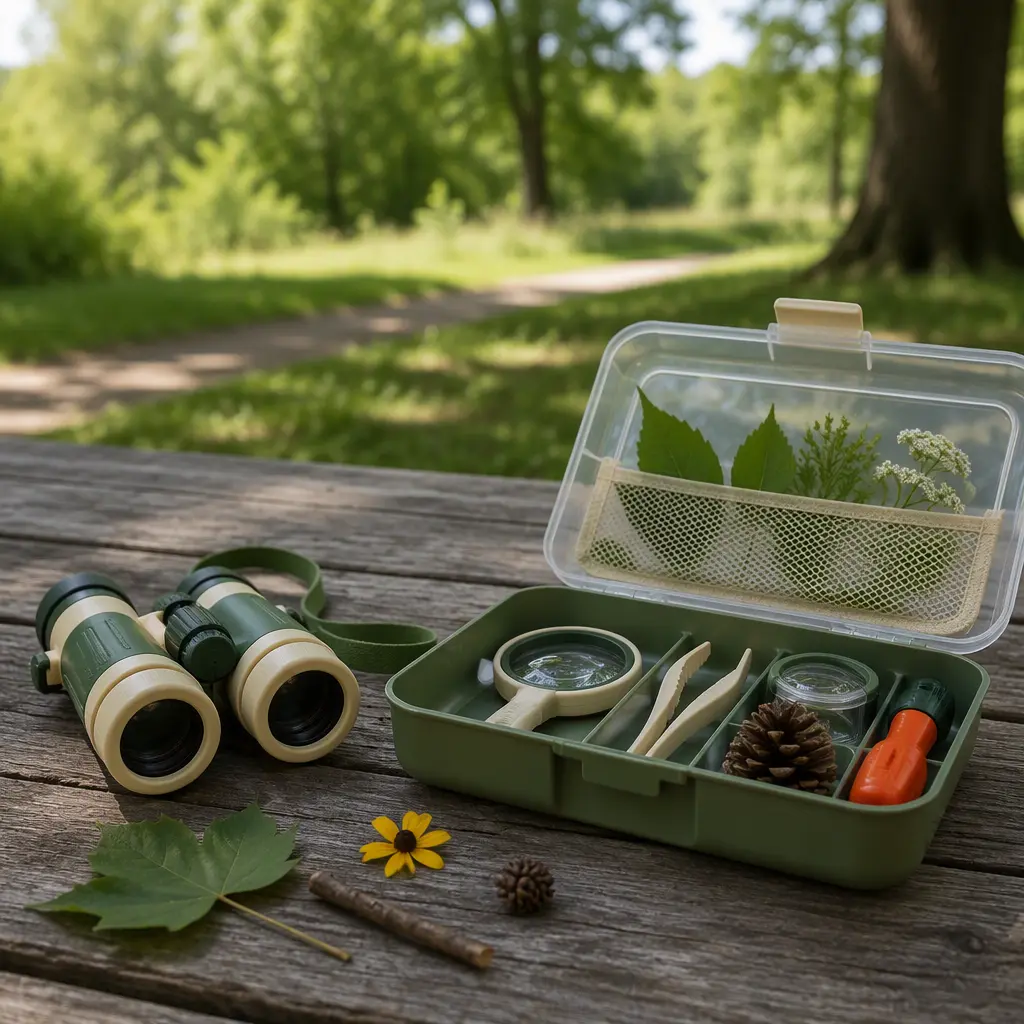
For children aged 6–8, outdoor toys that encourage curiosity can hold attention far longer than many novelty gadgets. Two common choices are toy binoculars and nature kits. Both support screen-free exploration, but they suit different play styles and family routines. Binoculars tend to encourage movement, observation and imaginative adventures, while nature kits usually focus more on collecting, examining and learning about insects, plants or rocks. The better option often depends on how much supervision a child needs outdoors, how rough they are with gear, and whether parents want a grab-and-go toy or a more involved activity set.
What to look for
The most useful outdoor toys for this age group are easy to carry, durable enough for regular use and simple enough that children can play independently for short periods. Some products focus heavily on accessories, but too many small pieces can create storage problems or reduce replay value after the first few outings. A smaller, sturdy set often works better than a large kit packed with fragile extras.
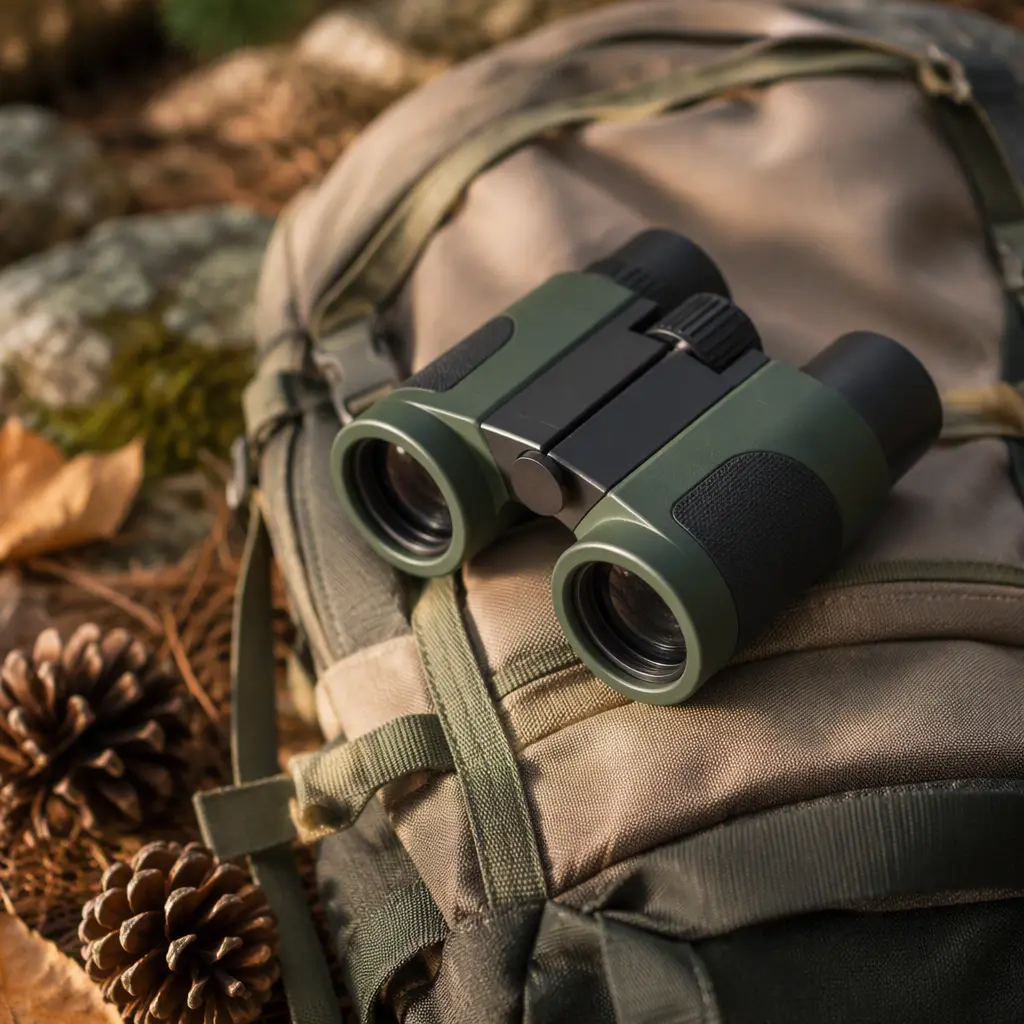
- Choose lightweight binoculars with a comfortable neck strap and simple focus adjustment suitable for small hands.
- Look for nature kits with reusable tools such as magnifiers, collection containers or field guides rather than many disposable craft items.
- Consider storage space. Hard cases and zip pouches help keep outdoor gear together between trips.
- Check whether pieces can handle dirt, drops and damp grass without breaking easily.
- Think about supervision needs. Kits with specimen jars or bug catchers may require more guidance than binoculars.
- Noise matters for some families. Binoculars are usually quiet, while electronic nature gadgets may include sounds or lights.
- Replay value often comes from open-ended use. Toys that work in parks, gardens, campsites and walks tend to stay interesting longer.
Age suitability
Children aged 6–8 are usually ready for more purposeful outdoor exploration, but attention span and coordination still vary widely. Toy binoculars generally suit children who enjoy movement, pretend missions or spotting wildlife from a distance. They are often easier for independent play because there are fewer pieces to manage. Nature kits can work especially well for children who like collecting, sorting and asking detailed questions about bugs, rocks or plants. However, younger children within this age band may need help using magnifiers correctly or handling delicate containers. Families who already spend time hiking, camping or gardening may get more use from a nature kit than families looking for quick backyard play.
Options compared
Toy binoculars are usually the simpler choice. They are compact, easy to store and quick to bring on walks, holidays or playground trips. Children who enjoy imaginative play may use them for pretend safaris, treasure hunts or scouting games even when no wildlife is present. Durability is often better because there are fewer small components to lose. For busy families, this low-maintenance style of toy can be a major advantage. Binoculars also work well for children who prefer active play over sitting still and examining details.
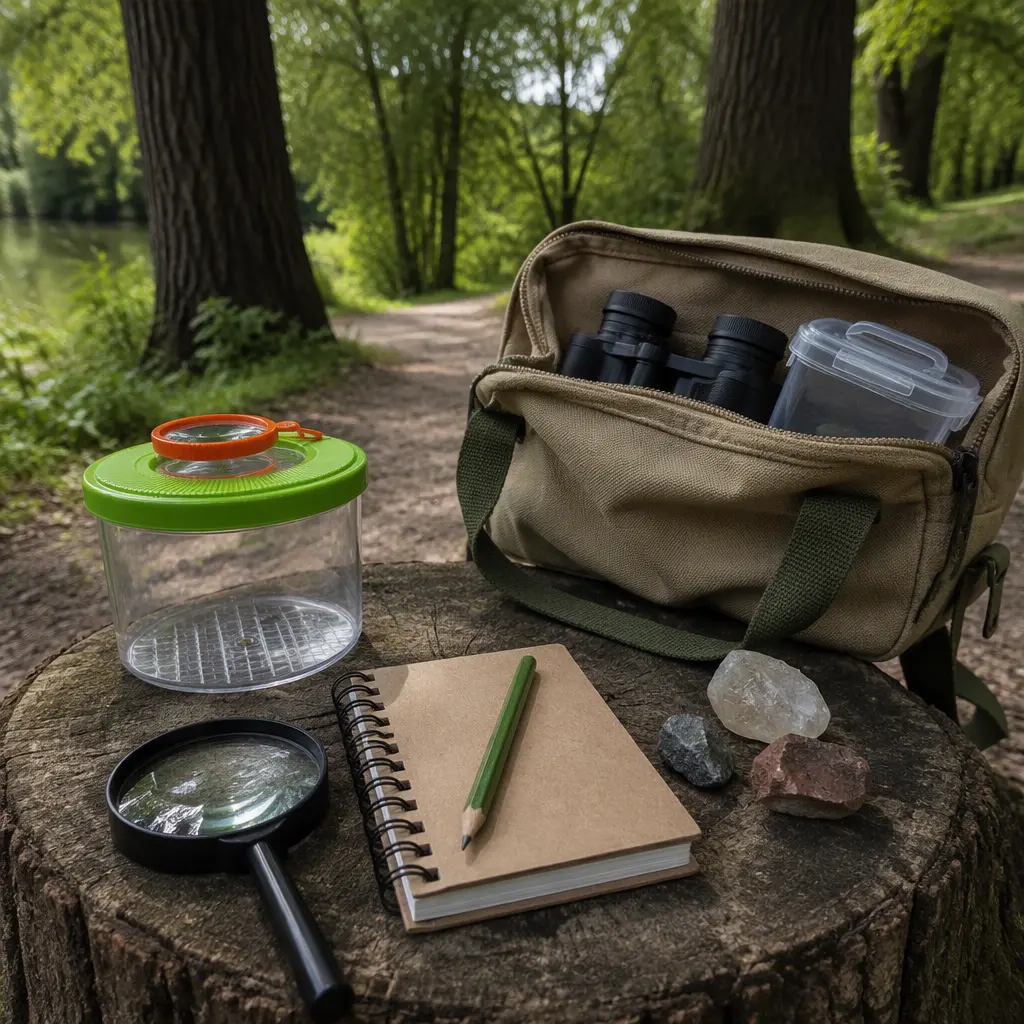
Nature kits offer broader educational possibilities but usually involve more setup and cleanup. A kit with a magnifier, bug viewer or collecting containers can turn a short walk into a longer learning activity. This can increase replay value for children who naturally enjoy observation and hands-on discovery. The trade-off is that many kits include multiple small accessories that can become misplaced or damaged over time. Parents may also need to supervise how insects or natural objects are handled. Some kits are designed more like science activities than everyday toys, which means they may come out less often but hold attention for longer sessions when used.
- Choose toy binoculars for travel-friendly outdoor play, imaginative adventures, simple storage and lower supervision needs.
- Choose nature kits for children interested in science, collecting, gardening or close-up exploration.
- Avoid large accessory-heavy kits if storage space is limited or small pieces are likely to get lost.
- Children who become frustrated by fine-motor tasks may prefer binoculars over tools requiring careful handling.
- Families wanting quick outdoor breaks between school and dinner may find binoculars easier to use regularly.
- Nature kits can be a stronger fit for weekend outings, camping trips or structured learning activities.
Frequently asked questions
Are toy binoculars educational?
They can support observation skills, attention to detail and interest in wildlife or geography. Many children also use them in imaginative play, which can encourage storytelling and problem-solving during outdoor games.
Do nature kits create a lot of mess?
Some do, especially kits that involve mud, water, rocks or collecting insects. A compact kit with only a few reusable tools is usually easier to manage than larger sets with many accessories. Keeping a dedicated storage bag near the door can help contain dirt and missing pieces.
Which option lasts longer?
Durability often depends more on construction quality than toy type, but simple binoculars usually have fewer parts that can break or disappear. Nature kits may stay interesting for longer if a child has a strong interest in science or outdoor collecting.
Can these toys be used indoors too?
Yes. Children often use binoculars for pretend exploration games around the house, while nature kits can support indoor activities such as examining leaves, shells or household objects with a magnifier. Outdoor use still tends to provide the best experience for both.
Is one better for group play?
Nature kits can encourage collaborative activities like collecting and comparing findings, especially between siblings or friends. Binoculars are often more individual unless children are playing shared adventure games or wildlife spotting challenges together.
For most families, the choice comes down to how children prefer to explore. Toy binoculars are usually the easier, lower-maintenance option for frequent outdoor play, while nature kits offer deeper hands-on discovery for children who enjoy science and collecting. Both can support screen-free curiosity when matched to a child’s interests, available supervision and the kinds of outdoor spaces your family actually uses.