Cheap Outdoor Toys Kids Can Invent Games With
A parent-friendly guide to low-cost outdoor toys that spark imagination, movement, and kid-made games for ages 6–8—what to look for, age fit, and safety tips included.
Compare prices and availability
Check current prices and availability for this guide on eBay.
As an eBay Partner, we may be compensated if you make a purchase.
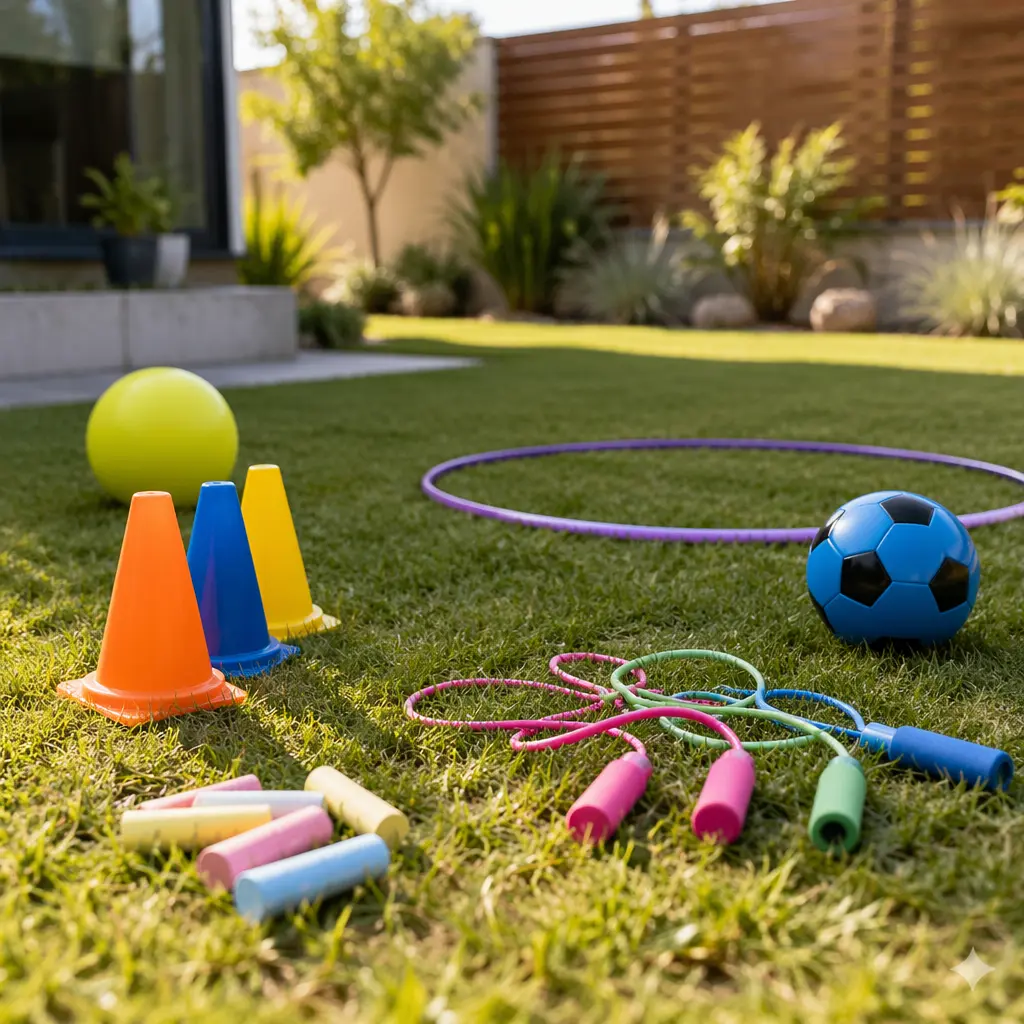
Not every great outdoor toy needs batteries or a big price tag. For kids ages 6–8, some of the best play happens with simple, low-cost items that invite them to make up rules, adapt games, and keep their bodies moving. These classics leave room for imagination, help kids practice cooperation, and work just as well in a backyard, driveway, or local park. This guide focuses on affordable outdoor toys that encourage kids to invent their own games rather than follow fixed instructions.
What to look for
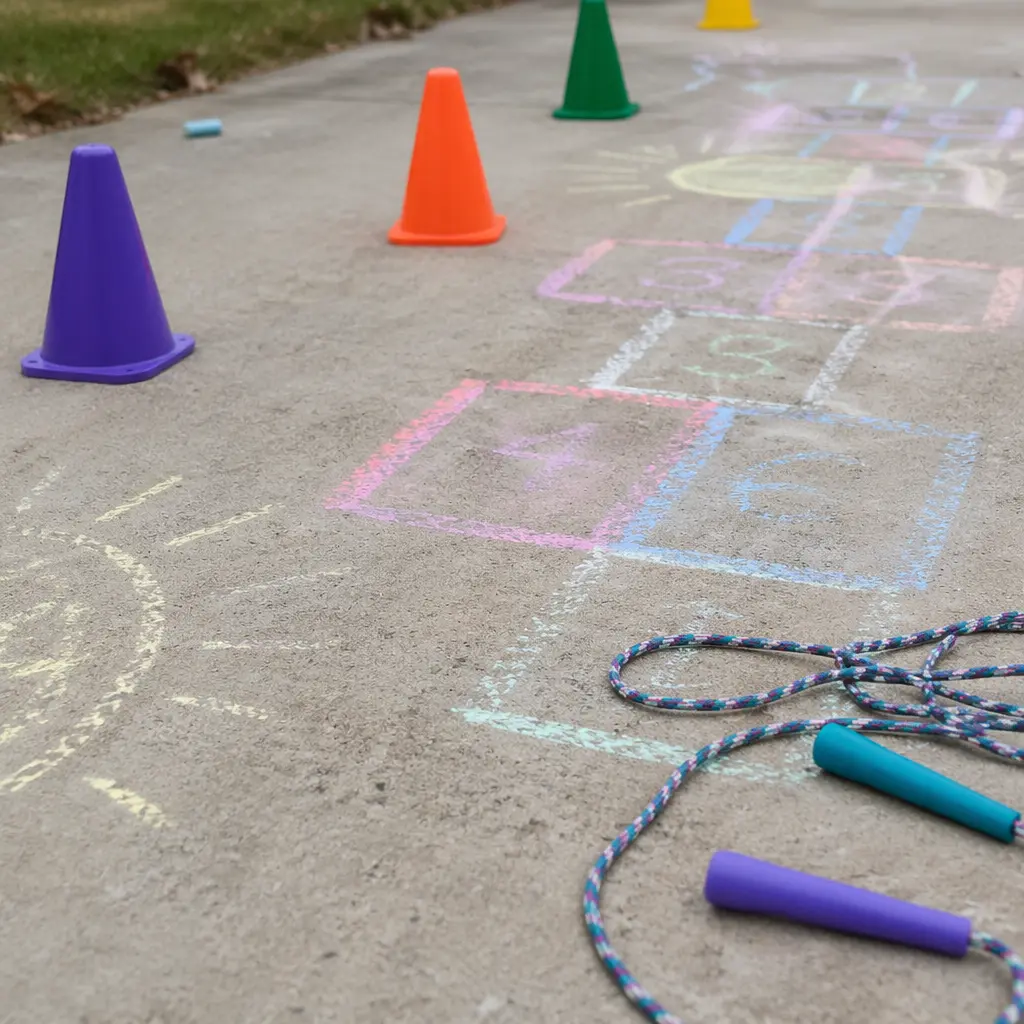
When choosing inexpensive outdoor toys for creative play, the goal is flexibility. The best options can be used in more than one way and don’t tell kids exactly how to play. Durability and safety matter too, especially for items that may get dragged, tossed, or shared among friends.
- Open-ended design: Items that don’t have a single “right” use encourage kids to invent rules and variations.
- Lightweight and portable: Easy-to-carry toys work in different outdoor spaces and make spontaneous play more likely.
- Durable materials: Look for items that can handle pavement, grass, and repeated drops.
- Low replacement cost: Affordable toys reduce stress if something breaks or gets lost.
- Minimal setup: The quicker kids can start playing, the longer they tend to stay engaged.
Age suitability
Kids ages 6–8 are in a sweet spot for imaginative outdoor play. They can follow multi-step rules, negotiate with peers, and adjust games when something isn’t working. Cheap outdoor toys at this age should support running, jumping, throwing, drawing, and balancing without being overly complex. Avoid items designed mainly for toddlers, which may feel limiting, and skip advanced sports gear that requires adult-sized strength or strict rules. The best choices grow with kids as their games become more detailed and competitive.
Standout categories or types
Certain categories of low-cost outdoor toys consistently shine when it comes to kid-invented games. These items act like building blocks for play, letting kids remix ideas from sports, playground games, and their own imaginations.
- Marking and drawing tools: Items like chalk or markers for pavement let kids create courts, targets, obstacle paths, and scoreboards.
- Ropes and lines: Jump ropes or long cords can become boundaries, challenges, or tools for timing and coordination games.
- Throw-and-catch basics: Simple balls, beanbags, or soft flying toys work for countless rule variations and team setups.
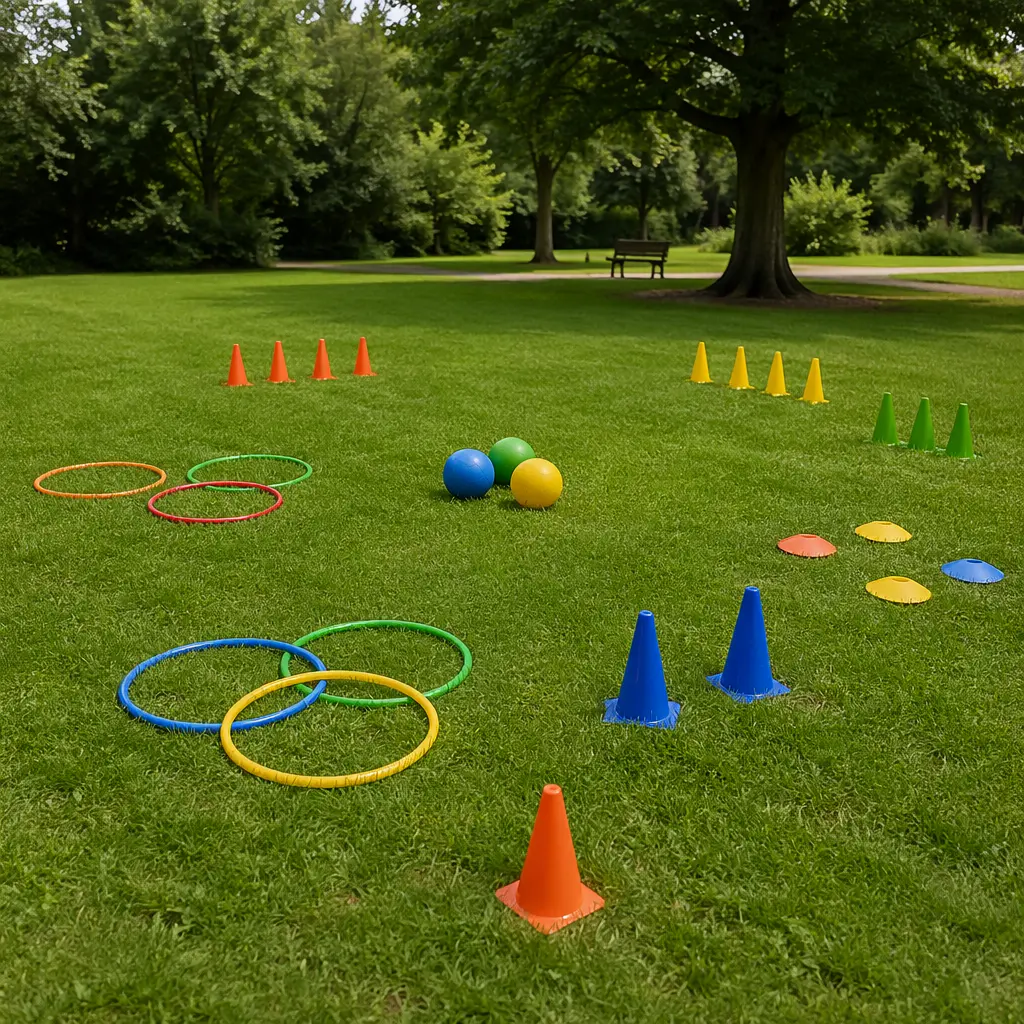
- Movement markers: Cones, spots, or hoops help kids design races, drills, and pretend courses.
- Balance and skill items: Stepping stones or balance tools encourage careful movement and creative challenges.
Mixing a few items from different categories often leads to the most creative play. For example, kids might use markers to draw zones, cones to mark goals, and soft balls to invent an entirely new game that changes every round. Because these toys are inexpensive, families can build a small collection over time without committing to one specific activity.
Frequently asked questions
Why are simple toys better for creativity?
Simple toys don’t come with fixed stories or strict instructions, so kids have to decide how to use them. This encourages problem-solving, communication, and imaginative thinking as they make up rules and adapt them during play.
How many toys do kids need to invent games?
Often, just one or two items are enough. A single rope or ball can support many different games. Adding a few complementary pieces expands options but isn’t required for fun.
Do these toys work for solo play?
Yes. Many open-ended outdoor toys can be used alone for practice, challenges, or imaginative scenarios. They also scale easily when friends or siblings join in.
Are cheap outdoor toys durable enough?
Durability varies, but many low-cost classics are designed for repeated outdoor use. Checking material thickness and avoiding fragile parts can help ensure they last through active play.
Cheap outdoor toys that encourage kids to invent their own games offer strong value beyond their price. They support physical activity, creativity, and social skills while giving kids ownership over how they play. With a few flexible, low-cost items and some open space, kids ages 6–8 can turn almost any afternoon into an active, imaginative adventure.