Cheap Outdoor Toys Preschoolers Play With Every Day
A parent-friendly guide to classic, low-cost outdoor toys for ages 3–5 that keep kids moving and engaged—no batteries required.
Compare prices and availability
Check current prices and availability for this guide on eBay.
As an eBay Partner, we may be compensated if you make a purchase.
Outdoor play doesn’t need to be expensive to be effective. For preschoolers ages 3–5, simple toys often hold attention longer than flashy options with buttons or screens. The best low-cost outdoor toys invite movement, imagination, and repetition—things kids naturally enjoy doing again and again. This guide highlights classic, affordable choices that encourage daily play without batteries, apps, or complicated setup.
What to look for
When shopping on a budget, focus on toys that support open-ended play and physical activity. Preschoolers benefit most from items that are easy to understand, safe to use, and flexible enough to grow with their skills.
- Durability: Thick rubber, solid plastic, or sealed wood tends to last longer outdoors.
- Open-ended use: Toys that can be used in multiple ways stay interesting longer.
- Easy storage: Lightweight items that stack or hang are simpler to keep handy.
- Low setup time: If it’s quick to grab and play, it’s more likely to be used daily.
- Replaceable or refillable parts: Chalk, bubbles, and balls are easy to replenish.
Age suitability
For ages 3–5, outdoor toys should match developing coordination and attention spans. Look for sizes that fit smaller hands, rules that are easy to explain, and activities that allow frequent breaks. Many classic toys scale naturally—what starts as simple tossing or drawing can turn into games, challenges, or imaginative scenarios as skills grow.
Standout categories or types
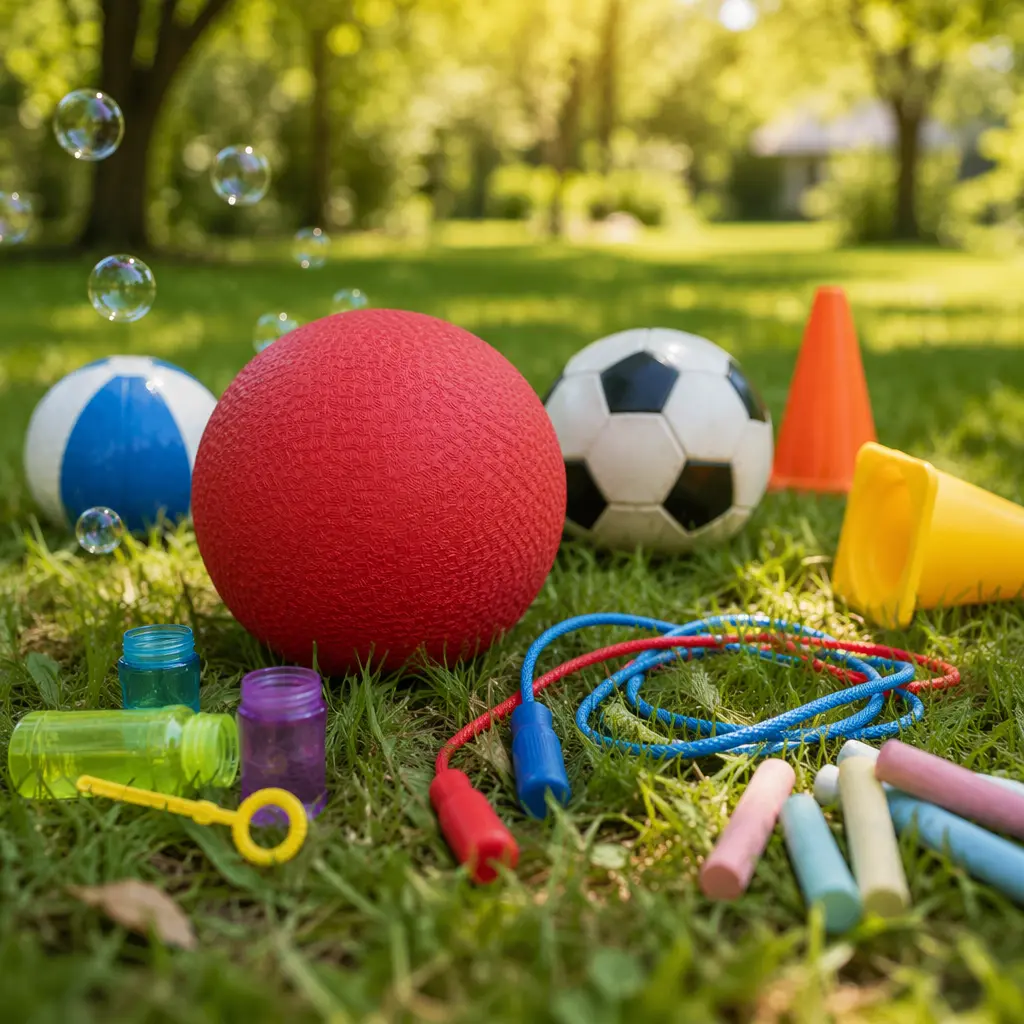
Some categories consistently deliver strong play value for very little money. Balls are a top example—kicking, throwing, rolling, and chasing all support gross motor skills. Sidewalk chalk encourages creativity and is easy to adapt to different ages, from scribbles to hopscotch paths. Bubble toys add instant excitement while helping kids practice breath control and hand-eye coordination.
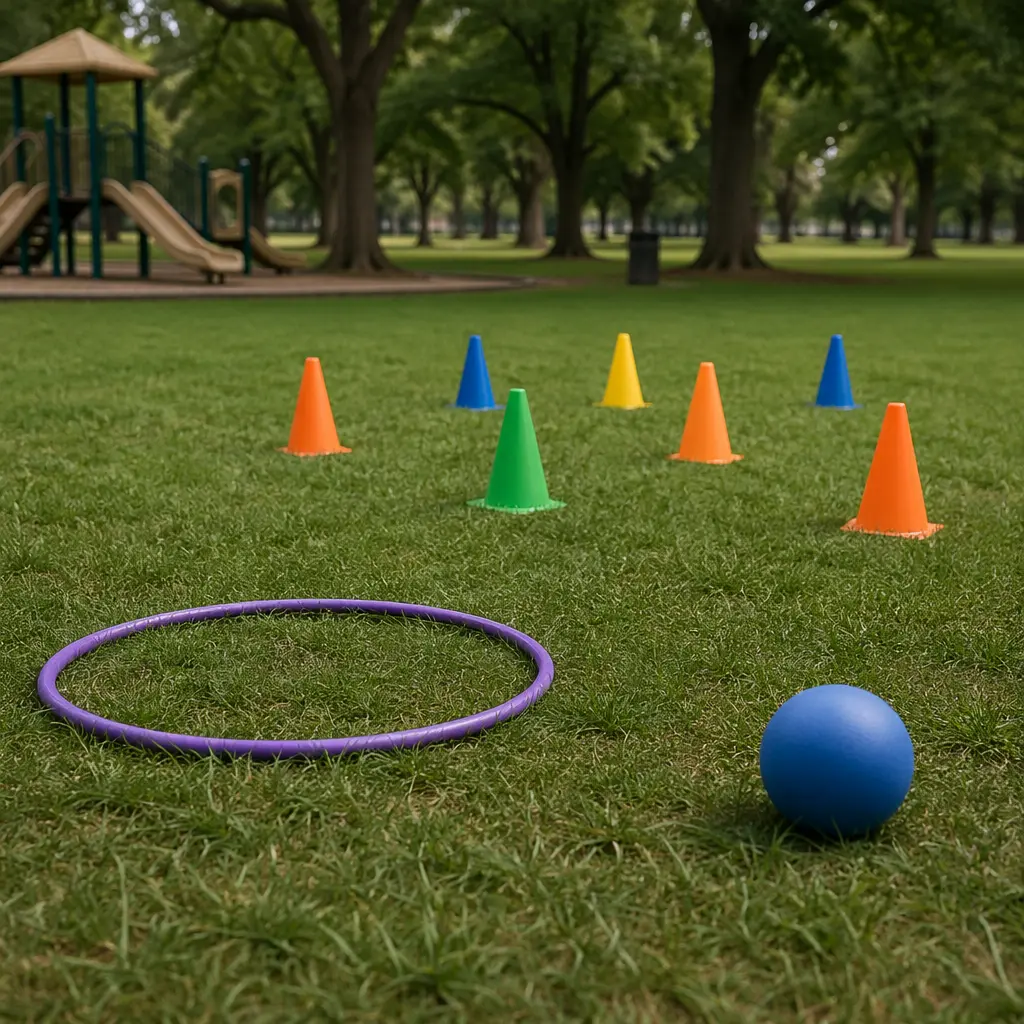
Movement-focused items like jump ropes, hula hoops, and cones support active games without strict rules. These toys are especially useful for short bursts of play throughout the day. Imaginative props—such as buckets, scoops, or toy gardening tools—turn outdoor spaces into pretend kitchens, construction zones, or nature labs, all at a low cost.
Frequently asked questions
How cheap is too cheap when it comes to outdoor toys?
Low price doesn’t have to mean low quality, but very thin plastic or poorly sealed wood may not last. Check for sturdy construction and smooth edges. Spending a little more on durability can save money over time.
Do battery-free toys really keep kids engaged?
Yes. Preschoolers often prefer toys they can control fully. Open-ended items let them invent games, repeat favorite actions, and play at their own pace, which supports longer and more frequent use.
How many outdoor toys does a preschooler need?
A small rotation is usually enough. Five to eight simple items can cover a wide range of activities. Rotating them weekly can make familiar toys feel new again.
Are these toys suitable for small yards or patios?
Many are. Chalk, bubbles, and small balls work well in limited spaces. Look for toys that don’t require running long distances or permanent setup.
Classic outdoor toys have stayed popular for a reason: they’re affordable, flexible, and fun. By choosing simple, well-made items that encourage movement and imagination, parents can support daily outdoor play without overspending or relying on electronics.