Cheap Outdoor Toys That Survive Rough Preschool Play
A buyer’s guide to budget-friendly outdoor toys for ages 3–5 that can handle daily, energetic play. Learn what materials last, which categories hold up best, and how to choose safe, durable classics.
Compare prices and availability
Check current prices and availability for this guide on eBay.
As an eBay Partner, we may be compensated if you make a purchase.
Preschoolers don’t go easy on their toys. Outdoor play at ages 3–5 often means dragging, throwing, stomping, and leaving toys outside longer than planned. The good news is that you don’t need expensive gear to keep up. Many low-cost outdoor toys are simple by design, which often makes them tougher and easier to replace. This guide focuses on budget-friendly outdoor toys that stand up to rough, daily use while still supporting active, imaginative play.
What to look for
When shopping on a budget, durability matters more than extra features. Preschoolers benefit from toys that can be used in many ways and survive being shared, dropped, and left outdoors. Focus on construction and materials rather than flashy add-ons.
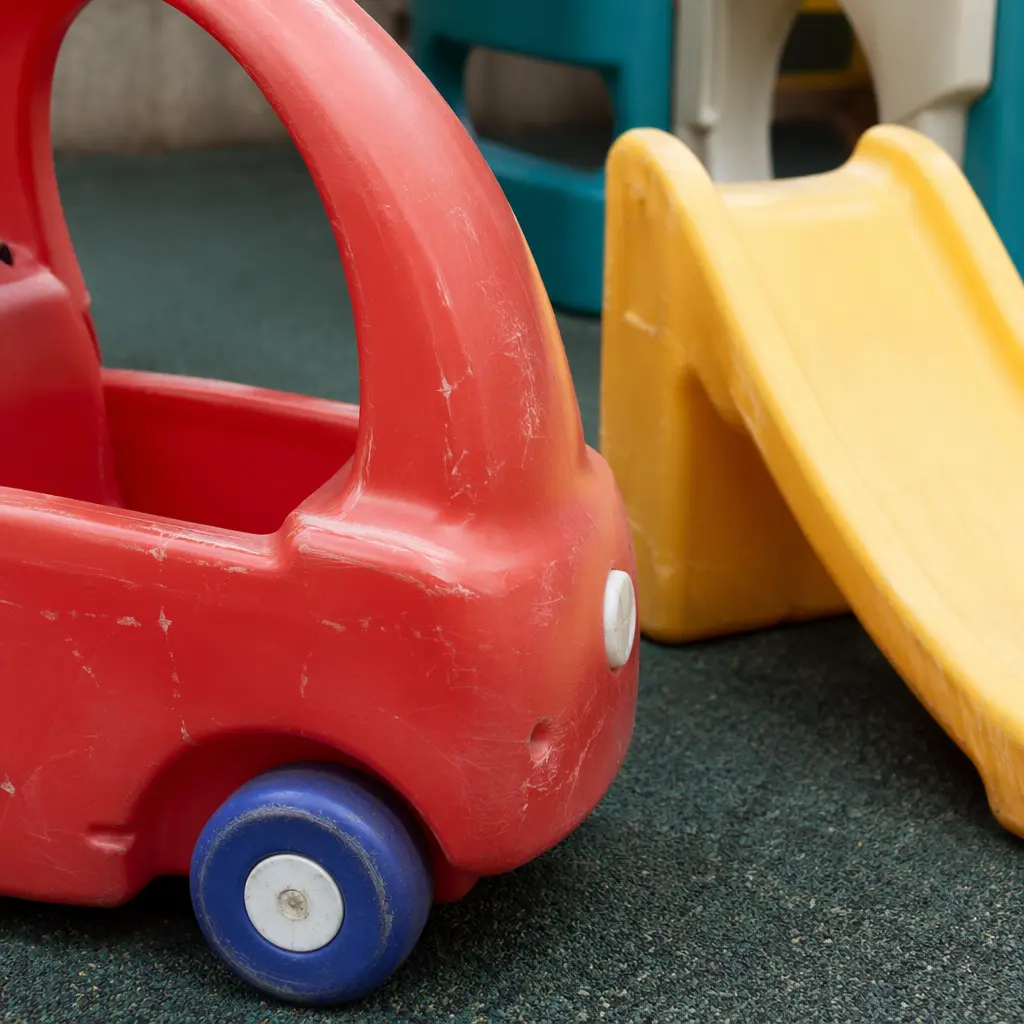
- Thick plastic or solid wood: Flexible, thick materials resist cracking better than thin or brittle parts.
- Few moving pieces: Toys with simple shapes and limited mechanisms tend to last longer.
- Weather resistance: Look for toys designed to handle sun exposure and occasional rain.
- Easy to clean: Hose-off or wipe-down surfaces help toys last through messy play.
- Weight and stability: Heavier toys are less likely to tip or break during energetic use.
Age suitability
For children ages 3–5, outdoor toys should match growing strength and coordination without introducing unnecessary risk. Toys in this age band should be large enough not to pose a choking hazard and sturdy enough to support climbing, pushing, or riding. Many classic outdoor toys are labeled for wide age ranges, but preschoolers do best with scaled-down versions that fit their size while still encouraging big movement.
Standout categories or types
Some categories of outdoor toys consistently outperform others when it comes to cost versus longevity. These options are often inexpensive because they rely on basic designs, yet they support a wide range of play styles.
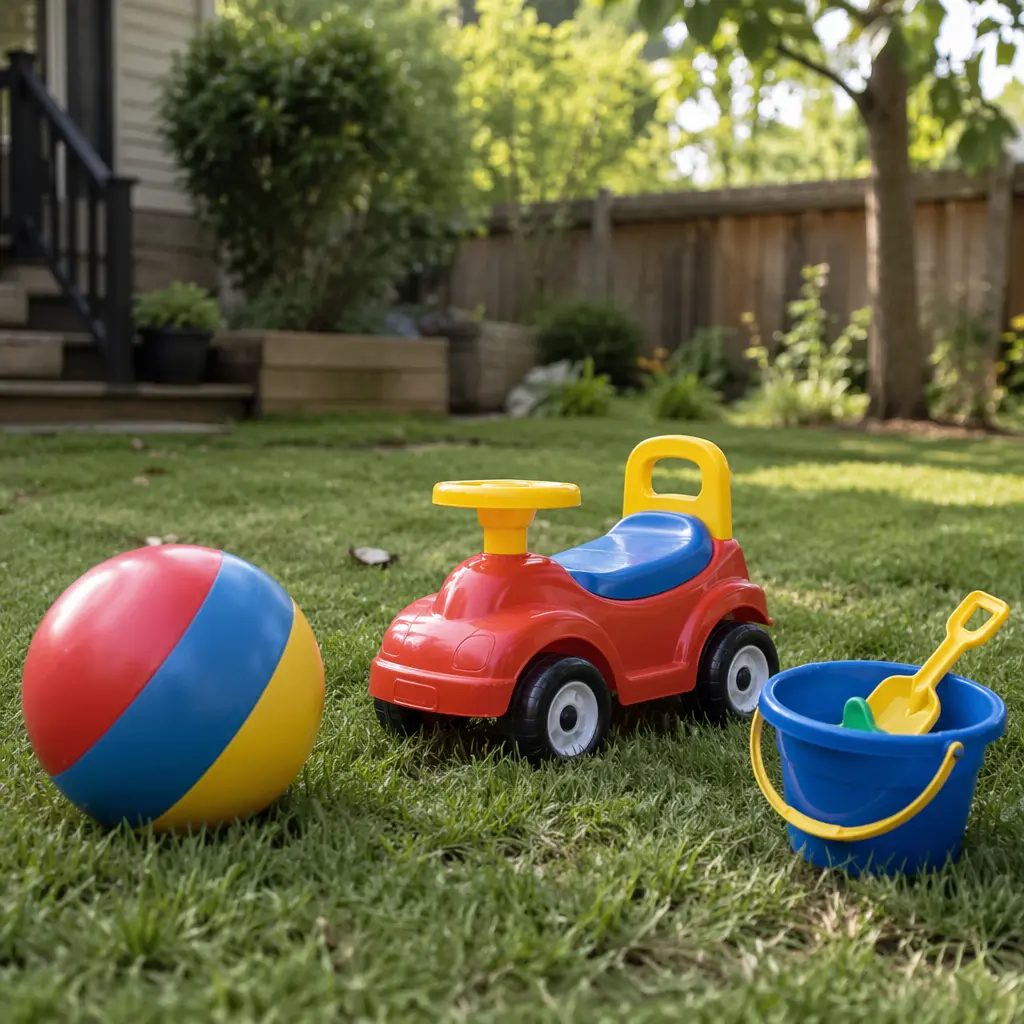
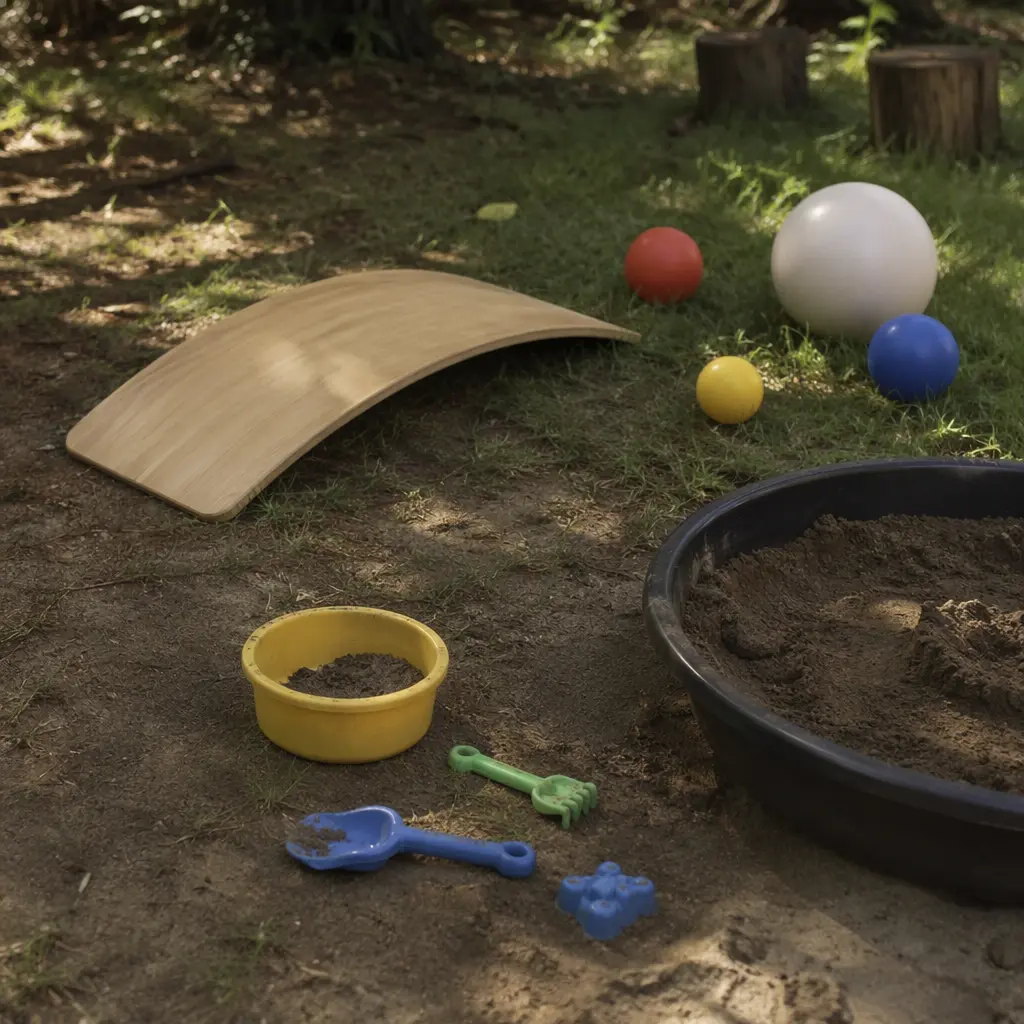
- Balls and kick toys: Thick rubber or foam balls are among the cheapest outdoor toys and can last for years with minimal care.
- Ride-on toys without pedals: Push-powered ride-ons have fewer parts to break and help build balance and leg strength.
- Sand and dirt play tools: Buckets, shovels, and molds made from heavy plastic are easy to replace individually if one breaks.
- Water play basics: Simple sprinklers or pour-and-splash toys tend to be more durable than complex water tables.
- Climbing and stepping toys: Low-profile stepping stones or balance pieces encourage gross motor play without needing permanent installation.
Frequently asked questions
Are cheaper outdoor toys less safe?
Not necessarily. Safety depends more on design and materials than price. Simple toys made from solid materials can be just as safe as higher-priced options, as long as they meet safety standards and are used as intended.
How long should budget outdoor toys last?
With regular use, many inexpensive outdoor toys can last one to several seasons. Longevity improves when toys are stored out of direct sun when possible and checked for damage throughout the year.
Is it better to buy sets or single items?
Single items are often easier to replace and usually hold up better. Sets can be cost-effective, but they may include smaller or thinner pieces that wear out faster.
What materials hold up best outdoors?
UV-resistant plastic, sealed wood, and thick rubber are common materials that handle outdoor conditions well. Avoid thin plastics that feel brittle, as they are more likely to crack.
Choosing cheap outdoor toys doesn’t mean settling for disposable playthings. By focusing on classic categories, sturdy materials, and simple designs, parents can build an outdoor toy collection that keeps up with rough preschool play. These budget-friendly options encourage active movement, imagination, and social play—without the worry of frequent replacements.