Cheap Outdoor Toys Kids Invent Games With
A parent-friendly guide to low-cost outdoor toys that spark imagination. Learn what to look for, age fit for 6–8 year olds, and how simple gear encourages kids to invent their own games.
Compare prices and availability
Check current prices and availability for this guide on eBay.
As an eBay Partner, we may be compensated if you make a purchase.
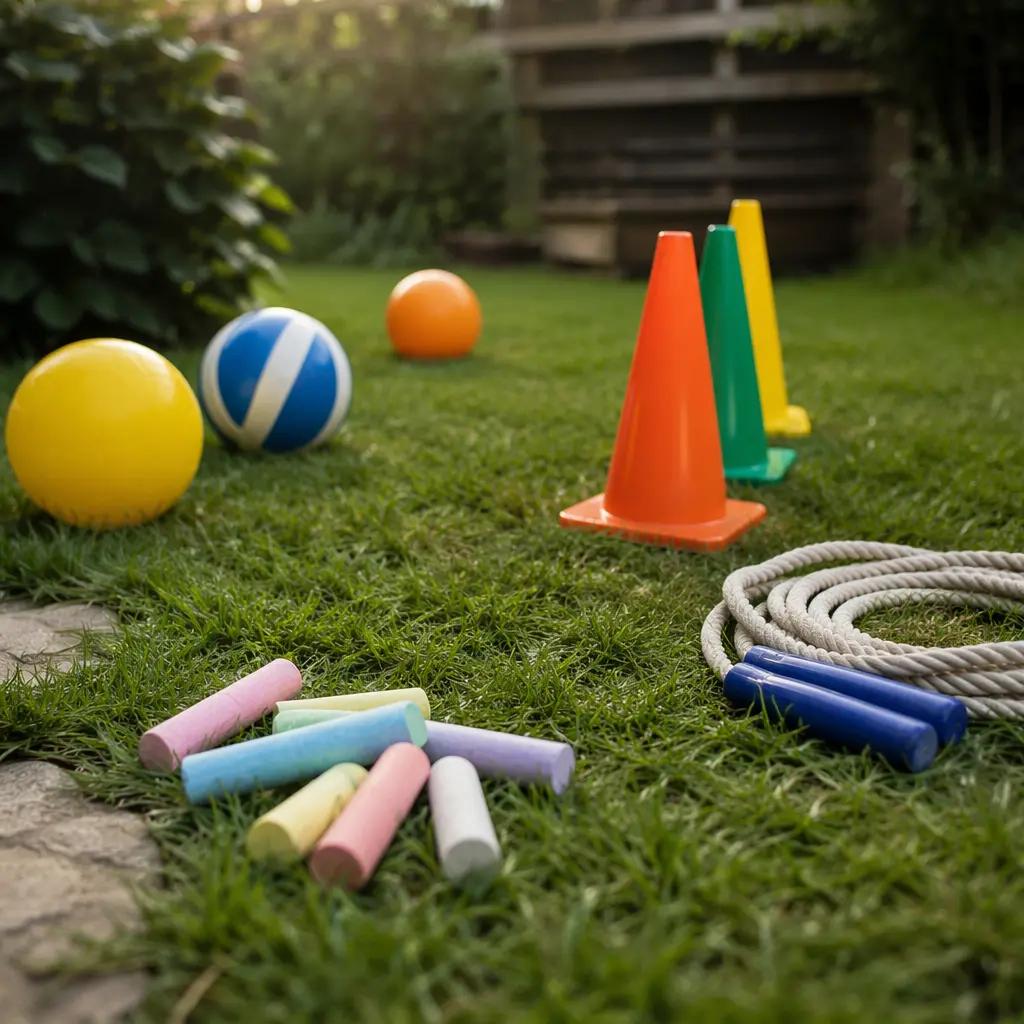
For kids ages 6–8, the best outdoor toys are often the simplest ones. Low-cost classics without fixed rules invite children to make up their own games, change the rules mid-play, and include friends of different ages. Instead of telling kids what to do, these toys hand over control—supporting creativity, problem-solving, and plenty of active movement.
What to look for
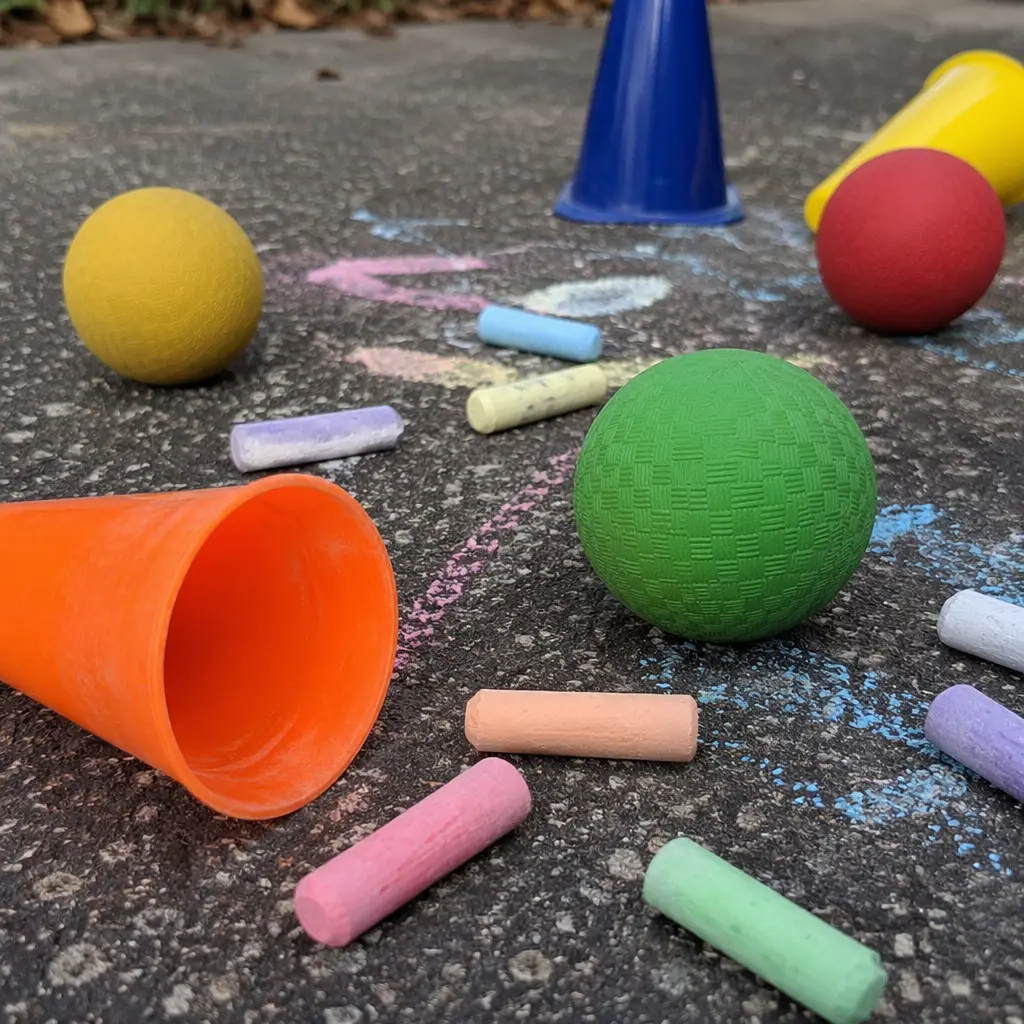
When shopping on a budget, focus less on features and more on flexibility. The goal is to find items that can be used in many ways, by one child or a group, and that don’t depend on batteries, screens, or instructions.
- Open-ended design: Toys without set rules encourage kids to invent games and adapt play as they go.
- Durability: Look for materials that can handle rough pavement, grass, and repeated drops.
- Easy storage: Lightweight items that stack, coil, or fit in a small bin are easier to bring outside often.
- Low replacement cost: Affordable toys reduce stress if something breaks or gets lost.
- Room for teamwork: Items that naturally involve sharing or turn-taking help kids play together.
Age suitability
Children ages 6–8 are in a sweet spot for imaginative outdoor play. They can follow basic safety rules, negotiate with peers, and enjoy light competition without needing strict structure. Simple toys work well because kids at this age like to tweak rules, combine items, and build longer games that evolve over time. Look for toys that don’t feel babyish but also don’t require advanced skills or strength.
Standout categories or types
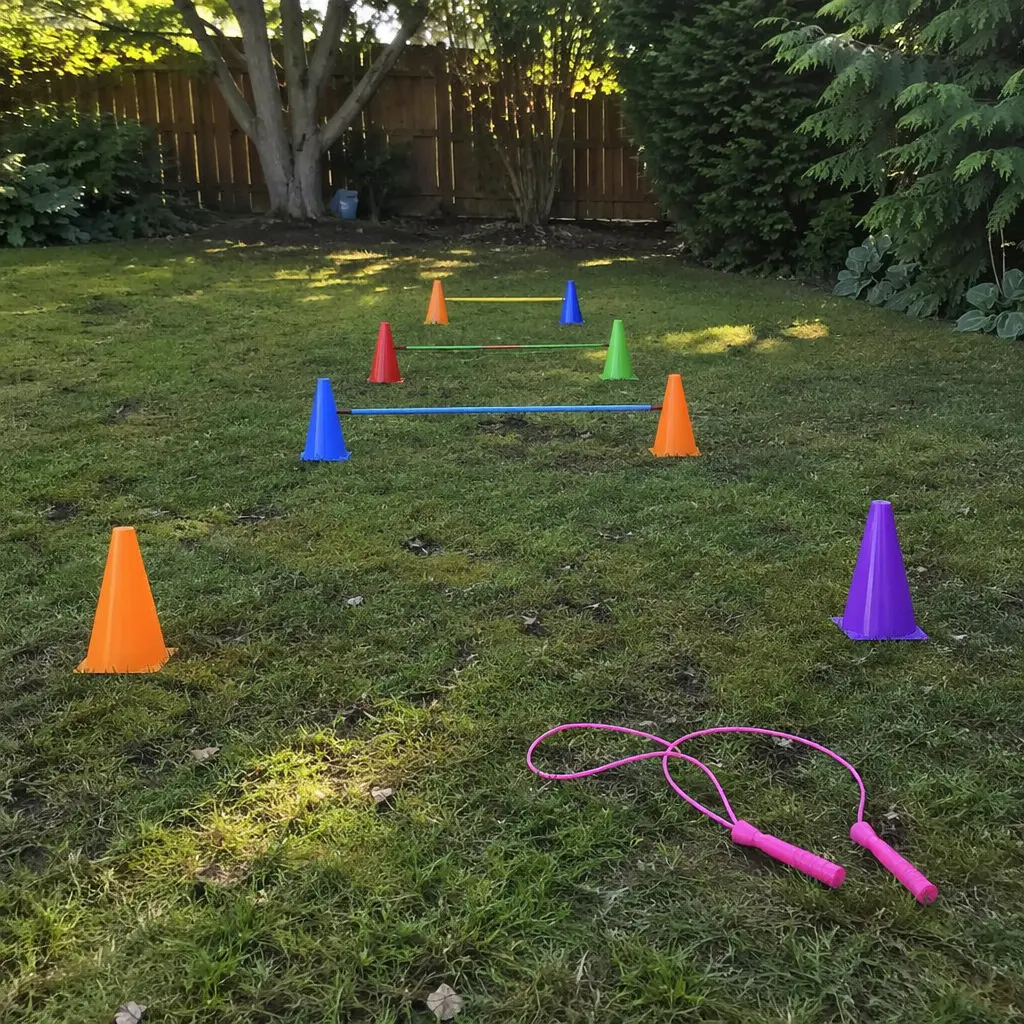
Some categories of outdoor toys consistently inspire creative play because they act as tools rather than games. These items can become almost anything depending on the day, the group, and the setting.
- Balls of different sizes: Useful for invented sports, target games, and cooperative challenges.
- Chalk and markers for pavement: Great for drawing courts, maps, hop paths, or scoring systems.
- Cones, buckets, or markers: Perfect for obstacle courses, bases, goals, or boundaries.
- Ropes or lines: Can be jump tools, balance challenges, tug games, or imaginary borders.
- Flying toys without motors: Encourage experimentation with throwing, aiming, and teamwork.
These categories stand out because kids can mix them together. A few cones plus a ball and chalk can turn a driveway into a brand-new game every afternoon. That flexibility often keeps interest longer than toys with a single purpose.
Frequently asked questions
Are cheap outdoor toys less durable?
Not always. Many low-cost classics are simple by design, which can make them surprisingly tough. Fewer moving parts usually means fewer things to break. Checking material thickness and flexibility can help avoid flimsy options.
Will kids get bored without set rules?
For most kids in this age range, the opposite is true. Open-ended toys let them change games as their interests shift. If boredom does pop up, adding one new item or a simple challenge often refreshes play.
How many items do kids actually need?
A small collection goes a long way. Two or three versatile items can support dozens of invented games. More isn’t always better; too many choices can sometimes overwhelm play.
Do these toys work for solo play?
Yes. Many open-ended toys are just as engaging alone as they are with friends. Kids can set personal challenges, practice skills, or create imaginary scenarios on their own.
Cheap outdoor toys that spark creativity don’t rely on trends or technology. By choosing simple, flexible items, parents can support active play that grows with their child—without spending much or replacing toys every season.