Cheap No‑Battery Outdoor Toys for Preschool Play
A budget‑friendly guide to classic outdoor toys for ages 3–5 that don’t need batteries. Learn what to look for, age fit, safety tips, and popular types that encourage everyday active play.
Compare prices and availability
Check current prices and availability for this guide on eBay.
As an eBay Partner, we may be compensated if you make a purchase.
Outdoor play doesn’t need screens, apps, or batteries to be fun. For preschoolers ages 3–5, some of the most engaging toys are also the simplest—and often the least expensive. This guide focuses on classic, no‑battery outdoor toys that support everyday play, hold up to regular use, and fit a family budget. These options are easy to store, quick to set up, and flexible enough for backyard time, parks, or sidewalk play.
What to look for
When shopping on a budget, it helps to focus on toys that earn repeat play. Preschoolers are still building basic motor skills and imagination, so durability and open‑ended use matter more than bells and whistles.
- Durable materials that can handle drops, dragging, and outdoor storage
- Simple designs that don’t break easily or require replacement parts
- Open‑ended play value, allowing kids to invent games and use the toy in different ways
- Size and weight appropriate for small hands and developing coordination
- Easy cleanup and storage, especially for shared or small outdoor spaces
Age suitability
For ages 3–5, outdoor toys should match preschoolers’ growing independence while still being manageable and safe. At this stage, children can run, jump, throw, and balance with more control, but they still benefit from toys that move slowly and predictably. Look for items labeled for preschool use, with smooth edges and lightweight construction. Adjustable or flexible toys can grow with your child through the early school years, stretching the value of a low-cost purchase.
Standout categories or types
Certain categories of no‑battery toys consistently deliver strong value for preschool families. These classics are widely available, affordable, and easy to replace if they wear out.
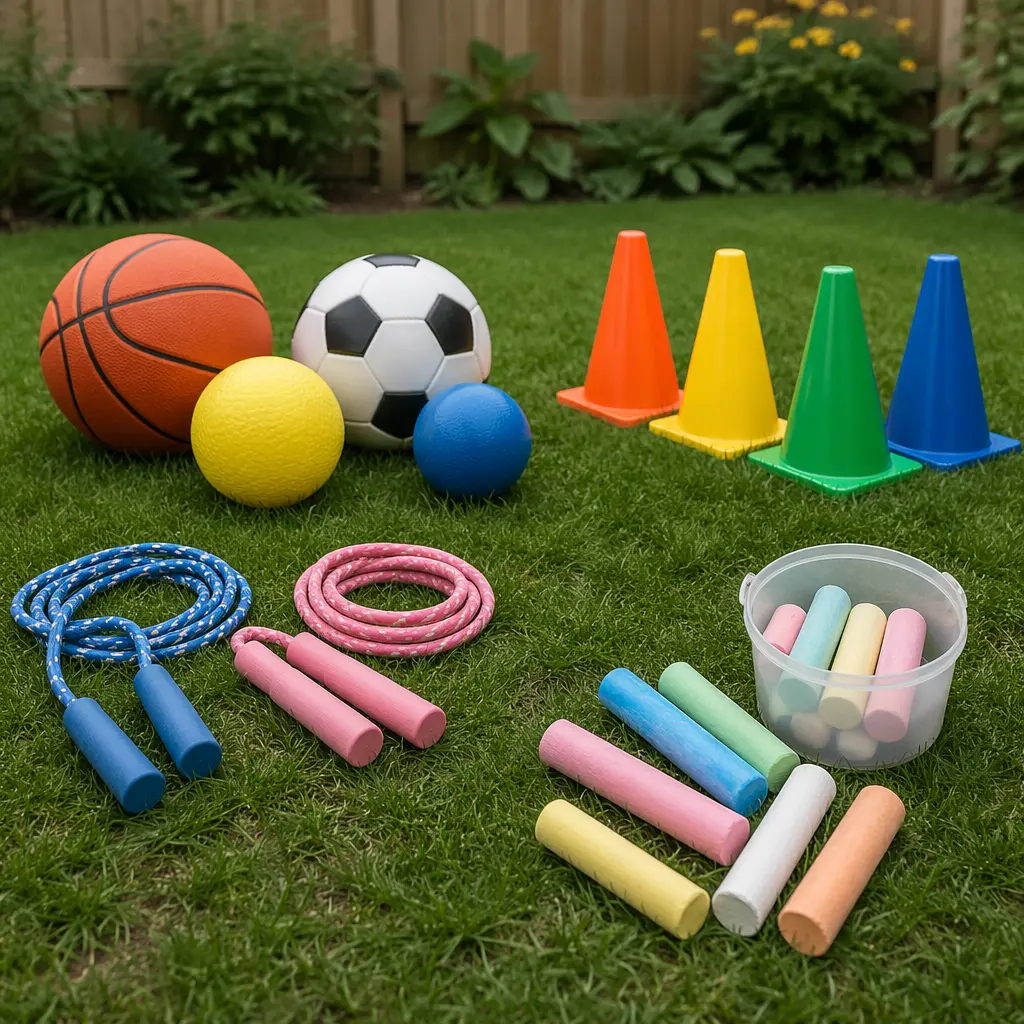
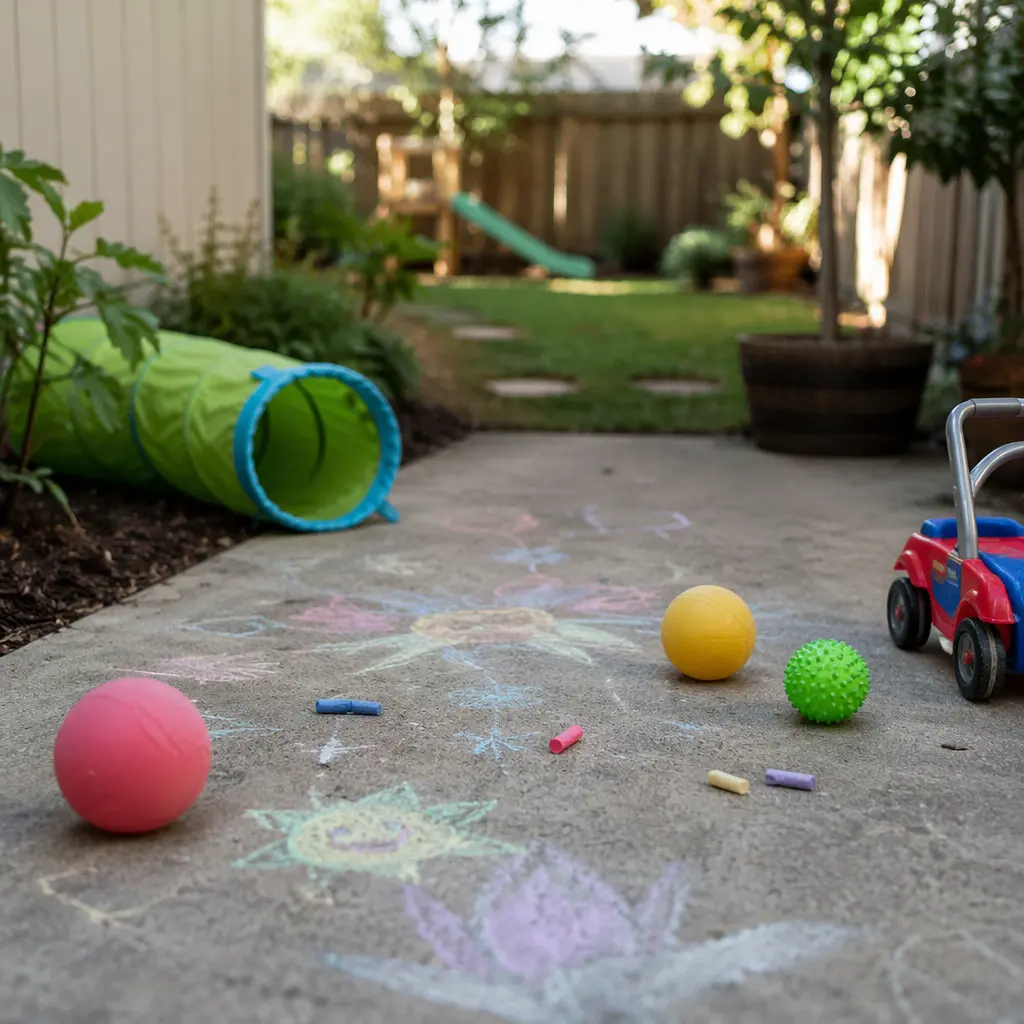
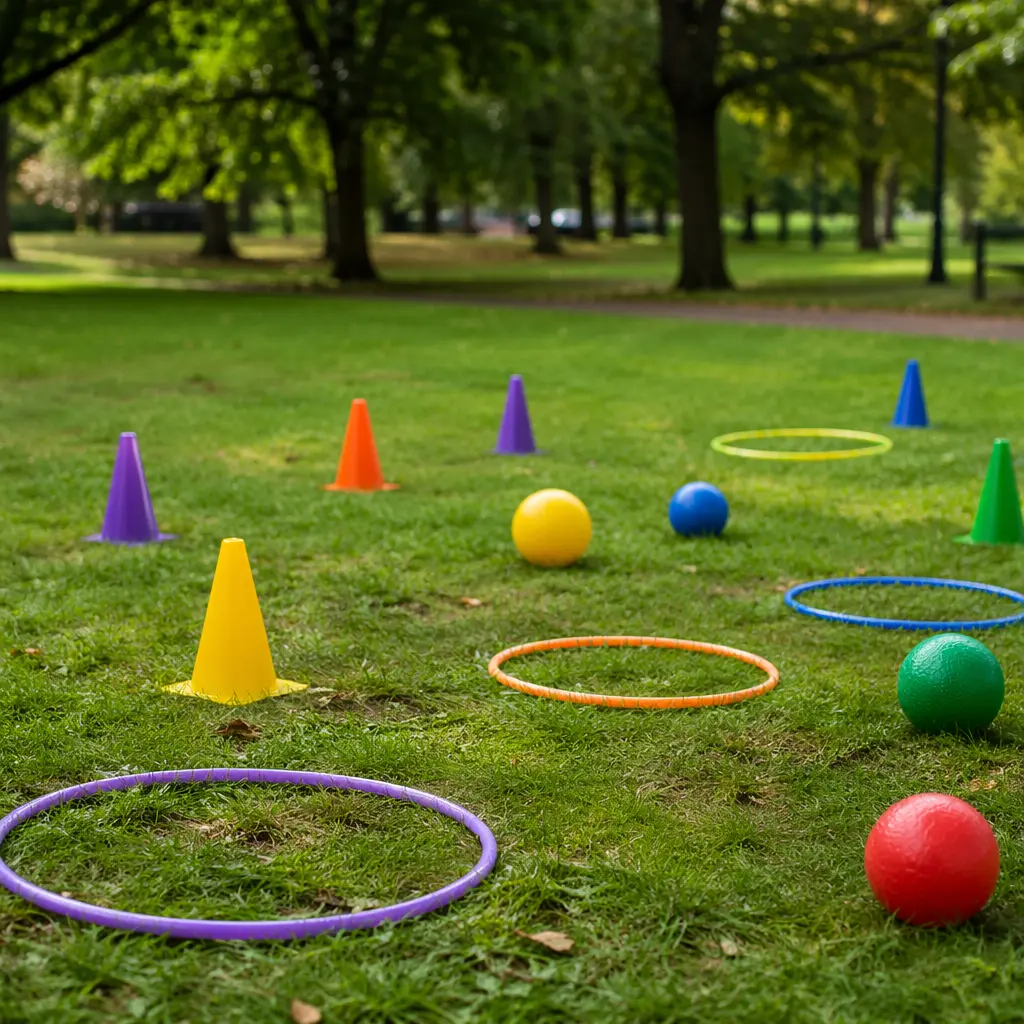
- Balls of various sizes for throwing, kicking, rolling, and cooperative games
- Ride‑on or push toys powered by feet, which support balance and leg strength
- Sidewalk chalk and washable drawing tools for creative outdoor art
- Hoops, cones, and markers that help set up obstacle courses and movement games
- Jump ropes and balance items that encourage coordination at a gentle pace
These types work well because they invite movement without strict rules. A single item can become many different games, especially when kids play together. Since there are no electronics involved, children control the pace of play, and parents don’t have to worry about charging, volume, or broken components.
Frequently asked questions
Are no‑battery toys really engaging for preschoolers?
Yes. Preschoolers often stay engaged longer with toys that let them move and imagine freely. Without lights or sounds dictating the play, kids create their own challenges and stories.
How much should I expect to spend?
Many classic outdoor toys fall into a low price range and can be found individually or in small sets. Because they don’t require power or updates, the long‑term cost is usually lower than electronic toys.
Can these toys be used in small outdoor spaces?
Most can. Items like chalk, small balls, or cones work on patios, sidewalks, and shared yards. Look for toys that don’t require high speeds or long run‑ups.
Do these toys help with development?
They support gross motor skills, balance, coordination, and social play. Many also encourage problem‑solving and creativity as children invent new ways to play.
Cheap, no‑battery outdoor toys show that everyday play doesn’t have to be complicated or expensive. By choosing simple, durable items that invite movement and imagination, parents can build an outdoor play collection that gets used often and grows with their preschooler—without adding clutter or ongoing costs.