Cheap Outdoor Toys Kids Can Play Without Rules
A buyer-focused guide to classic, low-cost outdoor toys that let kids invent their own games. Learn what to look for, age fit for 6–8 year olds, safety notes, and flexible toy types that spark creativity.
Compare prices and availability
Check current prices and availability for this guide on eBay.
As an eBay Partner, we may be compensated if you make a purchase.
Not every great outdoor toy comes with instructions, batteries, or a big price tag. For kids ages 6–8, some of the best play happens with simple, open-ended toys that don’t tell them what to do. These classic options encourage kids to make up rules, change games on the fly, and play together in new ways. For parents, they’re also appealing because they’re usually affordable, easy to replace, and versatile enough to grow with your child.
What to look for
When shopping for rule-free outdoor toys, the goal is flexibility. The toy should support many kinds of play, not just one specific activity. Price matters too, especially for items that may get lost, worn out, or shared with friends.
- Open-ended design: Toys that can be used in multiple ways, rather than having a single goal or outcome.
- Durability: Look for materials that can handle being dropped, dragged, or left outside.
- Simple storage: Lightweight or stackable items are easier for kids to manage themselves.
- Group-friendly: Toys that work well for one child or a group encourage social play.
- Low replacement cost: Affordable toys reduce stress if something breaks or disappears.
Age suitability
Kids between 6 and 8 years old are often ready for more independence in outdoor play. They can follow basic safety rules but still enjoy the freedom to invent games without adult direction. At this age, toys should be physically manageable, not overly heavy, and free from small parts that could become hazards. Open-ended toys also adapt well to mixed-age play, making them useful when siblings or neighborhood friends join in.
Standout categories or types
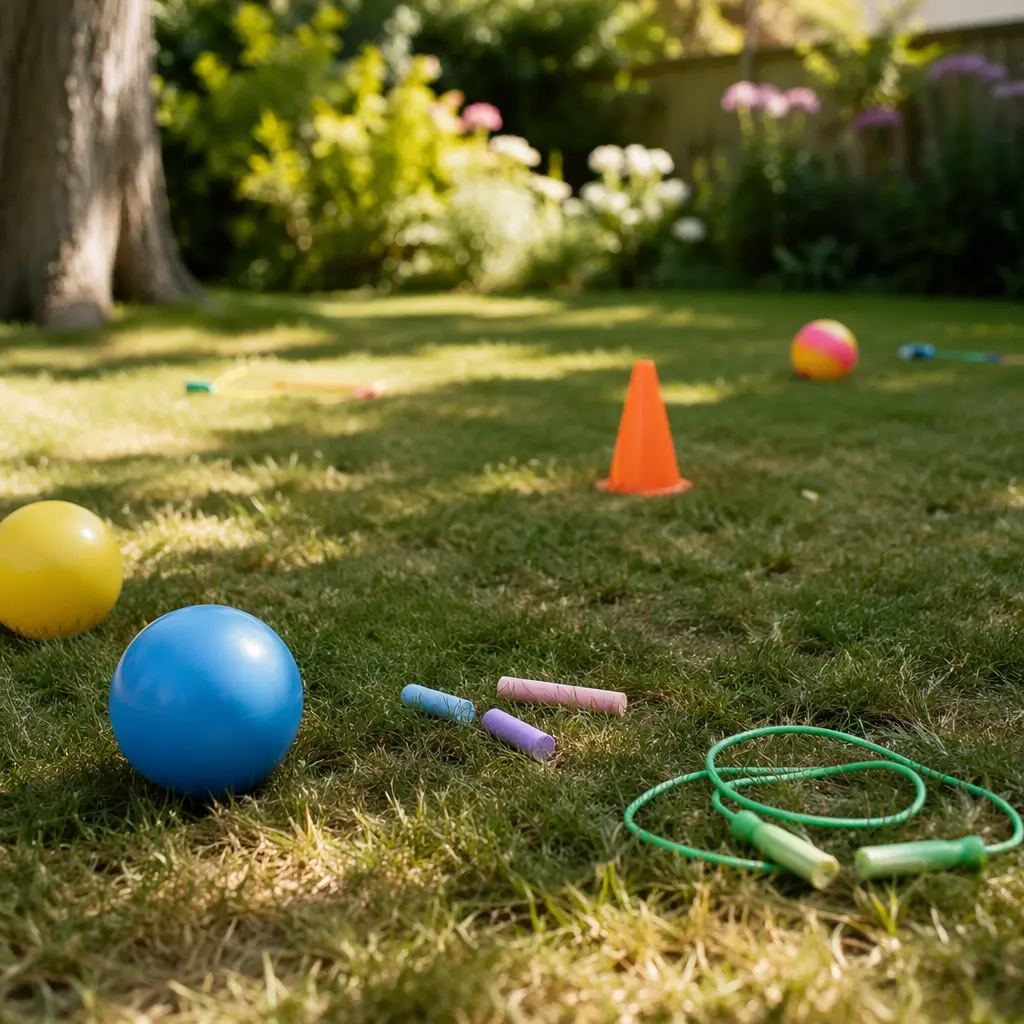
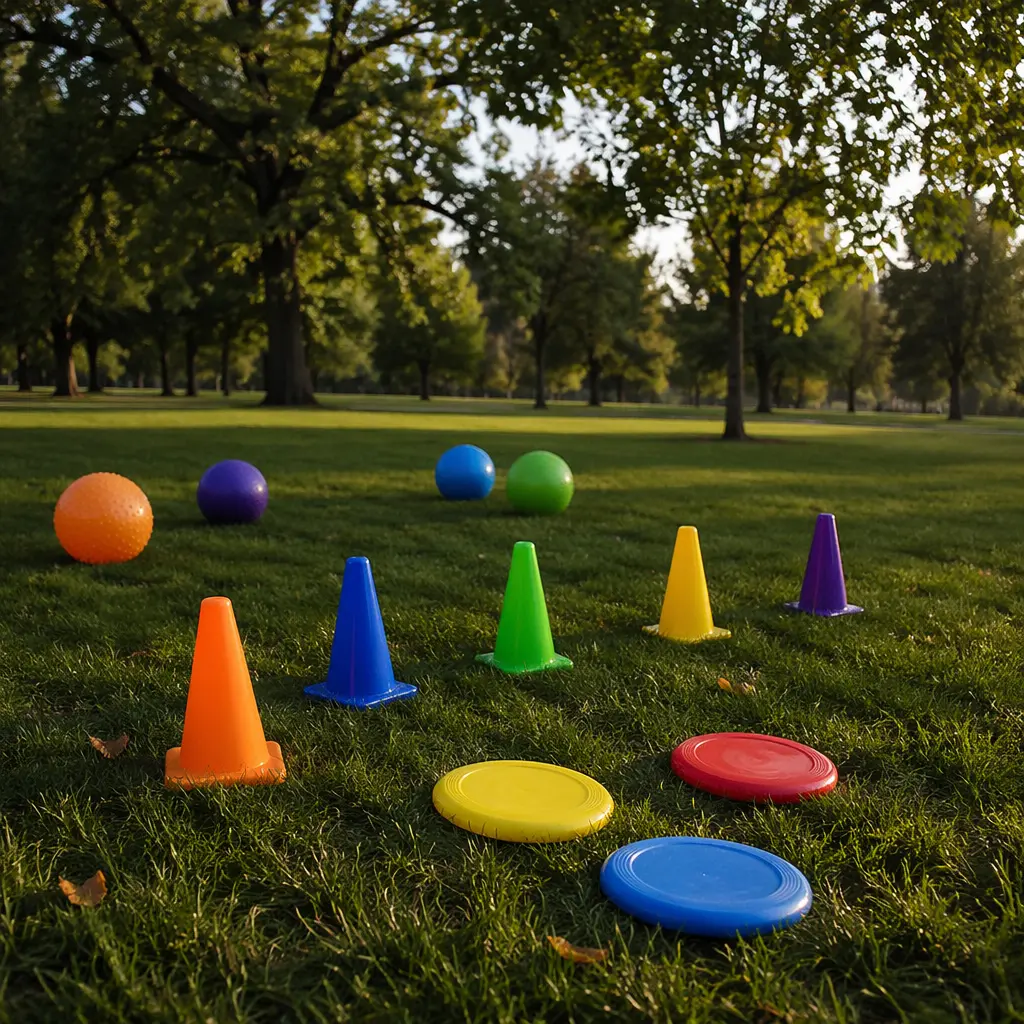
Certain types of outdoor toys have stayed popular for decades because they invite creativity instead of limiting it. Balls of different sizes and materials are a classic example. They can be used for tossing, kicking, bouncing, or entirely invented games that change every afternoon.
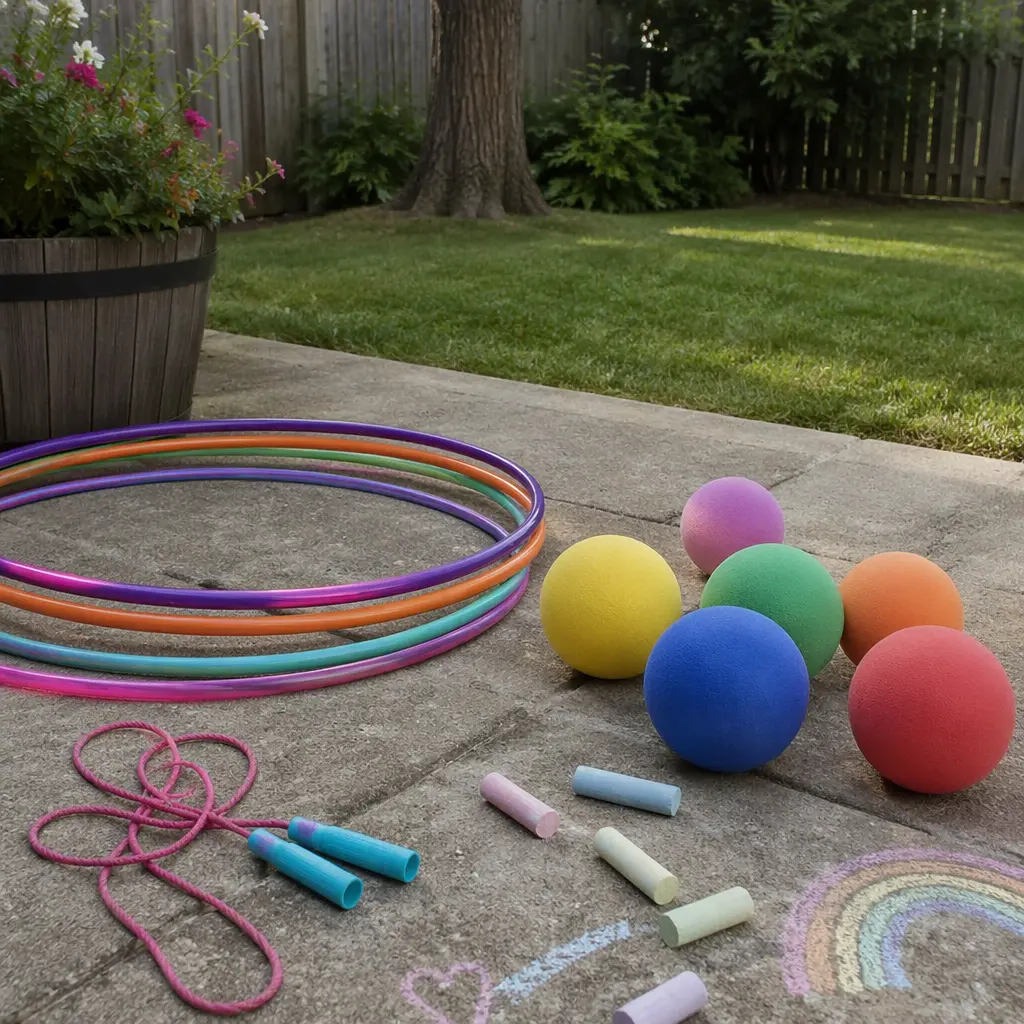
Other favorites include items that define space or movement. Hoops, cones, ropes, and markers help kids create courses, boundaries, or challenges without locking them into a single rule set. Creative supplies designed for outdoor use, such as washable marking tools, also encourage imaginative play that blends art with physical activity.
- Multi-size balls for throwing, kicking, or target games
- Hoops and rings for obstacle courses or jumping challenges
- Ropes for skipping, pulling, or marking lines
- Cones or markers to create goals, paths, or bases
- Outdoor drawing tools for games that mix movement and creativity
Frequently asked questions
Why choose toys without rules?
Toys without fixed rules encourage kids to think creatively, negotiate with peers, and adapt their play. This kind of flexibility supports problem-solving and social skills while keeping play fresh over time.
Are cheap toys less safe or durable?
Low cost doesn’t automatically mean low quality. Many classic outdoor toys are inexpensive because they’re simple. Focus on sturdy materials and smooth edges rather than added features.
How many open-ended toys does a child need?
A small collection is usually enough. A few versatile items can be combined in different ways, offering more play value than a large number of single-purpose toys.
Can these toys be used in small outdoor spaces?
Yes. Many open-ended toys work just as well in a driveway, patio, or small yard. The key is choosing items that don’t require long distances or fixed setups.
Cheap outdoor toys without rules prove that active, imaginative play doesn’t need to be complicated or expensive. By choosing simple, flexible items, parents can support creativity, movement, and social play while keeping costs low. These classics often become the toys kids return to again and again, each time with a new idea in mind.