Kendama: How an old skill toy became a social-video favorite
The kendama has existed in various forms for centuries, but short-form video turned the wooden cup-and-ball toy into a modern trick phenomenon shared by kids, teens, and adults.
Compare prices and availability
Check current prices and availability for this guide on eBay.
As an eBay Partner, we may be compensated if you make a purchase.
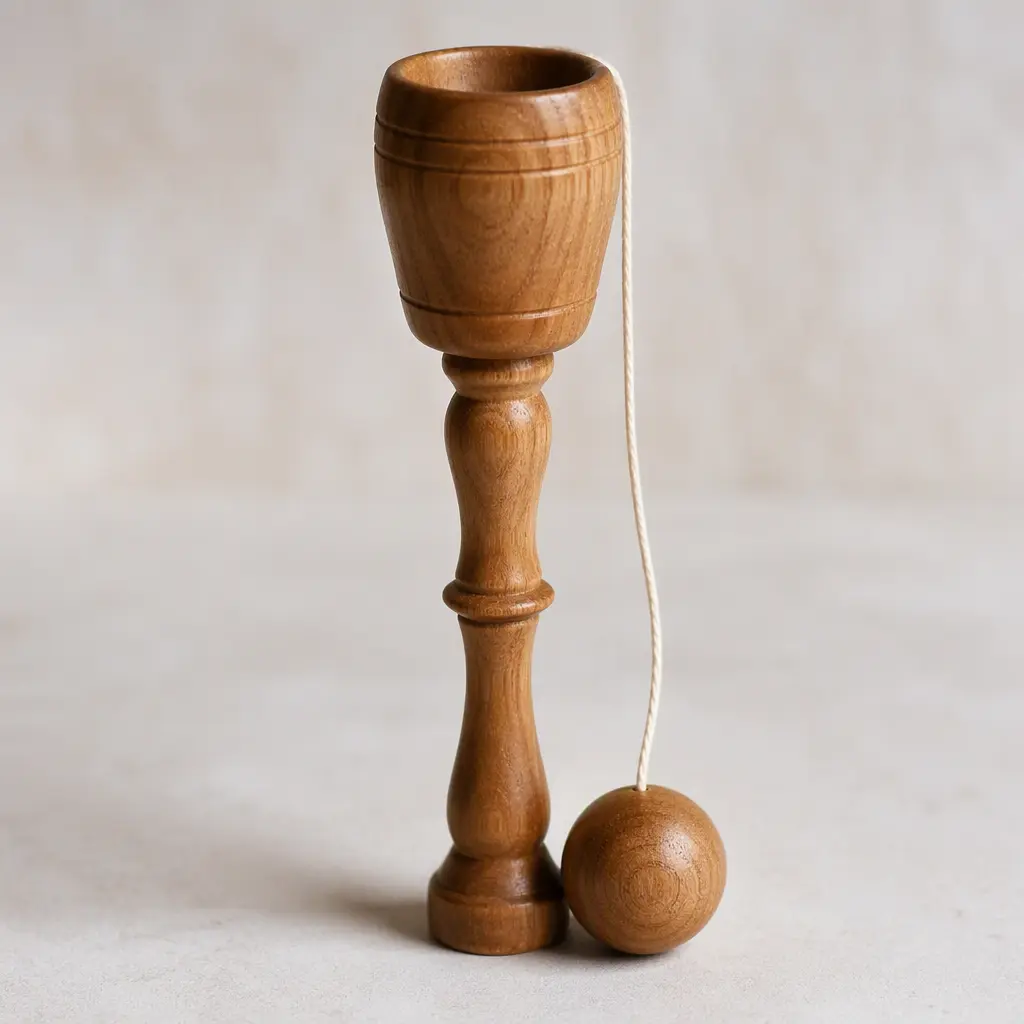
The kendama looks simple at first glance: a wooden handle with cups and a spike connected by string to a wooden ball. Yet that straightforward design has kept players occupied for generations. In recent years, the toy has gained a much larger audience through short-form video clips showing increasingly difficult catches, balances, and trick combinations. What was once mainly associated with playgrounds and traditional toy shops is now part of a global hobby scene that mixes hand-eye coordination, performance, and online creativity.
Where it came from
The modern kendama is most closely associated with Japan, where the toy became standardized during the early 20th century. However, the broader cup-and-ball concept is much older and appeared in different forms across Europe and Asia centuries earlier. Traditional versions were often treated as dexterity games for children and adults alike, relying on timing and coordination rather than batteries or complicated rules.
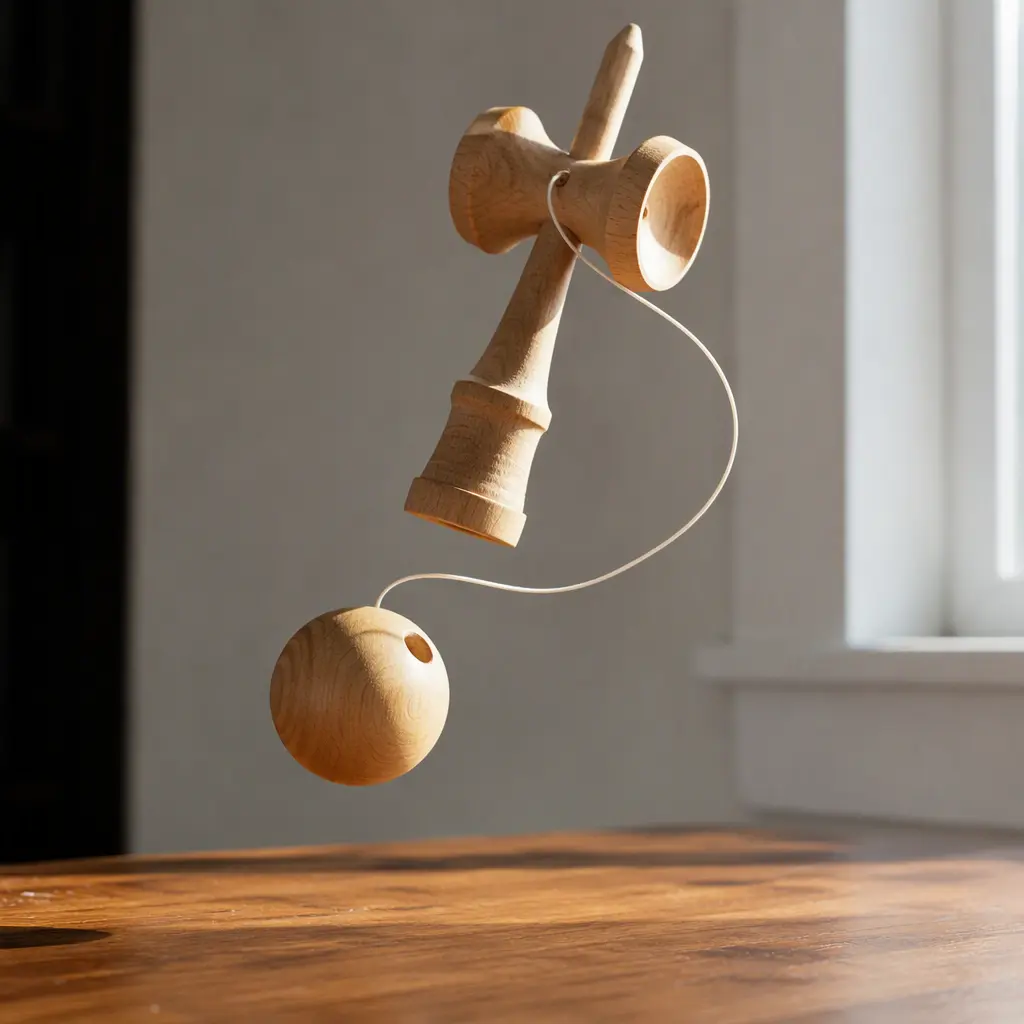
Japanese makers refined the design into the familiar shape used today: a handle known as the ken, side cups, a larger base cup, and a pointed spike intended to catch the hole in the ball. Organized competitions and published trick lists helped turn the toy into a recognizable pastime. Decades later, online video gave kendama another major boost. Players could now share tricks instantly, learn from one another across countries, and build communities around increasingly technical routines.
Why it works
Part of the kendama's appeal is that it rewards persistence in visible, satisfying ways. Beginners can usually land a basic cup catch within minutes, while experienced players spend years refining advanced combinations. The toy creates a steady sense of progression because even small improvements in timing or control become noticeable. Unlike many electronic games, success depends entirely on physical rhythm and repetition.
The design also encourages experimentation. Players invent new sequences, transitions, and balancing techniques using the same basic components. Social-video platforms amplified this creative side by rewarding short, visually impressive clips. A single smooth catch or spike can be understood instantly by viewers, even if they have never held a kendama before.
- Simple wooden construction with very few moving parts
- Skill progression that ranges from beginner catches to advanced combos
- Portable size that fits easily into backpacks or travel bags
- Works as both a solo practice toy and a social challenge activity
- Durable design that can handle repeated drops and outdoor use
Who it's for
Kendama is often recommended for school-age children because it develops coordination, concentration, and patience without requiring screens or complicated setup. Many adults also stick with the hobby long after learning the basics. Some approach it like juggling or skateboarding, focusing on personal style and trick mastery. Others simply enjoy it as a calming desk toy or travel activity. Younger children can play with supervision, though the wooden ball and string are better suited to kids old enough to understand safe swinging and throwing.
Variants and what to look for today
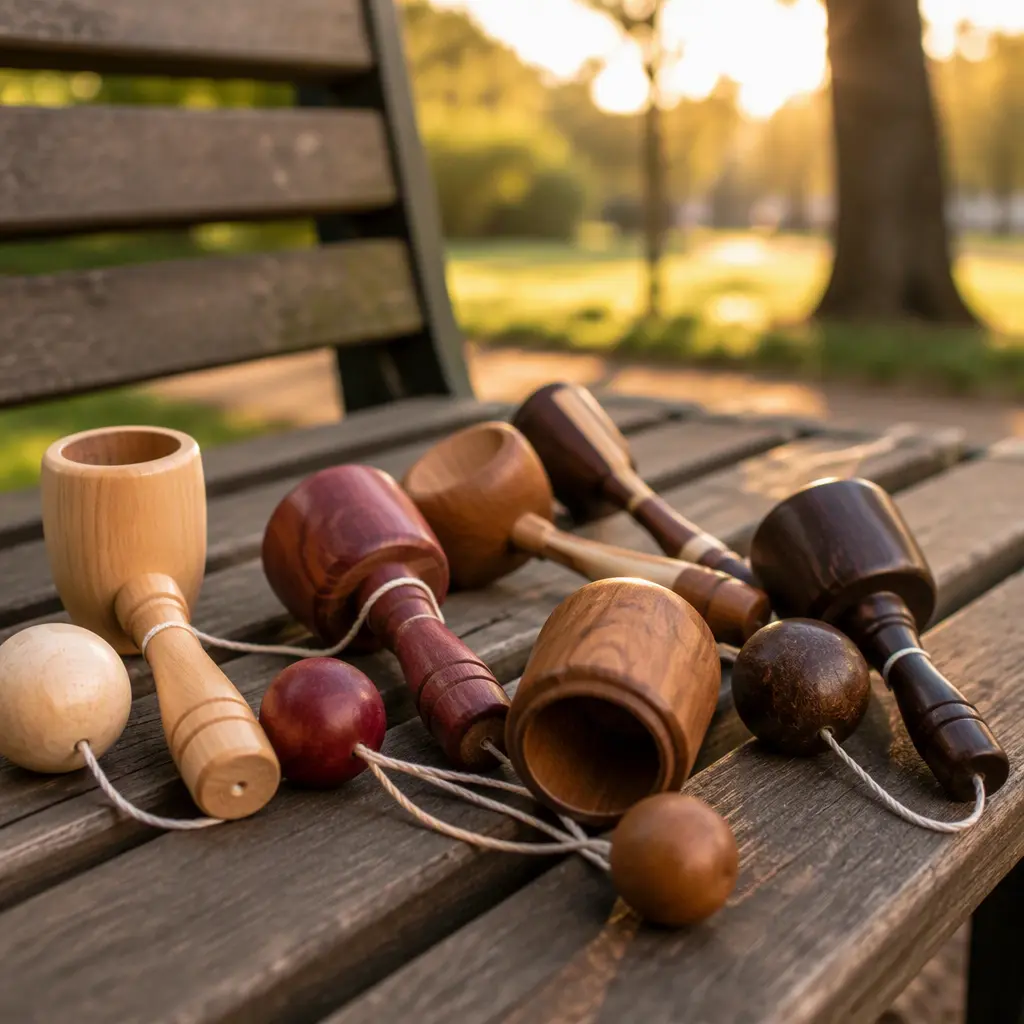
Modern kendama sets come in a wide range of sizes, woods, and finishes. Traditional natural wood versions remain popular because they provide balanced grip and durability. Some newer designs use painted or rubberized ball surfaces to make advanced tricks easier to control. Competitive players sometimes prefer slightly larger cups for technical catches, while casual users may simply choose based on comfort and appearance.
There has also been a rise in beginner-focused starter sets sold through mainstream toy retailers and sporting goods stores. Quality can vary widely. Extremely cheap versions may use rough wood, poorly balanced parts, or weak string connections that wear out quickly. A well-made kendama should feel smooth in the hand, with sturdy assembly and consistent shaping around the cups and spike.
- Traditional natural wood models for balanced all-around play
- Beginner-friendly versions with larger cups and grippier finishes
- Compact travel styles designed for portability
- Competition-oriented designs aimed at advanced trick players
- Replacement strings and beads are commonly available for maintenance
Frequently asked questions
Is kendama difficult to learn?
Most beginners can learn simple cup catches fairly quickly. The challenge increases gradually as players attempt spikes, balance tricks, and longer combinations. The learning curve is part of the toy's appeal.
Why did kendama become popular online?
Kendama tricks are short, visual, and easy to understand in video clips. A successful trick has an immediate payoff for viewers, which made the toy well suited to social-video platforms and challenge culture.
Are expensive kendamas necessary for beginners?
Not usually. A solid mid-range wooden kendama is enough for most new players. Better materials and finishes become more noticeable once players begin practicing advanced balance and precision techniques.
Can kendama be played indoors?
Yes, though players should allow enough space to avoid hitting lamps, screens, or fragile objects. Many people practice indoors because the toy requires only a small amount of room.
The kendama's staying power comes from how much possibility is hidden inside a very small object. It connects traditional craftsmanship with modern online culture in a way few classic toys have managed. Whether treated as a casual pastime, a coordination exercise, or a serious hobby, the toy continues to attract new players through the same basic challenge that made cup-and-ball games compelling centuries ago.