Outdoor Toys That Grow With Kids From 5 to 10
Explore versatile outdoor toys and play gear that stay engaging from early elementary years through age 10, with tips on durability, safety, and long-term play value.
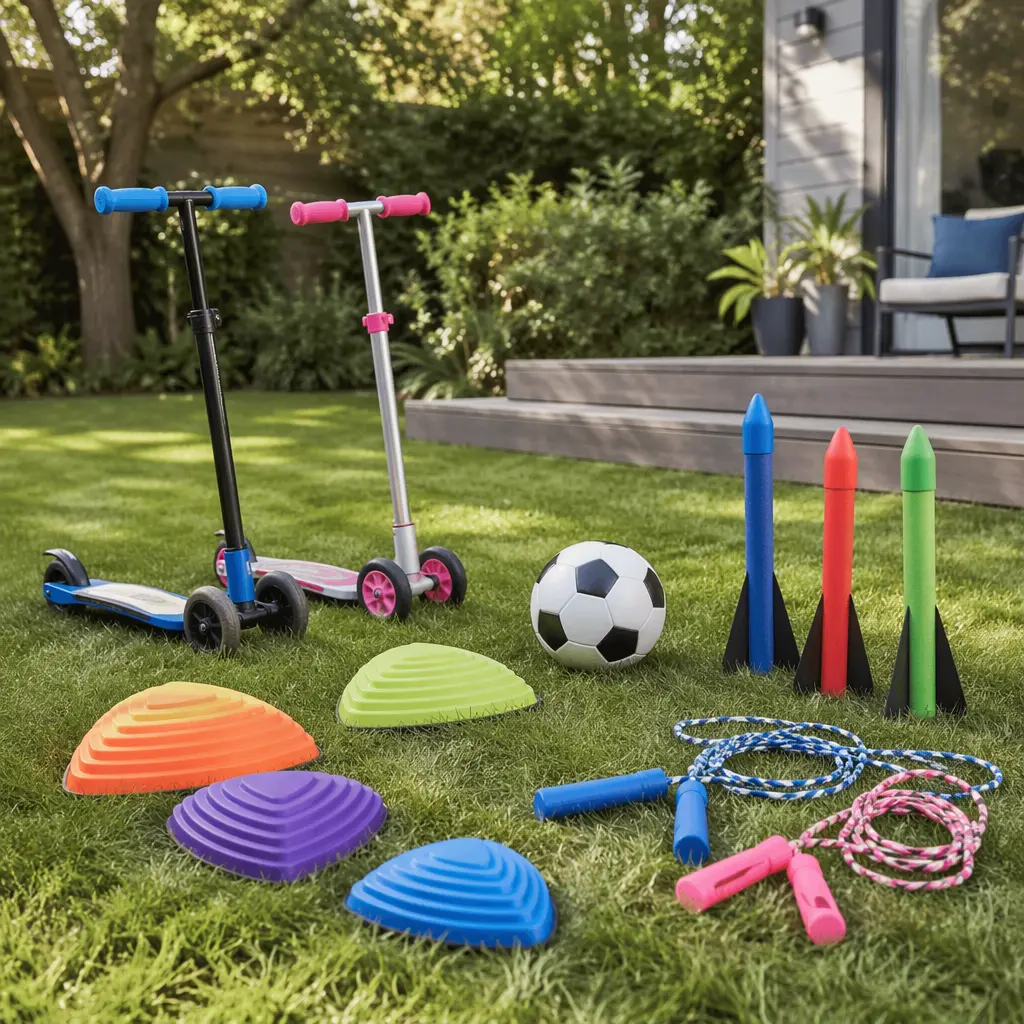
Compare prices and availability
Check current prices and availability for this guide on eBay.
As an eBay Partner, we may be compensated if you make a purchase.
Finding outdoor toys that stay interesting for several years can help families get more value from play equipment while giving kids room to grow. Between ages 5 and 10, children develop stronger coordination, longer attention spans, and more confidence in independent play. Toys that can adapt to different skill levels tend to last longer and encourage kids to keep moving outdoors. Many of the best options are simple classics that support open-ended play rather than highly structured activities. A toy that works for obstacle courses at age 5 might later become part of team games, races, or creative backyard challenges at age 10.
What to look for
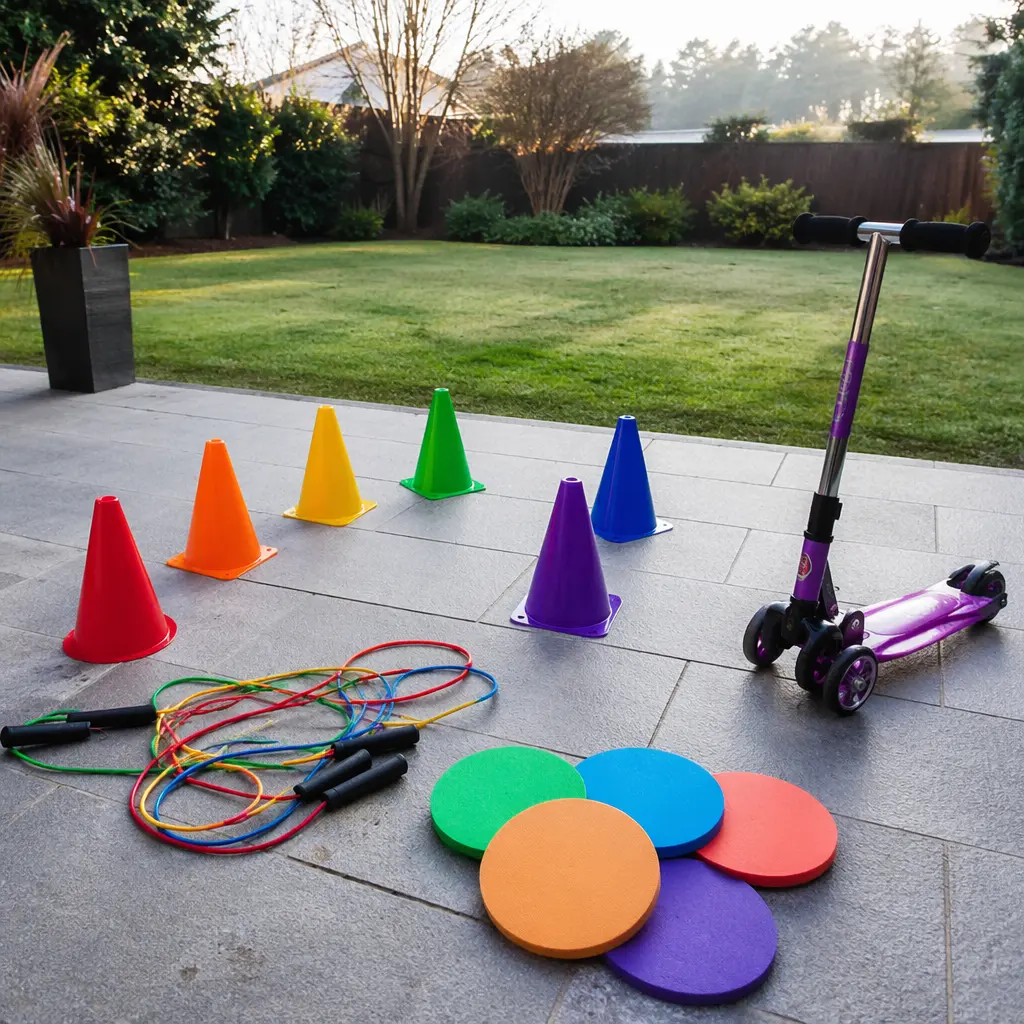
Outdoor toys with long-term appeal usually combine durability, flexibility, and physical activity. Many families prefer toys that can be used alone or with friends because play styles often change as children grow. Adjustable features, sturdy materials, and simple designs are often more practical than trend-driven gadgets with limited replay value. Storage matters too, especially for larger items that may stay outside part of the year.
- Look for adjustable sizing or skill progression, such as height settings or multiple game variations.
- Choose weather-resistant materials that can handle sun exposure and occasional moisture.
- Favor open-ended toys that support imaginative games, races, sports, or obstacle courses.
- Check weight limits and recommended age ranges for longer usability.
- Consider portability if toys may travel to parks, beaches, or family gatherings.
- Look for equipment that encourages active movement without requiring constant adult setup.
Age suitability
Kids between 5 and 10 can vary widely in coordination and confidence, so age labels are only a starting point. Younger children may enjoy simple throwing, balancing, or riding activities, while older kids often prefer competition, speed, and skill-building challenges. Toys that allow gradual mastery tend to remain engaging longer. For example, balance-based play equipment can start with basic movement and later support timed courses or group games. Families with siblings close in age may also benefit from toys that scale easily between beginner and experienced players.
Standout categories or types
Ride-on toys with adjustable features are often among the longest-lasting outdoor options. Scooters, balance-focused riding toys, and beginner-friendly wheeled equipment can evolve with a child's coordination and confidence. Many older elementary-age kids still enjoy neighborhood rides, driveway games, and casual races with friends. Lightweight sports equipment also tends to stay relevant for years because games can become more complex over time.
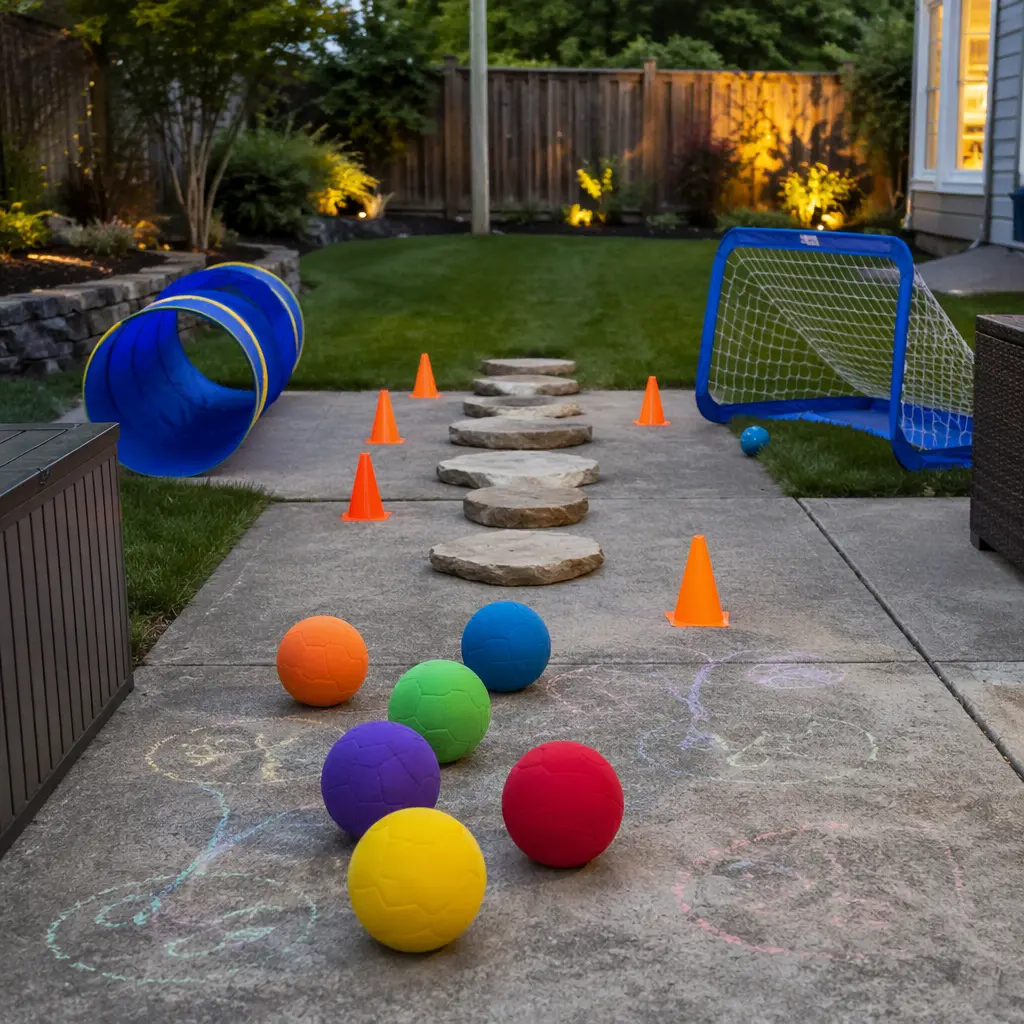
Open-ended backyard play gear is another category with strong long-term value. Items like foam rockets, flying discs, stepping stones, jump ropes, and reusable obstacle course pieces can be used in dozens of ways. Younger kids may focus on imaginative adventures, while older children turn the same equipment into relay races, trick challenges, or cooperative games. Sports sets with adjustable targets or multiple difficulty levels also work well across this age range.
- Flying toys such as foam gliders, soft frisbees, and launch rockets
- Sports equipment including soccer goals, basketball hoops, and rebound nets
- Movement-based toys like jump ropes, pogo-style hoppers, and balance paths
- Obstacle course kits with cones, markers, tunnels, or stepping platforms
- Backyard water play gear designed for warm-weather active games
- Portable lawn games that work for solo play or groups
Frequently asked questions
How do you choose outdoor toys that will not feel too young later?
Simple toys with flexible play patterns usually age better than heavily themed items. Equipment that supports skill-building, friendly competition, or creative challenges often remains interesting longer because children can invent new ways to use it as they grow.
Are larger outdoor playsets better long-term investments?
Not always. Large playsets can provide years of use, but smaller portable toys sometimes offer more variety and adapt more easily to changing interests. Families with limited yard space may also prefer equipment that stores compactly or works at parks and open spaces.
What materials hold up best outdoors?
Powder-coated metal, treated wood, dense foam, and thick molded plastic generally handle outdoor use well when properly maintained. Checking for UV resistance and rust protection can help extend the lifespan of frequently used toys.
Do outdoor toys help with physical development?
Many active toys support balance, coordination, agility, and endurance through regular movement. Group games can also encourage teamwork, communication, and confidence as children practice skills in social settings.
How can families keep outdoor play interesting for older kids?
Adding challenges, timed activities, or cooperative games can help older children stay engaged. Rotating toys seasonally and combining different types of equipment into obstacle courses or backyard competitions can also refresh familiar activities.
Outdoor toys that grow with children often share one important quality: flexibility. Simple, durable equipment can support years of active play because kids naturally find new ways to use it as their abilities and interests change. Whether the goal is independent backyard fun, family activities, or neighborhood games with friends, classic outdoor toys with adaptable play value tend to remain useful well beyond a single season.