Squap: The catch-and-launch game built for backyard play
Introduced in the early 2010s, Squap turned a simple game of catch into a fast reaction challenge. Its snap-open design helped revive screen-free outdoor play for families and groups.
Compare prices and availability
Check current prices and availability for this guide on eBay.
As an eBay Partner, we may be compensated if you make a purchase.
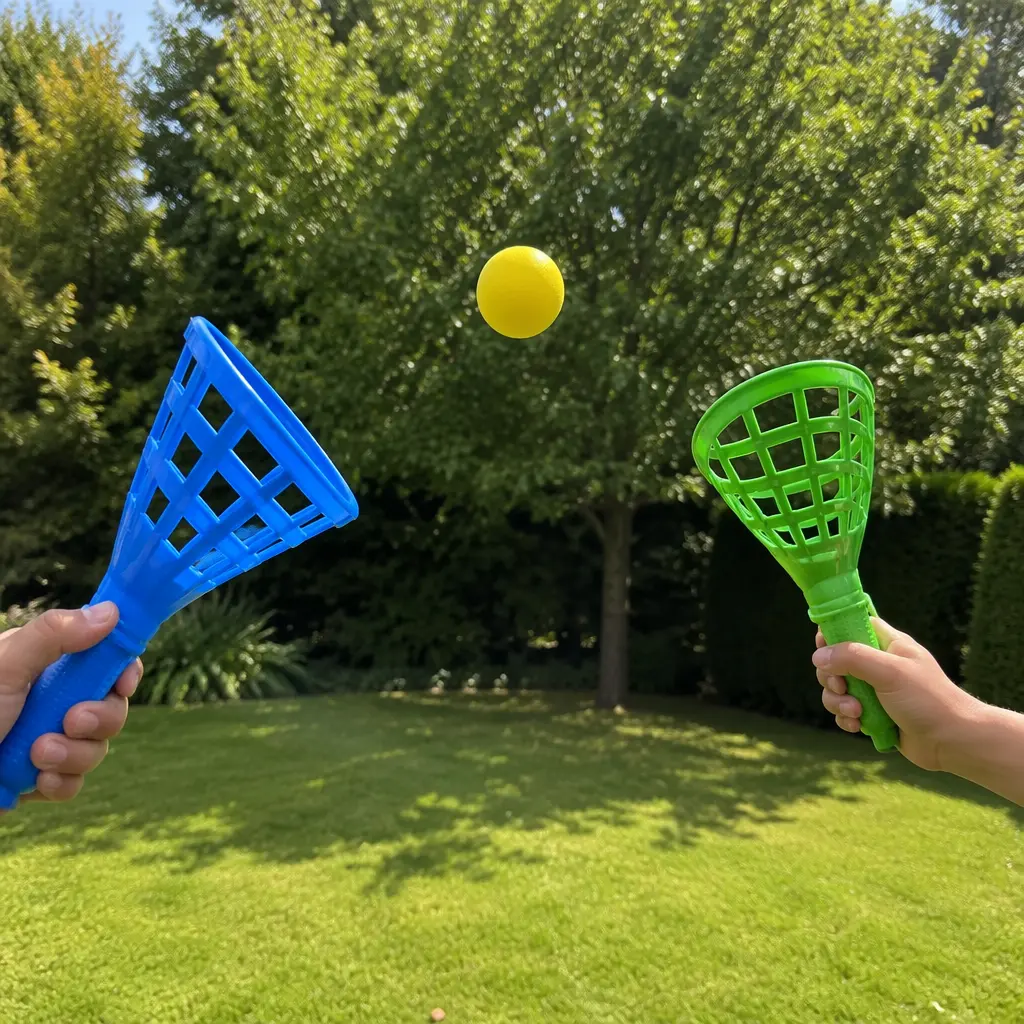
Some toys succeed because they are complicated. Squap became popular for the opposite reason. The game takes the familiar rhythm of catch and adds one mechanical twist: the handheld scoops snap open when a ball is launched and snap shut again when a catch is completed correctly. That quick movement creates a satisfying mix of timing, coordination, and noise that made the toy stand out in parks, schoolyards, and backyards during the early 2010s. At a time when many parents were searching for more screen-free activities, Squap arrived as a simple, active game that could be learned in minutes and played almost anywhere.
Where it came from
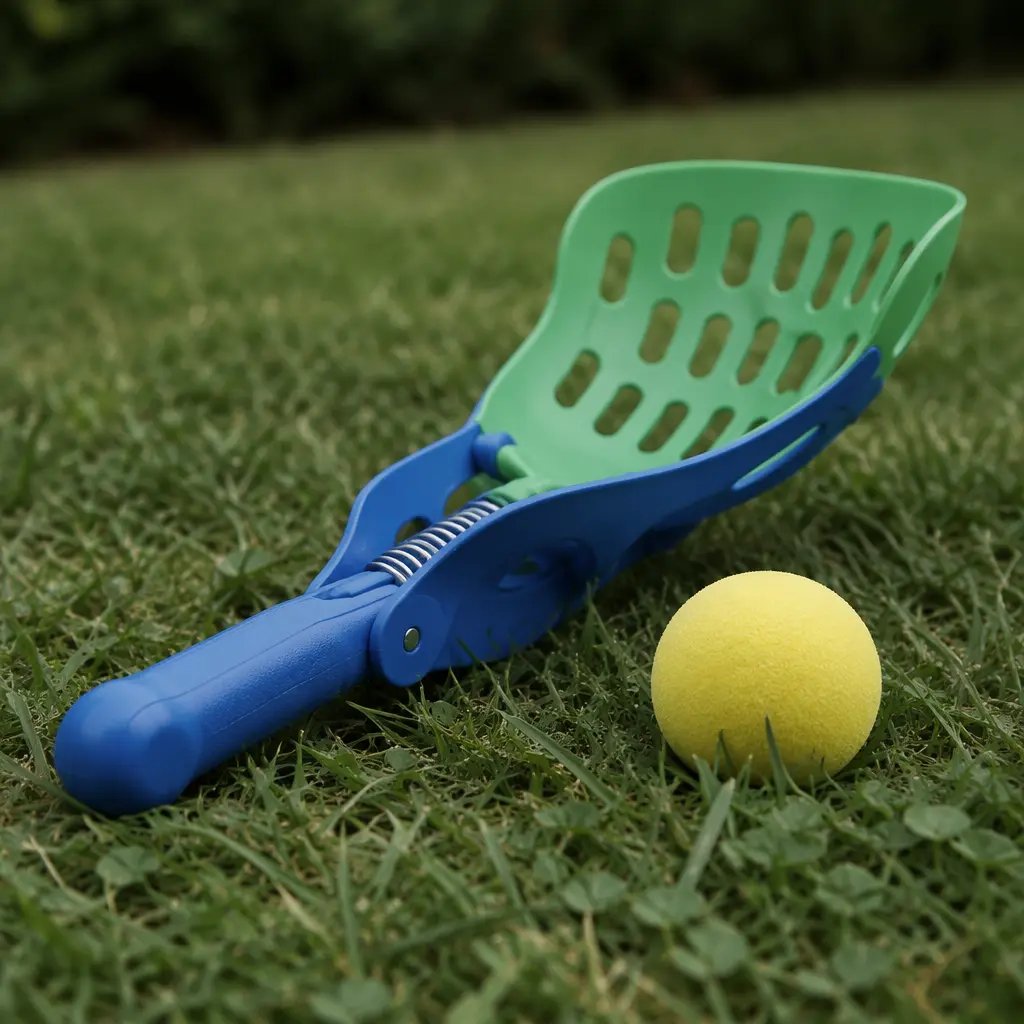
Squap was introduced in 2011 and quickly spread through toy stores and outdoor game aisles in Europe and North America. The toy belongs to a long line of catch-and-throw games that use scoops, paddles, or spring action to make tossing a ball more dynamic. Earlier generations had velcro catch mitts, jai alai style baskets, and paddle-ball launchers. Squap updated the idea with a hinged mechanism that gave every throw and catch a physical click.
The original concept was easy to understand even without instructions. A player squeezes the handles together, placing the scoop in a closed position. When the ball is launched, the scoop pops open with a snap. To catch the returning ball, the player must time the motion correctly so the scoop closes around it. That movement turned an ordinary game of catch into something closer to a reaction sport. The toy was designed for outdoor movement rather than detailed strategy, and that broad accessibility helped it reach families, children, and even adults looking for a quick group activity.
Why it works
What made Squap memorable was not just the launch action but the rhythm it created between players. The opening and closing motion gives immediate feedback. A successful catch feels mechanical and satisfying in a way that ordinary tossing games often do not. Because players need to coordinate hand strength, timing, and positioning, the game rewards practice without becoming overly technical. Younger children can still enjoy short-distance tossing, while older players often turn it into a faster competitive challenge.
The design also solved a common problem with outdoor toys: setup. Squap requires almost no assembly, batteries, or dedicated play area. A lawn, driveway, beach, or gym space works equally well. The lightweight ball reduces the chance of damage indoors or discomfort during missed catches, making it approachable for mixed-age groups.
- Spring-loaded opening and closing action adds physical feedback
- Simple rules that can be learned within minutes
- Encourages hand-eye coordination and reaction timing
- Works in backyards, parks, beaches, and schoolyards
- Can be played casually or turned into competitive challenges
Who it's for
Squap is generally aimed at school-age children, but much of its appeal comes from the fact that adults can immediately join in. Younger players often enjoy the novelty of the snapping action even before mastering accurate catches. Older children and teenagers tend to increase the speed and distance, turning the game into a fast-paced coordination challenge. Families appreciate that it encourages movement without requiring organized teams or large equipment. It also fits easily into travel bags for camping trips, vacations, or afternoons at the park.
Variants and what to look for today
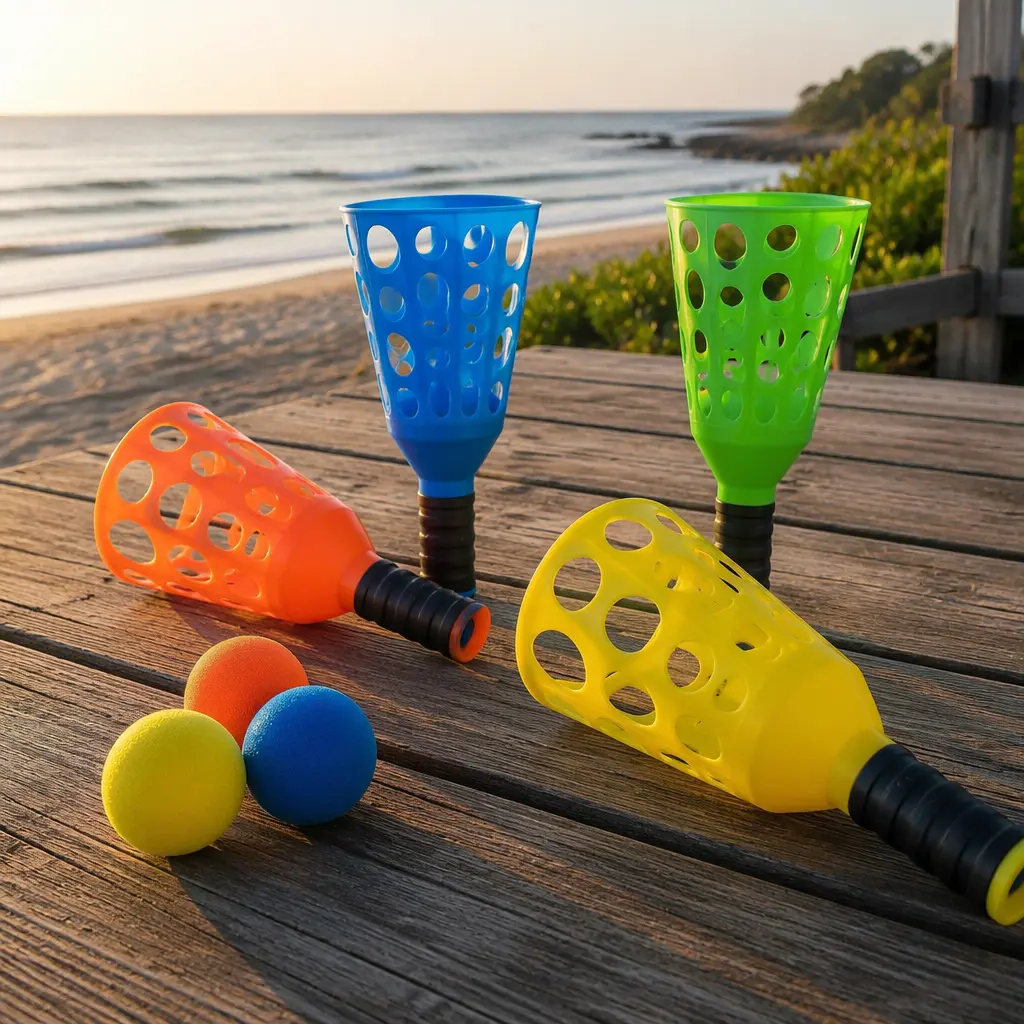
Since its release, Squap-style toys have appeared in several sizes and formats. Some versions are designed for younger children with softer spring tension or larger catching surfaces. Others focus on competitive play with smaller balls or faster launch action. Multi-player sets became especially common because the toy naturally works best with groups.
When shopping today, buyers will often find both official versions and generic catch-and-launch toys inspired by the same idea. The most important difference is usually build quality. A stronger hinge mechanism and durable plastic construction make repeated snapping motions feel smoother and more reliable over time. Foam balls are generally preferred over harder alternatives because they are safer around younger players and outdoor windows.
- Look for sturdy hinge construction that snaps consistently
- Soft foam balls are usually better for family play
- Larger scoop sizes can help younger players learn timing
- Travel sets with storage bags are useful for parks and vacations
- Very cheap versions may lose spring tension quickly with heavy use
Frequently asked questions
Is Squap mainly for children?
No. Although the toy is marketed heavily toward kids and families, many adults enjoy it because the reaction-based catching mechanic becomes surprisingly competitive at higher speeds. It works well for mixed-age play.
Can it be used indoors?
It can, especially with soft foam balls and enough space, but most players prefer outdoor use. The launching action can send the ball farther than expected, and the snapping sound is fairly loud in smaller rooms.
Does the game require official rules?
Not really. Most groups create their own scoring systems, distance challenges, or trick catches. The basic throw-and-catch mechanic is simple enough that players often invent variations naturally.
Why did the toy become popular so quickly?
Part of the appeal came from timing. In the early 2010s, many parents and schools were actively looking for outdoor group activities that encouraged movement and social play without screens. Squap was easy to demonstrate, inexpensive to understand, and visually energetic during play.
More than a decade after its introduction, Squap remains a reminder that successful toys do not always depend on apps, electronics, or complicated systems. Its appeal comes from a physical action that players can feel and hear every time they launch or catch the ball. That combination of simplicity, movement, and shared play helped it earn a lasting place among modern outdoor toys, especially for families looking to pull children away from screens and back into active group games.