Best Plush Toys for Kids Who Sleep Hot
A parent-focused guide to plush toys for warm sleepers, covering breathable fabrics, washable fills, size choices and practical trade-offs for children aged 6–8.
Compare prices and availability
Check current prices and availability for this guide on eBay.
As an eBay Partner, we may be compensated if you make a purchase.
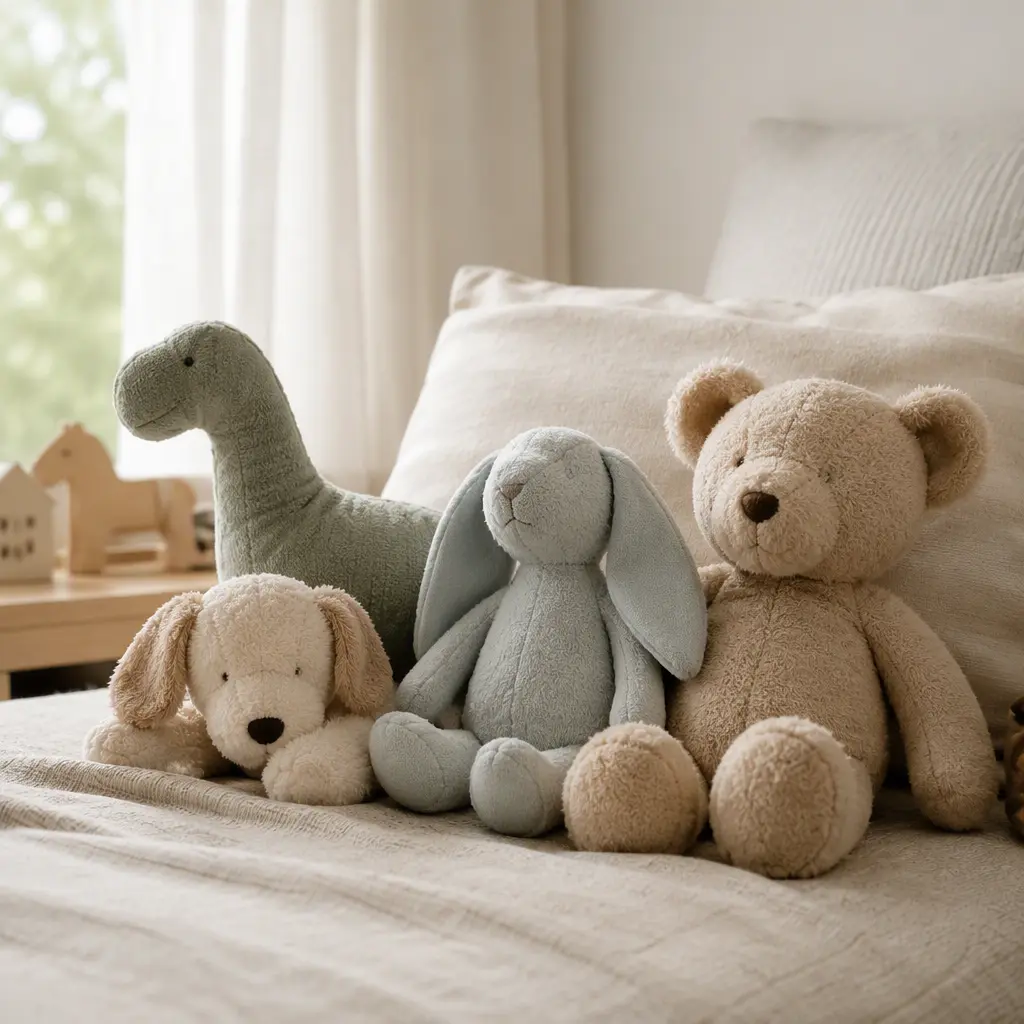
Some children love sleeping with plush toys but quickly become uncomfortable if their bedding and soft toys trap too much heat. For kids aged 6–8 who already sleep warm, choosing the right plush toy can make bedtime more comfortable without giving up the familiarity and emotional comfort that soft toys often provide. The main differences come down to fabric, stuffing, size and ease of cleaning. Plush toys designed with dense synthetic fur or oversized bodies can feel cozy at first but may become sweaty or uncomfortable overnight, especially in warmer bedrooms or during summer months. Lighter fabrics, breathable stuffing and smaller cuddle sizes are usually easier for hot sleepers to manage.
What to look for
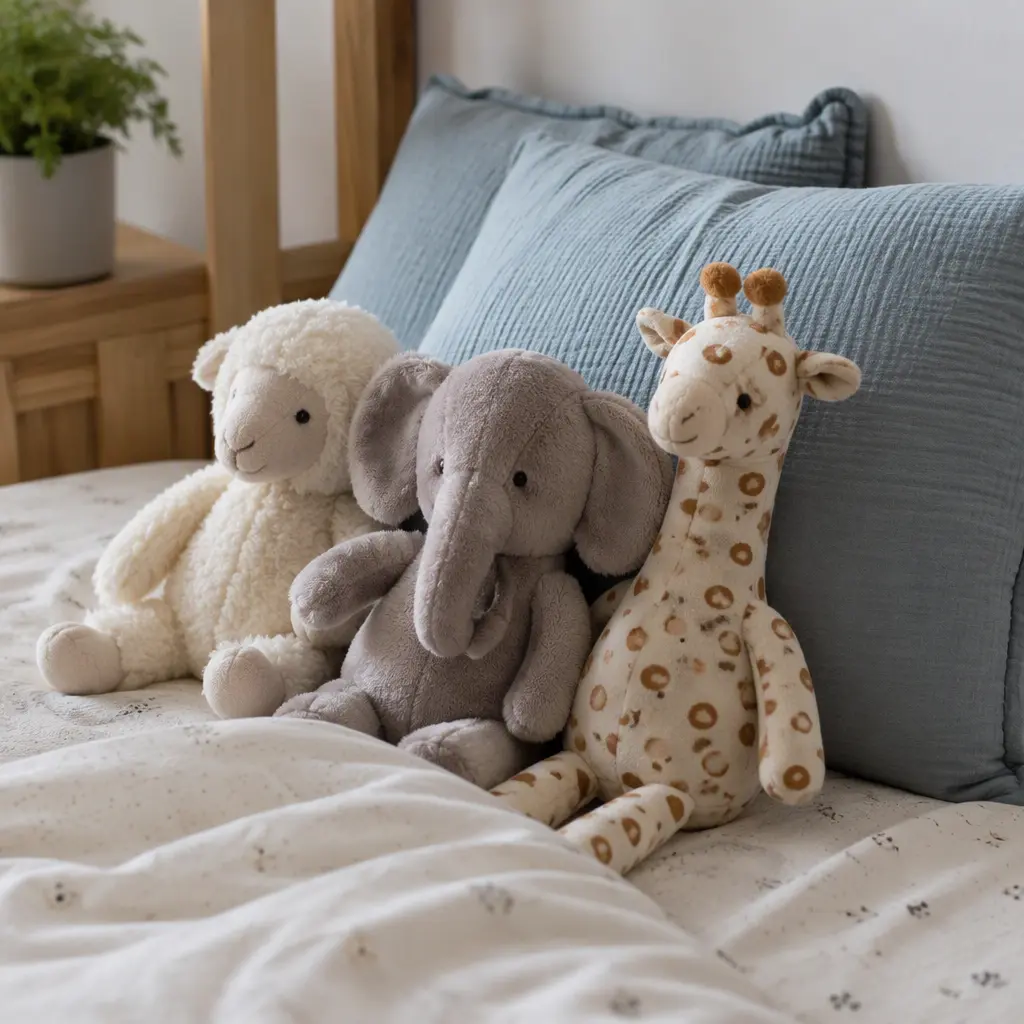
Parents shopping for a plush toy for a warm sleeper should focus less on appearance alone and more on how the toy behaves during overnight use. Some plush toys are designed mainly for display or occasional cuddling, while others work better as practical sleep companions. Materials matter more than many buyers expect. Dense faux fur, heavy padding and oversized shapes can hold heat against the body for long periods. Breathable outer fabrics and lighter fills tend to feel cooler and dry faster after washing.
- Choose short-pile or low-pile fabrics instead of thick shaggy fur that traps warmth.
- Look for cotton, bamboo-derived fabrics or lighter polyester blends that feel breathable against skin.
- Smaller plush toys are often more comfortable for hot sleepers than oversized body-length plushies.
- Machine-washable toys are easier to keep fresh, especially if children sweat during sleep.
- Lightweight stuffing usually feels cooler than tightly packed plush filling.
- Avoid toys with hard plastic accessories, bulky sound modules or battery compartments for overnight cuddling.
- Quick-drying materials can help reduce lingering dampness after cleaning.
- Consider storage space if your child already keeps multiple plush toys on the bed.
Age suitability
For children aged 6–8, plush toys are often less about sensory exploration and more about comfort, routine and emotional attachment. Kids in this age group may still want a bedtime companion but usually do not need the oversized plush toys marketed toward younger children. Medium-sized plush toys are often the easiest balance between comfort and practicality. Children at this age are also more capable of helping with care routines such as airing out toys or placing washable plushies in a laundry bag before cleaning. If a child already tends to overheat during sleep, it may help to limit the number of plush toys kept in bed overnight rather than switching only the material. Even breathable toys can add warmth when several are piled together under blankets.
Options compared
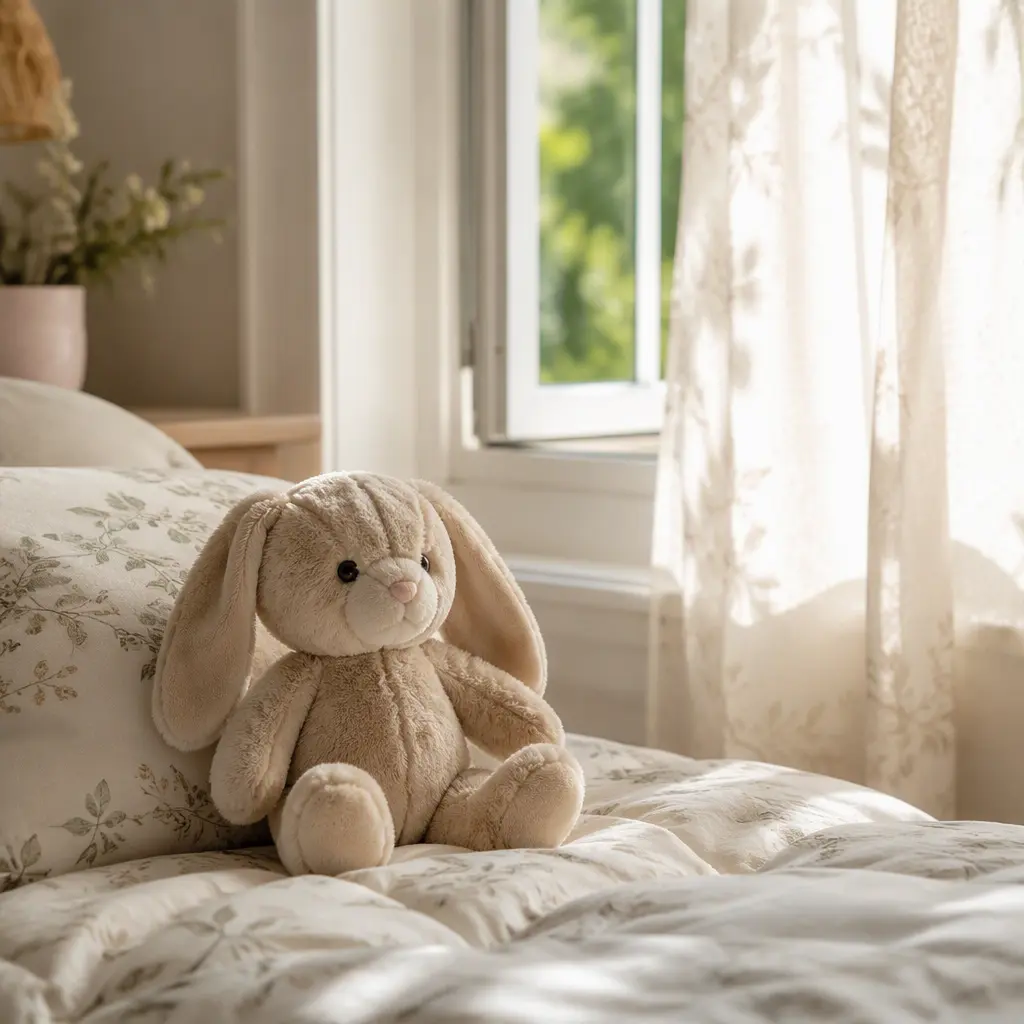
Short-pile plush toys are usually the safest starting point for hot sleepers. They provide softness without the heavy insulating feel of long faux fur. These tend to work well for children who want a cuddly toy throughout the night but dislike waking up sweaty. They are also generally easier to wash and dry. The trade-off is that they may feel less fluffy or luxurious compared with extra-soft oversized plush styles.
Natural-fabric plush toys, including cotton-based soft toys or linen-blend comfort plushies, can feel cooler against the skin and may suit children sensitive to heat buildup. However, these sometimes feel firmer and less squishy than traditional polyester plush toys. Polyester plush remains the most common option because it is durable, lightweight and often affordable, but quality varies widely. Densely stuffed polyester plush toys can retain heat overnight. Lightweight fill with softer shaping is usually more comfortable for warm sleepers.
- Small bedtime plush: Good for children who only want something to hold while falling asleep. Easier to wash and store, usually cooler overnight.
- Medium cuddle plush: Balanced option for most 6–8 year olds. Provides comfort without taking over the bed.
- Oversized plush toys: Best for lounging or daytime comfort rather than overnight sleep for hot sleepers. Harder to clean and store.
- Weighted plush toys: Some children find them calming, but they can feel noticeably warmer and heavier during sleep.
- Character plush toys with accessories or electronics: Better for play than overnight use because rigid parts and sound modules reduce comfort.
- Natural-fabric comfort toys: Often breathable and lighter feeling, though sometimes less fluffy than traditional plush.
Frequently asked questions
Are cooling plush toys worth considering?
Some plush toys are marketed with cooling fabrics or temperature-regulating materials. These may feel cool initially, but the biggest difference usually still comes from overall fabric thickness, stuffing density and toy size. Breathable lightweight plush toys are often the more practical choice for everyday use.
How often should bedtime plush toys be washed?
A plush toy used nightly may need washing more often than decorative toys, especially during warm weather. Exact timing depends on use, but regular cleaning helps reduce odor buildup and keeps fabric feeling fresher. Air drying thoroughly is important so moisture does not remain trapped inside the stuffing.
Do natural fibers always sleep cooler?
Not always. Natural fabrics such as cotton can feel breathable, but construction still matters. A heavily stuffed cotton plush may feel warmer than a lightweight synthetic plush with less dense filling. Looking at the overall design is usually more helpful than focusing on one material alone.
Should children sleep with multiple plush toys?
For children who sleep hot, limiting the number of plush toys in bed can help reduce trapped heat. Some children prefer choosing one favorite bedtime plush and keeping others nearby on a shelf or chair.
What size plush toy works best for travel?
Compact plush toys are usually easiest for travel because they fit easily into bags, dry faster after washing and add less warmth in unfamiliar sleeping environments such as hotels or summer trips.
The best plush toy for a child who sleeps hot is usually not the fluffiest or largest option. Breathable fabrics, lighter stuffing and manageable sizing tend to provide better overnight comfort while still offering the reassurance many children want at bedtime. For most families, a washable medium or small plush toy with simple soft construction is the most practical long-term choice.