Are RealFX Interactive Pets Too Intense for Younger Kids?
A parent-focused guide to RealFX interactive pets for ages 3–5, covering noise, app and camera features, emotional intensity, supervision and when simpler plush toys may fit better.
Compare prices and availability
Check current prices and availability for this guide on eBay.
As an eBay Partner, we may be compensated if you make a purchase.
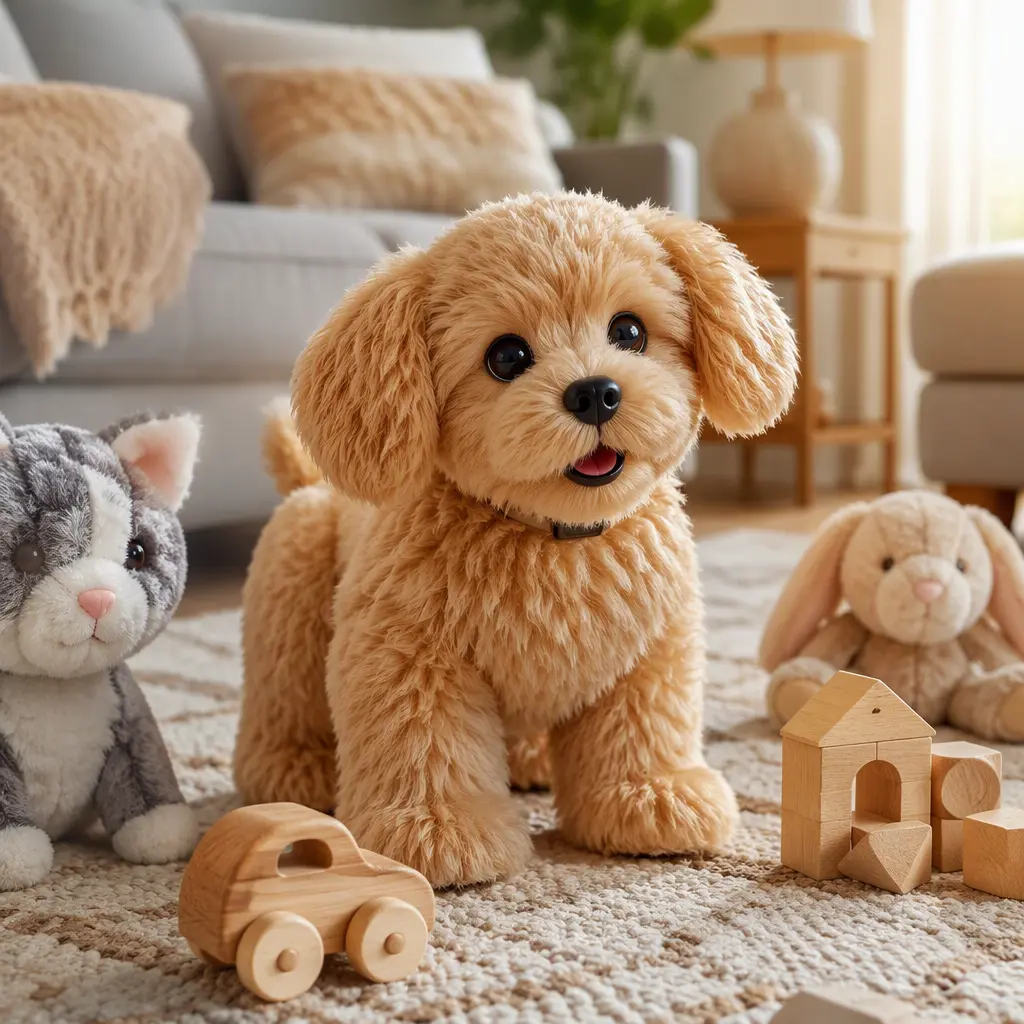
Interactive plush pets such as the RealFX range sit somewhere between a traditional stuffed animal and a small robot companion. They can respond to touch, make sounds, move their eyes or body, and in some cases connect to apps or cameras for extra features. For some preschoolers this creates a highly engaging pretend-play toy. For others, especially children who are sensitive to noise, movement or emotional intensity, the experience can feel overwhelming rather than comforting. Parents deciding whether these toys suit ages 3–5 should look beyond the novelty factor and consider how the toy behaves in everyday family life, including volume, setup requirements, supervision needs and how attached a child may become to a responsive toy.
What to look for
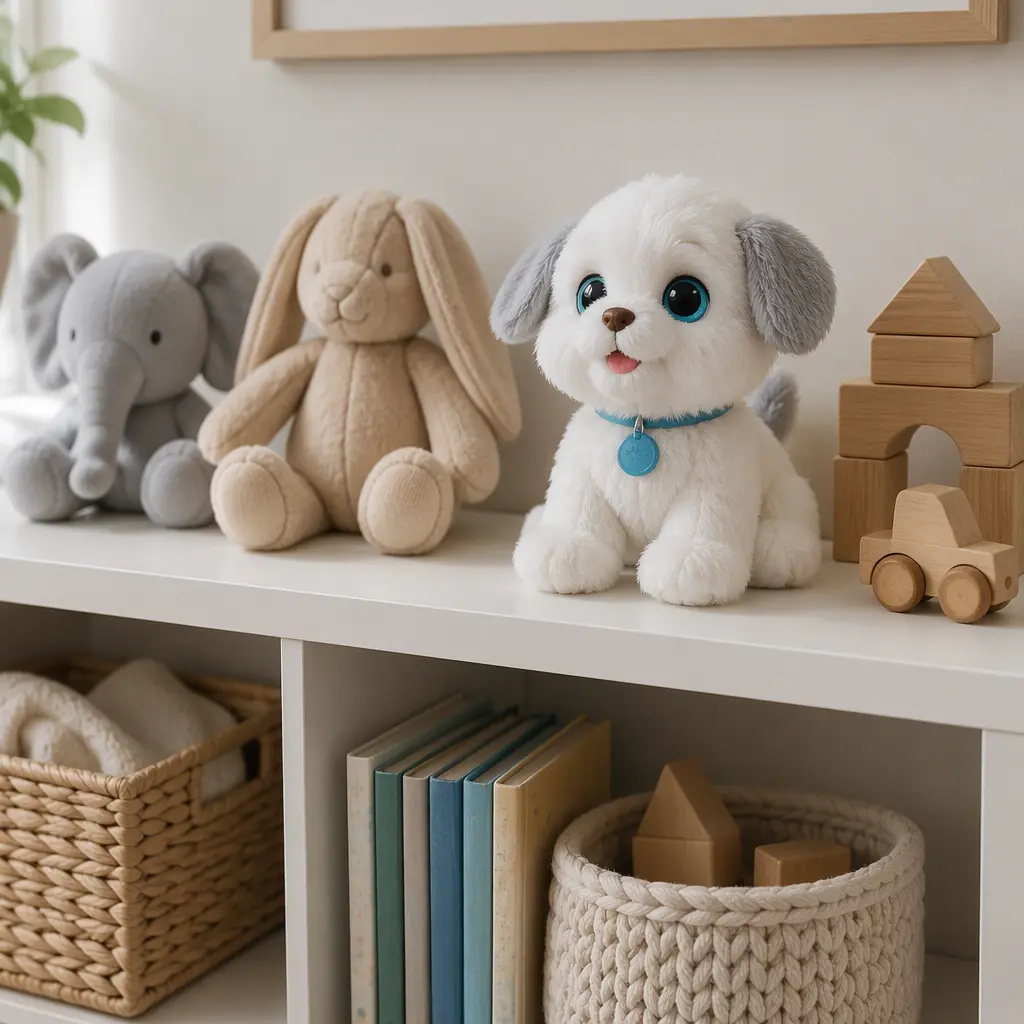
The biggest difference between interactive pets and ordinary plush toys is that they actively respond to children. That can make them feel more lifelike and exciting, but it also introduces practical trade-offs. Some preschoolers enjoy repeated sounds, blinking eyes and movement, while others prefer toys they can fully control themselves. Parents may also find that battery-powered pets become less appealing once the novelty wears off, especially if setup, charging or app connections interrupt play.
- Check whether the toy works fully offline or depends on an app for key features.
- Look for adjustable volume or quieter sound settings if your child is noise-sensitive.
- Consider how realistic the movements and sounds are. Highly lifelike behavior may unsettle some younger children.
- Review whether cameras, microphones or cloud-connected features are included and how data is handled.
- Think about storage and durability. Interactive pets are usually bulkier and less machine-washable than standard plush toys.
- Check battery type, charging requirements and how often the toy may need maintenance or updates.
- Consider whether your child prefers imaginative open-ended play or guided reactive play from the toy itself.
Age suitability
Most interactive pets marketed toward preschoolers are designed to appear friendly rather than frightening, but suitability varies widely between children. A confident 5-year-old who enjoys pretend veterinary play or robotic toys may enjoy a responsive pet that reacts to touch and sound. A younger 3-year-old may instead become frustrated if the toy behaves unpredictably, shuts down unexpectedly or makes sudden noises. Children who are easily startled, highly sensitive to sound, or anxious about realistic animal behavior may prefer simpler plush toys with fewer moving parts. Interactive pets also tend to work best when children can understand that the toy is programmed rather than truly alive. Some preschoolers form strong emotional attachments to responsive toys, which can become difficult if the toy stops working, runs out of battery or behaves inconsistently.
Options compared
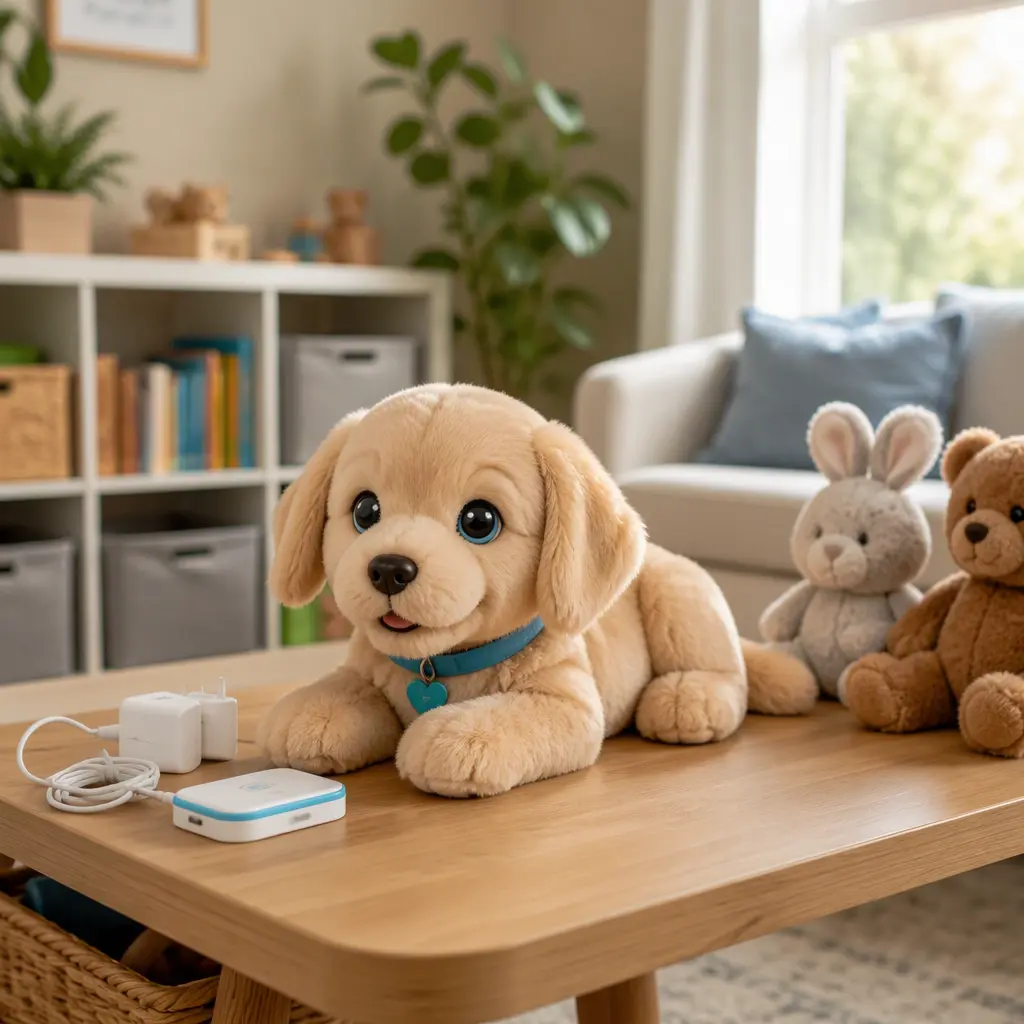
Not every interactive pet works the same way. Some toys mainly use simple sensors and pre-programmed sounds. These tend to behave more like animated plush toys and usually work fully offline. They may bark, purr, blink or react to touch without collecting data or requiring a phone. For many families with children aged 3–5, this category offers the easiest balance between novelty and simplicity. The child gets responsive play without needing accounts, updates or constant parental setup.
More advanced interactive pets add app-connected features, voice interaction, cameras or AI-style conversational behavior. These toys can feel more immersive, but they also raise extra considerations. Parents may need to review permissions for microphones or cameras, manage Wi‑Fi setup, monitor subscriptions or credits, and check whether features continue working if company support changes in the future. AI-enabled toys differ from basic animatronics because they may process speech, personalize responses or rely on cloud systems rather than fixed sound effects. For preschoolers, these extra features do not always improve play value. In some cases they increase complexity without making the toy easier or calmer to use.
- Simple responsive plush pets: quieter, easier to use, lower supervision needs, usually better for younger preschoolers.
- Animatronic-style pets with movement and sounds: exciting for confident children but potentially overstimulating in small spaces.
- App-connected pets: useful for customization and updates but depend more heavily on phones, compatibility and account management.
- AI-style companion pets: may offer conversations or adaptive responses, but require the most parental oversight and raise the most privacy questions.
- Traditional plush toys: fully child-led, washable and quiet, often better for bedtime comfort and open-ended imaginative play.
Frequently asked questions
Are interactive pets too noisy for apartments or shared spaces?
Some can be. Volume levels vary by manufacturer, and not all toys include volume controls. Repetitive barking, meowing or sound effects may become tiring in smaller homes or shared living spaces. Parents sensitive to background noise may prefer toys with lower-volume settings or simpler touch-based responses.
Do RealFX-style pets collect data?
That depends on the toy and whether connected features are included. Basic sensor-driven toys may not collect meaningful user data at all. App-connected toys with microphones, cameras or cloud features may process recordings, usage information or account details. Parents should review manufacturer privacy policies and app permissions before setup.
Can these toys replace a real pet for young children?
Interactive pets can support pretend play and help some children practice gentle behavior, but they do not replicate the unpredictability or responsibility of caring for a live animal. Preschoolers usually benefit most when the toy is treated as imaginative play rather than a realistic substitute for pet ownership.
What if a child becomes emotionally attached to the toy?
Strong attachment is common with responsive toys because they appear to react emotionally. For many children this remains harmless imaginative play. Problems may arise if a child becomes distressed when the toy powers off, malfunctions or needs charging. Simpler plush toys often avoid this issue because children control the play experience more directly.
Are simpler plush toys better for ages 3–5?
For many families, yes. Traditional plush toys are quieter, easier to clean, less fragile and more flexible for open-ended play. Interactive pets can still suit preschoolers who actively enjoy sounds, movement and gadget-style play, but they are not automatically more developmentally valuable simply because they are more advanced.
RealFX-style interactive pets can be entertaining and memorable for the right child, particularly preschoolers who enjoy responsive toys and technology-driven play. The key question is not whether the toy is advanced, but whether its level of stimulation fits the child and household. Families looking for calm, low-maintenance comfort toys may prefer classic plush animals. Families comfortable with batteries, setup and supervision may find interactive pets add variety and excitement, provided expectations stay realistic about noise, durability and connected features.