Ropet vs RealFX Pets: Which Feels More Realistic?
Comparing Ropet and RealFX-style robotic pets for ages 9–12, including realism, upkeep, privacy features, replay value, noise, app dependence and who each toy type suits.
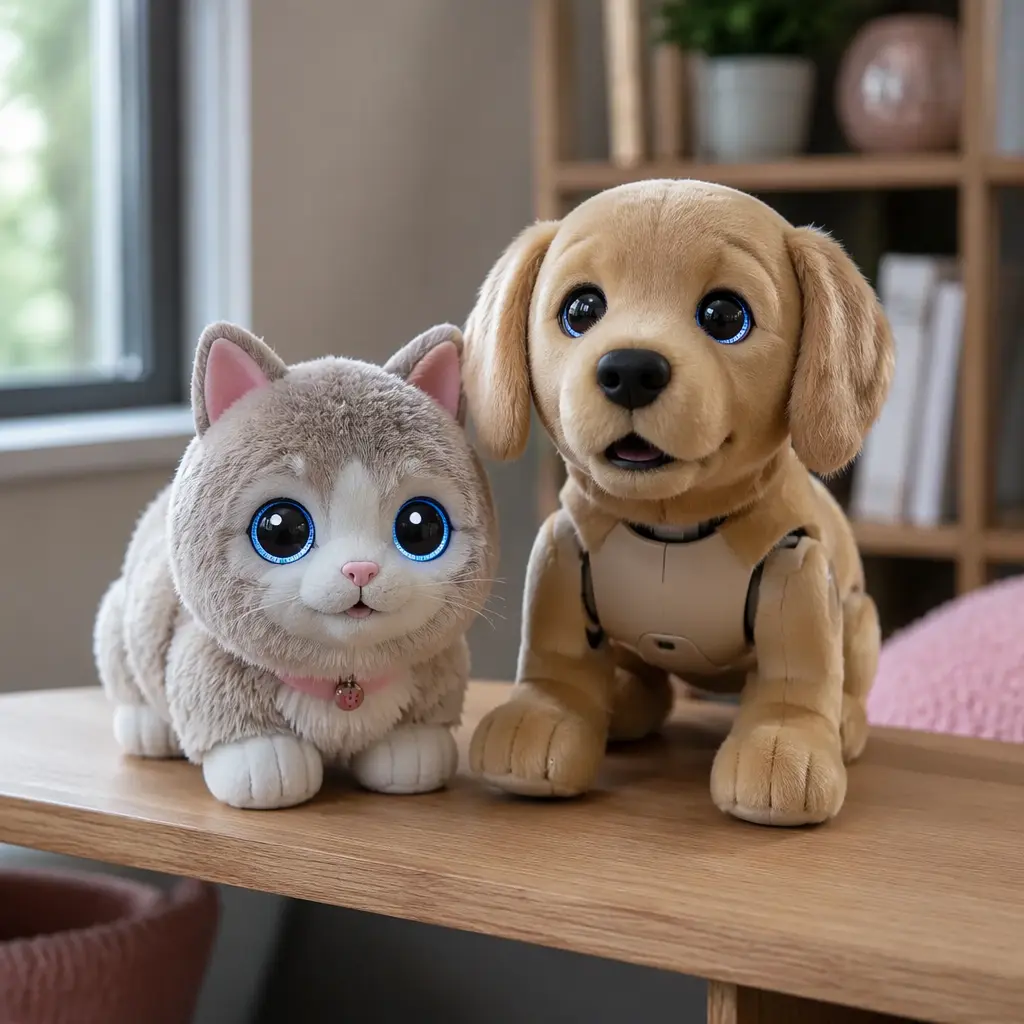
Compare prices and availability
Check current prices and availability for this guide on eBay.
As an eBay Partner, we may be compensated if you make a purchase.
Kids around 9 to 12 often want toys that react in believable ways rather than simple push-button sounds. That is where robotic pets such as Ropet and RealFX-style animals stand out. Both aim to simulate companionship through movement, sounds and touch responses, but they approach realism differently. Some focus on emotional interaction and AI-style conversation features, while others rely more on animatronics, sensors and scripted behaviors. For parents, the choice usually comes down to how much realism matters compared with maintenance, privacy concerns, replay value and day-to-day practicality at home.

What to look for
Interactive pets vary widely in how they respond and what technology they use. Some toys marketed as AI pets mainly use motion sensors and pre-programmed reactions, while others connect to apps or cloud services for more advanced conversations and personality features. For children in the 9–12 age group, the appeal often comes from believable reactions and the feeling that the pet changes over time. Parents usually notice other factors first, including battery life, setup complexity, sound levels and whether the toy still works well without an internet connection.
- Reaction style: RealFX-style pets often focus on lifelike movements, blinking eyes and physical realism, while Ropet-style toys may emphasize conversations, emotional responses or evolving interactions.
- Offline usefulness: Some connected pets lose major features without Wi‑Fi or app access. Others still function fully as standalone toys.
- Microphones and cameras: Check whether the toy listens continuously for wake words, stores recordings or sends data to cloud services.
- Replay value: Toys with varied responses and adaptive interactions may stay interesting longer, but heavily scripted pets can become predictable after repeated play.
- Maintenance: Fur cleaning, charging routines, app updates and replacement accessories can become part of regular upkeep.
- Noise and shared spaces: Barking, purring and movement sounds may be fun for one child but distracting in bedrooms or apartments.
- Durability and storage: Animatronic joints and moving parts can require gentler handling than standard plush toys.
- Parental controls and subscriptions: Some app-connected pets may include locked features, account requirements or paid content.
Age suitability
Children between 9 and 12 are usually old enough to understand the difference between a toy pet and a real animal, but they may still become emotionally attached to highly responsive toys. This age group often enjoys experimenting with features, customizing interactions and exploring personality-driven play rather than simple pretend play. A child who likes coding, gadgets or conversational technology may gravitate toward AI-focused pets with app connectivity and evolving responses. Kids who mainly want cuddly comfort or realistic movements may prefer RealFX-style toys that emphasize lifelike appearance and physical reactions over conversation. Younger siblings may also interact with the toy, so sturdiness and supervision matter if there are delicate motors or charging components.
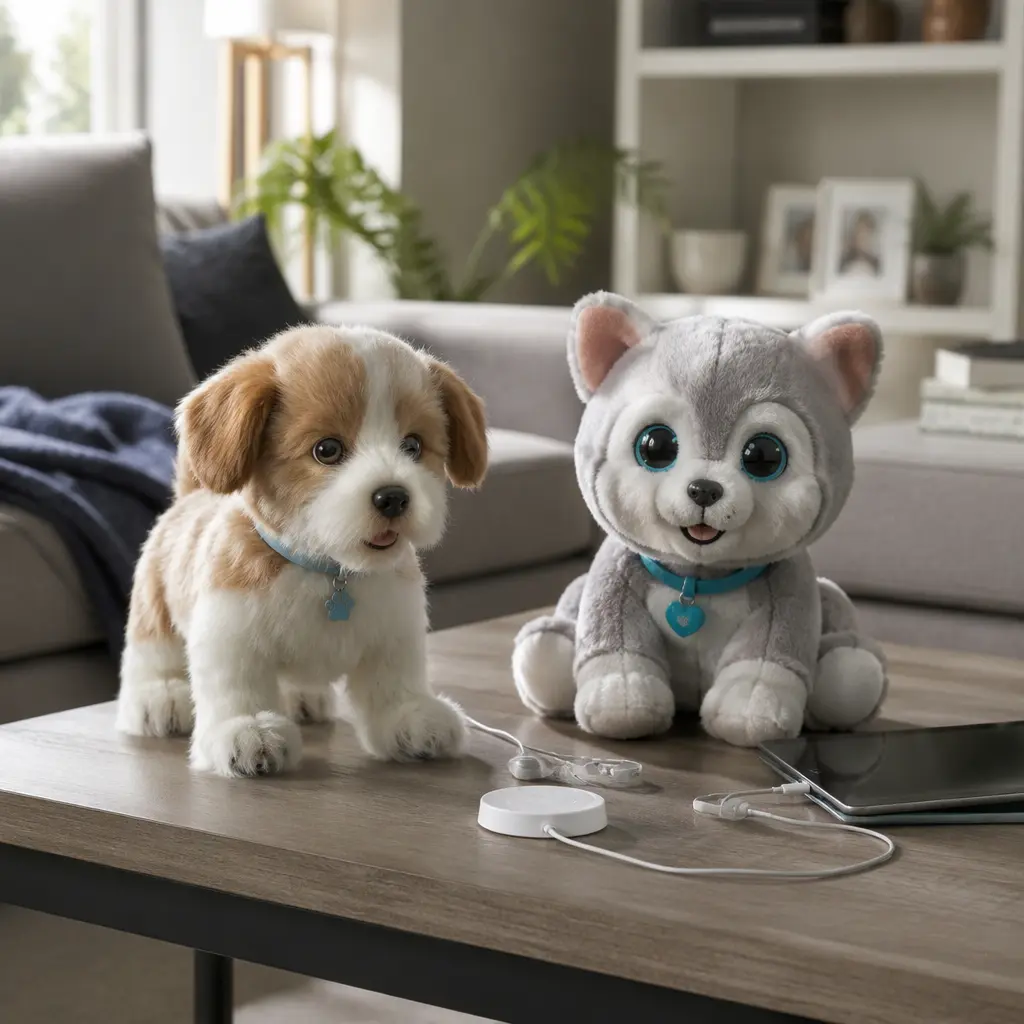
Options compared
Ropet-style toys generally lean into interaction depth. Depending on the model and manufacturer claims, they may respond to voice commands, remember patterns, react emotionally or integrate with companion apps. The advantage is novelty and personalization. Children who enjoy talking to devices or experimenting with different responses may stay engaged longer because the toy feels less repetitive. The downside is that these toys often rely more heavily on software support, updates and connected features. If servers shut down, apps stop receiving updates or compatibility changes over time, some functions may become limited.
RealFX-style pets typically focus more on physical realism than conversation. They may use motors, touch sensors and sound effects to mimic breathing, blinking, tail wagging or sleeping behavior. These toys can feel convincing without needing Wi‑Fi, which may appeal to parents looking for a simpler setup and fewer privacy concerns. They are often easier for short play sessions and quieter companionship. However, once children learn the available reactions, replay value may depend mostly on imaginative play rather than new interactions. Kids expecting chatbot-style conversations or evolving personalities may lose interest faster.
- Choose a Ropet-style interactive pet if the child enjoys technology, customization, voice interaction or experimenting with smart features.
- Choose a RealFX-style pet if the priority is tactile comfort, realistic movement and simpler offline play.
- Avoid highly connected toys if your household limits apps, accounts or always-on microphones.
- Avoid delicate animatronic pets for children who tend to rough-handle plush toys or frequently carry toys outdoors.
- Consider quieter models for shared bedrooms, homework spaces or noise-sensitive homes.
- Look for rechargeable options if frequent battery replacement would become frustrating or expensive.
Frequently asked questions
Are these toys actually powered by AI?
Not always. Some toys marketed with AI language mainly use pre-programmed responses, touch sensors and simple voice recognition. Others rely on cloud-connected systems that generate more varied interactions. Reading the feature details carefully helps distinguish between basic animatronics and genuinely adaptive software-driven responses.
Do connected robotic pets still work without internet access?
It depends on the toy. Many RealFX-style pets function almost entirely offline because their reactions are built into the hardware. Some AI-focused pets still perform basic actions offline but may lose conversational features, updates or personalization tools when disconnected.
Are robotic pets a substitute for real pets?
They can provide companionship-style play and routines, but they do not replace the responsibilities or unpredictability of caring for a real animal. Some families use them as a lower-maintenance option for children who want interaction without allergies, feeding schedules or long-term commitments.
How much supervision do older kids need?
Most children in this age range can use robotic pets independently, but parents may still need to manage app permissions, charging routines and privacy settings. Toys with moving parts should also be handled carefully to avoid damage.
Which type keeps kids interested longer?
Children interested in technology and experimentation may spend more time with toys that offer changing responses or app-driven features. Kids who mainly enjoy cuddling, collecting or room decor may stay attached to realistic animatronic pets even if the interactions are simpler.
For most families, the decision comes down to whether the child wants a believable companion to talk to or a realistic animal to interact with physically. Ropet-style toys can offer deeper digital engagement but may bring more privacy questions and long-term software dependence. RealFX-style pets usually provide simpler offline play with fewer setup demands, though they may feel less dynamic over time. Matching the toy’s strengths to the child’s interests and the household’s comfort with connected technology is usually the most reliable way to avoid disappointment.