RealFX Pets vs Classic Animatronic Toys for Kids
A parent-focused guide to RealFX Pets and classic animatronic toys for ages 6–8, covering realism, noise, batteries, maintenance, durability and whether lifelike reactions suit your child.
Compare prices and availability
Check current prices and availability for this guide on eBay.
As an eBay Partner, we may be compensated if you make a purchase.
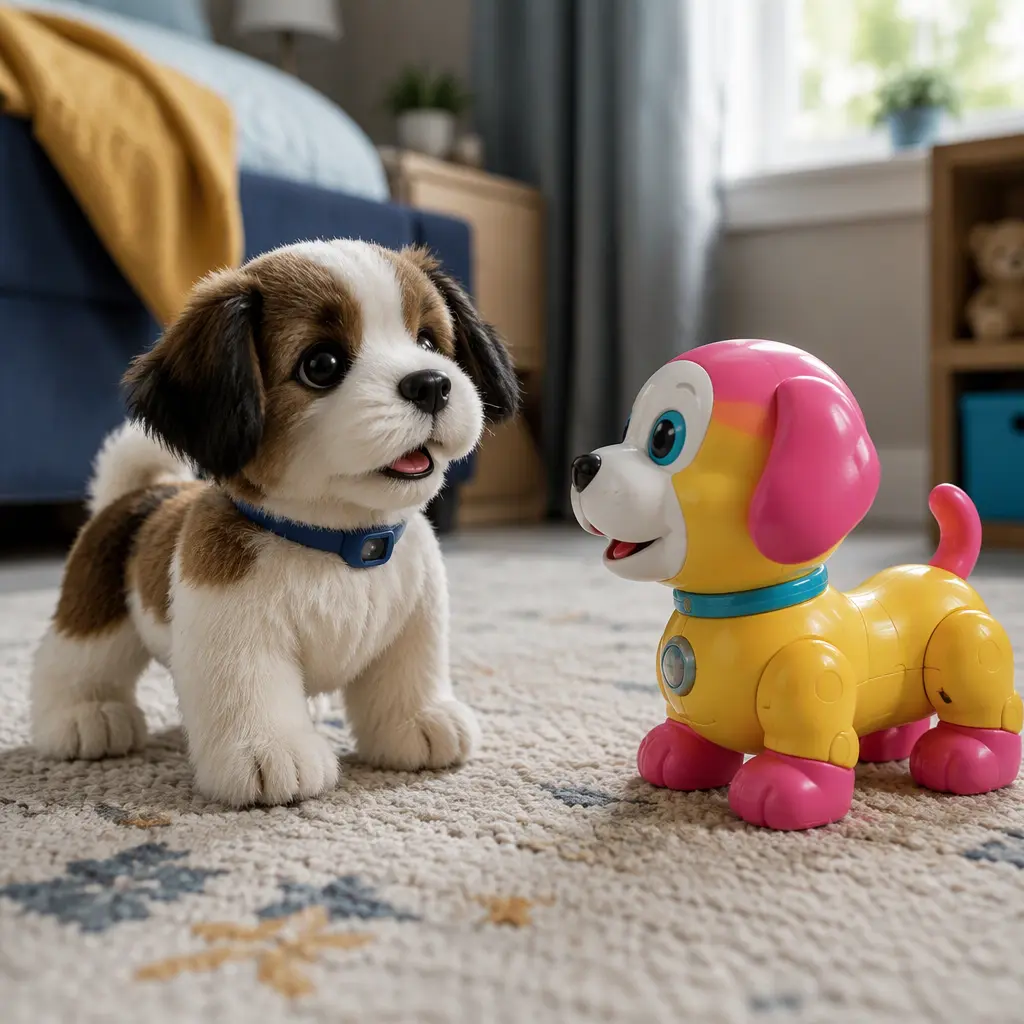
Interactive toy pets sit somewhere between plush toys and simple robots, and the experience can vary widely depending on how realistic the toy is designed to feel. RealFX Pets and similar lifelike electronic pets aim for realistic fur, movements and reactions, while classic animatronic toys usually focus on playful sounds, simple motion and character-driven interaction. For children aged 6–8, the right choice often depends less on features and more on personality, sensitivity to noise or realism, and how much maintenance parents are willing to manage. Some children enjoy caring for a responsive toy companion, while others may find blinking eyes, unexpected movement or realistic sounds uncomfortable rather than fun.
What to look for
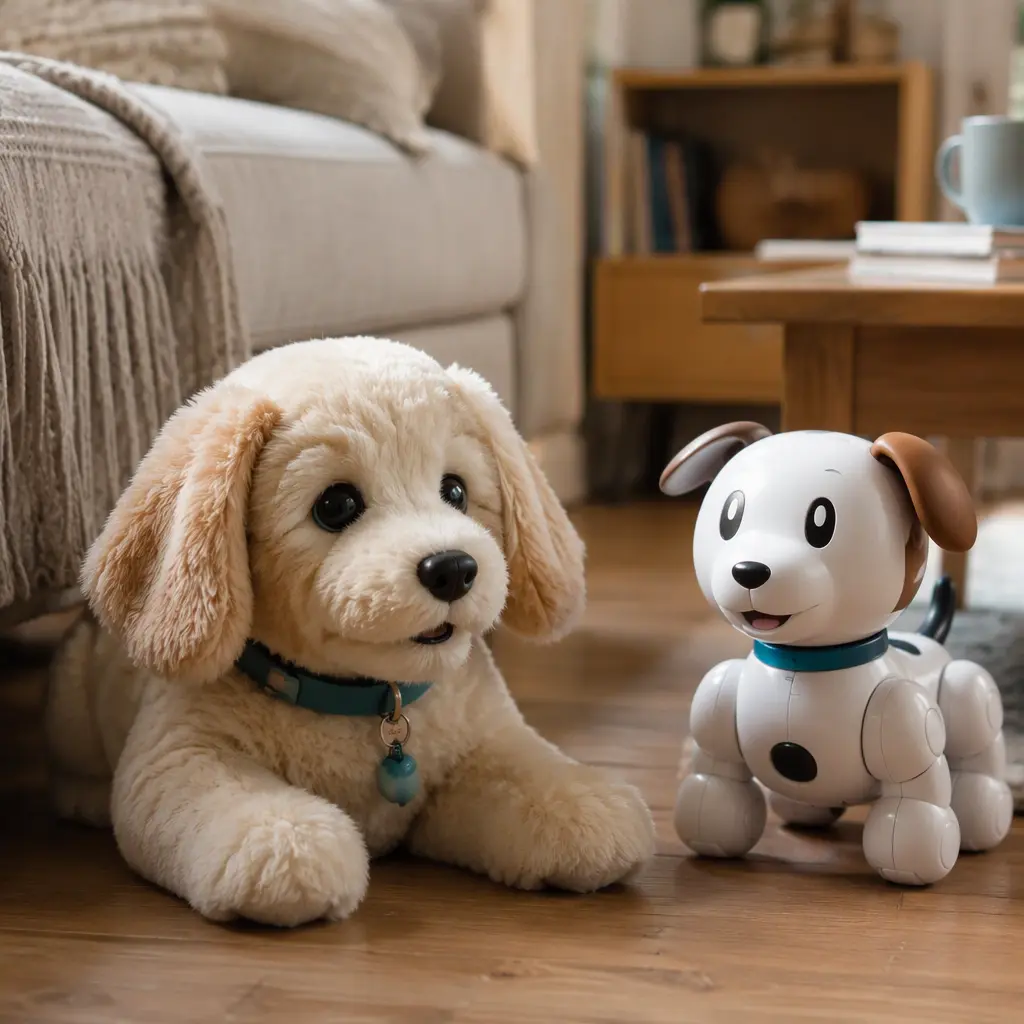
The biggest difference between these toy categories is how closely they imitate a real animal. RealFX-style toys often use more detailed movement, touch sensors and sound effects to create a realistic response. Classic animatronic toys usually keep interactions more predictable and playful. Parents should also think about how often the toy will realistically be used after the novelty period, especially when batteries or setup are involved.
- Realism level: Some children love realistic breathing, blinking and pet-like noises, while others prefer clearly toy-like behavior.
- Noise control: Check whether volume can be adjusted or muted. Repetitive barking, purring or movement sounds can become tiring in shared spaces.
- Battery demands: More advanced movement and sensors generally mean shorter battery life and more frequent replacements or charging.
- Durability: Plush-covered electronics can be harder to clean if dropped outdoors or used during meals and travel.
- Storage size: Large electronic pets can take up more space than standard plush toys and may not fit neatly in toy bins.
- Maintenance: Fur may need brushing or surface cleaning, and moving parts can collect lint or dust over time.
- Predictability: Simpler animatronic toys tend to react consistently, which can feel more comfortable for children who dislike surprises.
- Offline play value: Most animatronic toys work entirely offline, which avoids app setup, updates or account requirements.
Age suitability
Children aged 6–8 are usually old enough to understand that interactive pets are electronic toys rather than real animals, but reactions to realism still vary a lot. Some children enjoy imaginative caregiving and may spend long periods feeding, grooming or talking to a realistic toy pet. Others prefer quick, silly interactions and may lose interest if the toy behaves too slowly or demands repeated attention. Children who are sensitive to sound, movement or uncanny facial expressions may respond better to simpler animatronic toys with exaggerated cartoon styling. Families with younger siblings should also consider whether realistic toys could be mistaken for fragile collectibles or treated roughly during play.
Options compared
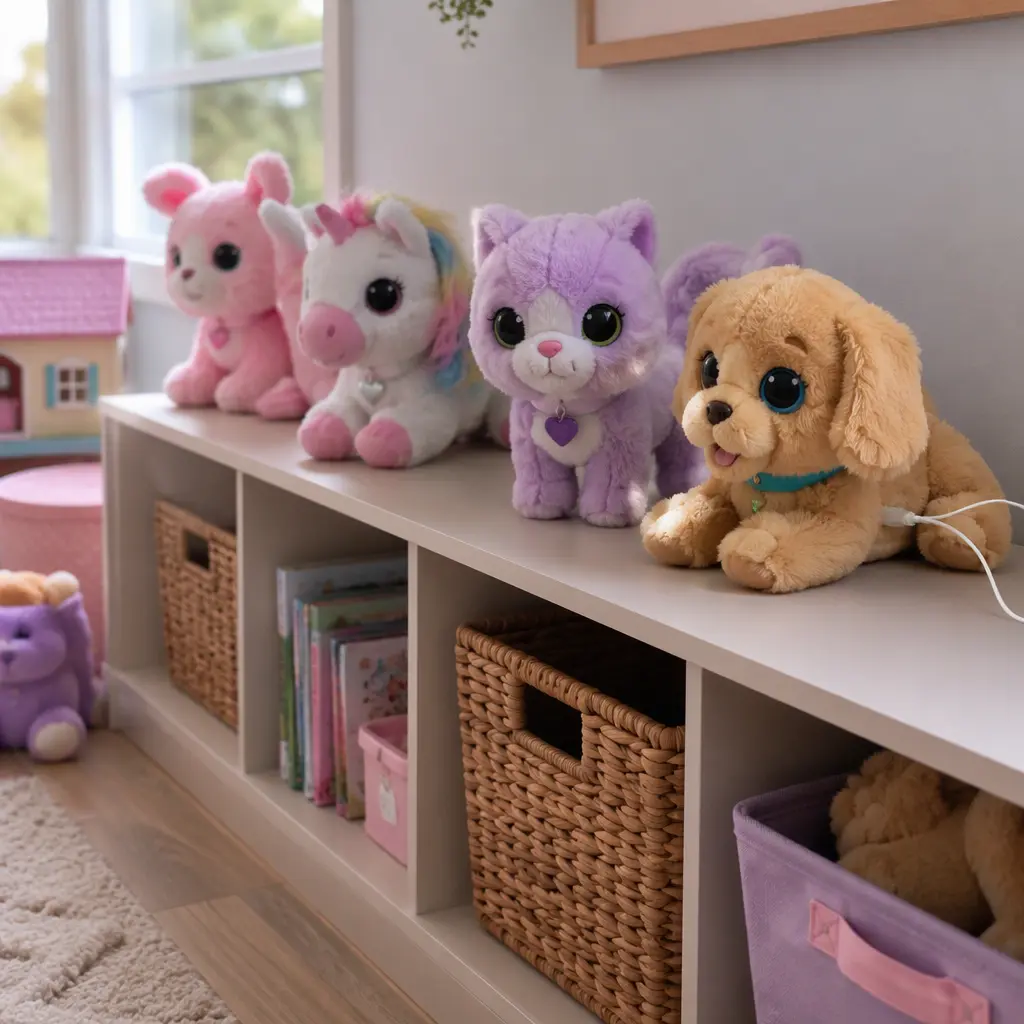
RealFX-style pets are designed to create a more immersive illusion of caring for a real animal. Manufacturers often emphasize realistic fur textures, responsive touch sensors and natural movement patterns. These toys may appeal to children who enjoy roleplay, quiet companionship or animal-themed play without the responsibility of a live pet. They can also suit children who repeatedly return to nurturing activities rather than fast-paced games.
The trade-off is that realistic toys can require more patience from both children and parents. Motorized movement may drain batteries faster, and realistic sounds can feel repetitive in smaller homes or apartments. Some children may also find realistic eye movement or breathing effects unsettling, especially in darker rooms or at bedtime. A toy that behaves unpredictably can be entertaining for one child and stressful for another.
- Classic animatronic pets usually focus on simple triggers like clapping, pressing a paw or speaking a phrase. They are often easier for children to understand and control.
- Cartoon-style designs tend to age better emotionally. Children may continue treating them as playful characters even after interest in the electronics fades.
- Simpler toys are often lighter and easier to travel with, making them more practical for car rides or sleepovers.
- Highly realistic toys may encourage calmer, imaginative solo play, but they can also become shelf items once batteries run out or maintenance feels inconvenient.
- Families sensitive to noise may prefer toys with fewer motors and shorter sound loops.
- Children who are anxious around lifelike movement may be happier with brightly colored or obviously toy-like designs rather than realistic pets with detailed eyes and fur.
Frequently asked questions
Do realistic toy pets help children prepare for a real pet?
They can encourage routines like gentle handling, pretend feeding and caregiving, but they do not fully replicate the responsibility of caring for a live animal. Electronic pets respond in programmed ways and cannot teach every aspect of real pet ownership.
Are realistic animatronic toys too intense for sensitive children?
For some children, yes. Toys with sudden movement, blinking eyes or realistic noises can feel overwhelming, especially during quiet time or at night. Children who prefer predictable play may enjoy simpler designs with clear buttons and limited reactions.
How much maintenance do interactive plush toys need?
Most require occasional surface cleaning, battery changes or charging, and careful storage to avoid damage to motors or sensors. Plush-covered electronics are generally less washable than ordinary stuffed animals, so messy play areas can become a problem.
Do these toys need apps or internet access?
Many classic animatronic toys work completely offline. Some newer connected toys may add companion apps, voice features or updates, but parents should check whether those features are optional and whether the toy still works well without them.
Which type lasts longer in play value?
That depends on the child. Realistic pets may hold attention longer for children who enjoy nurturing roleplay, while simpler animatronic toys often stay appealing because they are easier to use casually and less demanding to maintain.
For most families choosing between RealFX-style pets and classic animatronic toys, the decision comes down to realism versus simplicity. Lifelike toys can feel impressive and emotionally engaging, but they often need more batteries, more care and a child who genuinely enjoys immersive pretend play. Classic animatronic toys usually offer lower-maintenance fun, clearer reactions and a less intense experience that suits a wider range of children and home environments.