Best Plush Toys for Kids Who Overheat at Night
A parent-focused guide to choosing plush toys for kids who get too warm at night, covering breathable fabrics, lightweight fillings, toy size, washing needs, and sleep-friendly comfort.
Compare prices and availability
Check current prices and availability for this guide on eBay.
As an eBay Partner, we may be compensated if you make a purchase.
Some children sleep best with a soft toy tucked under an arm or against their chest, but heavy fabrics and dense stuffing can make bedtime uncomfortable for kids who already tend to overheat at night. A plush toy that traps too much warmth may lead to restless sleep, sweating, or frequent waking. For children aged 6–8, comfort usually comes down to three practical factors: breathable fabric, lightweight filling, and a size that feels reassuring without covering too much of the body. Choosing the right type of plush toy can make bedtime calmer while still giving children the familiar comfort many rely on for sleep.
What to look for
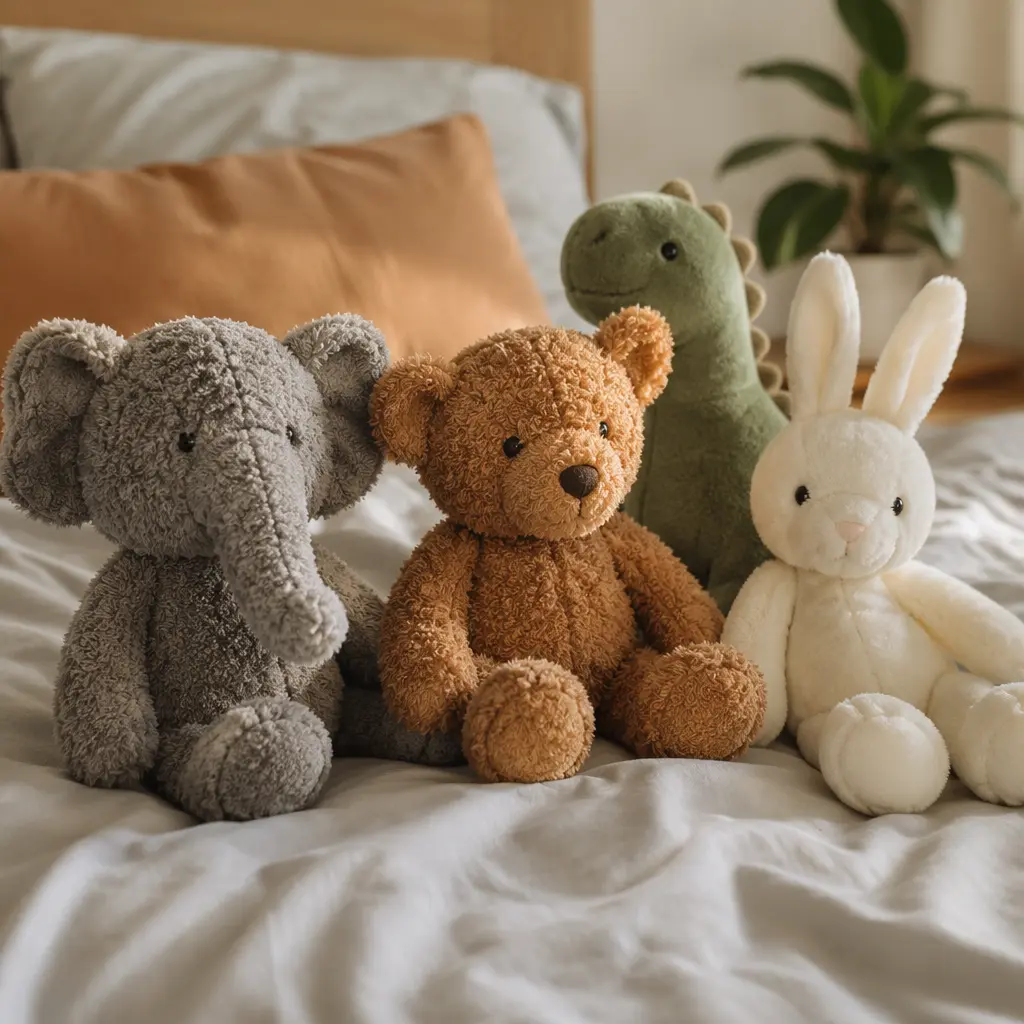
Children who overheat during sleep usually do better with plush toys that feel soft without feeling dense or insulating. While many novelty plush toys focus on oversized shapes or fluffy textures, those features often hold extra heat. Parents may find it more useful to prioritize washable, breathable materials and compact designs that fit comfortably beside the child rather than across the body.
- Choose breathable outer fabrics such as cotton blends or short-pile plush instead of very shaggy faux fur.
- Look for lightweight filling that compresses easily rather than heavily stuffed designs.
- Smaller plush toys are often cooler because they cover less skin during sleep.
- Machine-washable toys are easier to keep fresh after sweaty nights or seasonal allergies.
- Avoid toys with battery packs, warming features, or bulky accessories for overnight use.
- Flattened or floppy plush styles may feel cooler than oversized pillow-like toys.
- Consider storage space if your child rotates several comfort toys at bedtime.
Age suitability
Children aged 6–8 are usually old enough to describe whether a plush toy feels too hot, too heavy, or uncomfortable during sleep. At this age, many children still enjoy bedtime comfort objects, but they may prefer softer textures and realistic animal designs over baby-style plush toys. Medium or small plush toys often suit this age group best because they are easier to carry between rooms, fit comfortably into standard beds, and do not overwhelm smaller sleepers. Children who move frequently in their sleep may especially benefit from compact plush toys that stay near the pillow instead of under blankets. Kids with sensory sensitivities may prefer predictable textures such as velour or smooth microfiber, while highly textured sequins, long faux fur, or stiff decorative fabrics can become irritating during the night.
Options compared
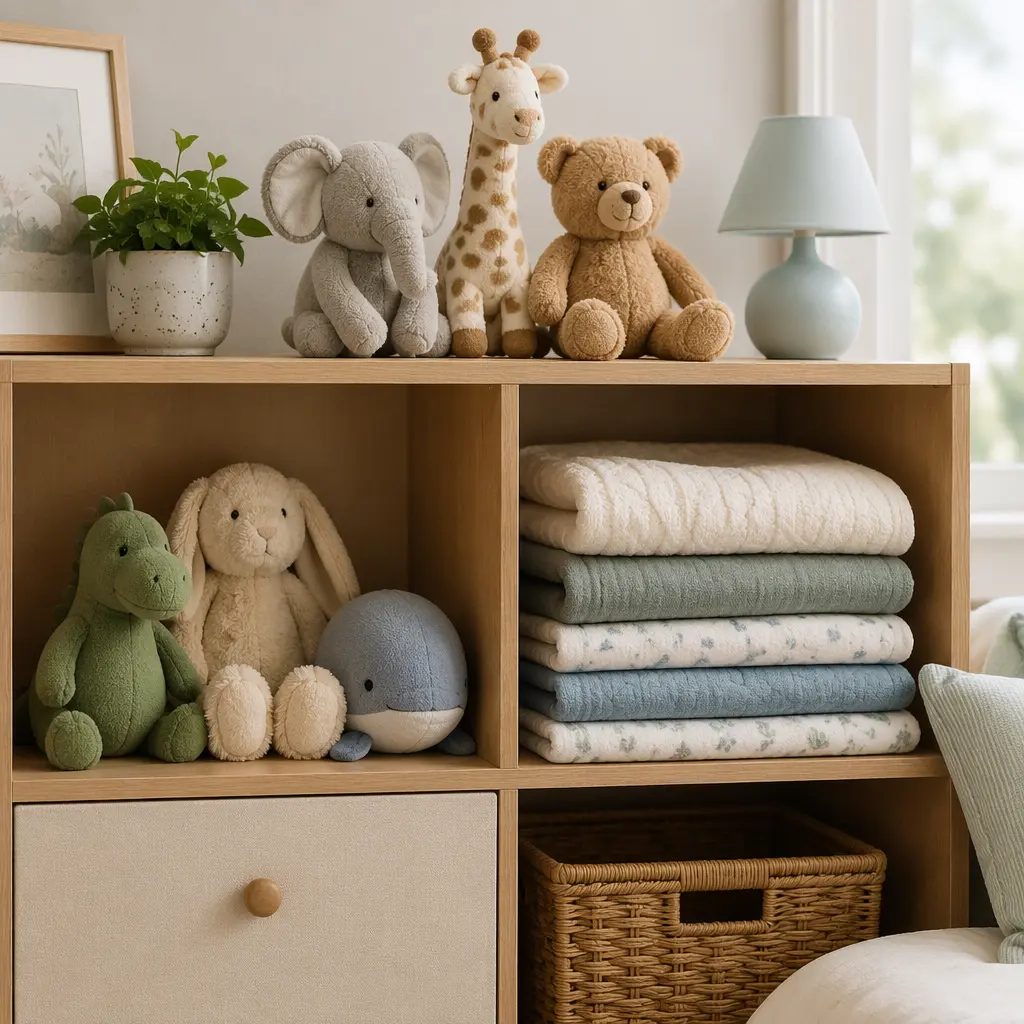
Different plush toy styles handle heat very differently. Traditional teddy bears with dense stuffing and thick faux fur may feel cozy in winter but can become uncomfortable for children who naturally sleep warm. Smaller plush animals with shorter fabric piles usually allow more airflow and are easier to reposition during the night. Flat plush comfort toys, often designed with softer bodies and less filling, tend to trap less heat while still offering tactile comfort.
Squishy pillow-style plush toys can appeal to children who like hugging something large while falling asleep, but they are often the warmest option because they cover more surface area and contain more filling. These may work better for daytime relaxing than overnight cuddling in warmer bedrooms. Weighted plush toys can help some children settle before bed, but they are not ideal for children who overheat easily because the extra layers and filling retain warmth. Lightweight plush toys with breathable fabrics are generally the most versatile choice for year-round sleep comfort.
- Short-pile plush animals: usually cooler, easier to wash, good for everyday bedtime use.
- Flat or floppy plush toys: lightweight and breathable, suited to children who dislike bulky bedding.
- Large pillow-style plush: comforting for lounging but often too warm for overnight cuddling.
- Weighted plush toys: may feel calming before sleep but can trap heat and feel restrictive.
- Collectible mini plush toys: easy to rotate and store, though some children may find them too small for comfort.
- Natural-fiber fabric plush: may feel cooler against skin but sometimes require gentler washing routines.
Frequently asked questions
Are weighted plush toys good for kids who overheat?
Usually not for overnight sleep comfort. Weighted plush toys tend to contain denser filling and thicker fabrics that hold warmth. Some children may still enjoy them for calming activities before bed, but lighter plush toys are generally more comfortable through the night.
What fabric is coolest for a plush toy?
Short-pile fabrics and cotton-blend materials often feel cooler than long faux fur or heavily textured plush. Breathability matters more than extreme softness alone. Fabrics that allow airflow and dry quickly after washing are usually more comfortable for warm sleepers.
Should kids sleep with large plush toys?
Large plush toys can crowd smaller beds and trap extra heat around the body. For children who overheat easily, a compact plush toy is often the better option. Larger toys may still work well as daytime comfort items kept outside the bed overnight.
How often should sleep plush toys be washed?
A plush toy used every night may need regular washing, especially during warm weather. Always follow care instructions when available. Machine-washable toys are usually the easiest choice for families managing sweat, allergies, or frequent bedtime use.
Do cooling plush toys exist?
Some plush products use cooling fabrics or gel inserts, but simpler lightweight plush toys are often more practical for children. Cooling inserts may add weight or require extra supervision. Breathable fabrics, smaller sizes, and lighter filling usually have a bigger effect on sleep comfort.
The best plush toy for a child who overheats at night is usually not the fluffiest or largest option on the shelf. Lightweight construction, breathable materials, and manageable size matter far more for comfortable sleep. For most children aged 6–8, a small washable plush toy with soft but simple fabric provides enough bedtime comfort without adding unnecessary warmth or clutter to the bed.