Durable Plush Toys for Kids Who Chew, Twist or Tug
A parent-focused guide to choosing durable plush toys for toddlers who chew, pull or carry toys everywhere, with practical advice on fabrics, seams, stuffing, washing and age suitability.
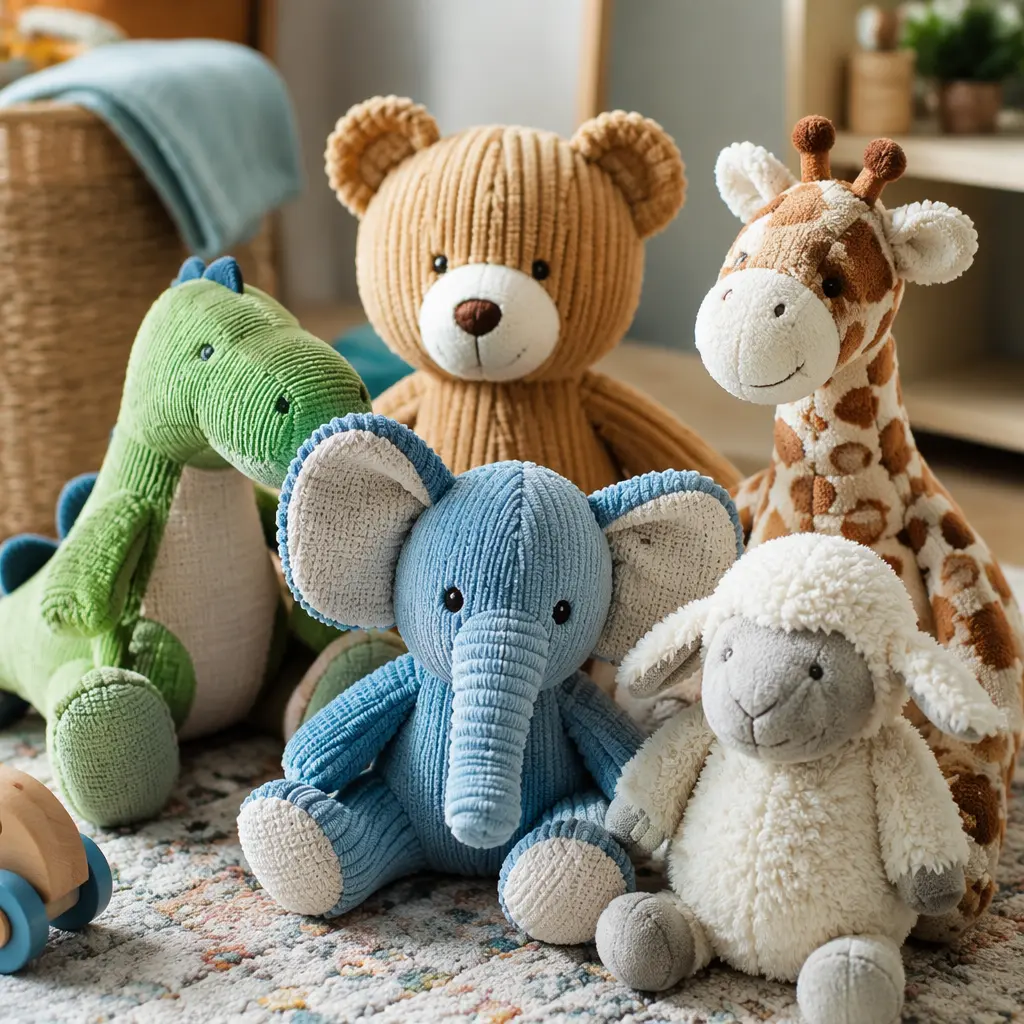
Compare prices and availability
Check current prices and availability for this guide on eBay.
As an eBay Partner, we may be compensated if you make a purchase.
Some toddlers treat plush toys gently, while others chew ears, drag toys across floors, twist limbs or tug at seams throughout the day. For parents of children aged 1–2 years, durability matters as much as softness. A well-made plush toy should handle regular squeezing, washing and rough everyday play without becoming a safety concern or turning into a constant repair project. The challenge is finding a toy that feels comforting and soft while still holding up to repeated chewing, pulling and carrying. Fabric choice, seam construction and stuffing quality all make a noticeable difference, especially during the toddler years when toys often spend as much time on the floor as in bed.
What to look for
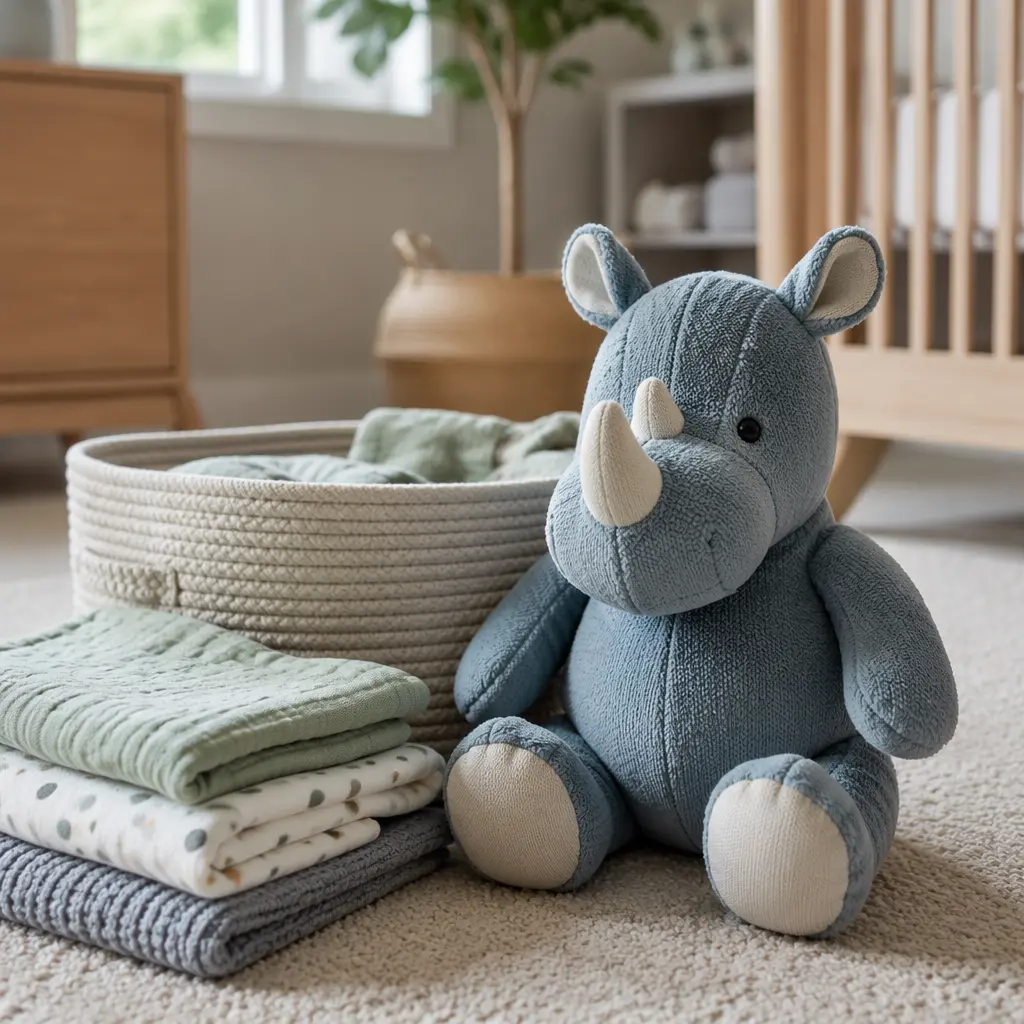
For rough everyday use, durable plush toys usually rely on simple construction rather than delicate decorative details. Short-pile fabrics tend to wear better than long faux fur, which can mat after frequent chewing or washing. Reinforced stitching around arms, ears and tails is important because these are common pulling points for toddlers. Plush toys with embroidered eyes and facial features are often a better fit for this age group than toys with glued or hard plastic decorations. Washability also matters. Machine-washable toys are easier to keep hygienic when they spend time on floors, in strollers or in toddlers' mouths.
- Choose tightly stitched seams with minimal loose trim or decorative attachments.
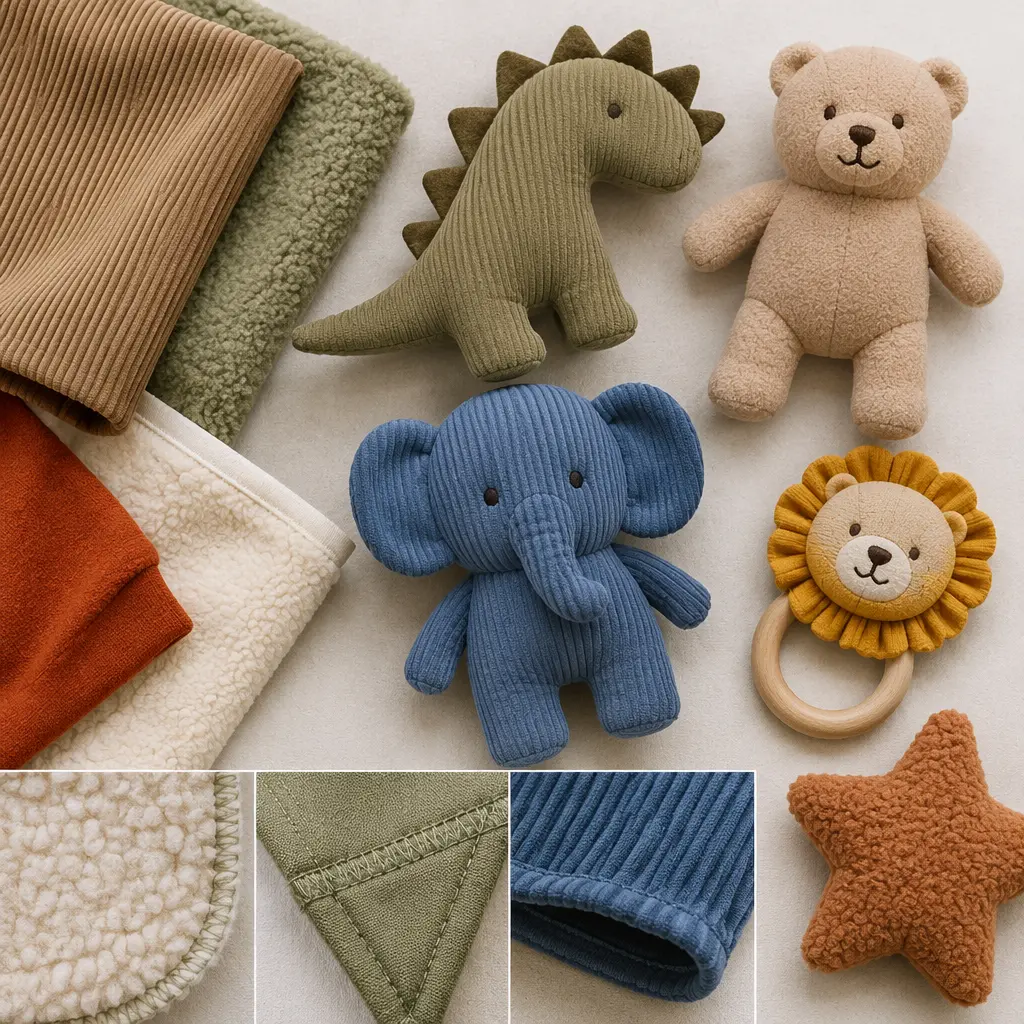
- Look for short, dense fabrics such as velour, fleece or corduroy-style textures that resist matting.
- Soft but firmly packed stuffing often keeps its shape longer than loosely filled plush.
- Smaller or medium-sized toys are usually easier for toddlers to carry without dragging constantly.
- Machine-washable designs are more practical for daily use and daycare routines.
- Avoid plush toys with beads, pellets or hard internal parts for children who chew heavily.
Age suitability
For children aged 1–2 years, plush toys work best when they are lightweight, simple and easy to grip. Oversized stuffed animals may look appealing in photos but can be awkward for toddlers to carry independently and difficult to store or clean. Smaller comfort toys often become everyday companions because they fit easily into cribs, travel bags and strollers. At this age, toddlers are still exploring textures with their mouths, so fabrics should feel soft without shedding fibers excessively. Plush toys with crinkly inserts or gentle tactile textures can add sensory interest without introducing batteries or screens. Parents sharing bedrooms or managing quiet nap routines may also prefer fully silent soft toys over electronic plush options with sound modules.
Options compared
Different plush toy styles suit different family routines and toddler habits. Classic stuffed animals with simple shapes are usually the easiest to wash, store and replace if needed. They also tend to have fewer decorative weak points than character-themed toys with accessories or layered clothing. Plush comfort blankets, sometimes called loveys, can work well for toddlers who mainly want a soothing sleep companion rather than an active play toy. However, they may show wear more quickly if a child chews corners or drags them constantly.
Textured sensory plush toys can be useful for toddlers who enjoy touching different fabrics, tags or ridges. These may hold attention longer during quiet play but should still avoid detachable parts. Weighted plush toys are sometimes marketed for calming routines, but many are better suited to older children because of their heavier filling and specific supervision needs. For rough-and-tumble toddlers, simpler designs often last longer than highly interactive plush toys with electronics, zippers or moving parts. Electronic plush can introduce noise, battery maintenance and more areas where wear appears over time.
- Classic stuffed animals: durable, versatile and usually easiest to clean; good for daily comfort and pretend play.
- Lovey-style comfort toys: lightweight and portable, but edges may wear faster with frequent chewing.
- Textured sensory plush: useful for tactile exploration, though extra fabric details should still be securely stitched.
- Large decorative plush: visually appealing but harder to wash, store and transport.
- Electronic plush toys: may entertain some toddlers but add noise, batteries and potential durability trade-offs.
Frequently asked questions
What fabric holds up best for toddlers who chew toys?
Dense short-pile fabrics such as fleece, velour and corduroy-style textures often handle chewing and repeated washing better than long faux fur. They are less likely to mat heavily and are usually easier to clean.
Are plush toys with sound features a good idea for this age?
They can work for some families, but electronic plush toys tend to be less durable over time and may be harder to wash thoroughly. Parents sensitive to noise or managing quiet bedtime routines often prefer silent plush toys instead.
How many plush toys does a toddler really need?
Many toddlers form strong attachments to one or two favorite comfort toys rather than rotating through large collections. Keeping a smaller number of durable, washable plush toys can make cleaning and storage simpler.
Should parents avoid oversized stuffed animals?
Large plush toys are not automatically unsafe, but they can be difficult for young toddlers to carry, clean and store. Medium-sized soft toys are often more practical for everyday use and travel.
How often should plush toys be washed?
Frequency depends on use, but toys that are chewed, slept with or taken outdoors usually need more regular cleaning. Following the manufacturer's care instructions helps preserve stitching and stuffing quality.
The most durable plush toys for toddlers are usually the simplest ones: soft fabrics, reinforced seams, embroidered details and washable construction. For children who chew, twist or tug constantly, practical design matters more than novelty features. A compact plush toy that survives regular washing and everyday rough handling is often more useful than a larger or more decorative option that quickly shows wear.