Soft Baby Toys That Dry Fast After Washing
A parent-focused guide to soft baby toys that handle frequent washing well, including fabric choices, quick-drying fillings, durability, storage and safe age suitability for babies 0–12 months.
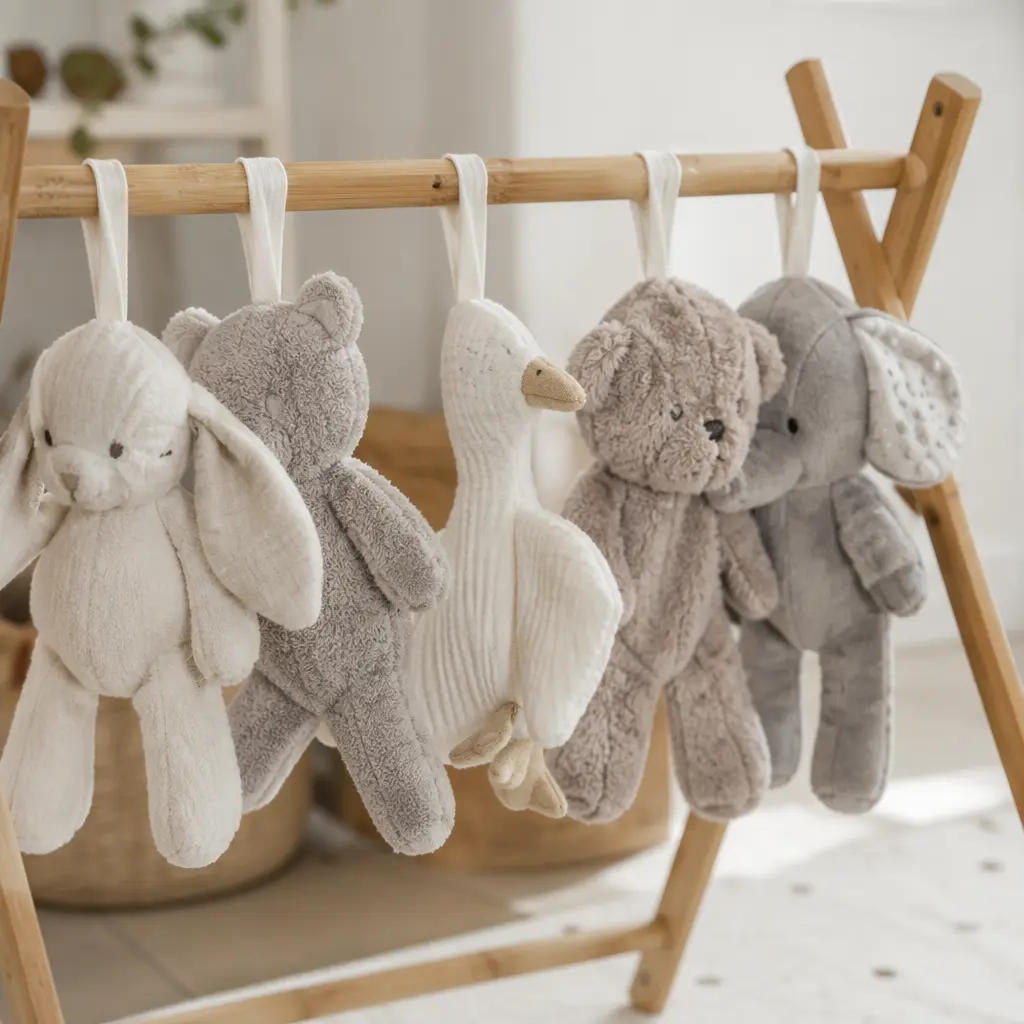
Compare prices and availability
Check current prices and availability for this guide on eBay.
As an eBay Partner, we may be compensated if you make a purchase.
Soft toys for babies tend to be washed often. Drool, milk spills, teething and floor time can quickly turn a favorite comfort toy into something that needs another trip through the laundry. For parents of babies under 12 months, fast-drying materials can make daily routines easier while also helping reduce damp smells and long drying times around the home. The challenge is finding toys that still feel soft and comforting without becoming heavy, misshapen or slow to dry after repeated washing. Fabric type, stitching quality and filling material all affect how practical a toy will be for regular use.
What to look for
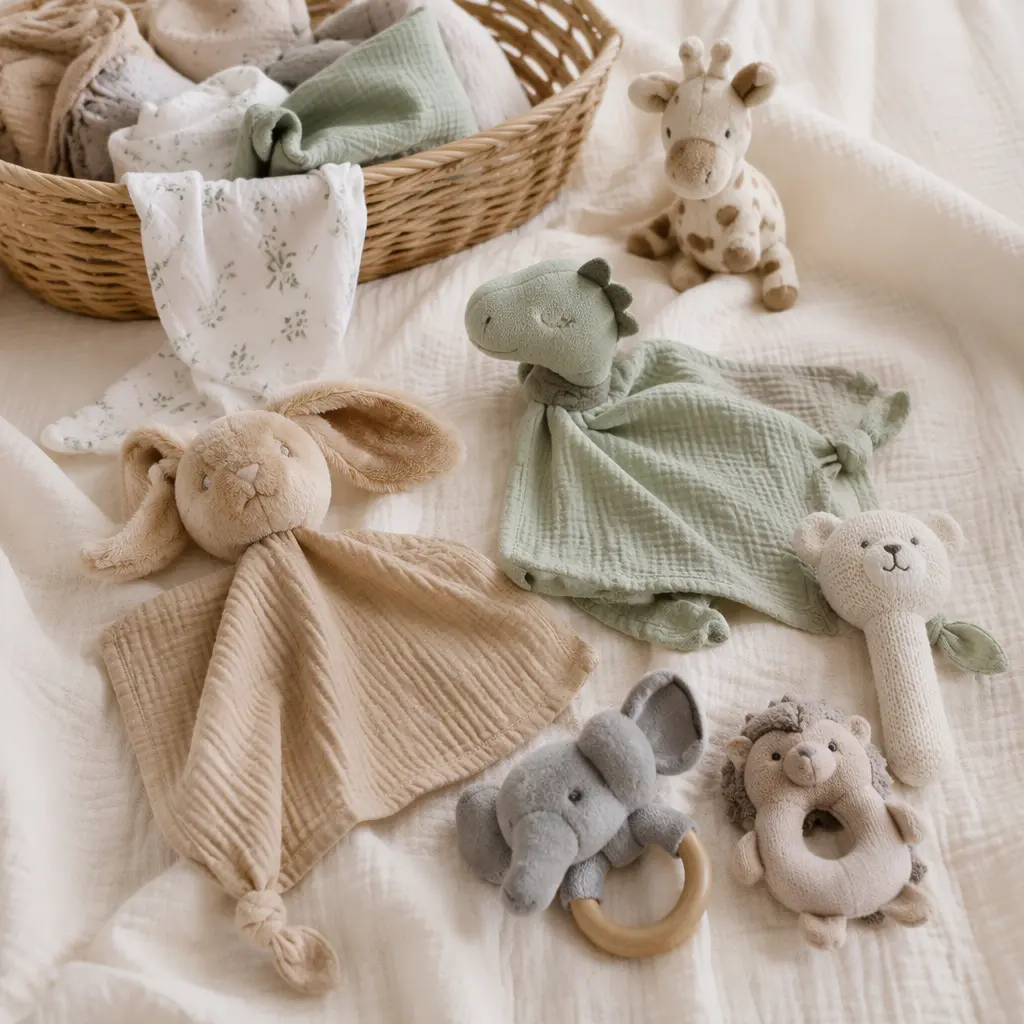
The fastest-drying baby toys are usually lightweight, simply constructed and made from breathable fabrics. Thick plush fur, dense stuffing and layered decorative details may feel luxurious at first but often hold moisture longer after washing. Parents dealing with frequent cleanups may prefer smaller comfort toys, fabric rattles or flat loveys that can air-dry overnight. Machine-washable construction also matters because hand-wash-only toys can become inconvenient during the first year.
- Choose lightweight fabrics such as cotton muslin, fleece blends or jersey rather than very dense plush fabric.
- Flat comforters and lightly stuffed toys usually dry faster than large plush animals.
- Look for securely stitched seams that can handle repeated washing without filling shifting or clumping.
- Minimal ribbons, trims and layered accessories generally mean faster drying and easier cleaning.
- Quick-drying synthetic filling may dry faster than dense cotton filling, but texture and breathability can vary.
- Check whether the toy is machine washable and whether tumble drying is allowed.
- Lighter-colored fabrics may show stains more easily but can help parents spot areas needing extra cleaning.
- Smaller toys are easier to rotate between washes and simpler to pack in diaper bags.
Age suitability
For babies from birth to 12 months, simple soft toys are usually the most practical choice. Newborns benefit from high-contrast textures, gentle fabrics and lightweight items that are easy for adults to reposition safely during supervised play. Around three to six months, babies often begin grasping, mouthing and chewing fabrics, which increases washing frequency. By six to twelve months, many babies enjoy crinkly textures, fabric tags and soft rattles that encourage sensory exploration. Oversized stuffed animals may look appealing in nursery photos but are less practical for regular washing and can take up significant storage space. Parents wanting a toy for sleep routines may prefer a compact comfort object that dries quickly enough to be ready again after accidents or illness.
Options compared
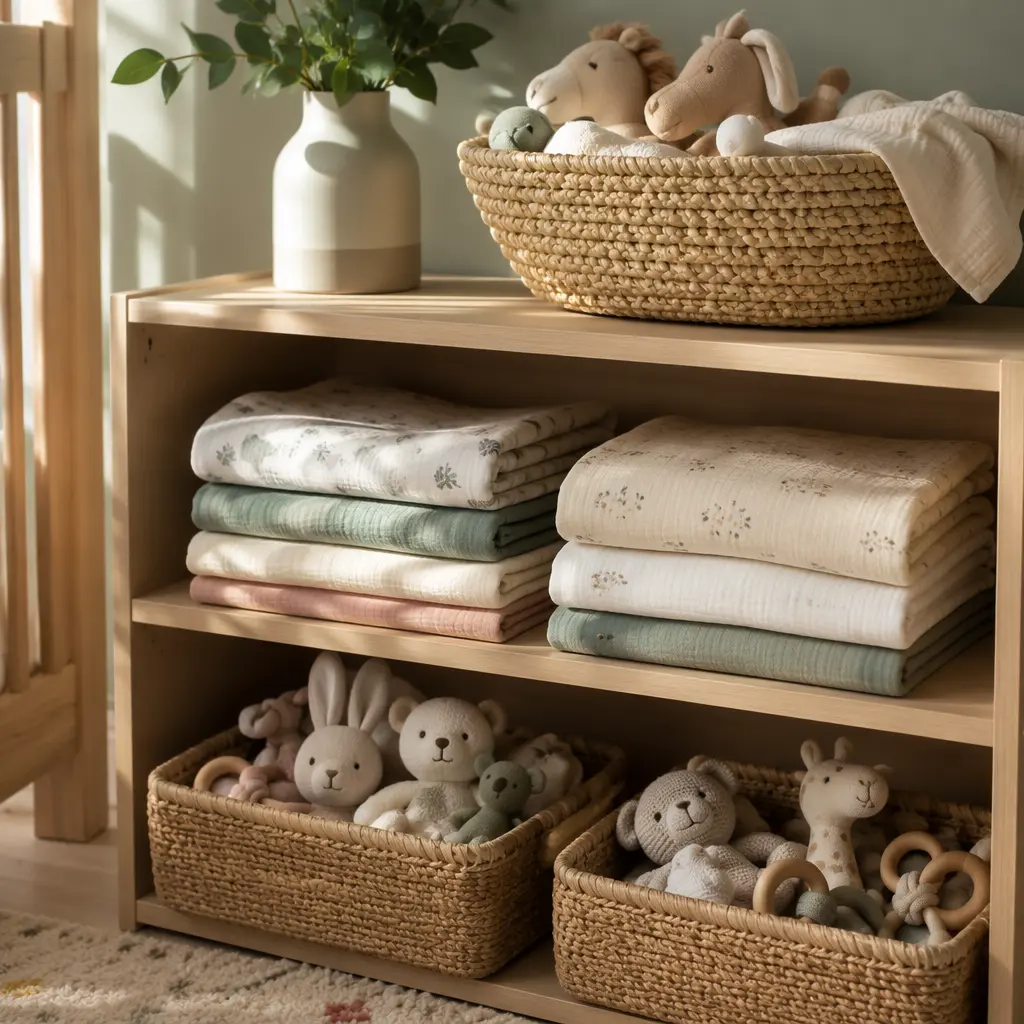
Flat loveys and comfort blankets are often the easiest soft toys to wash and dry quickly. Because they contain little or no stuffing, they tend to air-dry faster than traditional plush animals. They also fold compactly into diaper bags and nursery drawers. These suit parents who want a lightweight comfort object that can be rotated between washes without taking much space. The trade-off is that they may feel less cuddly than fully stuffed toys.
Lightly stuffed fabric rattles offer more sensory engagement for babies who enjoy grasping and shaking toys. Many combine textured fabrics with simple sounds while remaining relatively compact. However, internal rattles and multiple fabric panels can increase drying time slightly compared with flat cloth toys. Traditional plush toys are often the softest option but vary widely in practicality. Dense plush fur and heavily stuffed bodies may stay damp for longer and can become misshapen if washed frequently. Smaller plush toys with short fabric pile are usually easier to maintain than oversized fluffy designs.
- Muslin comfort toys: very lightweight, breathable and quick to dry; best for frequent washing and travel.
- Fleece or jersey soft toys: soft and flexible with moderate drying time; often durable for everyday use.
- Crinkle cloth toys: sensory-focused and lightweight, but inner crinkle layers may require longer air drying.
- Small plush animals: comforting and cuddly, though thicker stuffing can slow drying after machine washing.
- Activity soft cubes: engaging for older babies but often slower to dry because of multiple textures and internal features.
Frequently asked questions
Which fabric dries fastest for baby toys?
Lightweight cotton muslin and thinner fleece fabrics are commonly among the fastest to dry because they trap less water than dense plush materials. Simple construction also makes a difference, since thick layers and heavy stuffing slow drying considerably.
Are heavily stuffed plush toys a bad choice for babies?
Not necessarily, but they can be less convenient during the first year when toys are washed frequently. Larger plush toys may take longer to dry fully and can be harder to store. Compact plush toys with secure stitching are usually easier for everyday use.
How many washable soft toys do parents usually need?
Having two or three similar comfort toys can help during frequent wash cycles. If one toy is drying, another is available for outings, naps or supervised playtime. Matching backups can also help avoid disruption if a favorite toy becomes misplaced.
What makes a soft toy durable after repeated washing?
Strong stitching, fewer decorative attachments and evenly distributed filling tend to improve durability. Toys with embroidered details instead of glued pieces may also hold up better over time. Following washing instructions helps reduce fabric wear and filling clumps.
Should soft baby toys be air-dried or tumble dried?
That depends on the care instructions. Air drying is gentler on fabrics and seams, while low-heat tumble drying may save time for durable machine-safe toys. Fully drying the toy before reuse is important to avoid damp odors or mildew buildup.
The most practical soft toys for babies under 12 months are usually the simplest ones: lightweight fabrics, secure stitching and compact designs that can handle frequent washing without becoming difficult to dry or store. Parents balancing laundry loads, nursery space and everyday messes may find that quick-drying comfort toys are easier to keep in regular rotation than large decorative plush toys. Prioritizing washable construction and age-appropriate simplicity can make soft toys more useful throughout the first year.