Do Cooling or Heating Plush Toys Really Calm Kids?
A practical, parent-friendly guide to cooling and heating plush toys—how they work, when they help, age considerations, and safety tips to decide if they fit your child’s needs.

Compare prices and availability
Check current prices and availability for this guide on eBay.
As an eBay Partner, we may be compensated if you make a purchase.
Cooling and heating plush toys have become popular as gentle tools for calming kids at bedtime, during quiet time, or when big feelings hit. These toys look like standard stuffed animals but include removable inserts that can be warmed or cooled. Parents often wonder whether the temperature feature truly helps—or if it’s just a comforting gimmick. This guide explains how they work, when they can be useful, and what to consider before buying.
What to look for
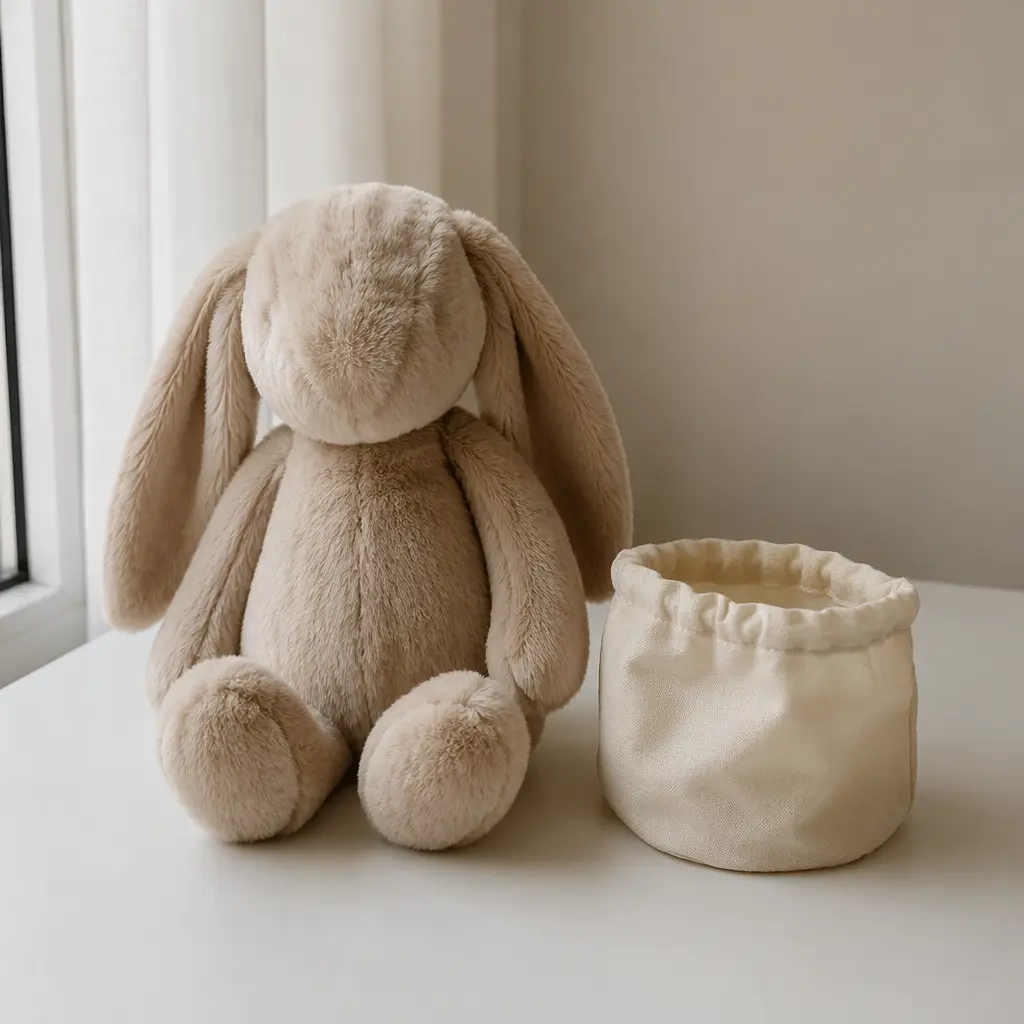
Not all cooling or heating plush toys are built the same. The calming effect depends on safe materials, easy temperature control, and how well the toy fits your child’s preferences. Focus on construction and usability rather than novelty features.
- Removable insert: A separate pouch that can be warmed or cooled outside the toy makes temperature control safer and easier.
- Temperature range: The insert should provide gentle warmth or coolness, not extremes that could cause discomfort.
- Soft, breathable fabric: Plush covers should feel comfortable against skin and not trap too much heat.
- Weight and size: Some inserts add light weight, which can be calming for some children but overwhelming for others.
- Washability: A removable, machine-washable cover helps with hygiene and everyday messes.
Age suitability
These plush toys are generally designed for toddlers through elementary-age children, but age matters. Younger children may enjoy the softness and routine of a warm or cool plush, while older kids may use it intentionally for relaxation or bedtime comfort. For infants, temperature-regulating toys are usually not recommended due to sleep-safety guidelines and the risk of overheating. Always check age guidance and consider your child’s ability to communicate discomfort.
Standout categories or types
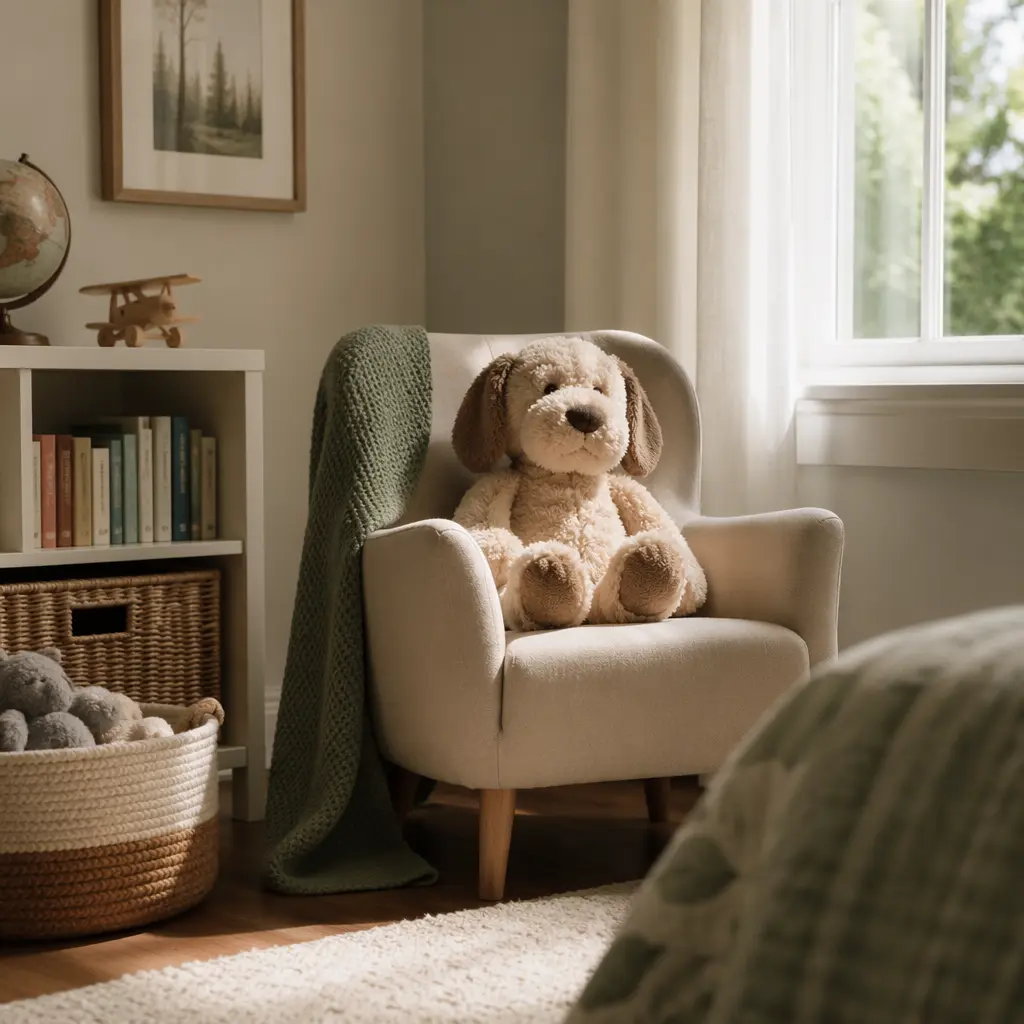
Cooling and heating plush toys fall into a few broad categories. Understanding the differences can help you match the toy to the situation you want to support, whether that’s winding down for sleep or soothing after a busy day.
- Warm-only plush toys: Designed mainly for bedtime comfort, these use gentle heat to encourage relaxation.
- Cool-only plush toys: Often used for warm climates, fevers (with medical guidance), or sensory cooling.
- Dual-use plush toys: Inserts can be warmed or cooled, offering flexibility across seasons.
- Lightly weighted plush toys: Combine temperature with subtle weight for children who find pressure calming.
Frequently asked questions
Do these toys actually calm kids?
For some children, yes. Gentle warmth or coolness can support relaxation by providing predictable sensory input. The effect is usually subtle and works best alongside routines like reading or quiet music, rather than as a standalone solution.
Are they helpful for anxiety or sensory needs?
They can be helpful for children who respond well to sensory input, especially temperature or light pressure. However, they are not a replacement for professional support. Think of them as one optional tool in a larger calming toolkit.
Can a child sleep with a heated or cooled plush?
Short periods of supervised use are generally preferred. For overnight sleep, many parents remove the insert once the child is settled to reduce overheating or chilling risks.
How long does the temperature last?
Most inserts provide noticeable warmth or coolness for 15–30 minutes. The calming benefit often comes from the initial sensation combined with the comfort of the plush itself.
Cooling and heating plush toys won’t work the same for every child, but they can offer simple, low-tech comfort when used thoughtfully. By focusing on safety, age appropriateness, and your child’s sensory preferences, you can decide whether this trend is a helpful addition to your family’s calming routines.