Simple Plush Toys That Help Babies Self-Soothe
A safety-first guide to choosing simple, no-battery plush toys that support calming routines for babies 0–12 months, with tips on materials, size, and age suitability.
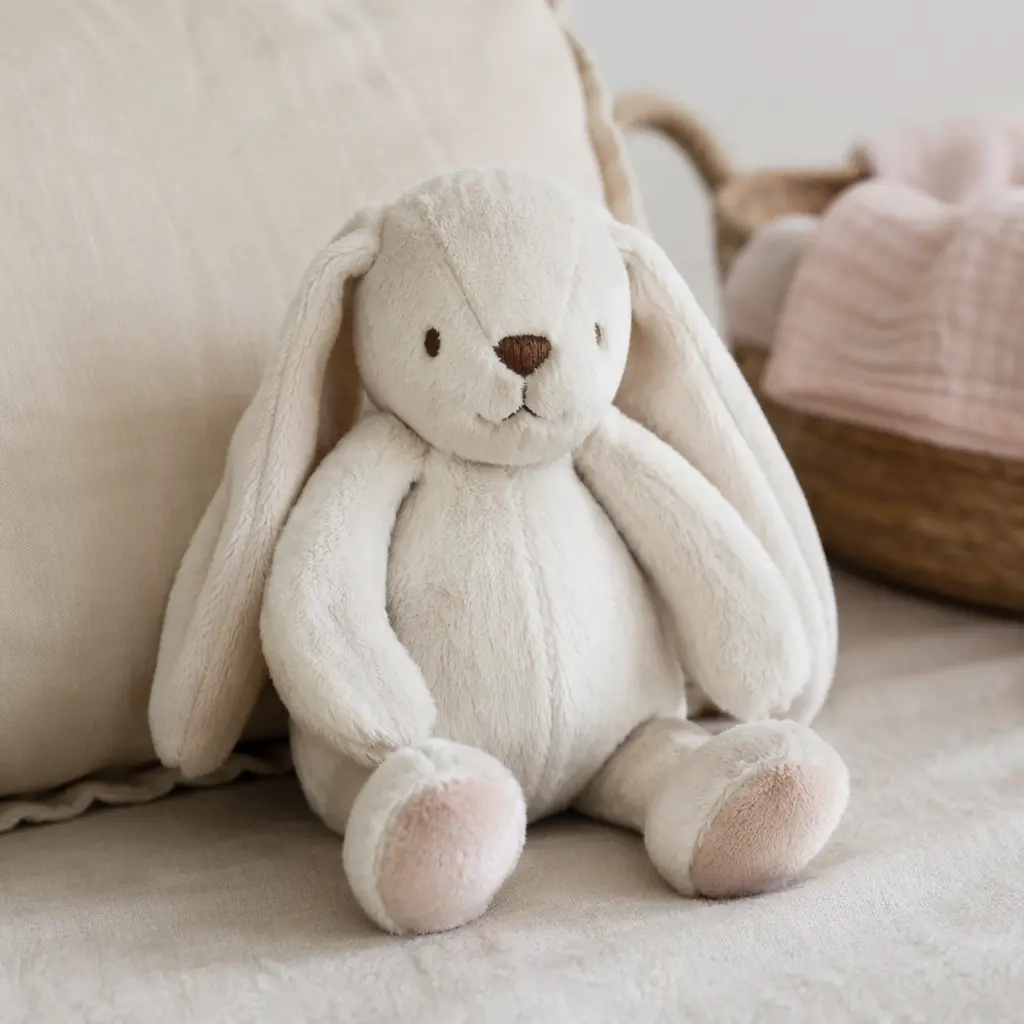
Compare prices and availability
Check current prices and availability for this guide on eBay.
As an eBay Partner, we may be compensated if you make a purchase.
During the first year, babies are learning how to calm their bodies and feel secure in new environments. Simple plush toys—without batteries, lights, or sounds—can be a gentle part of that process. When chosen carefully, these toys offer comfort through familiar textures and predictable shapes, supporting soothing routines without overstimulation. This guide focuses on what parents need to know to pick plush toys that are safe, age-appropriate, and useful for calming moments.
What to look for
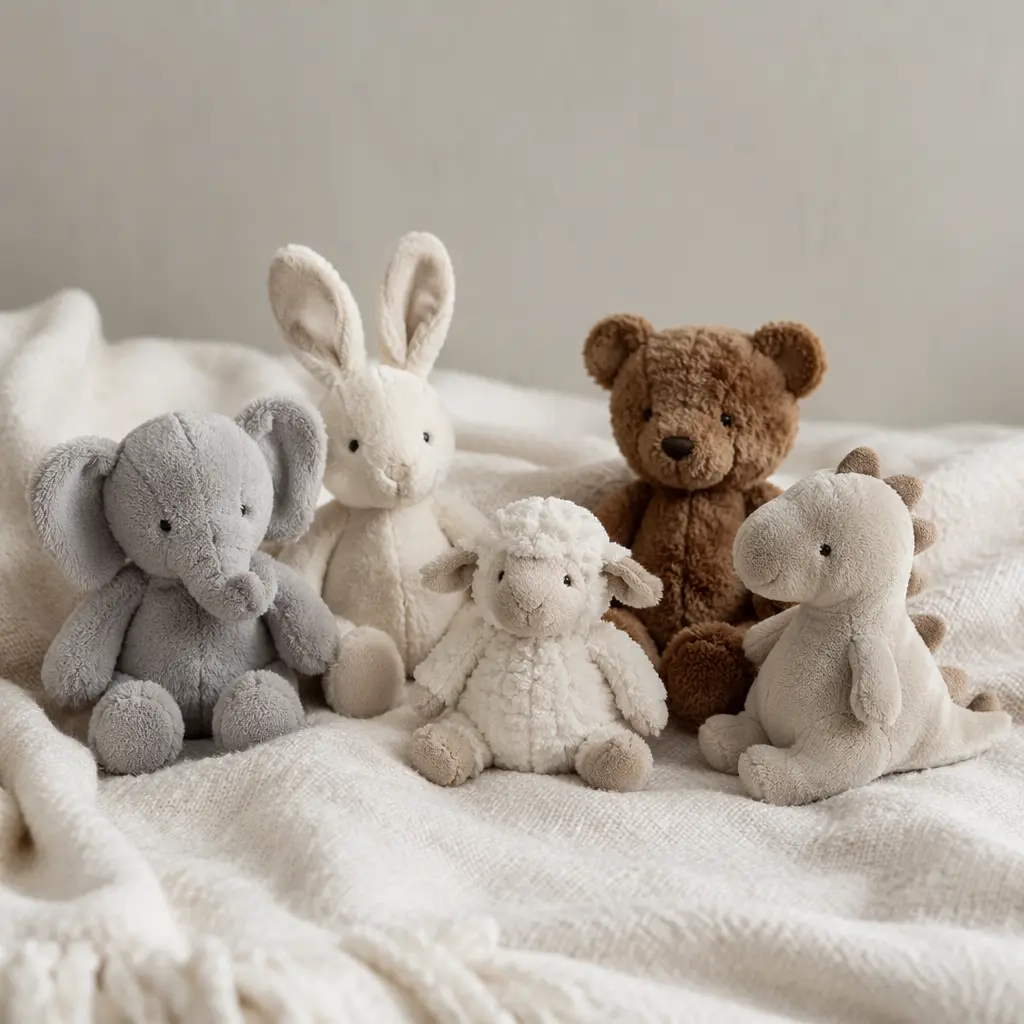
For babies under 12 months, plush toys should prioritize safety and simplicity over features. The goal is to offer a calm, consistent object that feels reassuring rather than distracting. Materials, construction, and ease of cleaning all matter more than novelty.
- Soft, breathable fabrics such as cotton or short-pile polyester that feel gentle against sensitive skin
- Minimal parts, with no hard components, batteries, or detachable decorations
- Secure stitching, especially around seams, ears, or limbs
- Lightweight size that is easy for small hands to grasp and hold
- Clear care instructions, ideally machine-washable for regular cleaning
Age suitability
From birth to around 12 months, babies’ needs change quickly. In the earliest months, plush toys are mostly for supervised touch and visual interest, helping babies explore textures during awake time. As babies grow, they may begin to associate a particular plush toy with calming moments like feeding, cuddling, or winding down before sleep. Always check age labels and remember that a toy suited for a 10-month-old may not be appropriate for a newborn.
Standout categories or types
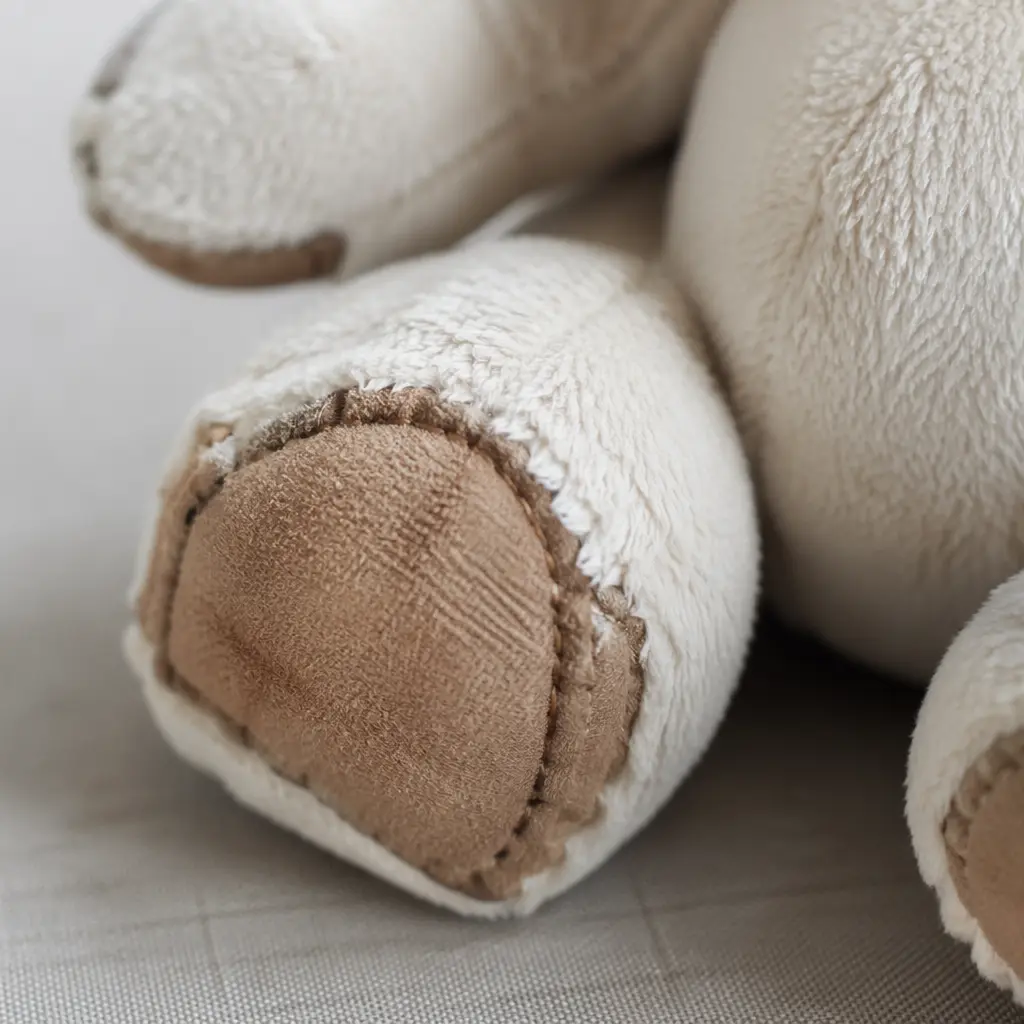
Not all plush toys serve the same purpose. Some are designed mainly for tactile exploration, while others are meant to become familiar comfort objects. Understanding these categories can help narrow your choices.
- Classic soft animals: Simple shapes with minimal features that are easy to recognize and hold
- Small comfort plushies: Compact designs intended to be carried or cuddled during calm moments
- Texture-focused plush toys: Toys that combine a few different fabrics to encourage gentle sensory exploration
- Flat or lightly padded plush toys: Designs that stay soft and flexible without bulky stuffing
Across all types, the most effective plush toys for self-soothing are consistent. Using the same toy during predictable routines—such as story time or quiet play—helps babies build familiarity and a sense of security.
Frequently asked questions
Do plush toys really help babies self-soothe?
Plush toys don’t teach self-soothing on their own, but they can support it. A familiar, soft object can provide comfort through touch and smell, especially when used consistently during calming routines.
Are no-battery plush toys better for babies?
For many families, no-battery plush toys are a good choice because they avoid sudden noises or lights that can overstimulate young babies. Their simplicity makes them easier to clean and inspect for wear.
How many plush toys does a baby need?
Babies don’t need many. One or two well-chosen plush toys are usually enough to support routines without creating clutter or confusion. Rotating toys can help keep them feeling familiar but fresh.
What should I check before washing a plush toy?
Always review the care label. Look for toys that can be machine washed and dried without losing shape. Regular washing helps keep plush toys hygienic, especially during the first year.
Simple plush toys can play a small but meaningful role in a baby’s calming routine when chosen with care. By focusing on safety, materials, and age-appropriate design, parents can select plush toys that feel reassuring and fit easily into everyday moments of comfort and connection.