Best Simple Plush Toys Kids Still Love at Age 6+
A buyer-focused guide explaining why classic, simple plush toys can stay appealing for kids ages 6–8, with tips on materials, durability, and choosing styles that grow with your child.
Compare prices and availability
Check current prices and availability for this guide on eBay.
As an eBay Partner, we may be compensated if you make a purchase.
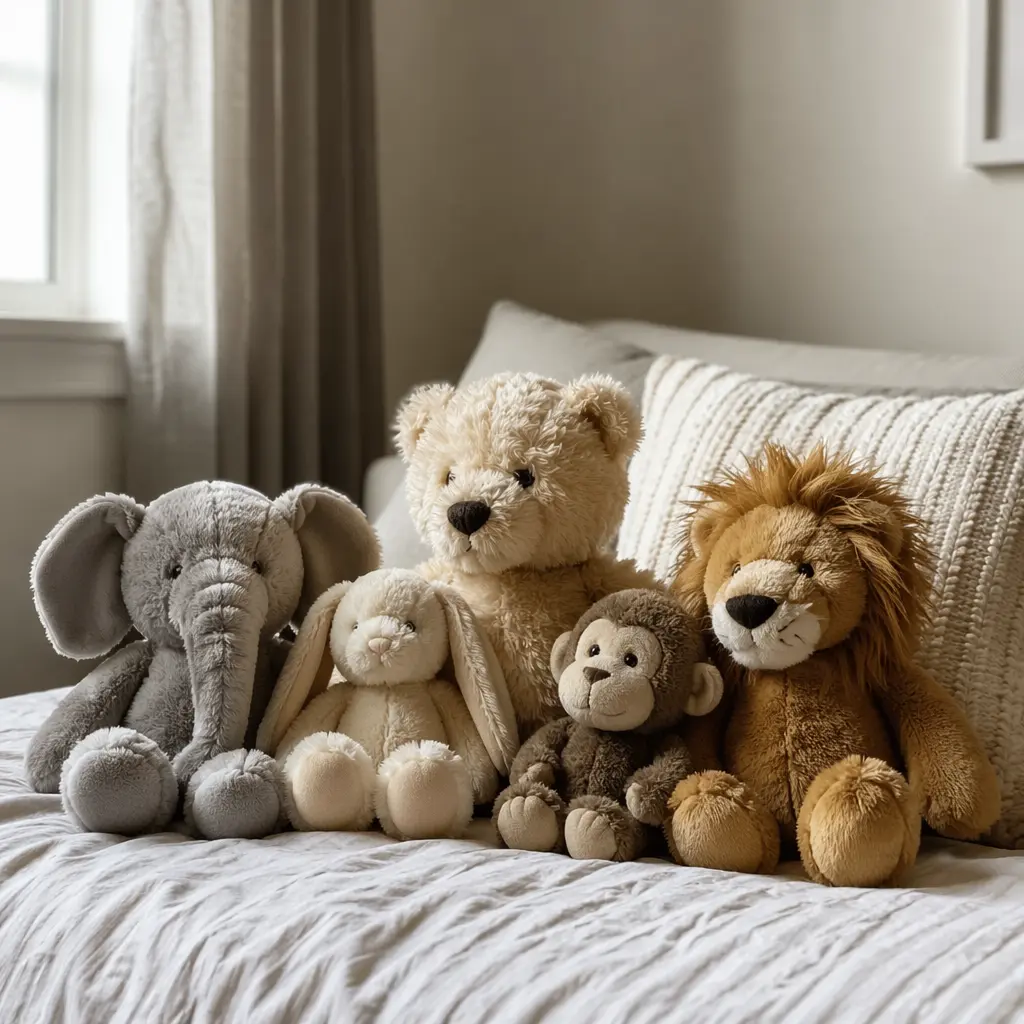
As kids move past the preschool years, toy preferences often shift toward games, building sets, and activities with clear rules. Yet many children ages 6–8 still hold onto a favorite plush toy. Simple stuffed animals, without electronics or scripted features, often stay relevant longer than flashy interactive versions. Their appeal comes from flexibility: they can be a comfort item one day and a character in imaginative play the next.
What to look for
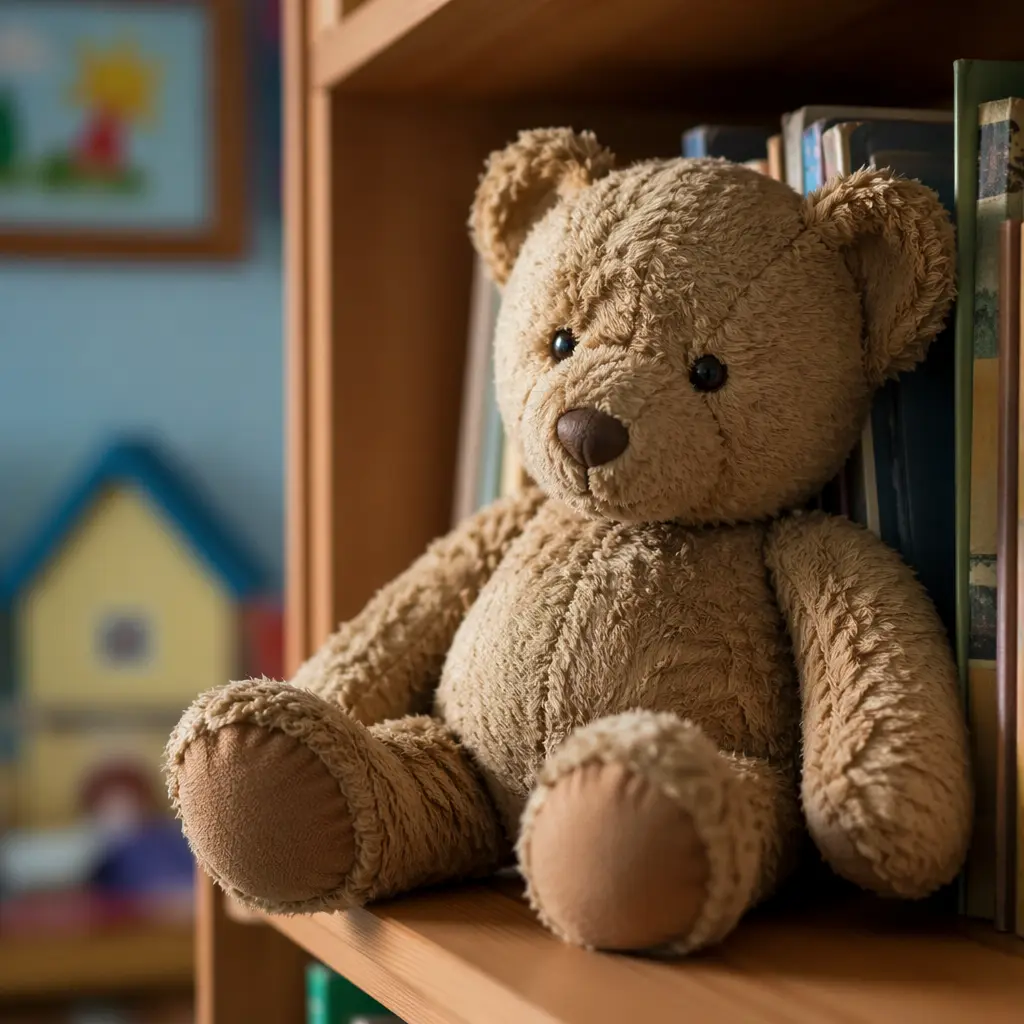
When shopping for plush toys for kids 6 and up, the basics matter more than novelty features. At this age, children notice quality and are more likely to keep toys that feel good, hold up to use, and fit into different kinds of play.
- Durable stitching and seams that can handle frequent handling and occasional rough play
- Soft but resilient fabrics that don’t flatten or pill quickly
- A simple design that leaves room for imagination rather than dictating a story
- Washable materials, ideally machine-washable or easy to spot clean
- A size that’s easy to carry or store, not oversized for their space
Age suitability
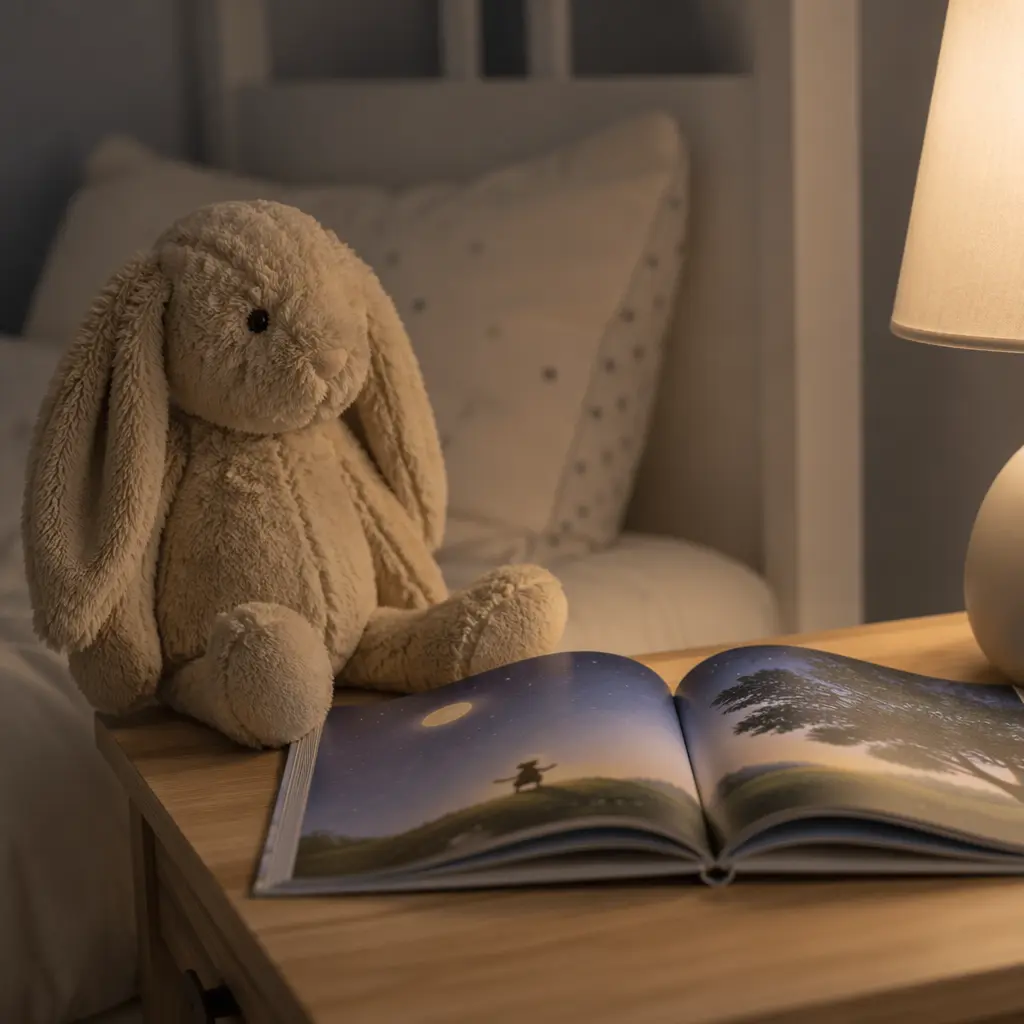
For children ages 6–8, plush toys often serve a different role than they did in toddlerhood. They may no longer be constant companions, but they still provide comfort at bedtime, during quiet reading time, or in new situations like sleepovers. Kids in this age band also use plush toys as supporting characters in games, school play, or storytelling, which makes simpler designs more adaptable than toys tied to a specific character or function.
Standout categories or types
Not all plush toys are the same, and some styles tend to resonate longer with older kids. Classic animals—such as bears, dogs, cats, or woodland creatures—are often easier for children to reinterpret as they grow. Their familiarity makes them comforting, while their neutrality allows them to fit into many play scenarios.
Another category to consider is plush toys with a slightly more realistic look or higher-quality fabrics. These can feel less babyish to kids who are becoming more aware of age labels. On the other end of the spectrum, abstract or fantasy creatures without a strong backstory can also work well, since children can invent personalities and roles without constraints.
Frequently asked questions
Are plush toys still appropriate for kids over 6?
Yes. While play patterns change, many children continue to value plush toys for comfort and imaginative play. The key is choosing designs that don’t feel babyish and that match a child’s growing interests.
Why do simple plush toys last longer than interactive ones?
Simple plush toys don’t rely on batteries, sounds, or programmed responses. This means there’s nothing to break or become outdated, and children can use them in new ways as their creativity develops.
What size plush toy works best for this age group?
Medium-sized plush toys are often ideal. They’re big enough to feel substantial but small enough to fit on a bed, shelf, or backpack without taking over the room.
Can plush toys support emotional development?
Many parents find that plush toys help kids process emotions, practice empathy, and self-soothe. Having a familiar, soft object can be reassuring during transitions or stressful moments.
Classic plush toys may seem simple, but that simplicity is often what helps them endure. For kids ages 6–8, a well-made stuffed animal can quietly adapt to changing interests, offering comfort, creativity, and familiarity long after trend-driven toys have lost their appeal.