Simple Plush Toys That Travel Well for Toddlers
A practical guide to lightweight, washable plush toys for toddlers ages 1–2, with tips on portability, durability, cleaning, and comfort during travel, daycare, and everyday routines.
Compare prices and availability
Check current prices and availability for this guide on eBay.
As an eBay Partner, we may be compensated if you make a purchase.
Simple plush toys often become part comfort item, part travel companion for toddlers. For families managing daycare drop-offs, car rides, naps away from home, or weekend trips, lightweight soft toys can help create a sense of routine without adding bulk to a bag. The best options for ages 1–2 are easy to carry, washable after spills or playground use, and durable enough to handle frequent squeezing, dragging, and washing. Choosing a travel-friendly plush toy is less about flashy features and more about practical details that fit daily life.
What to look for
Travel-friendly plush toys work best when they are small enough for toddlers to hold independently but substantial enough to provide comfort during transitions. Washability matters because plush toys often end up on car floors, daycare cubbies, restaurant seats, and outdoor surfaces. Soft fabrics are important, but construction quality also matters since seams and stitching take repeated stress from pulling and chewing at this age. Simpler designs are often easier to clean and less likely to include parts that wear out quickly.
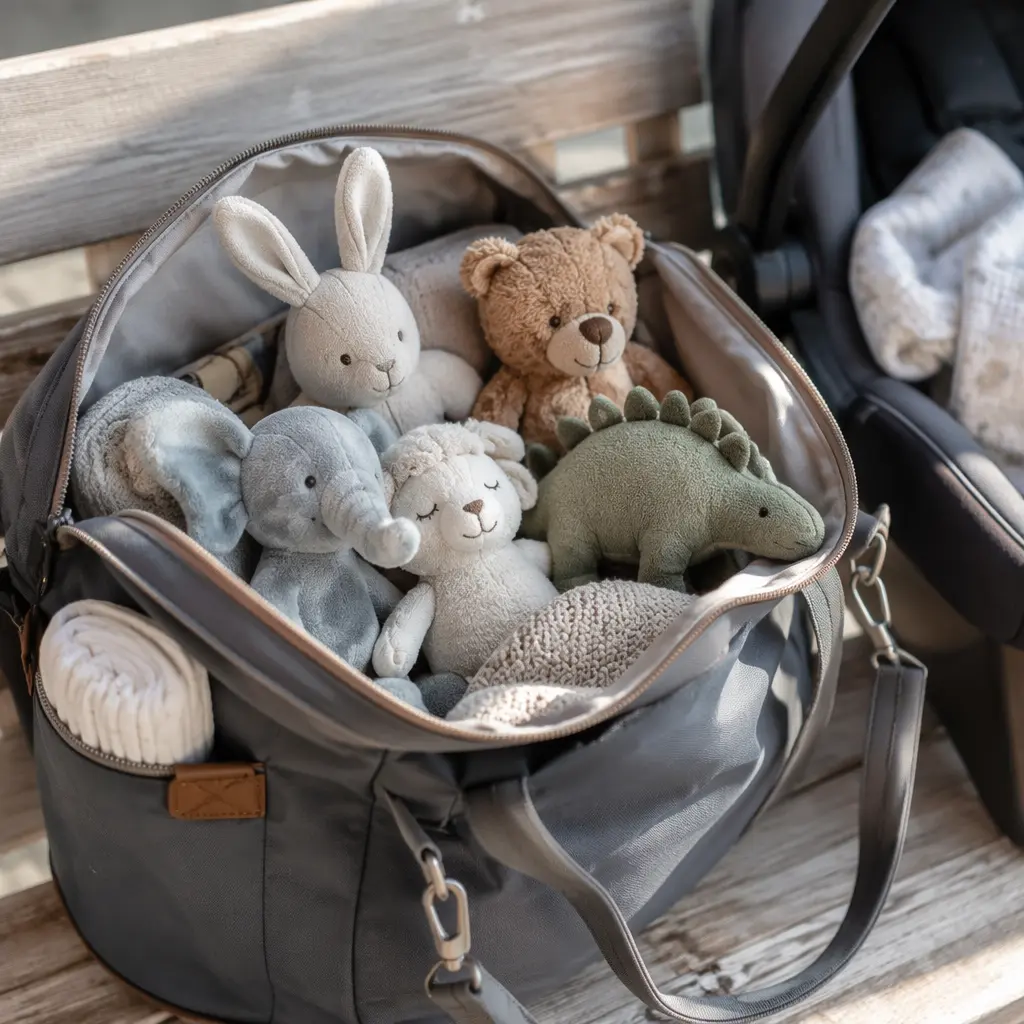
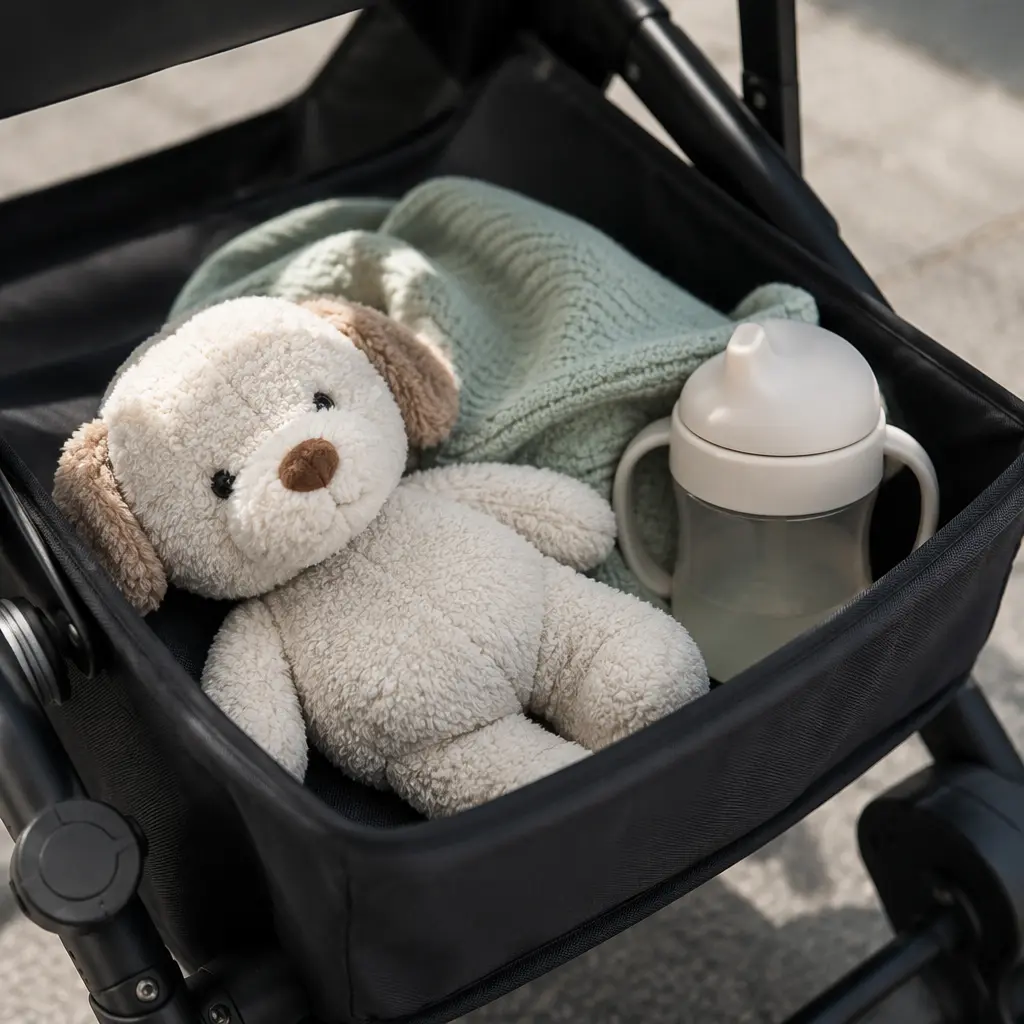
- Choose lightweight plush toys that fit easily into a diaper bag or stroller pocket.
- Look for machine-washable fabrics and quick-drying materials.
- Check for embroidered features instead of hard plastic eyes or decorations.
- Soft textures with minimal accessories are easier to clean and maintain.
- Compact comfort toys are less likely to be left behind during outings.
- Reinforced stitching helps plush toys survive repeated washing and rough handling.
- Avoid oversized plush toys that become difficult to transport during travel.
Age suitability
For toddlers between 1 and 2 years old, plush toys are usually most successful when they are easy to grab with one hand and soft enough for cuddling during naps or quiet moments. Many children in this age range form attachments to comfort objects, especially during routine changes like daycare transitions or long car rides. Small lovey-style plush toys, soft stuffed animals with flexible bodies, and simple fabric comfort companions are often easier for younger toddlers to manage than larger stuffed toys. Parents may also prefer toys that can be packed as backups in case one gets lost or needs washing. Texture can matter as much as appearance at this age, so soft fabric finishes and lightweight stuffing are often more appealing than heavily detailed plush designs.
Standout categories or types
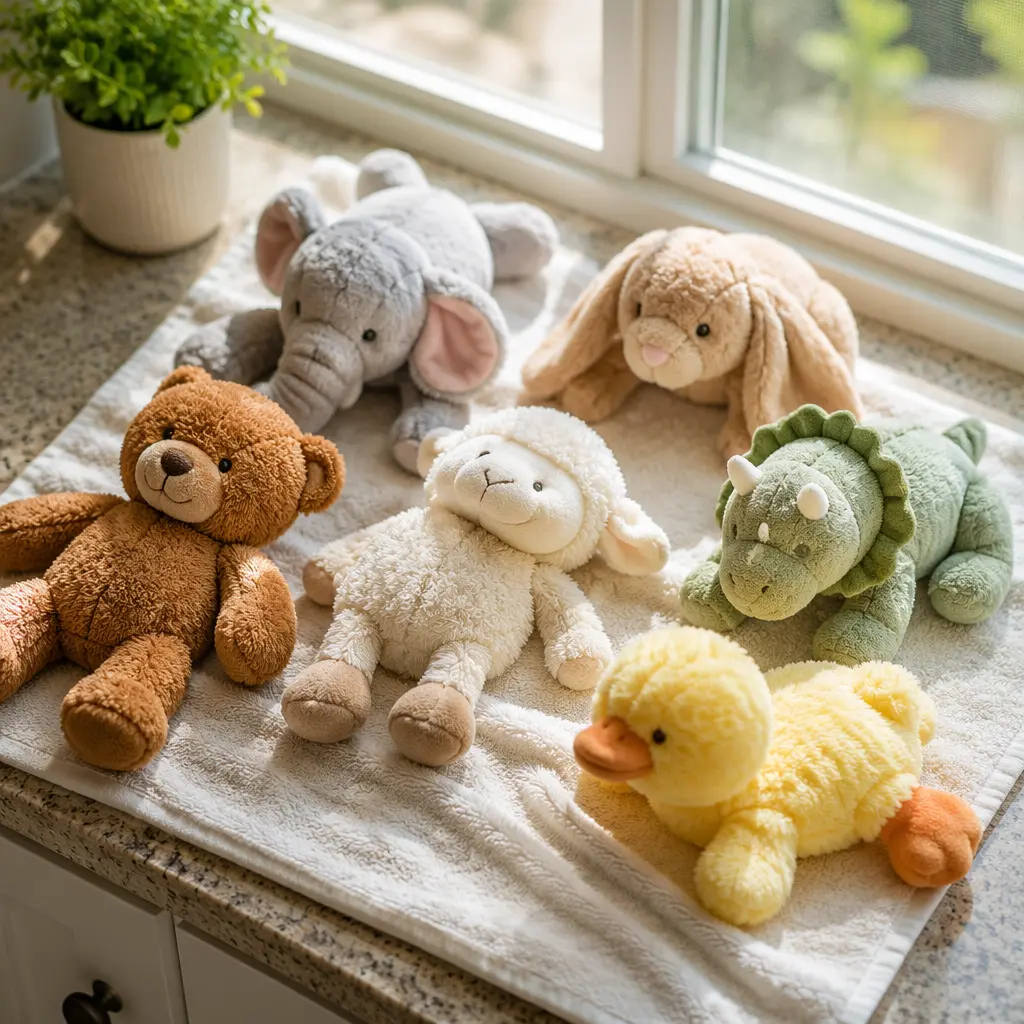
Small stuffed animals remain one of the most versatile choices for toddlers because they are easy to recognize, simple to pack, and widely accepted in daycare settings. Compact bears, rabbits, dogs, or other animal designs with soft floppy limbs tend to fit well into car seats, strollers, and toddler backpacks without taking up too much space. Plush toys with overly rigid bodies or large decorative features can become awkward during travel.
Lovey-style comfort toys combine a small plush figure with a lightweight blanket or soft fabric panel. These are popular for toddlers who like holding fabric while resting in the car or settling down for naps. Another practical category includes ultra-light minimalist plush toys designed with less stuffing and fewer accessories. These dry faster after washing and are often easier for toddlers to carry independently. Some families also prefer duplicate plush toys kept in rotation, which can reduce stress if one toy is misplaced during travel or daycare pickup.
- Compact stuffed animals for everyday portability
- Lovey blankets with attached plush characters
- Minimalist plush toys with lightweight filling
- Soft sensory plush toys with varied textures
- Small travel comfort companions that clip onto bags or strollers
Frequently asked questions
How many travel plush toys does a toddler really need?
Many families find that one main comfort toy plus one backup is enough. Having a duplicate can help during washing days or if a toy is forgotten at daycare or during travel.
What size plush toy is best for travel?
Smaller plush toys are usually easier to manage in cars, strollers, and diaper bags. Toys roughly the size of a toddler's forearm are often large enough for comfort without becoming bulky.
Are weighted plush toys appropriate for toddlers?
Weighted plush toys may not be suitable for younger toddlers, especially during sleep or unsupervised use. Families should follow manufacturer guidance and pediatric safety recommendations for age and use.
What fabrics hold up best after repeated washing?
Short-pile plush fabrics, soft cotton blends, and simpler synthetic fleece materials often handle repeated washing better than long faux fur textures. Reinforced seams also help maintain shape over time.
Can plush toys help with daycare transitions?
For some toddlers, a familiar comfort object can make transitions feel more predictable and calming. Many daycare programs allow small plush comfort items during rest time or quiet periods, although policies vary.
A good travel plush toy does not need complicated features to become useful in daily routines. Lightweight construction, washable materials, and toddler-friendly sizing often matter more than novelty details. Choosing a simple soft toy that fits easily into everyday routines can make car rides, daycare transitions, and naps away from home more manageable for both toddlers and caregivers.