Best Beginner Magic Kits With Reusable Tricks
A parent-focused guide to beginner magic kits for ages 9–12, with a focus on reusable props, independent practice, manageable mess, storage and tricks kids can genuinely learn and repeat.
Compare prices and availability
Check current prices and availability for this guide on eBay.
As an eBay Partner, we may be compensated if you make a purchase.
A good beginner magic kit for ages 9–12 should help kids build real skills rather than burn through disposable gimmicks in one afternoon. The strongest kits focus on repeatable tricks, simple sleight-of-hand practice and props that hold up over time. At this age, many children can follow multi-step instructions independently, practise quietly on their own and enjoy performing for friends or family. The challenge for parents is choosing a kit that stays engaging without creating clutter, frustration or constant requests for replacement parts. Reusable props, clear instructions and manageable trick difficulty usually matter more than the total number of tricks printed on the box.
What to look for
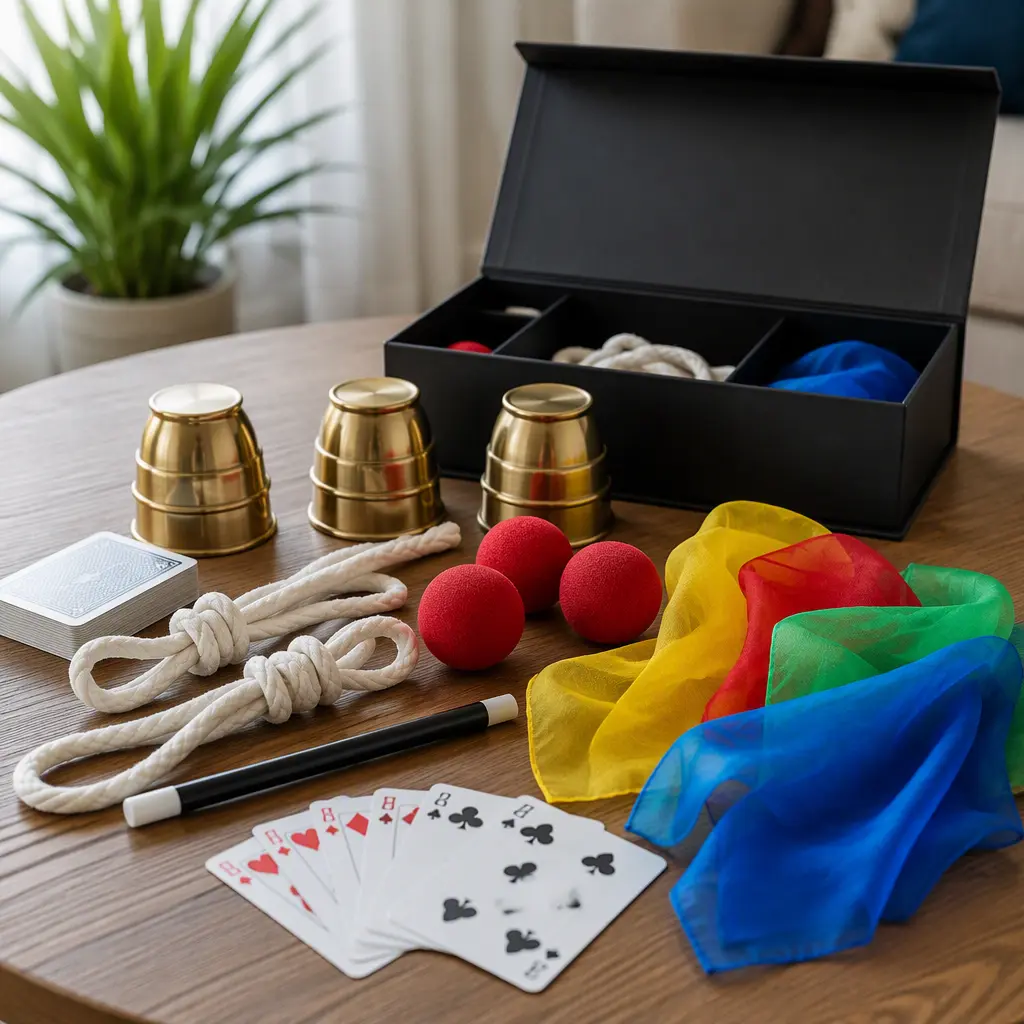
The best beginner kits balance quick wins with room to improve. Children in the 9–12 range often lose interest in tricks that only work once or depend entirely on hidden gimmicks. Kits built around classic techniques such as card handling, rope tricks, coin vanishes and simple misdirection usually provide longer-lasting value because kids can improve performance over time. Storage also matters more than many parents expect. Small loose pieces disappear easily, especially in shared bedrooms or playrooms, so sturdy compartments or reusable cases are helpful. Instruction quality is another major difference between kits. Visual step-by-step guides are generally easier for independent learners than text-heavy manuals.
- Choose reusable props over single-use paper tricks or consumable materials.
- Look for tricks that can be reset quickly for repeat performances.
- Simple card, coin and rope routines usually age better than novelty gimmicks.
- Compact storage helps prevent lost pieces and keeps clean-up manageable.
- Quiet tricks are often better suited to apartments or shared living spaces.
- Video tutorials can help motivated learners, but offline instructions remain useful for screen-free play.
- Avoid kits aimed at much younger children, since older kids may outgrow overly simple tricks quickly.
Age suitability
Most children aged 9–12 are ready for beginner magic sets that involve memorisation, dexterity and repeated practice. Younger children may struggle with sequencing or patience, while older tweens sometimes prefer building routines from separate props instead of relying on all-in-one kits. This age group often enjoys practising privately before performing publicly, so independent usability matters. Kits with a mix of easy confidence-building tricks and a few stretch challenges tend to hold attention longer. Families should also consider hand size and coordination. Tiny props can frustrate some children, while oversized plastic gimmicks may feel childish to others in this age range.
Options compared
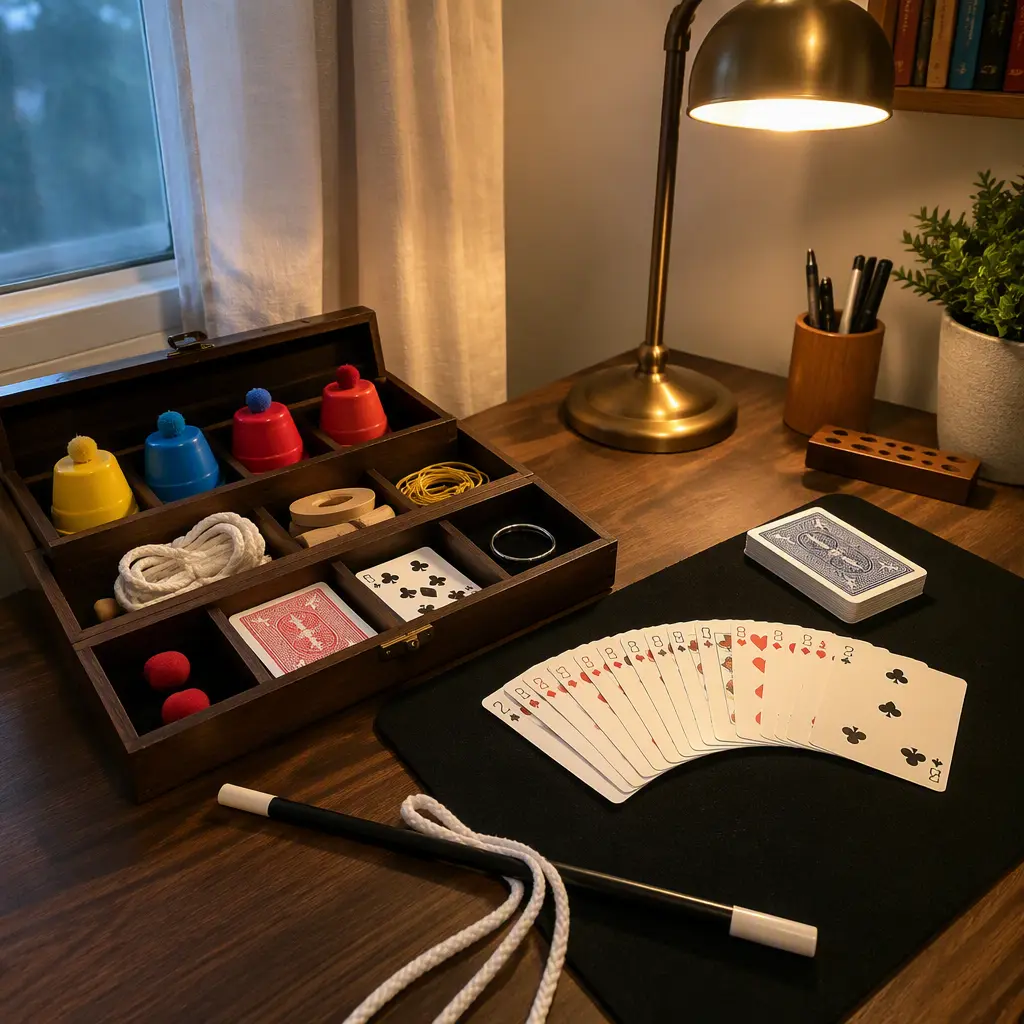
Classic all-in-one magic kits are usually the easiest starting point for beginners. They provide variety and structure, which helps children discover which styles of tricks they enjoy most. The trade-off is that some large kits prioritise quantity over depth, including novelty props that are used once and forgotten. Parents looking for longer-term value may prefer smaller curated kits with fewer but more versatile routines.
Card-focused sets suit children who enjoy practising technique and performing repeatedly for different audiences. They are compact, affordable and easy to store, but they require patience because success depends on handling skill rather than hidden mechanisms. Coin and close-up magic kits appeal to detail-oriented kids who enjoy problem-solving and quiet solo practice. These tend to work well in smaller homes because they create little noise or mess. Prop-heavy stage-style kits can feel exciting initially, especially for children who like dramatic performances, but they often require more storage space and supervision. Rope and scarf magic generally sits in the middle: reusable, durable and easier for many beginners to master confidently.
- All-in-one kits: good for variety seekers and first-time learners; can include weaker filler tricks.
- Card magic sets: compact and replayable; best for patient kids willing to practise regularly.
- Coin and close-up magic: quiet, portable and skill-focused; may frustrate children with lower dexterity.
- Rope and scarf tricks: durable and easier to perform confidently; less portable than card-based kits.
- Stage-style prop kits: visually exciting for performers; often bulkier and less reusable over time.
Frequently asked questions
Do magic kits still work well without apps or screens?
Yes. Many children in this age group benefit from practising away from screens because magic relies heavily on repetition, confidence and physical coordination. Printed instructions, illustrated guides and offline practice can support longer attention spans. Optional video tutorials may still help visual learners, but they are not essential for most beginner tricks.
How many tricks should a beginner kit include?
A smaller number of well-explained reusable tricks is usually more useful than a very large set filled with disposable gimmicks. Many children only return regularly to a handful of favourite routines, especially those they can perform smoothly and reset quickly.
Are reusable magic props durable enough for regular practice?
Durability varies by material. Cloth scarves, ropes, cups and standard playing cards generally last longer than thin plastic novelty items or folded paper tricks. Storage also affects lifespan. Keeping props organised in compartments or containers helps reduce lost or damaged pieces.
What type of child usually enjoys magic kits most?
Magic kits often suit children who enjoy independent hobbies, puzzles, performing, storytelling or collecting skills over time. They can also appeal to quieter children because practice is usually self-directed and low-pressure. Kids looking for fast-paced action toys may lose interest if the kit requires steady repetition and patience.
Are magic kits messy or noisy?
Most beginner magic kits are relatively low-mess compared with arts and crafts sets. Noise levels are also usually low unless the kit includes electronic accessories or dramatic stage props. The main practical issue for families is keeping track of small components rather than dealing with clean-up.
For most families shopping for a beginner magic kit, reusable props and realistic learning curves matter more than oversized trick counts. Children aged 9–12 are often ready for hobby-style play that rewards practice and creativity, especially when the kit supports independent learning without requiring constant replacement parts. Compact, replayable tricks tend to deliver the best long-term value while keeping storage, mess and supervision manageable.