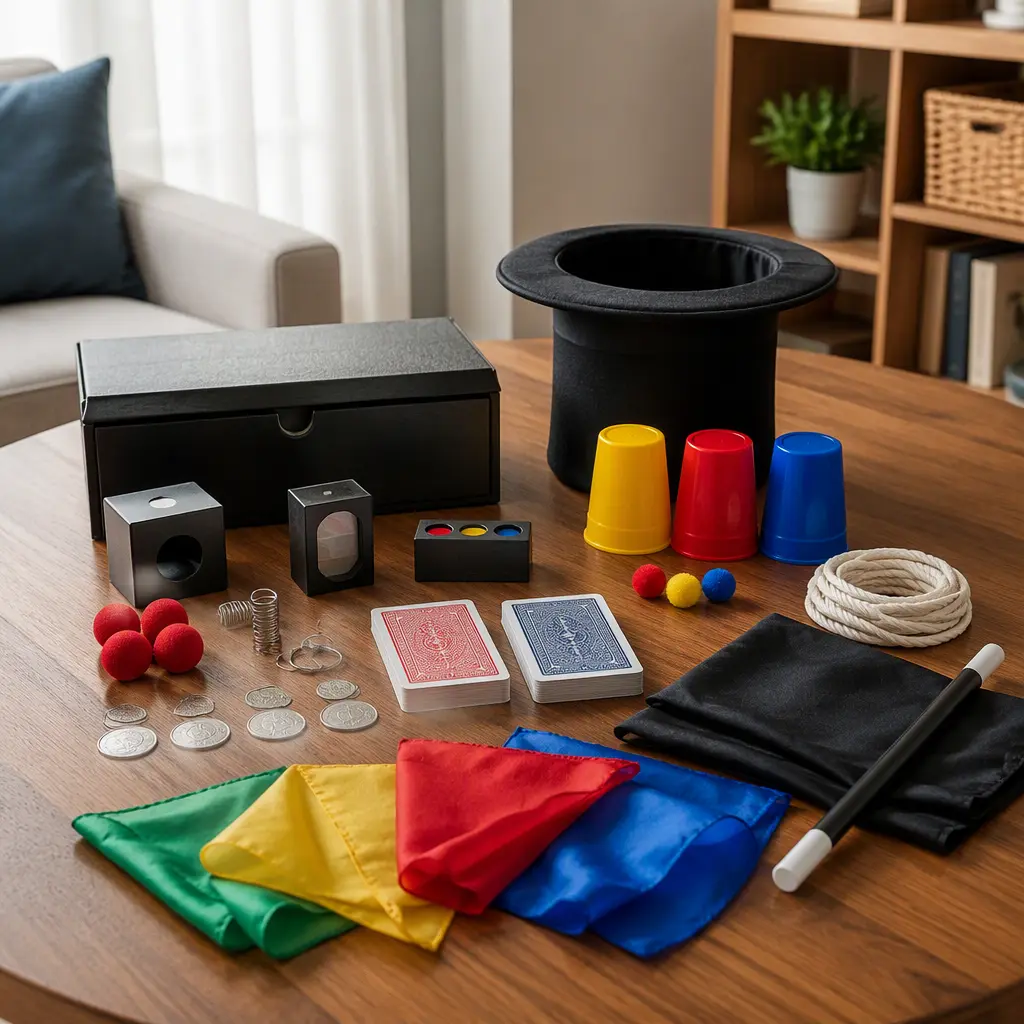
9–12 years
A parent-focused guide to beginner magic kits for ages 9–12, with a focus on reusable props, independent practice, manageable mess, storage and tricks kids can genuinely learn and repeat.
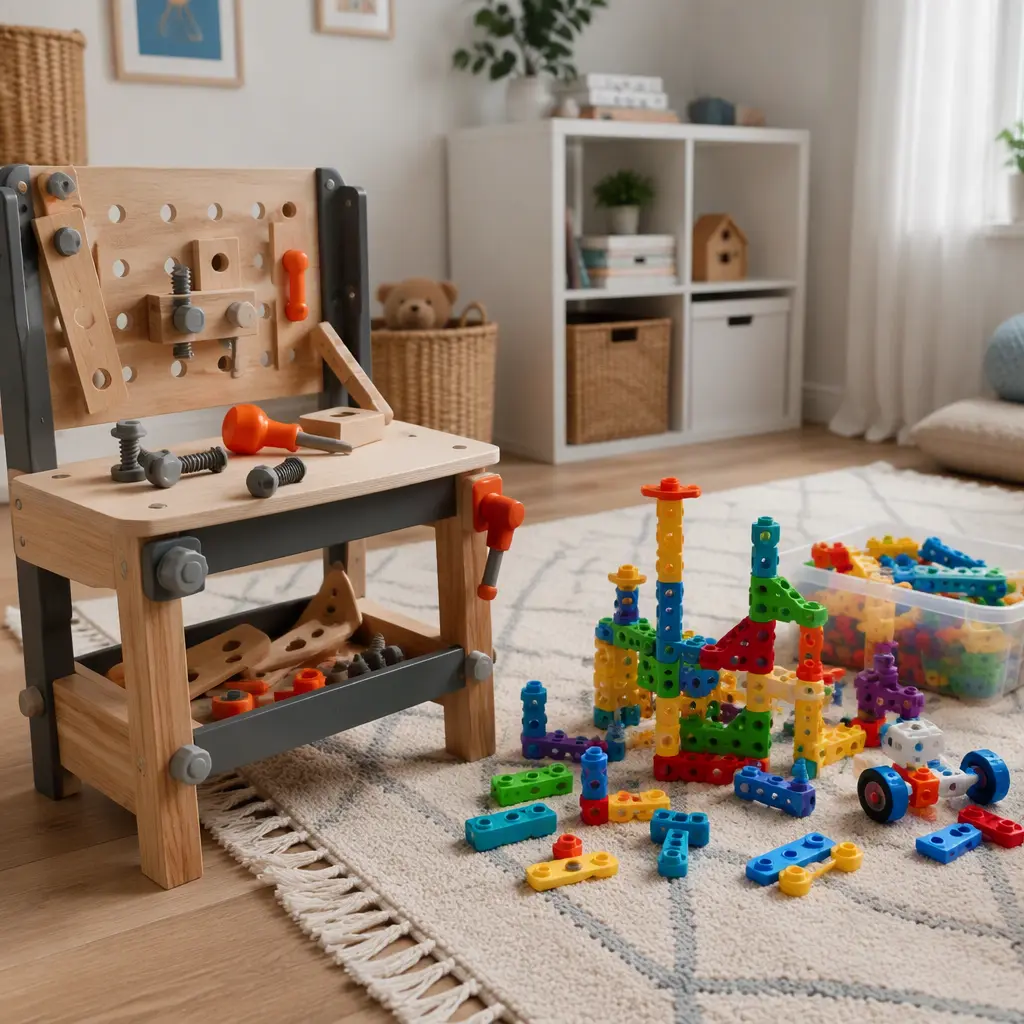
6–8 years
Compare toy tool sets with real screws and bolts against snap-together kits for ages 6–8. Learn the trade-offs around dexterity, safety, mess, storage, noise and long-term play value.
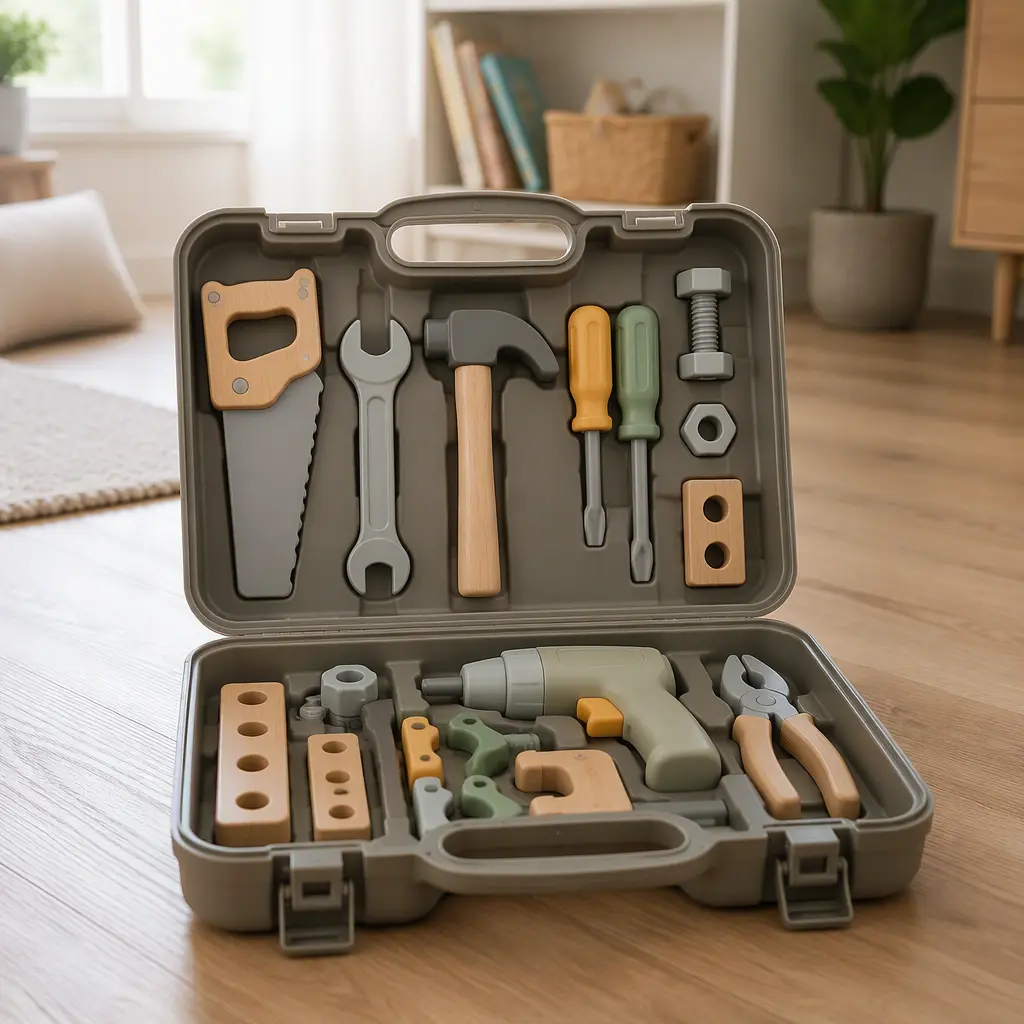
3–5 years
A parent-focused guide to toy tool sets with built-in storage for ages 3–5, covering durability, cleanup, noise, supervision, and which styles suit different play habits.
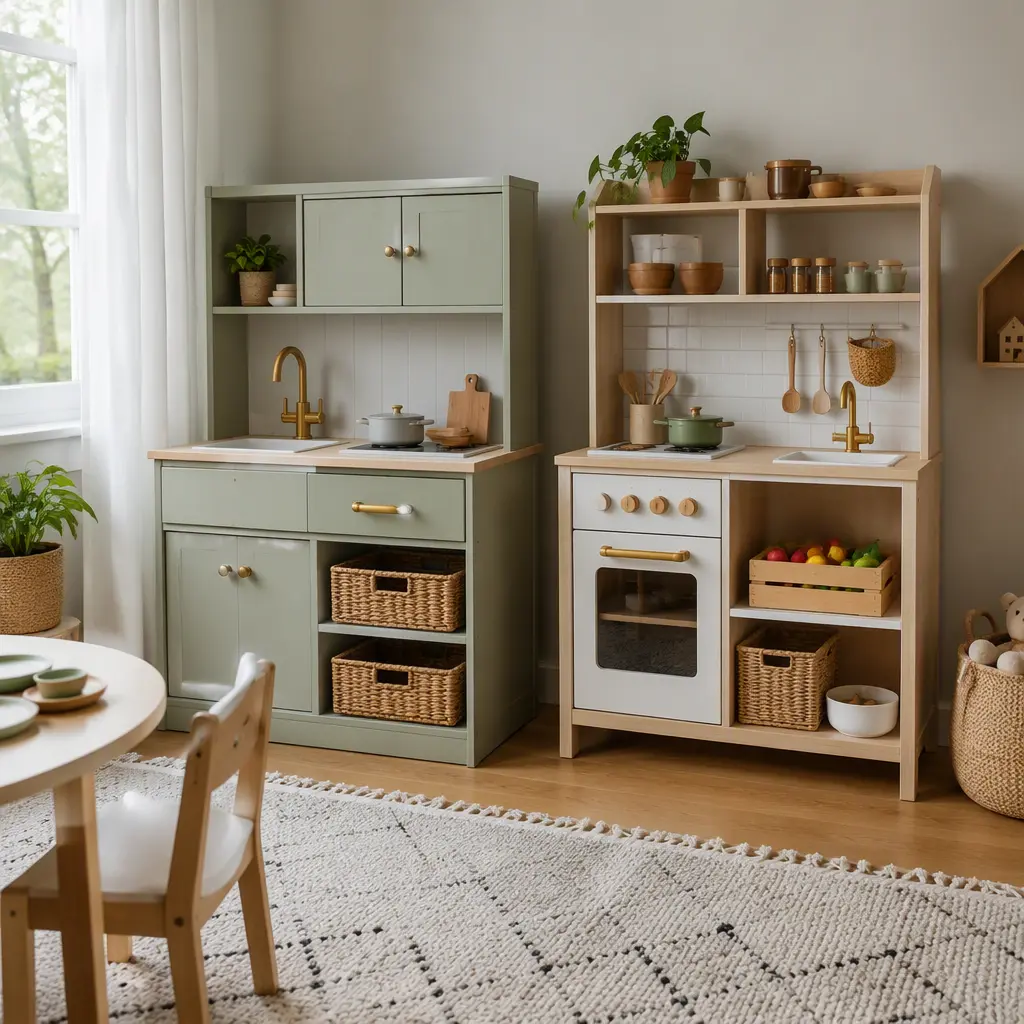
3–5 years
Compare toy kitchens with built-in storage and open shelving designs for children aged 3–5. Learn how each style affects clutter, independent play, cleanup, and room organization.

3–5 years
Choosing a quiet travel toy for preschoolers can be tricky. This guide compares magnetic dress-up sets and sticker scenes for flights, focusing on mess, tray-table use, replay value and age suitability.
3–5 years
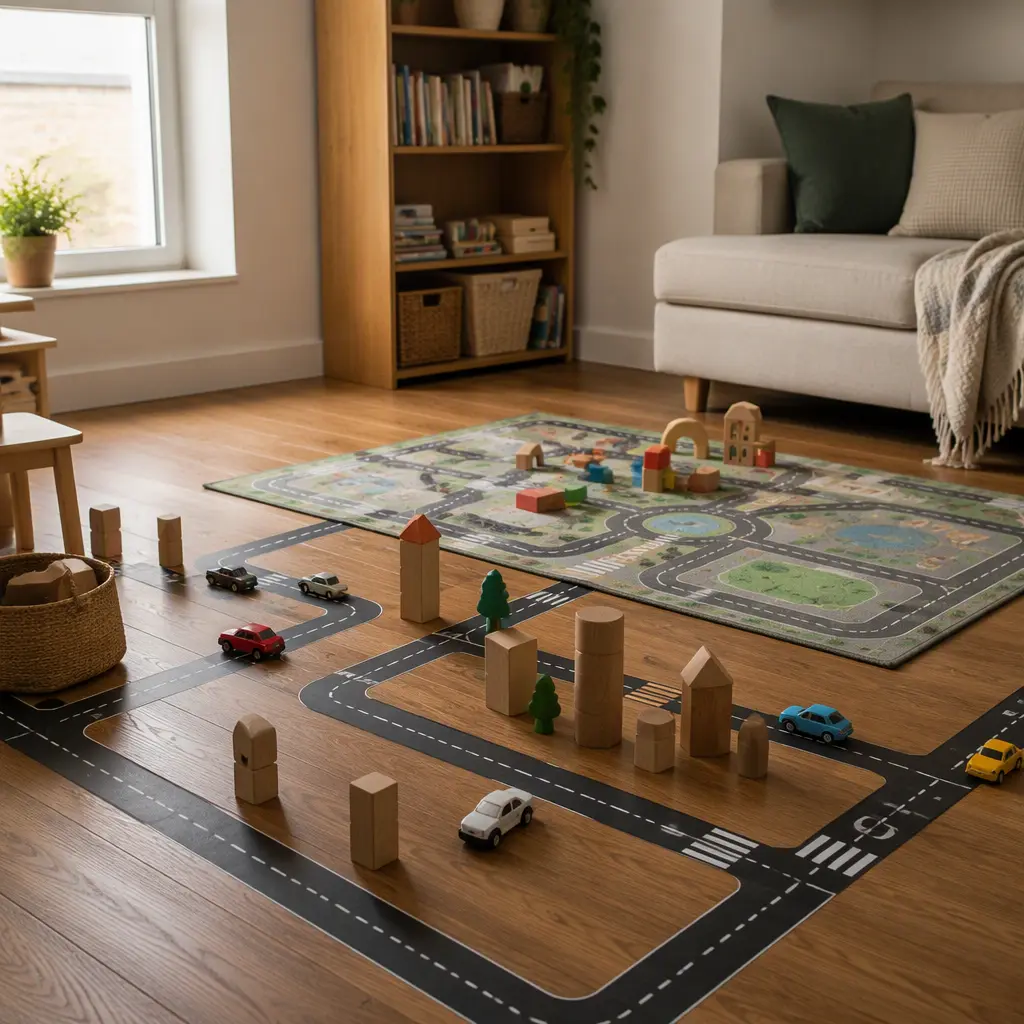
Choosing between removable road tape and play mats for preschool city play? This guide compares cleanup, storage, floor protection, replay value and daily practicality in small homes.
1–2 years
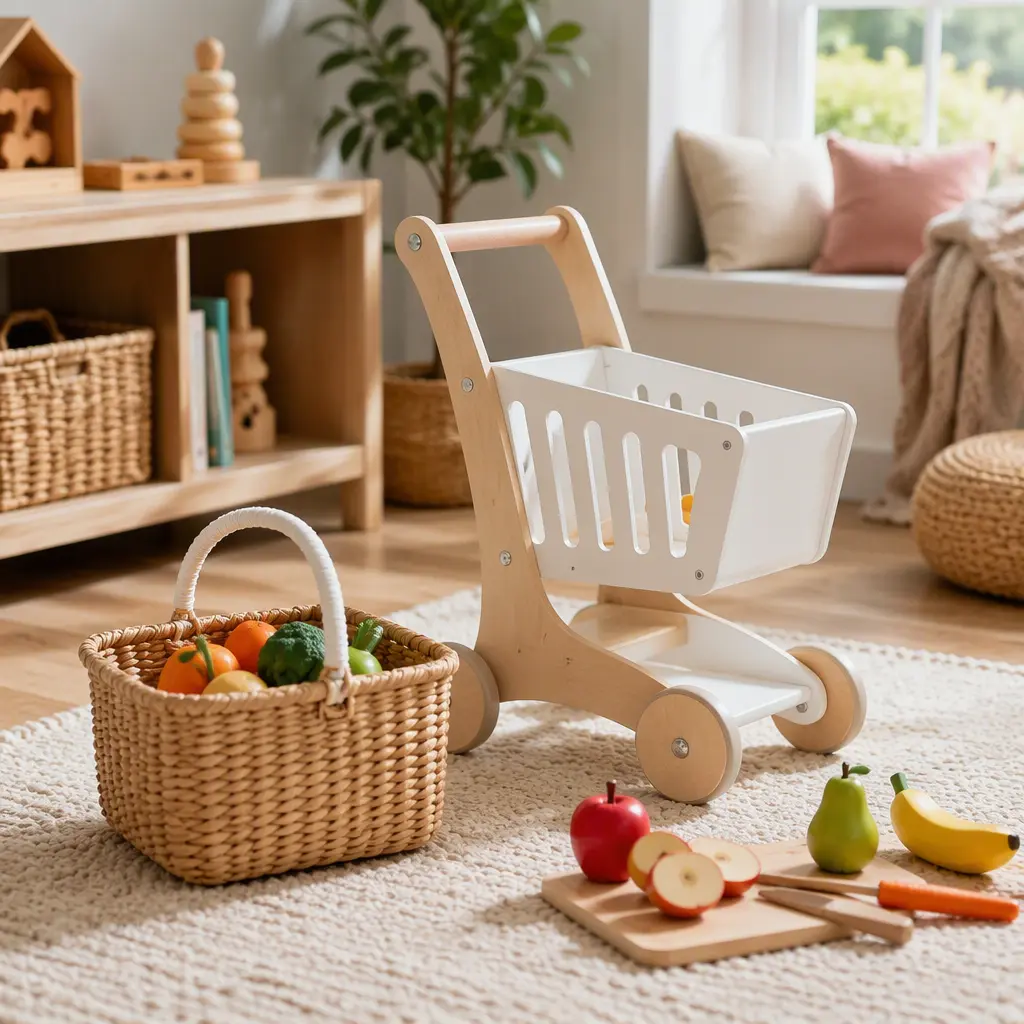
Comparing toy grocery carts and baskets for toddlers aged 1–2 years, including storage, tipping risk, noise, supervision, and which style suits independent pretend play best.
3–5 years
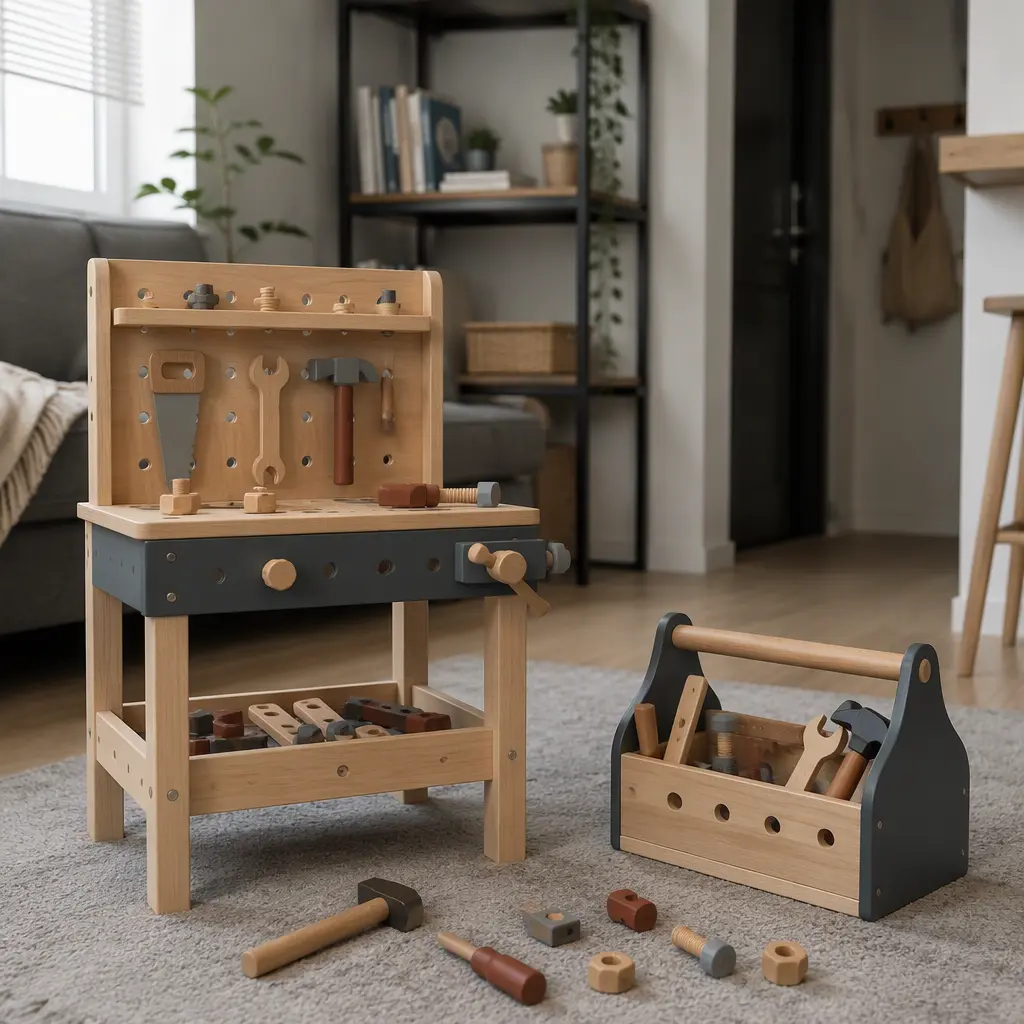
Choosing between a toy workbench and a portable tool caddy? This guide compares space needs, cleanup, noise, storage and replay value for preschoolers in smaller homes.

1–2 years
Comparing toy cleaning sets and play kitchens for 1–2 year olds, with practical advice on space, attention span, storage, noise, supervision and long-term pretend play value.
3–5 years
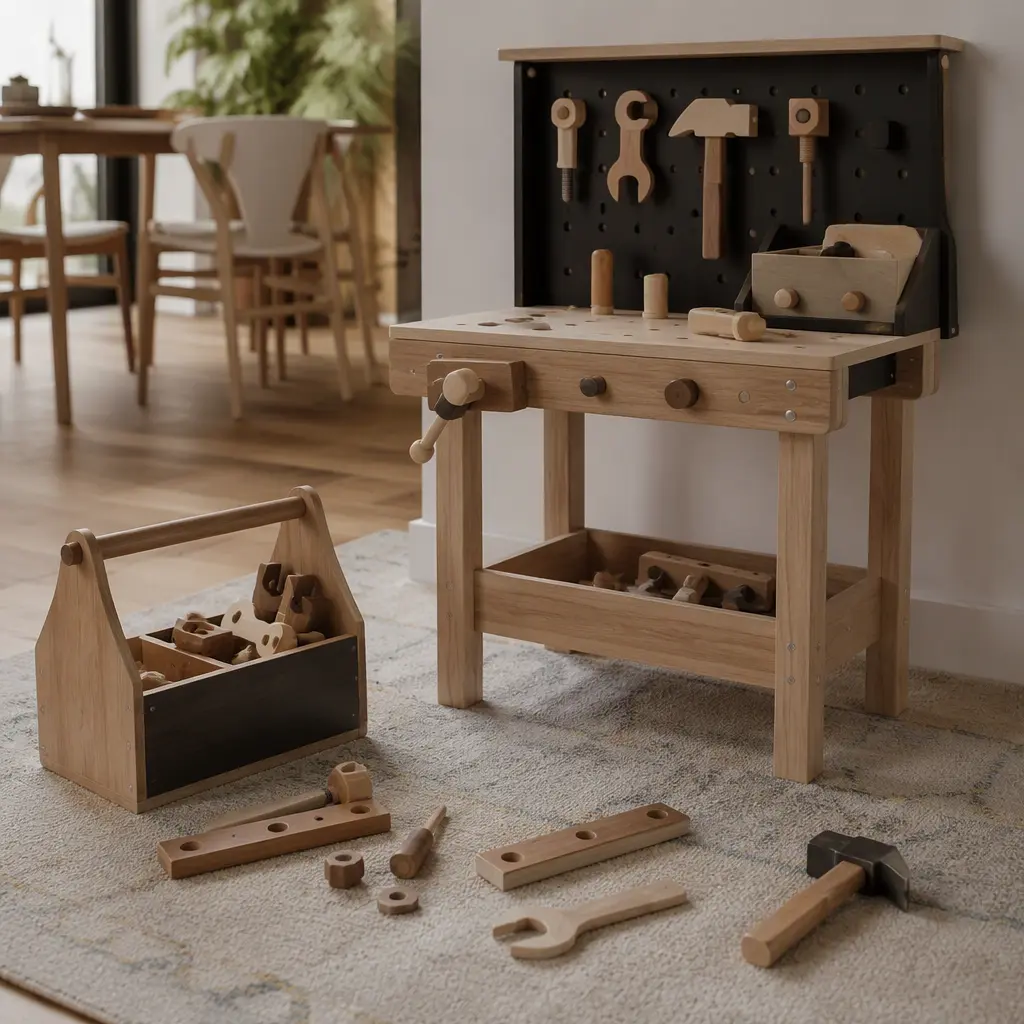
Compare toy toolboxes and kids’ workbenches for ages 3–5, with practical guidance on storage space, replay value, cleanup, supervision and apartment-friendly play.
3–5 years
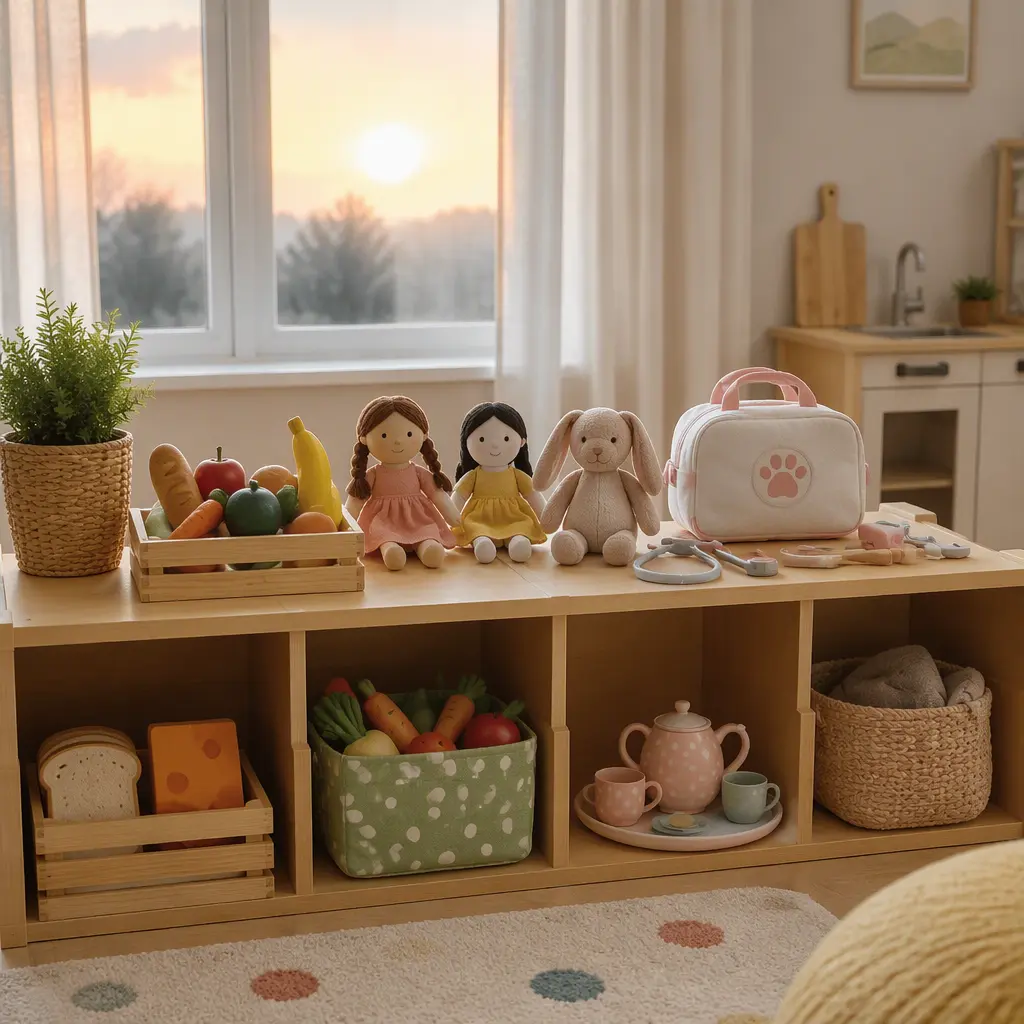
A parent-focused guide to quiet pretend play toys for children aged 3–5, covering low-noise role-play options, storage, durability, supervision and which toy styles work best for calm early mornings.
3–5 years
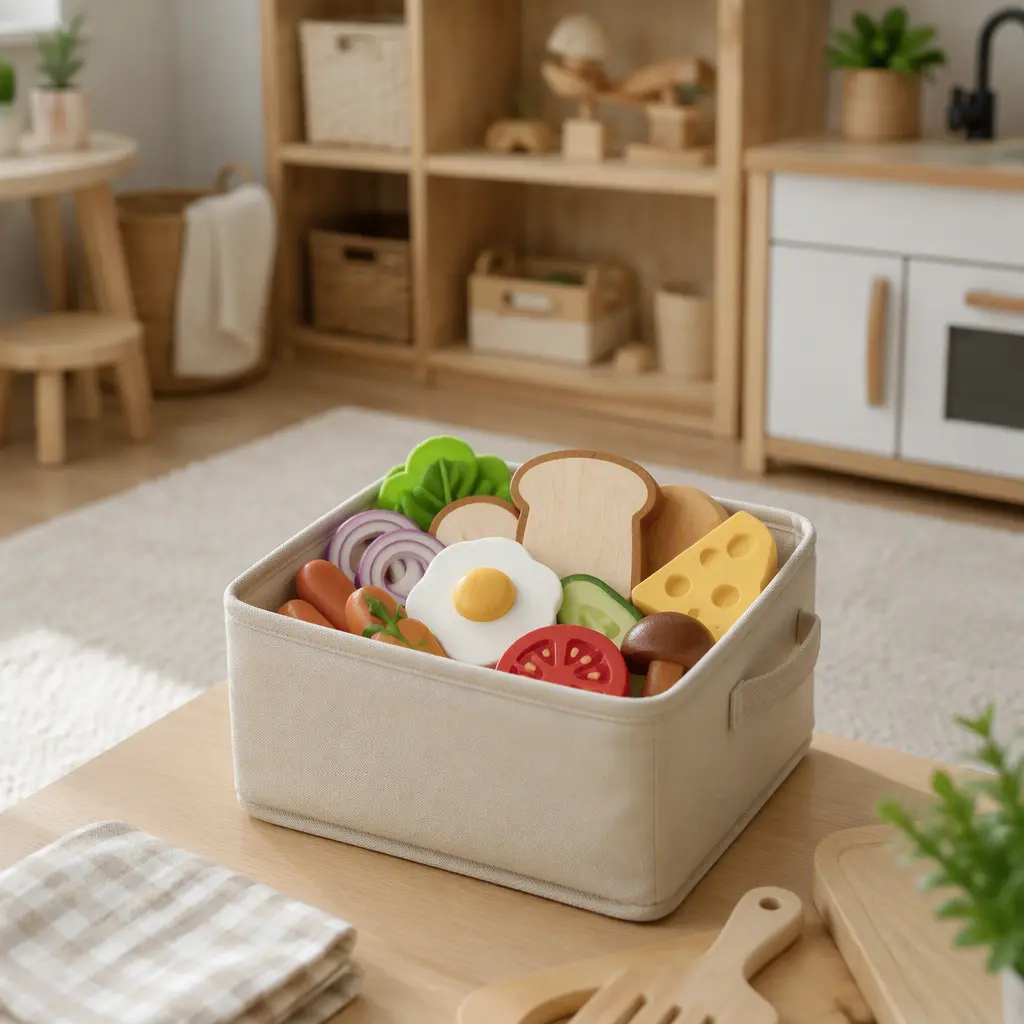
A parent-focused guide to pretend food sets for ages 3–5 that stay organized, limit clutter, avoid tiny pieces and hold up to everyday preschool play.
3–5 years
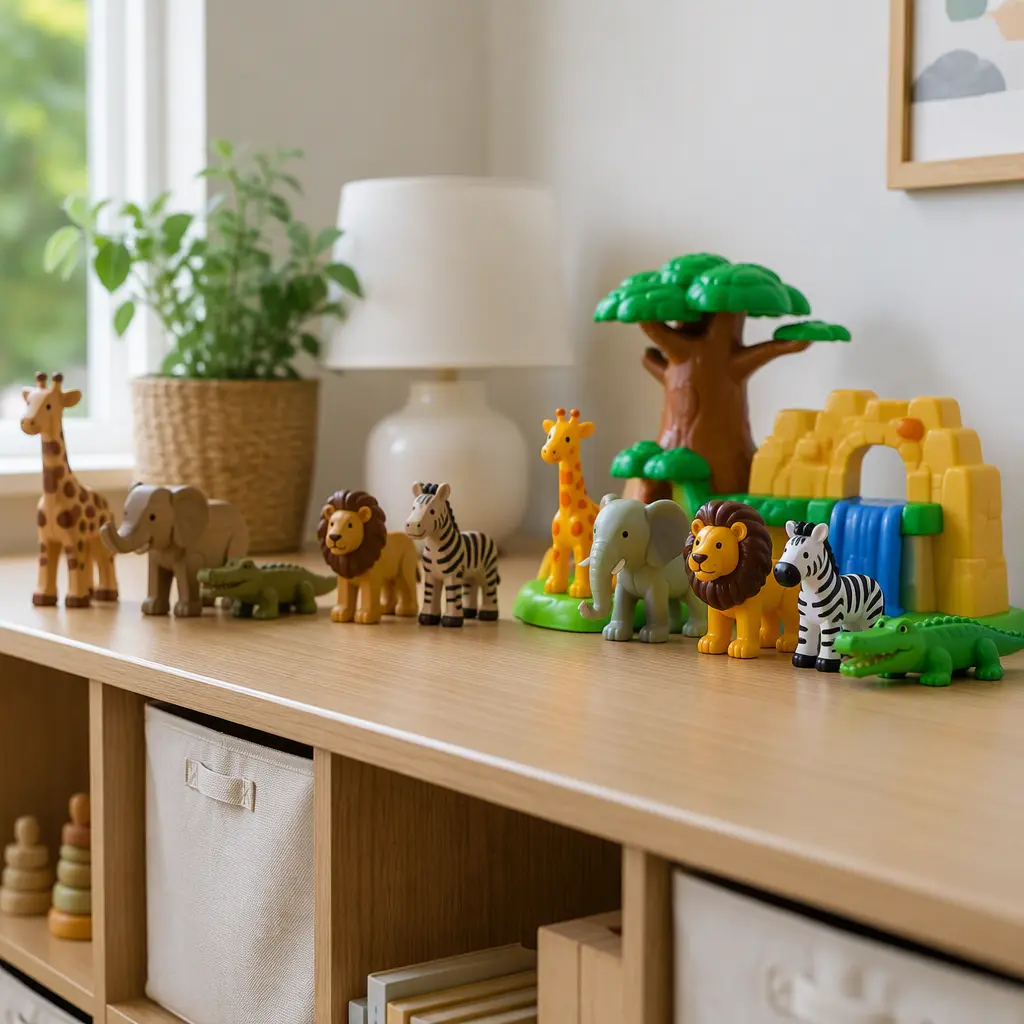
Comparing wooden animal figures and plastic play sets for ages 3–5, including durability, cleanup, realism, storage, sibling sharing, and everyday pretend-play trade-offs.
3–5 years
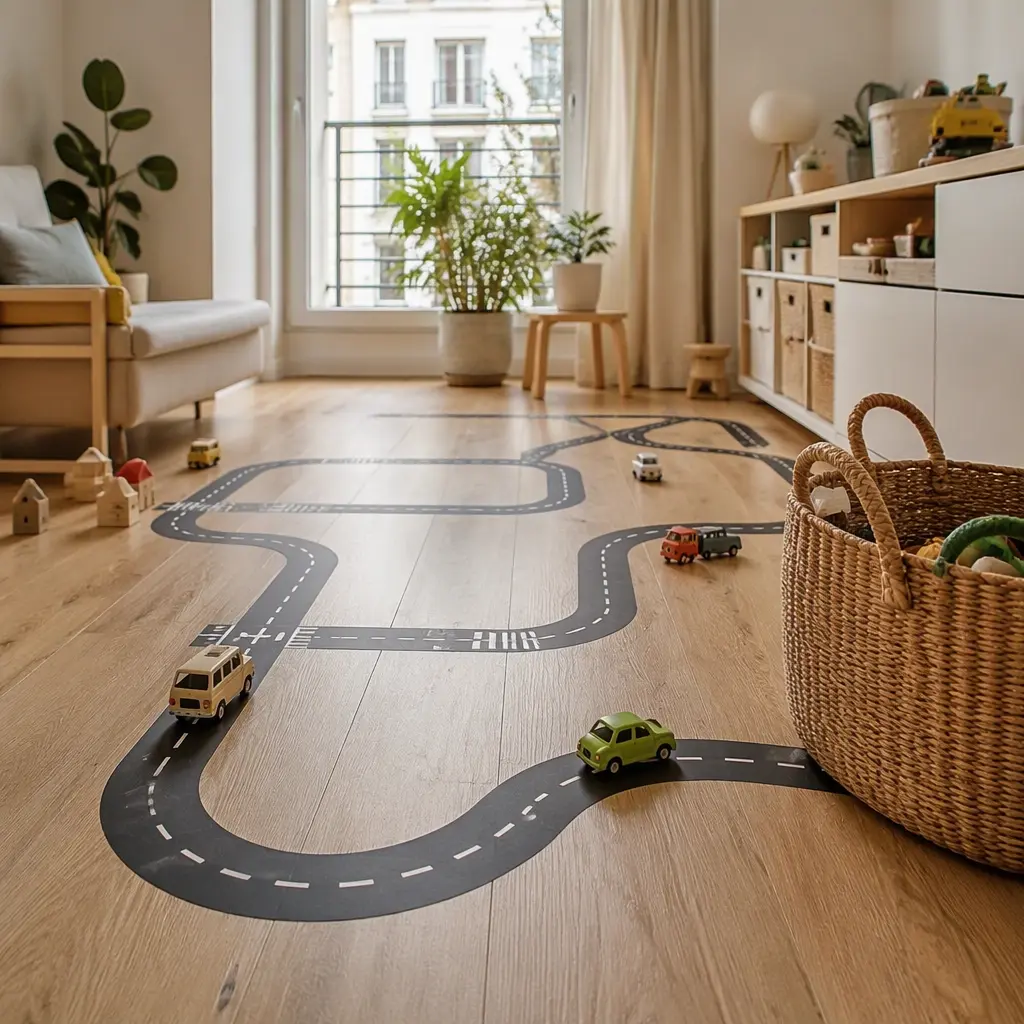
A parent-focused guide to removable road tape for toddlers and preschoolers, covering residue, floor safety, storage, replay value and which styles suit small shared spaces.
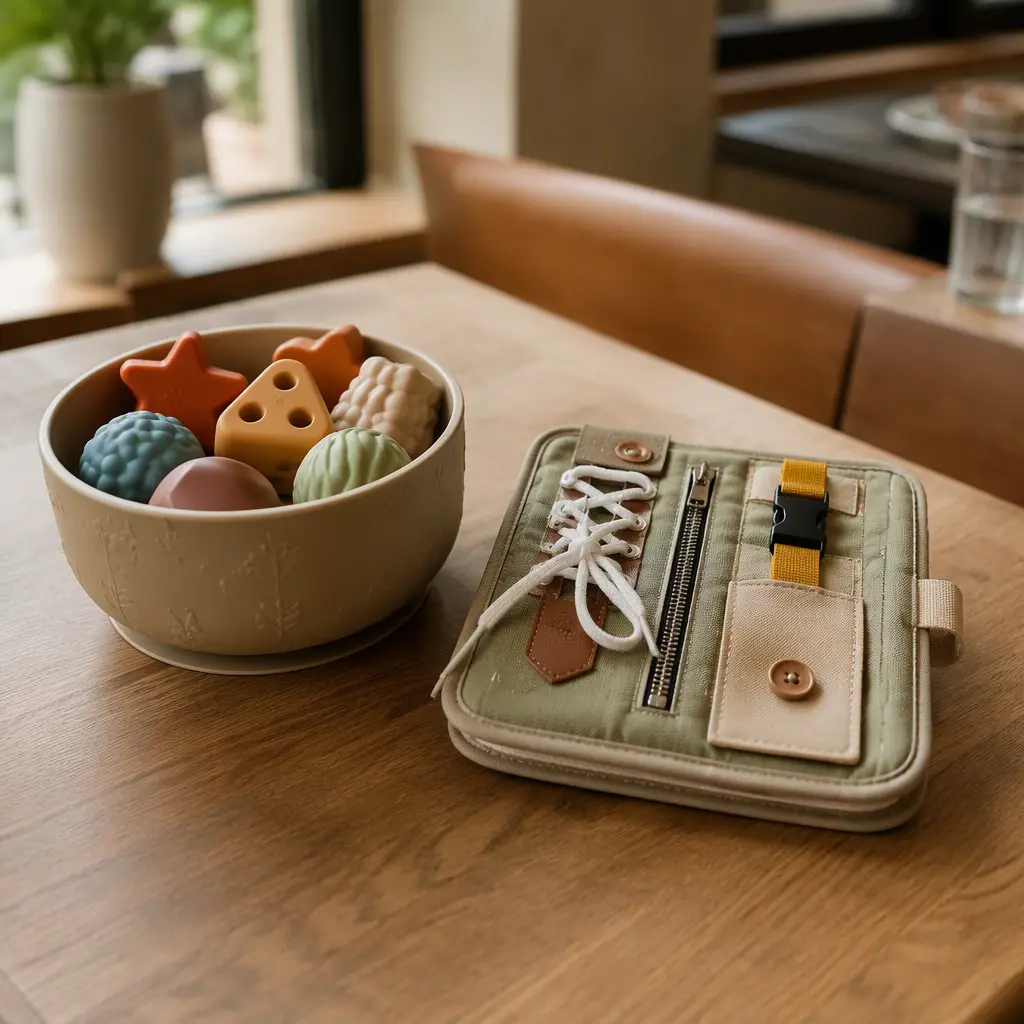
1–2 years
Compare toy bowls and busy boards for keeping 1–2 year olds occupied at restaurants. Learn which option is quieter, easier to clean, harder to drop and better for short outings.
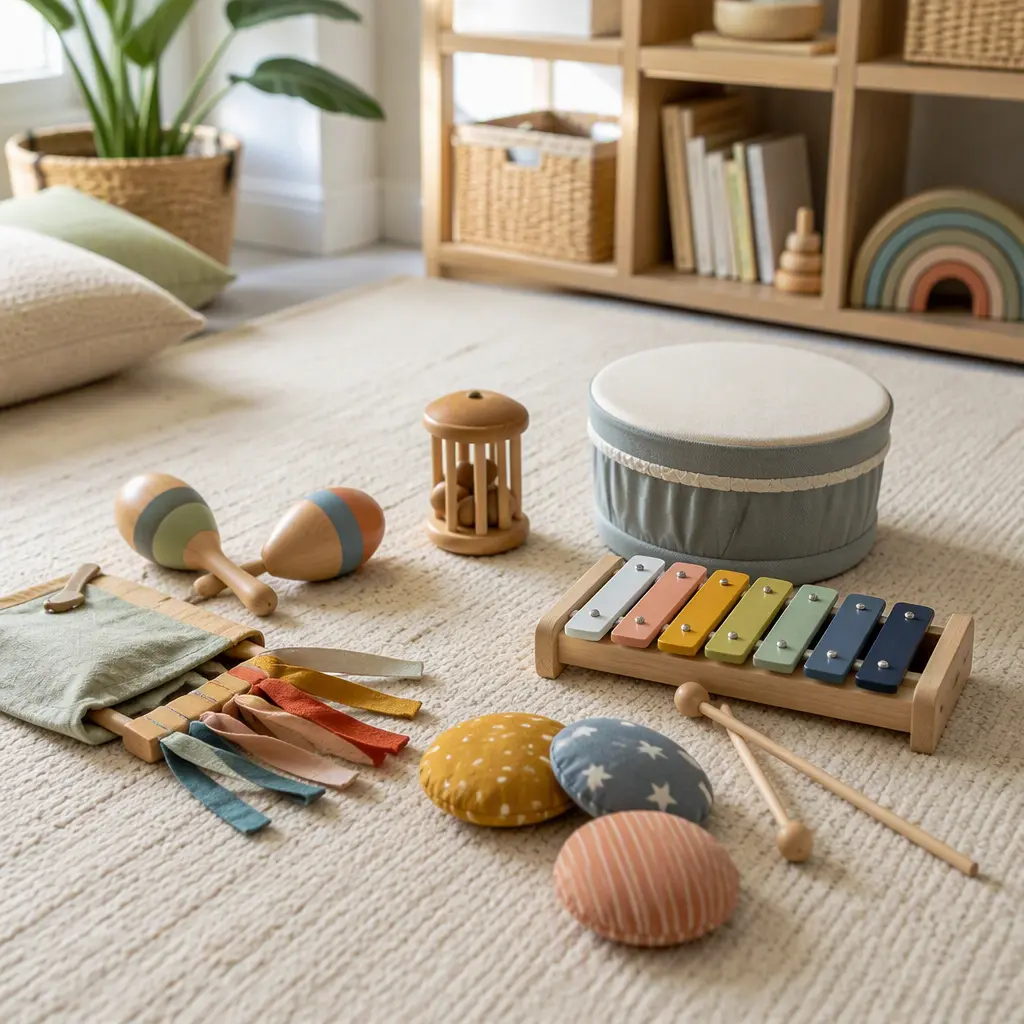
1–2 years
A parent-focused guide to quieter battery-free music toys for ages 1–2, covering volume, durability, storage, supervision and which toy styles work best in noise-sensitive homes.
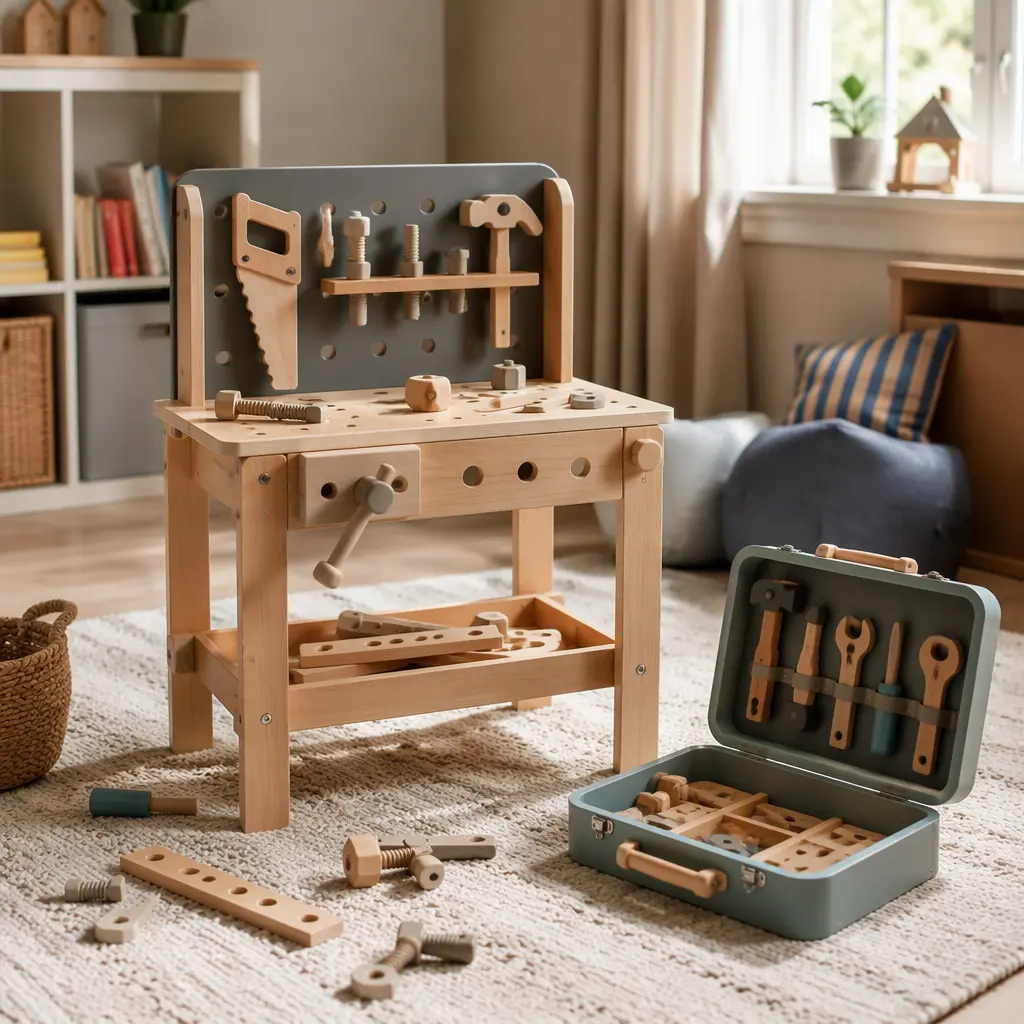
6–8 years
Compare toy tool sets and craft benches for children aged 6–8, including supervision, storage, noise, durability and long-term replay value for different play styles.
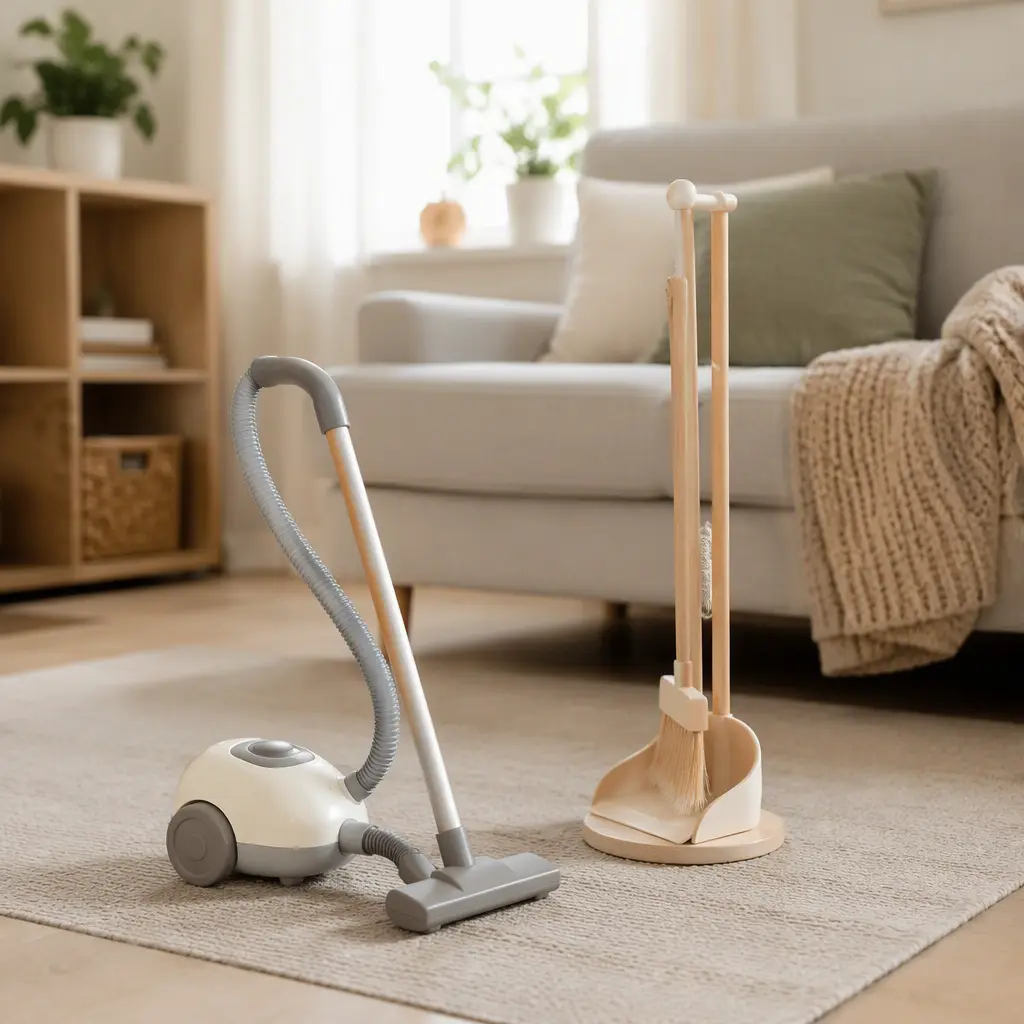
1–2 years
Choosing between a toy vacuum and a toddler broom set? This guide compares noise, durability, storage, supervision and realistic pretend-play value for children ages 1–2.
3–5 years
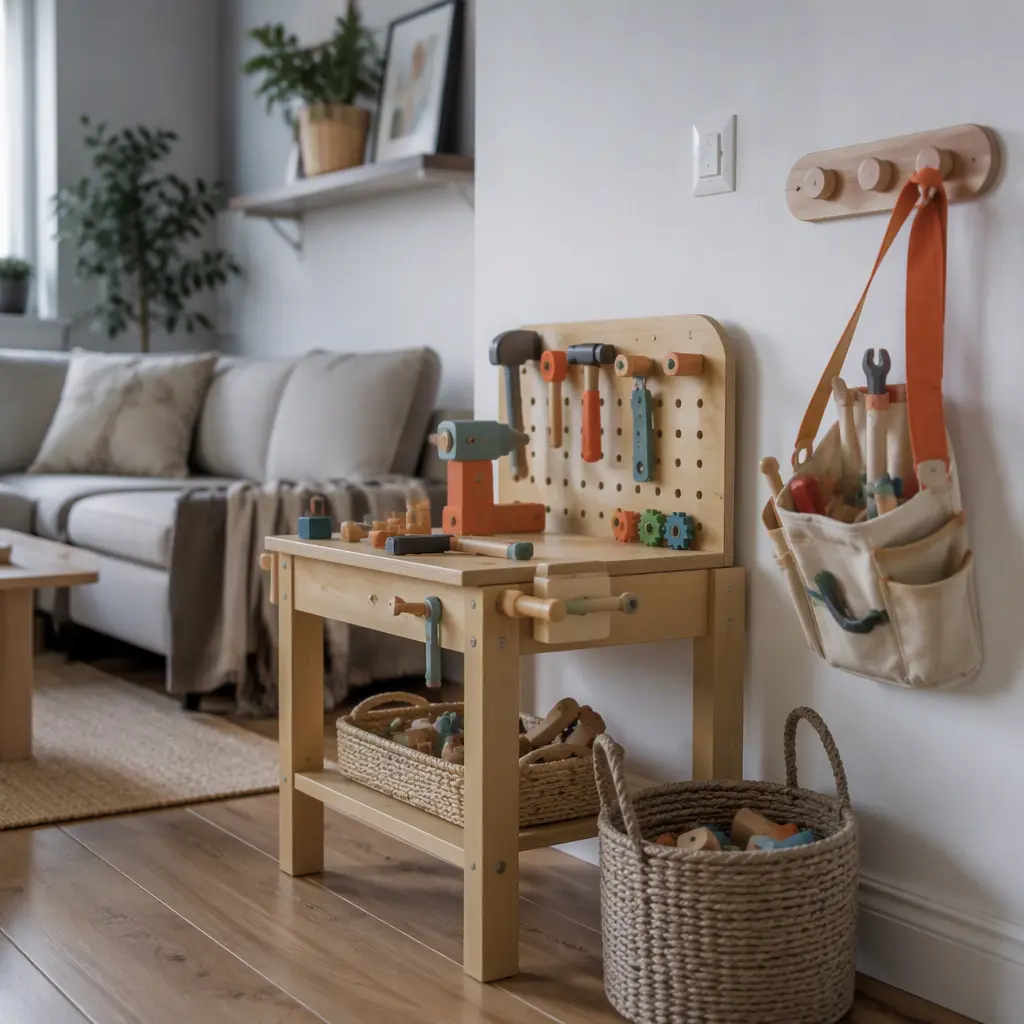
Choosing between a toy tool belt and a pretend-play workbench? This guide compares space needs, storage, noise, supervision and age suitability for children aged 3–5.
3–5 years
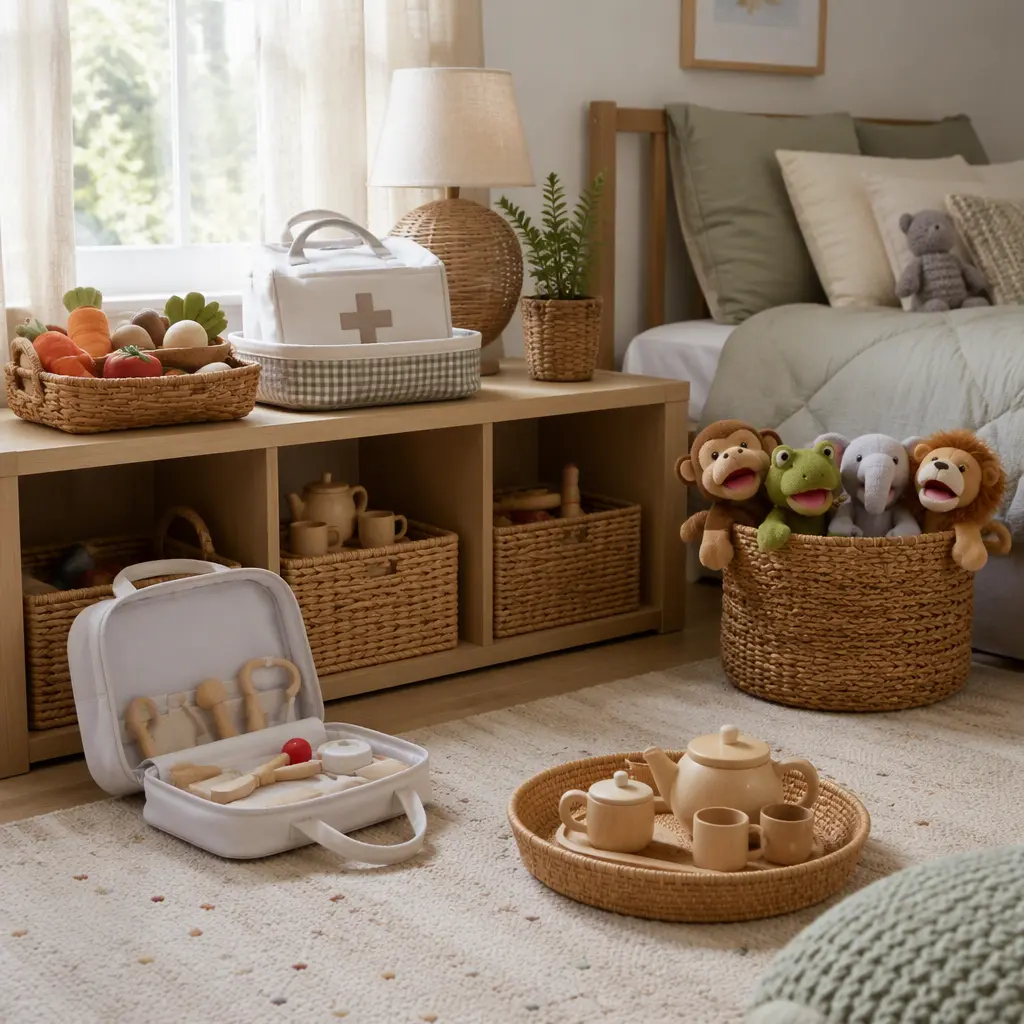
A parent-focused guide to low-noise pretend play toys for ages 3–5, with practical advice on storage, durability, supervision and imaginative play in shared bedrooms.
3–5 years
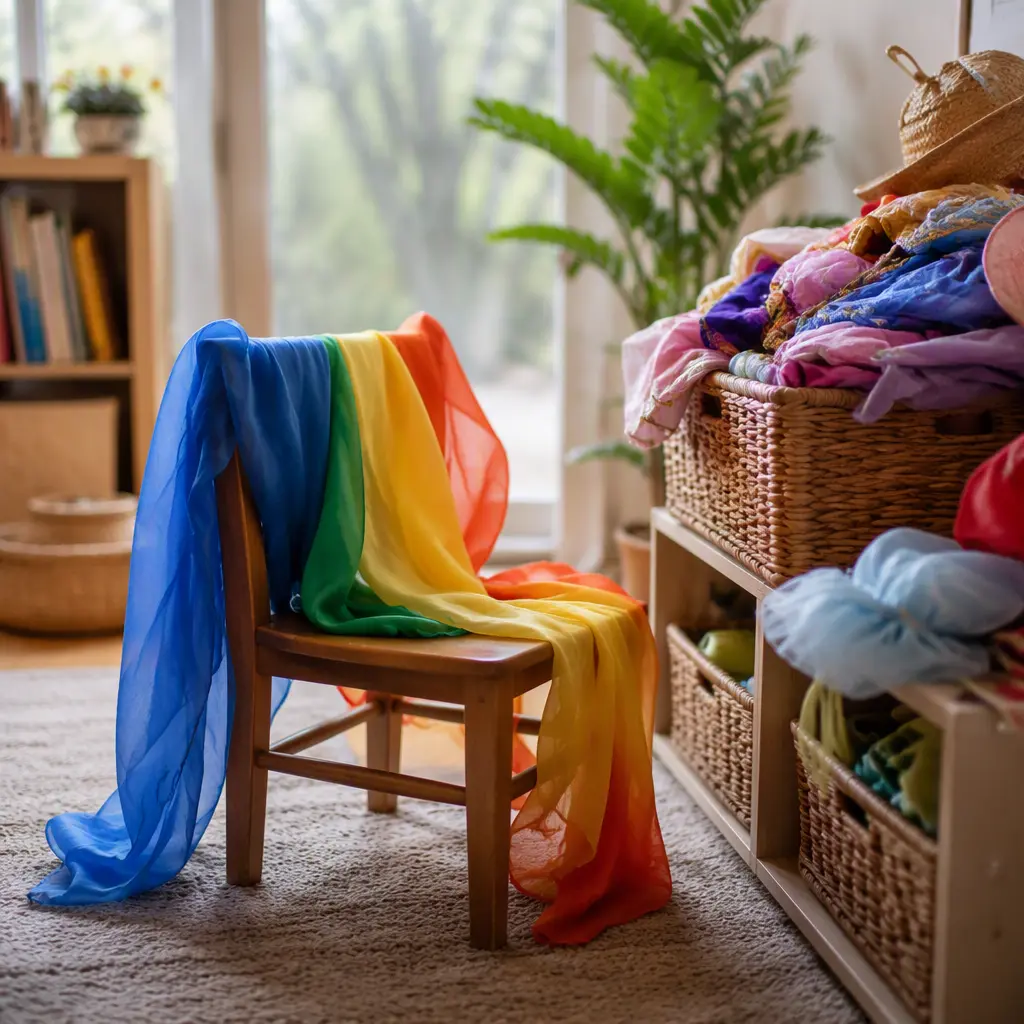
Comparing play silks and dress-up costumes for ages 3–5, with practical advice on storage, durability, cleanup and open-ended pretend play for families short on space.
3–5 years
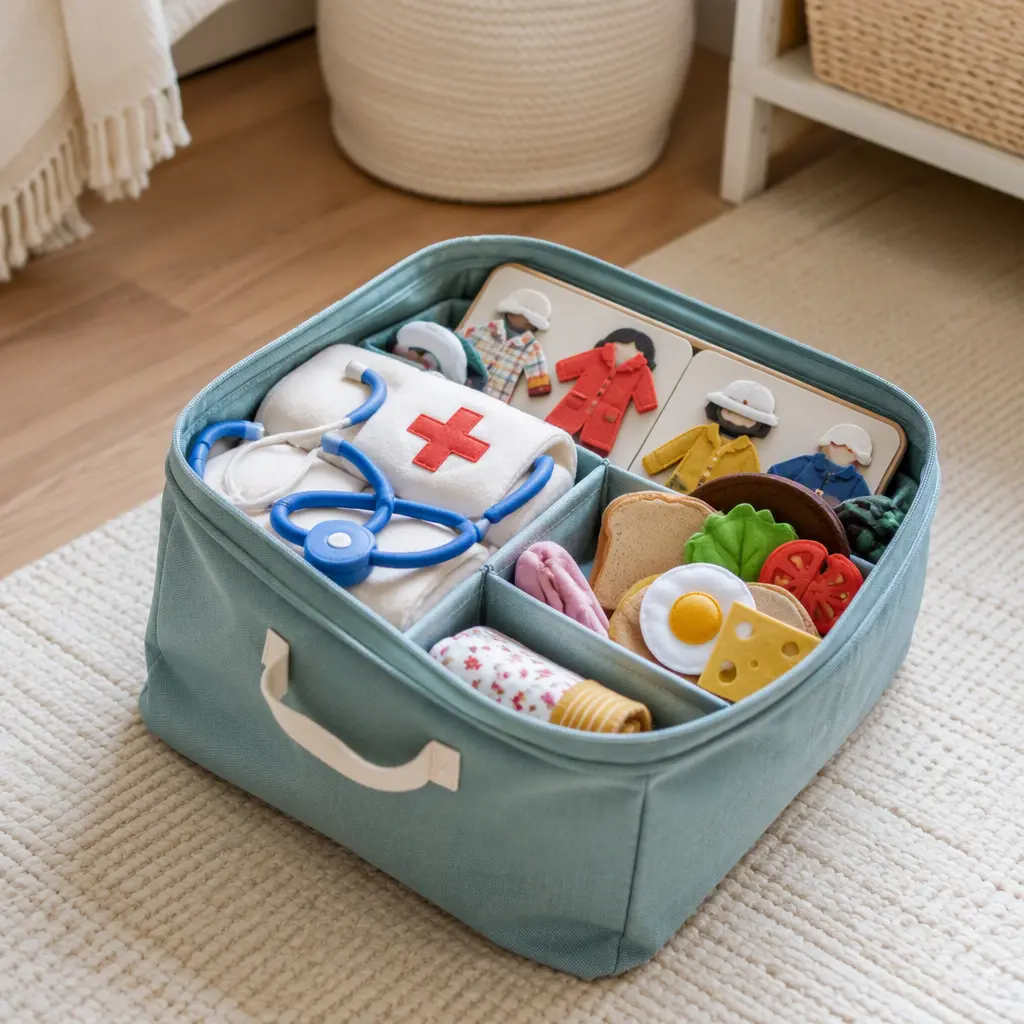
A parent-focused guide to compact pretend play toys for ages 3–5 that pack neatly, reset quickly, and avoid hard-to-track tiny pieces during trips and outings.
3–5 years
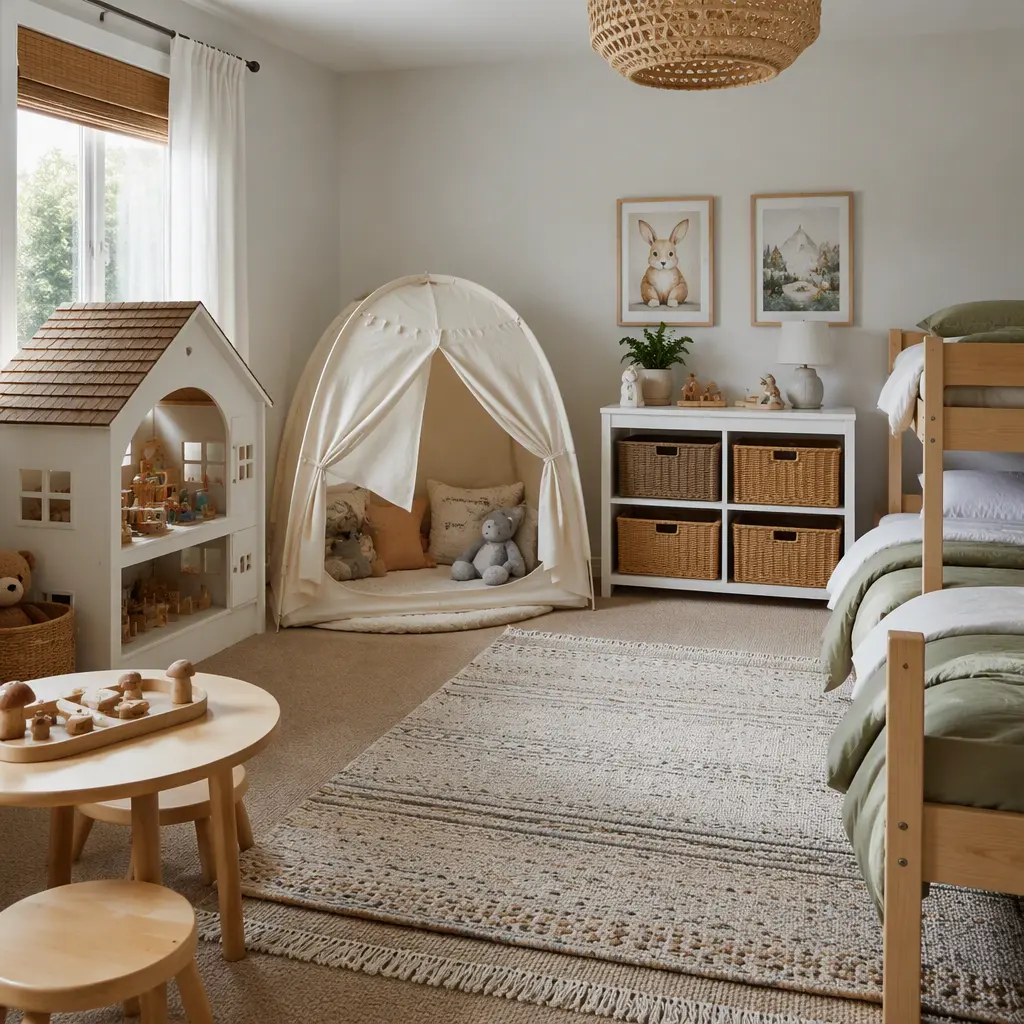
Choosing between a pop-up play tent and a playhouse for a shared bedroom? Compare space needs, setup time, sibling play, storage, noise and durability for ages 3–5.
6–8 years
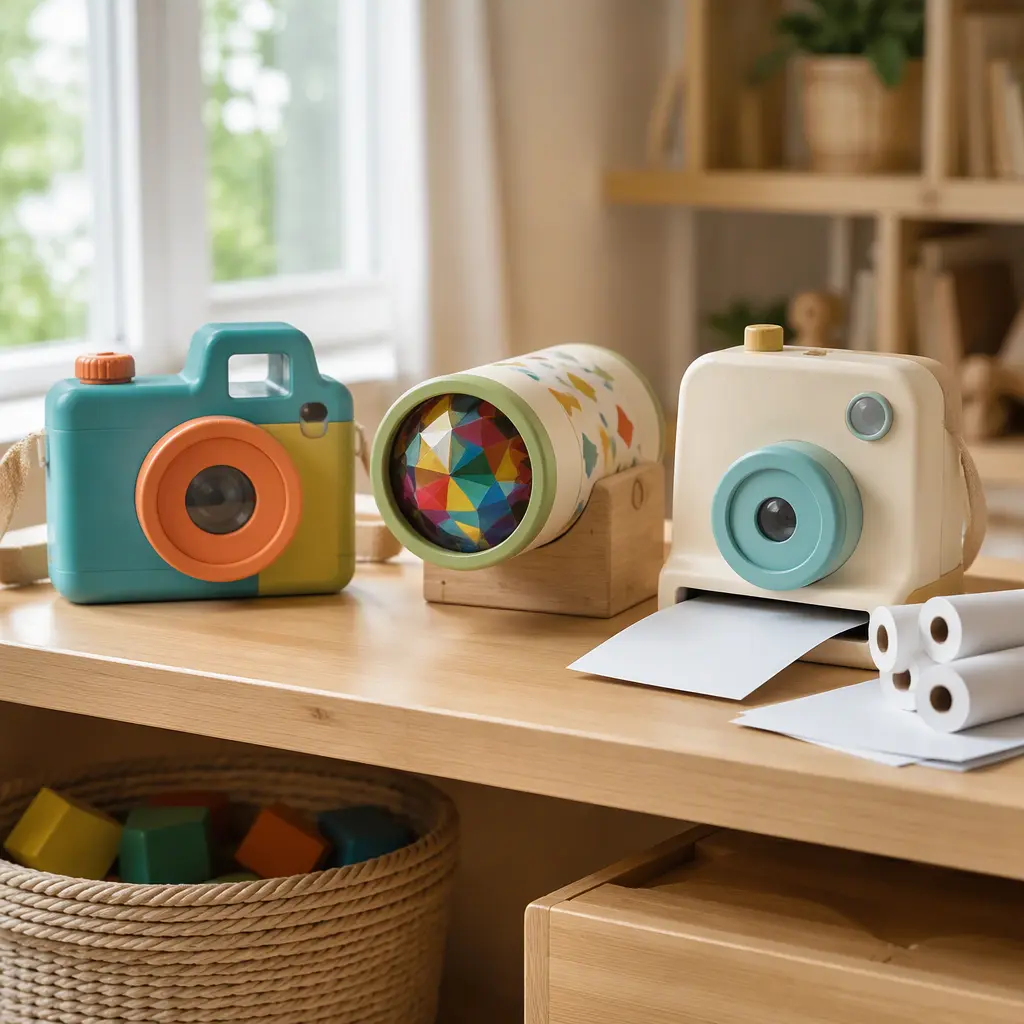
A parent-focused guide to screen-free toy cameras for ages 6–8, comparing viewfinder cameras, kaleidoscope viewers and instant-print styles by durability, mess, supervision and play value.

3–5 years
Compare toy projectors and kid-friendly flashlights for calm, screen-free bedtime play. Learn which option suits ages 3–5 based on brightness, batteries, independence and cleanup.
1–2 years
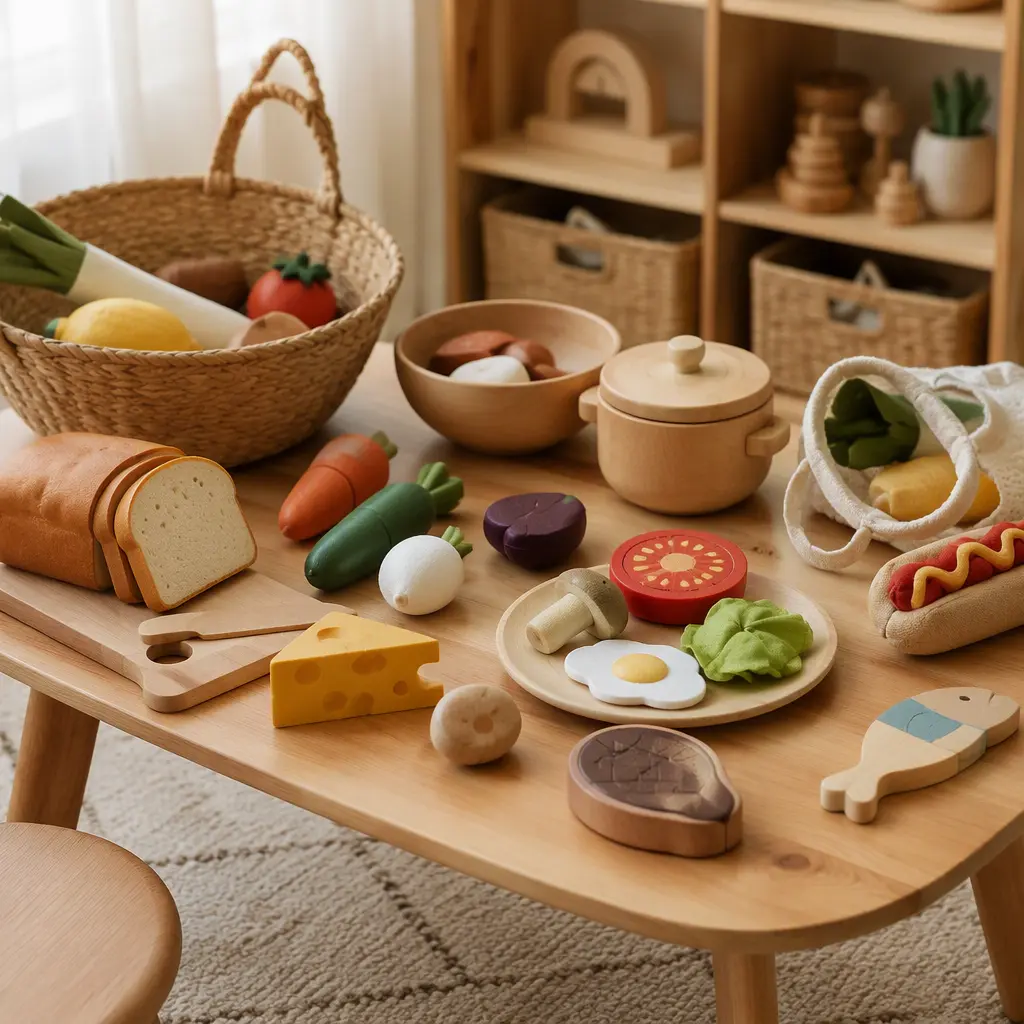
A parent-focused guide to play food sets for toddlers aged 1–2 years, covering durable materials, safe sizing, storage options, cleanup, and which styles suit everyday rough play.
3–5 years
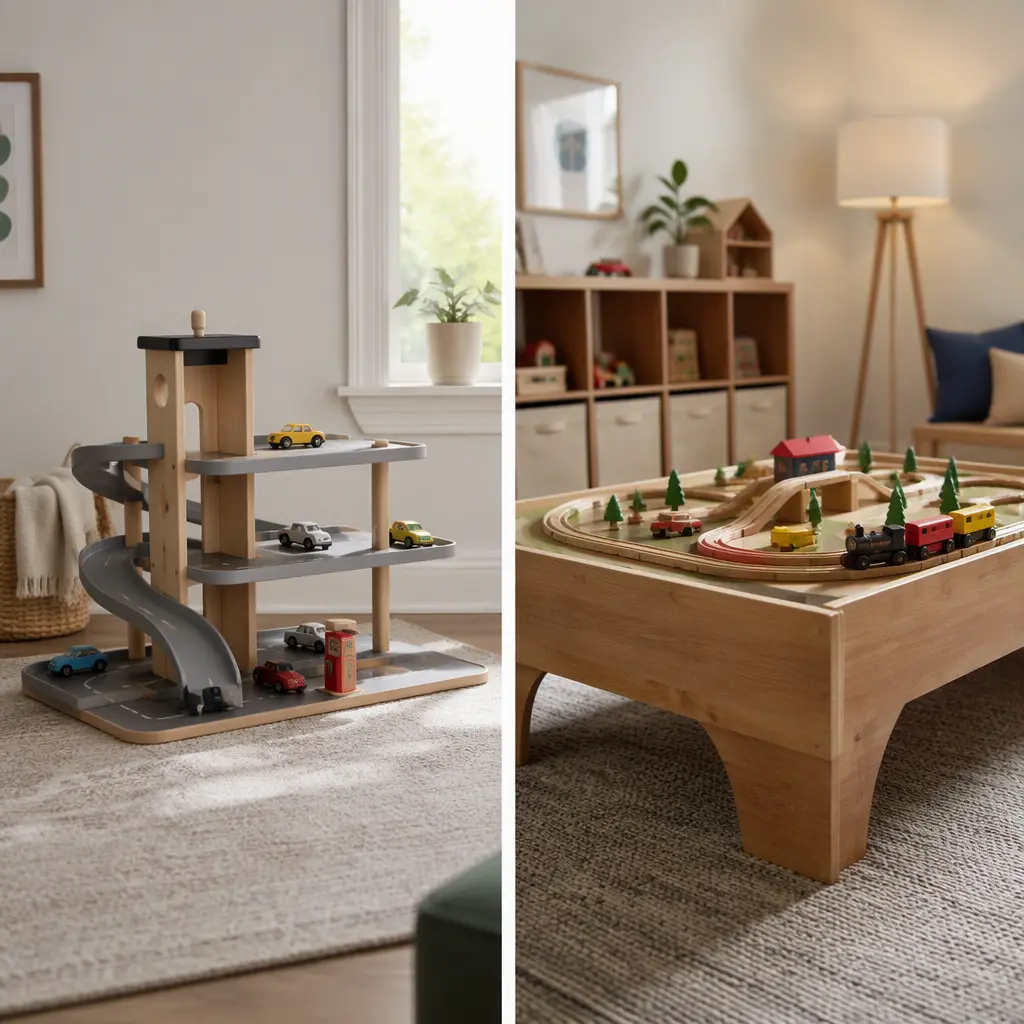
Choosing between a toy garage and a train table for a shared playroom? Compare space needs, cleanup, replay value, sibling sharing and age suitability for children aged 3–5.
6–8 years
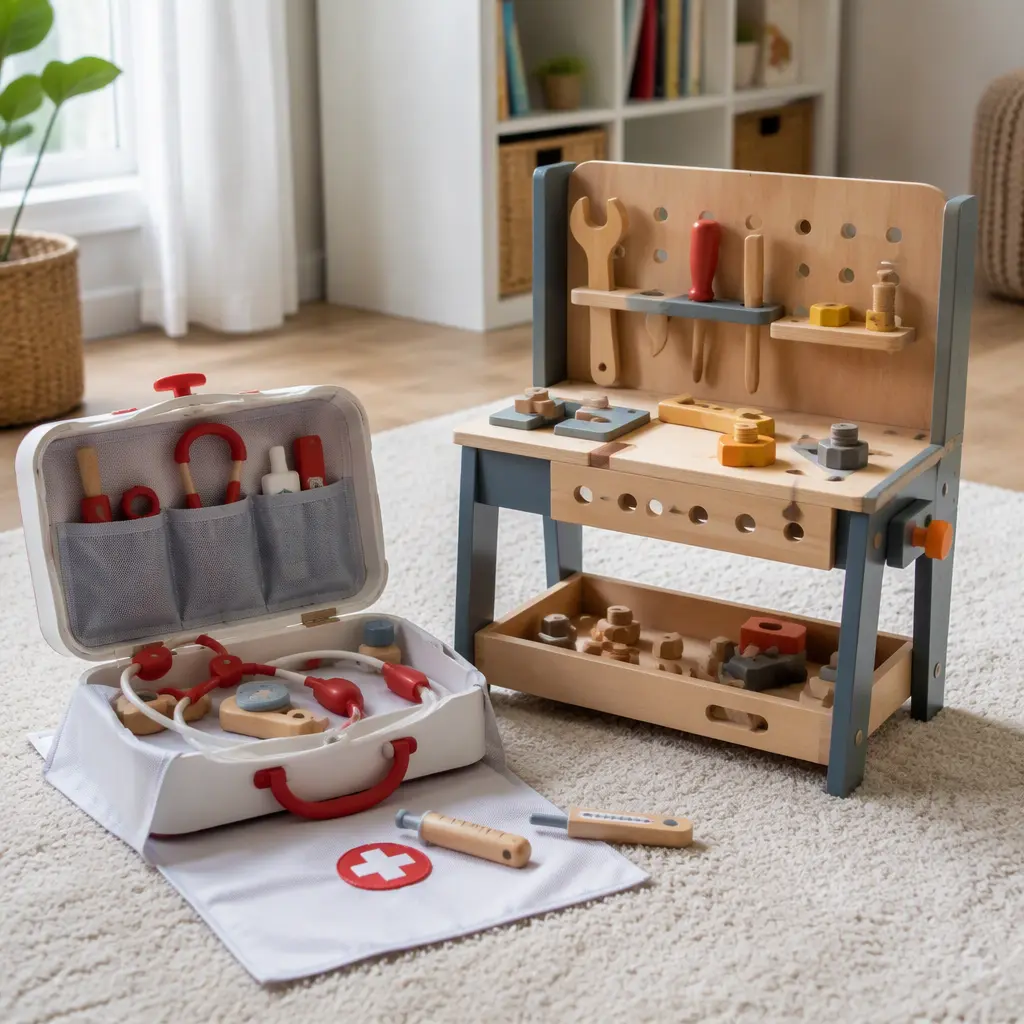
Compare toy doctor kits and tool sets for children aged 6–8, with a focus on teamwork, turn-taking, shared play length, noise, storage, and supervision needs.
1–2 years
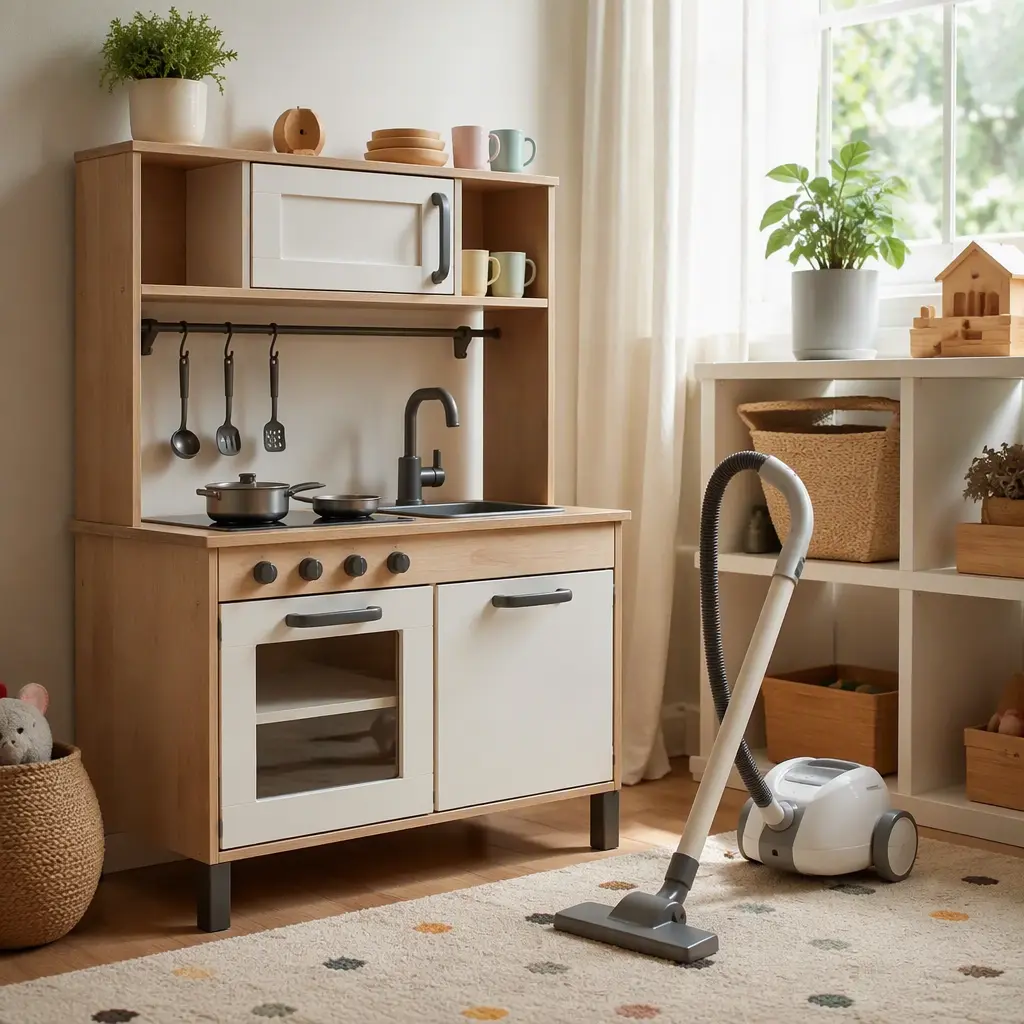
Choosing between a toy vacuum and a play kitchen for a 1–2 year old? This guide compares space, noise, replay value, supervision, and developmental fit for copycat toddlers.

6–8 years
Comparing mechanical banks and cash register toys for ages 6–8, with practical advice on counting skills, pretend shopping, storage, supervision and screen-free money play.
3–5 years
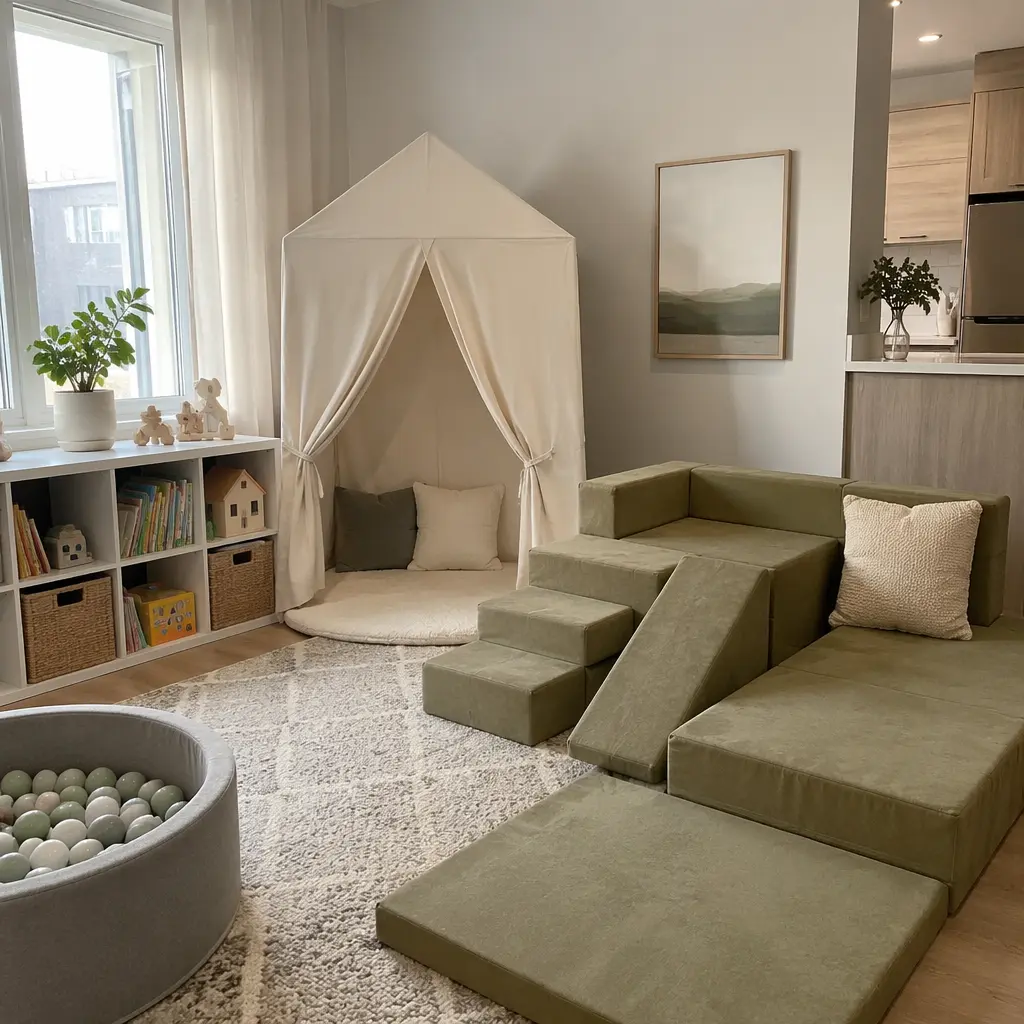
Comparing play couches and indoor tents for children aged 3–5 in small homes, including storage, supervision, noise, active play, durability and long-term value.
3–5 years
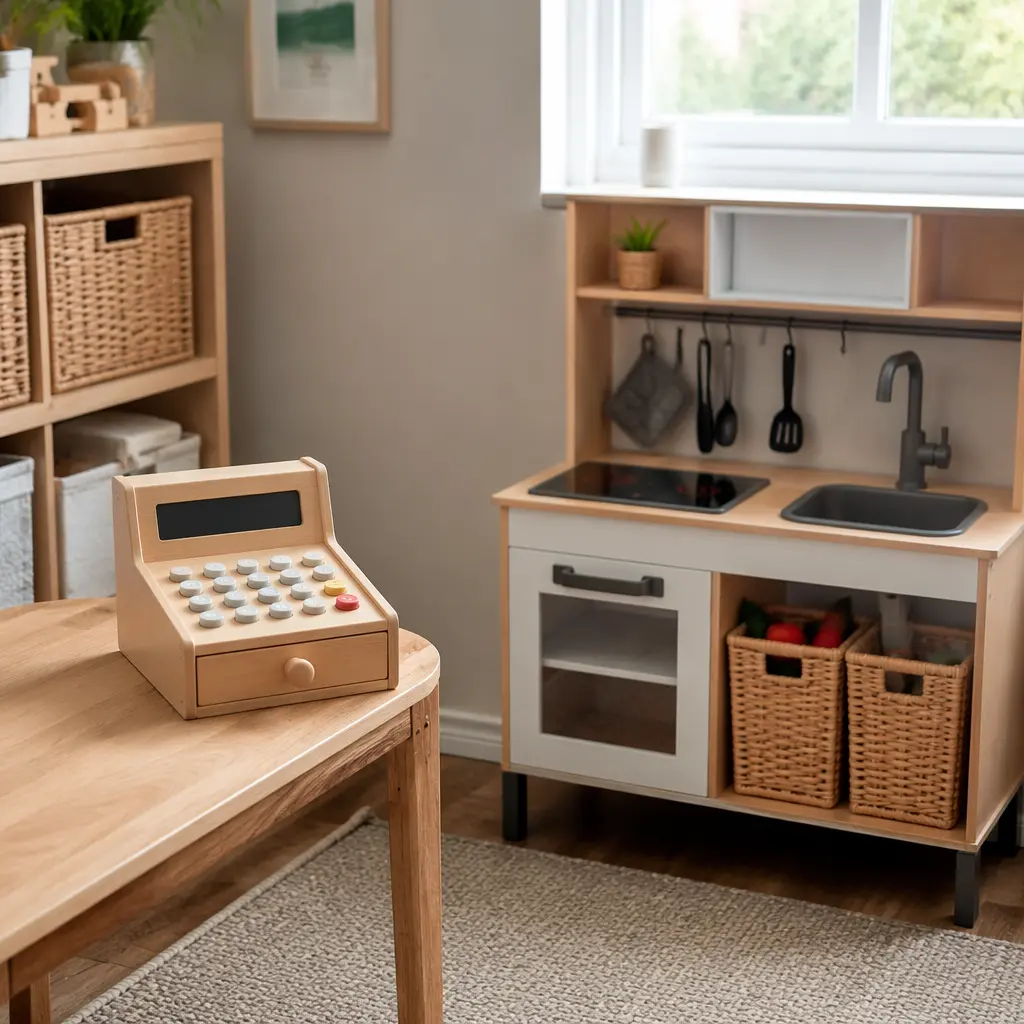
Choosing between a toy cash register and a play kitchen for ages 3–5? This guide compares storage needs, solo play value, noise, cleanup, and long-term interest for smaller homes.
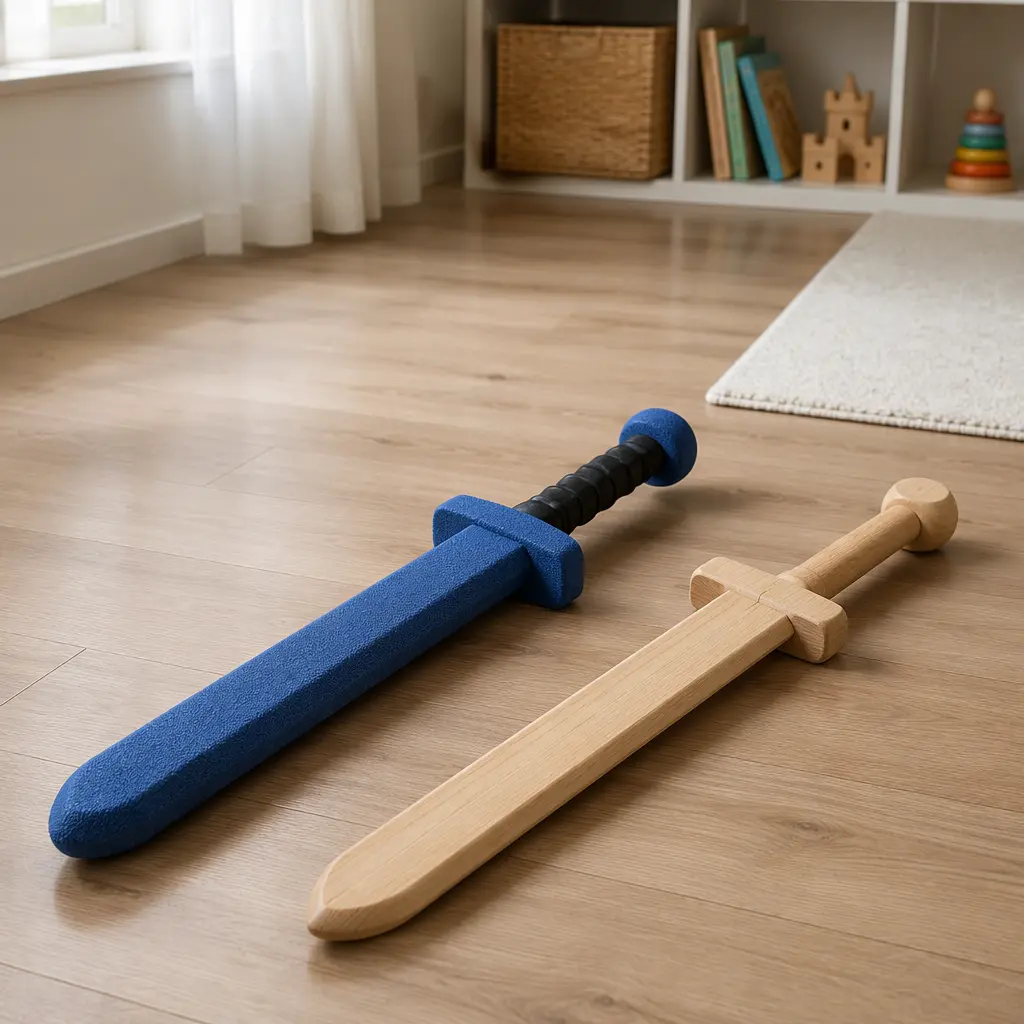
6–8 years
Compare foam and wooden toy swords for children aged 6–8, including durability, indoor use, supervision needs, storage and injury risk so parents can choose safer pretend-play gear.
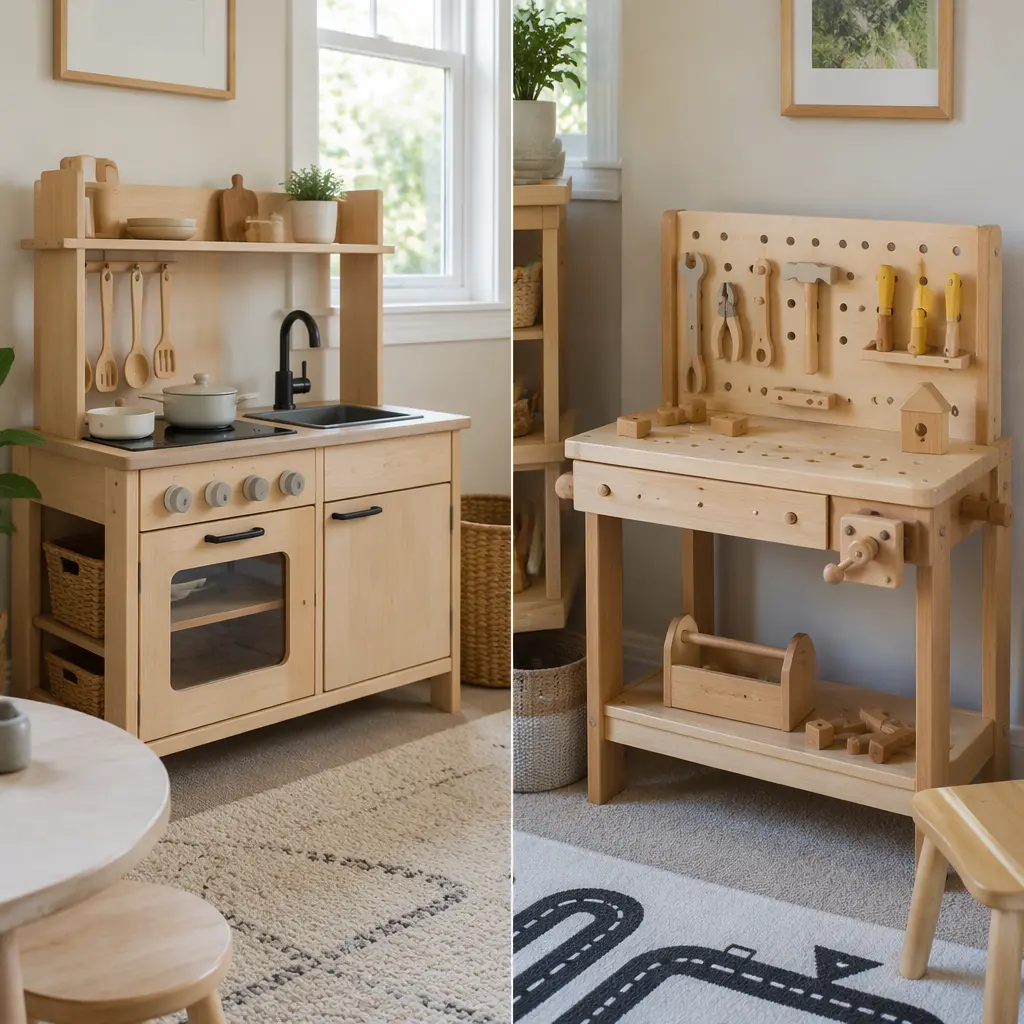
3–5 years
Choosing between a toy kitchen and a tool bench for ages 3–5? Compare noise, storage, pretend-play depth, replay value and space needs for smaller shared playrooms.
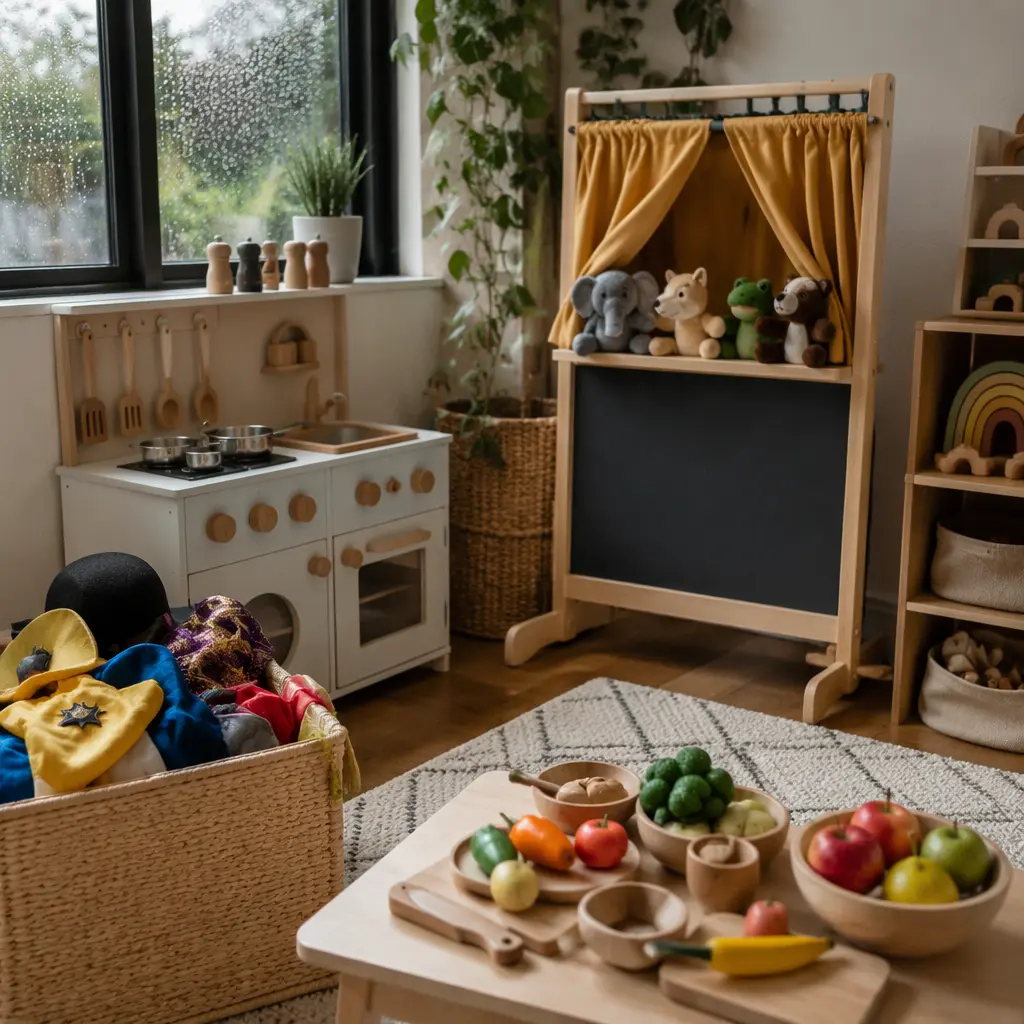
3–5 years
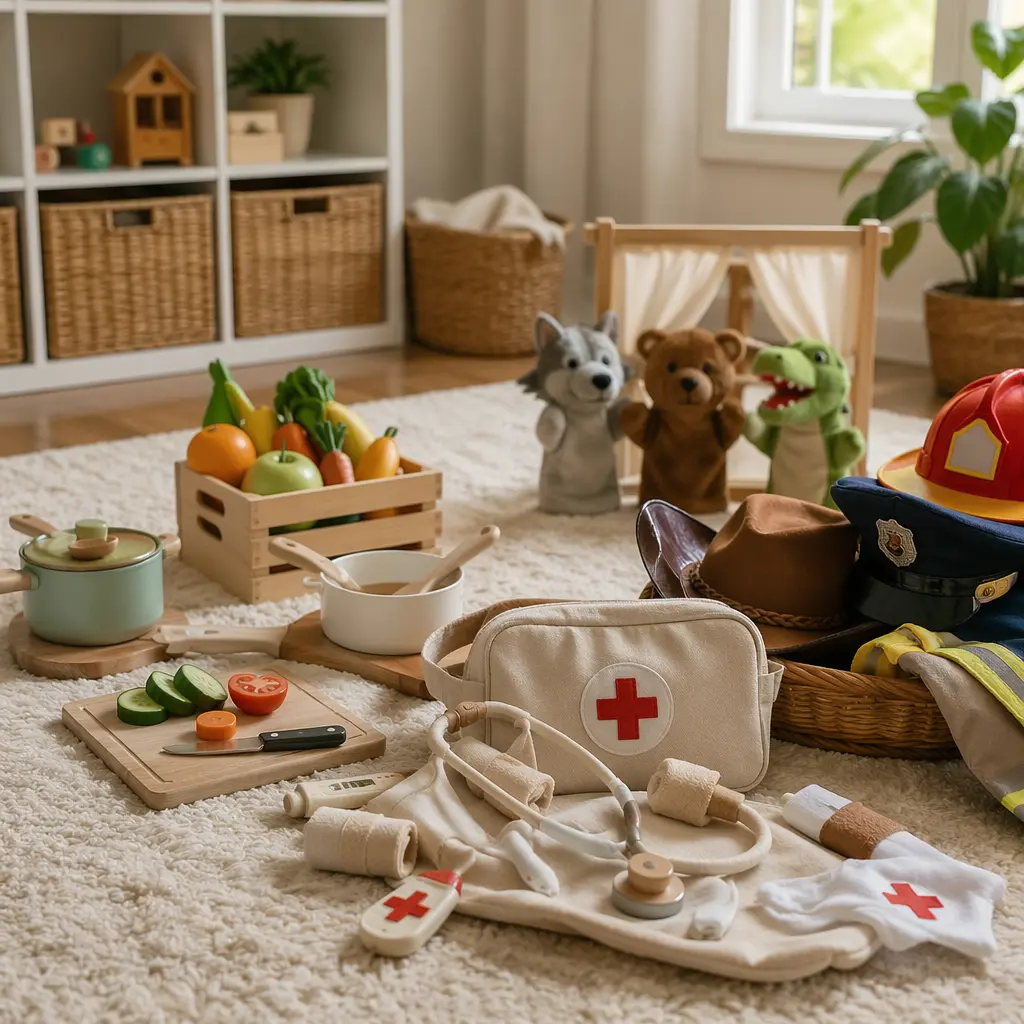
A parent-focused guide to screen-free pretend play toys for preschoolers aged 3–5, including kitchens, tool sets, puppets and play shops with practical tips on storage, noise and supervision.
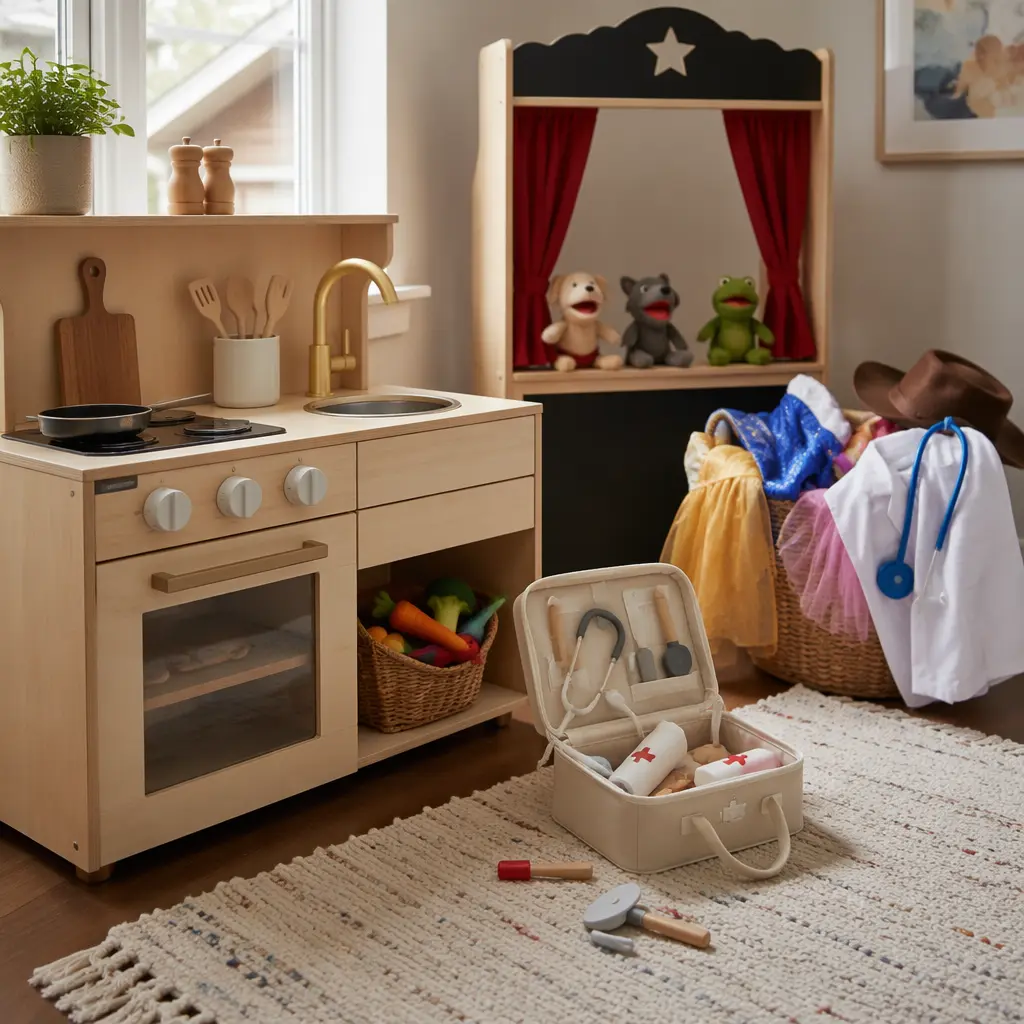
3–5 years
A parent-focused guide to pretend play toys that encourage shared storytelling for siblings aged 3–5, with practical advice on age gaps, storage, noise, supervision and long-term play value.
3–5 years
Classic pretend play toys can hold a preschooler’s attention without screens while building language, creativity, and social skills. Here’s what parents should look for when choosing them.
3–5 years
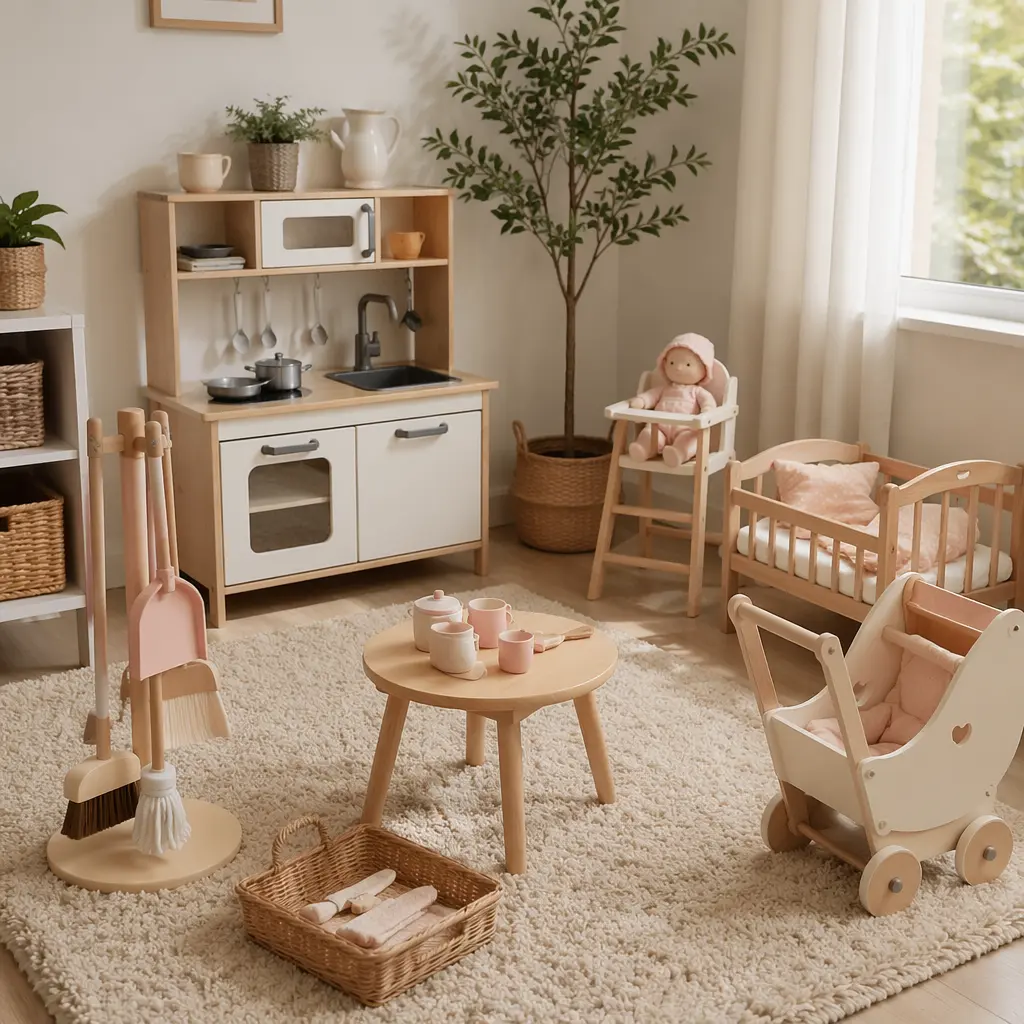
A parent-friendly guide to pretend play toys that reflect daily family routines, helping ages 3–5 build confidence, language skills, and independence through familiar role play.
6–8 years
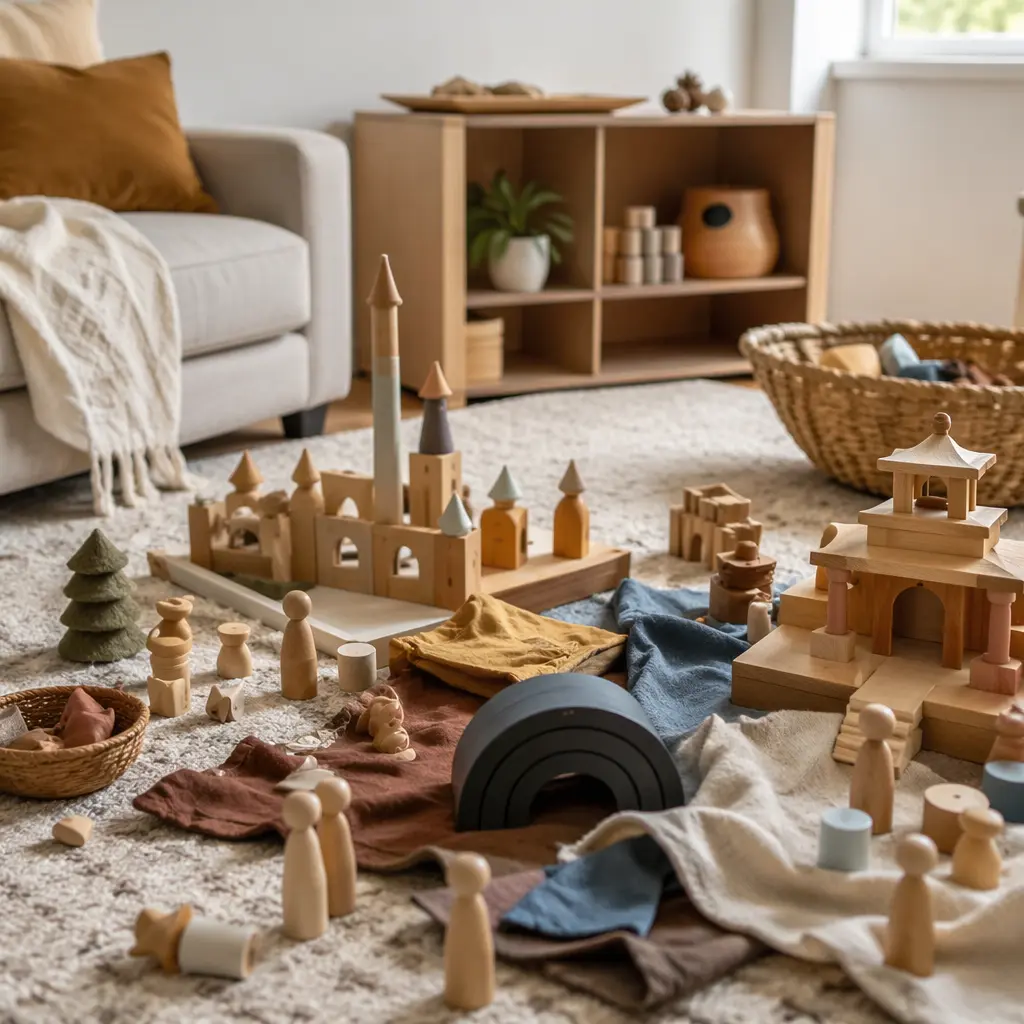
A parent-focused guide to open-ended pretend play toys that help kids ages 6–8 create rich stories and play independently for longer stretches.
1–2 years
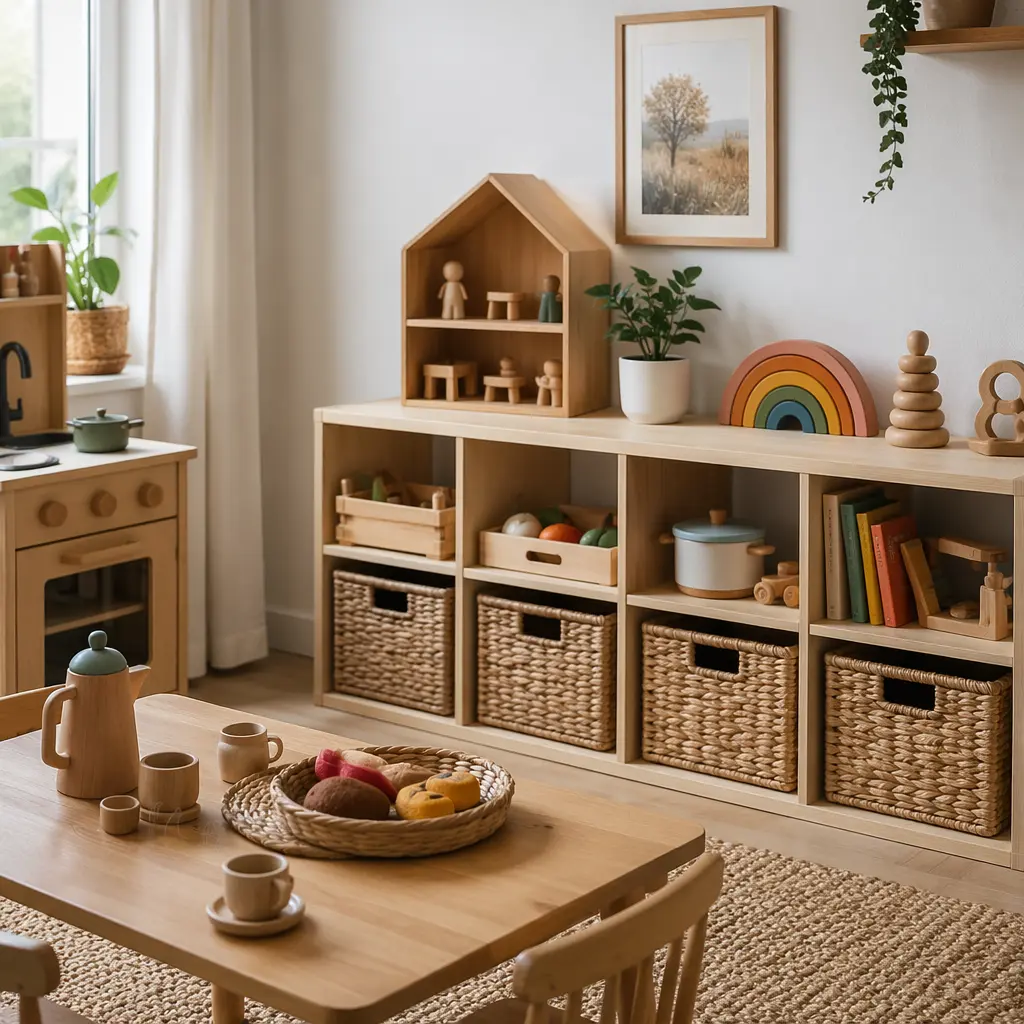
A parent-friendly guide to pretend play toys for ages 1–2 that support independent, repeat play—what to look for, age fit, and common questions about safety and learning.
1–2 years
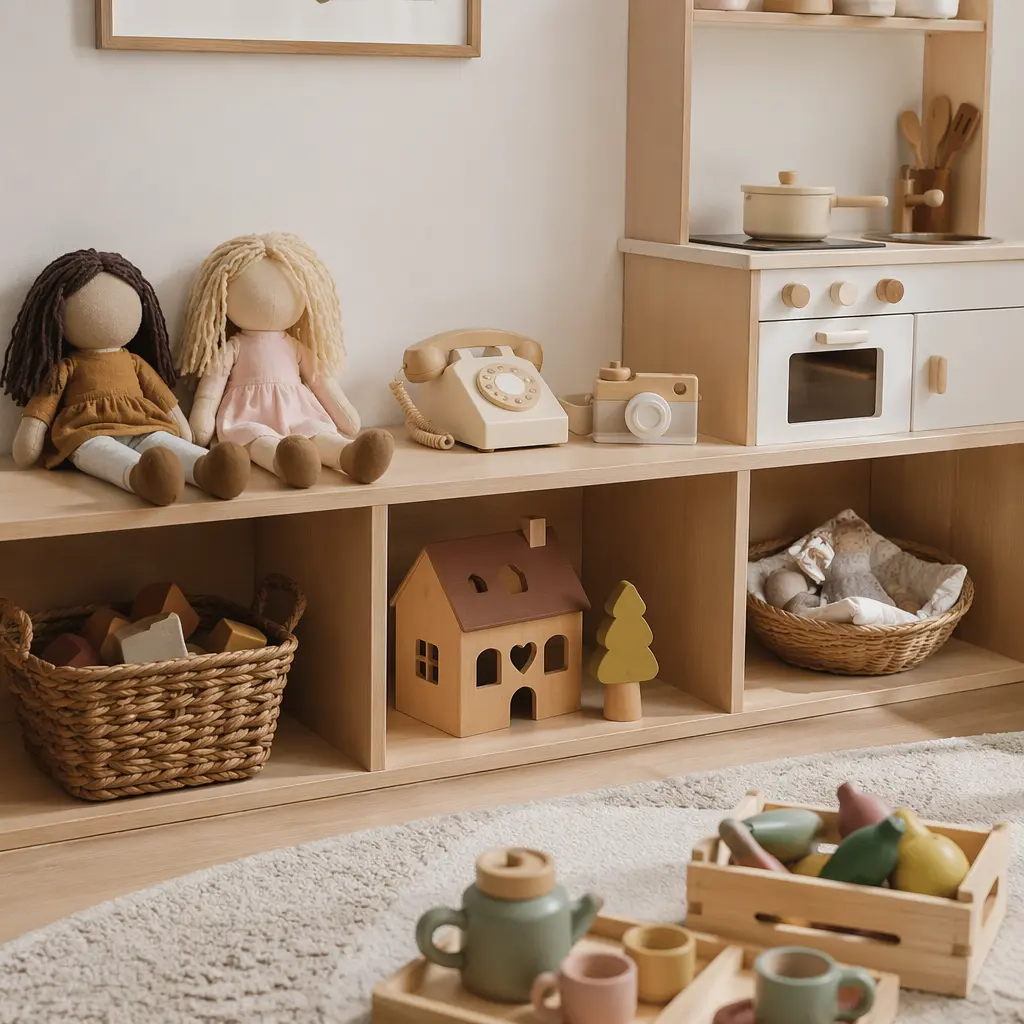
A parent-focused guide to pretend play toys that toddlers ages 1–2 can start and reset on their own, encouraging imagination, independence, and calm solo play.
3–5 years
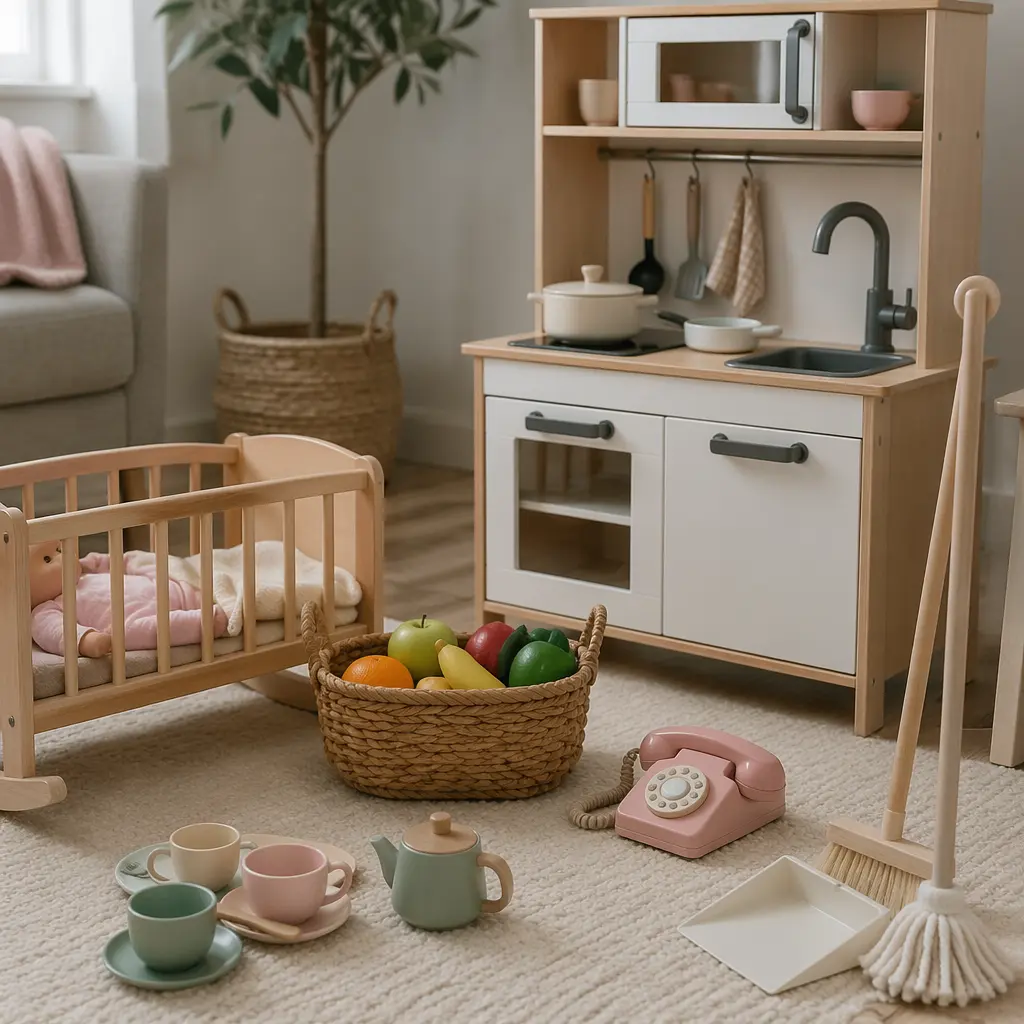
Buyer’s guide to pretend play toys for ages 3–5 that mirror daily routines. Learn what to look for, age fit, safety tips, and toy types that support longer, independent play.
1–2 years
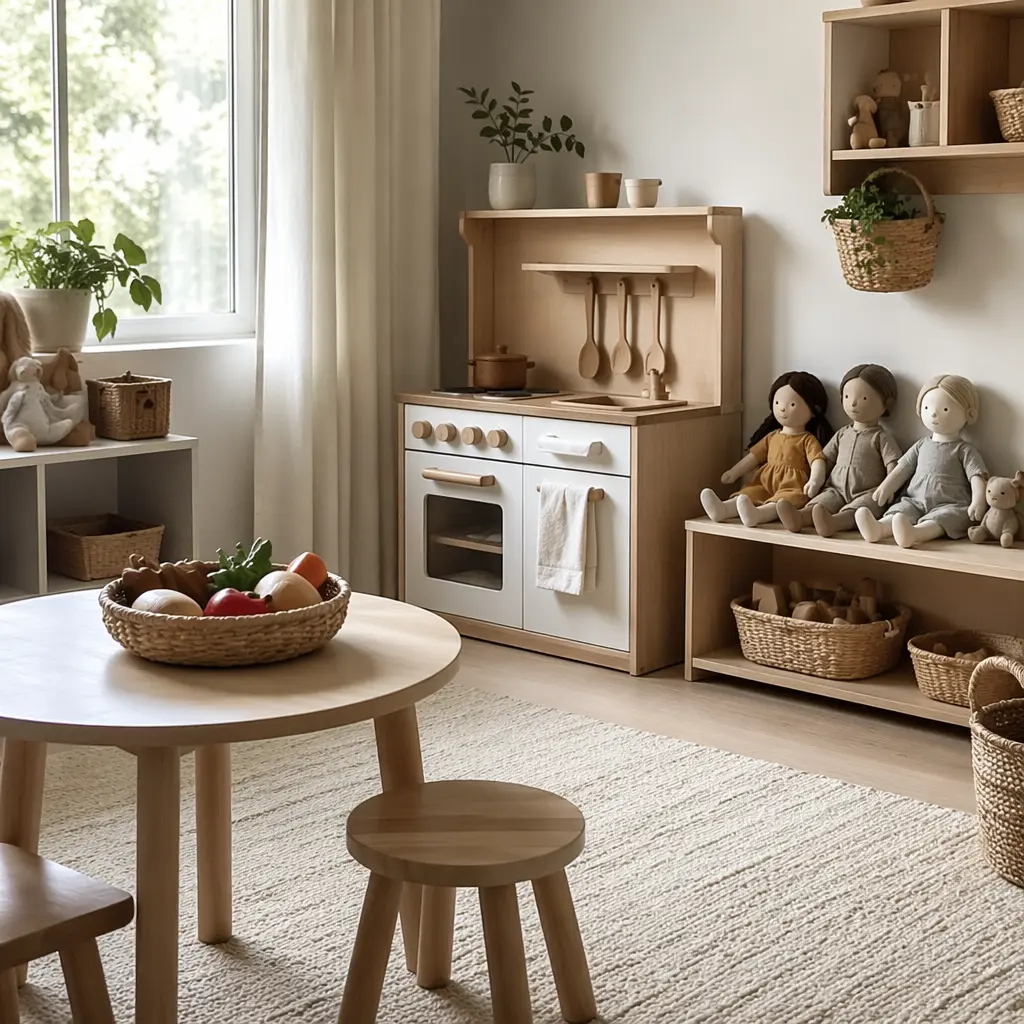
A parent-friendly guide to pretend play toys that support early speech in toddlers ages 1–2, focusing on simple, non-electronic options that encourage words, turn-taking, and imagination.
6–8 years
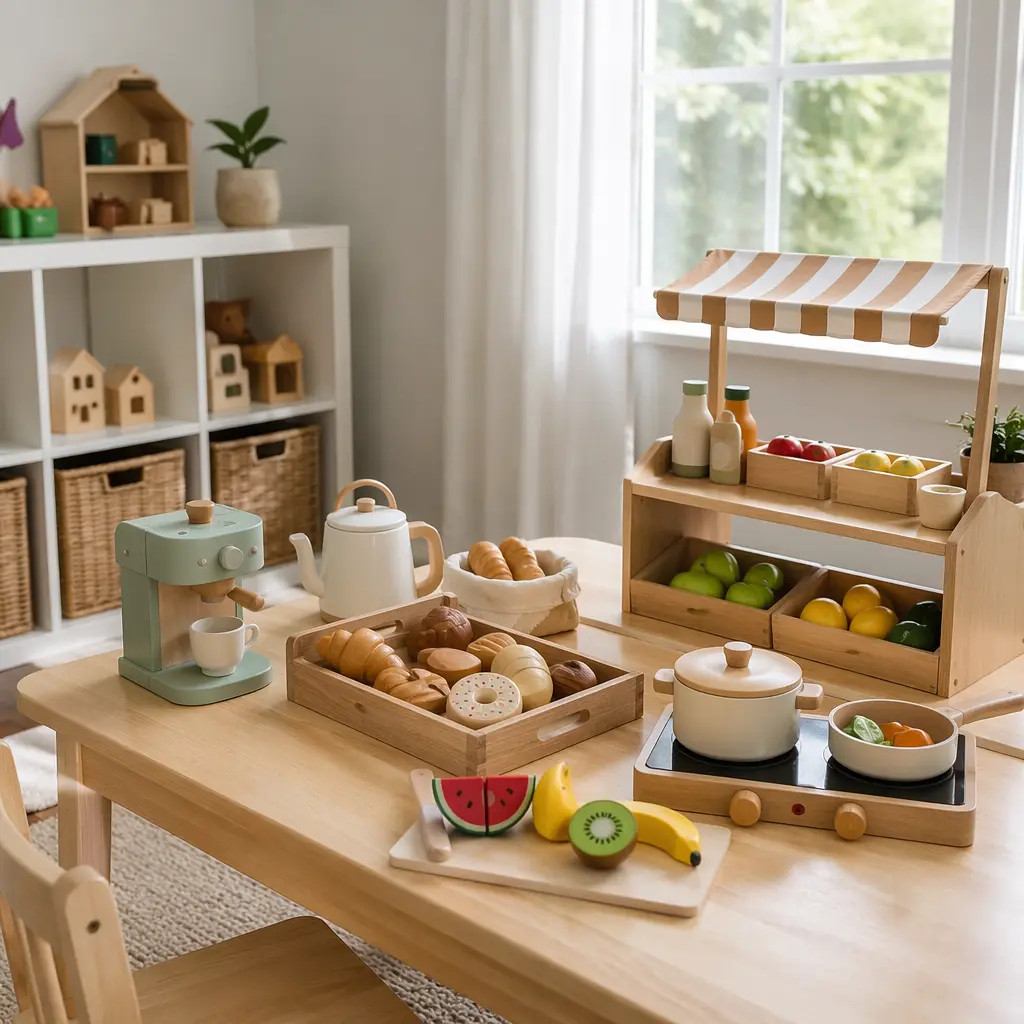
A buyer’s guide to pretend play toys that kids ages 6–8 can set up and start without adult help, encouraging independent storytelling, problem-solving, and creative play right away.
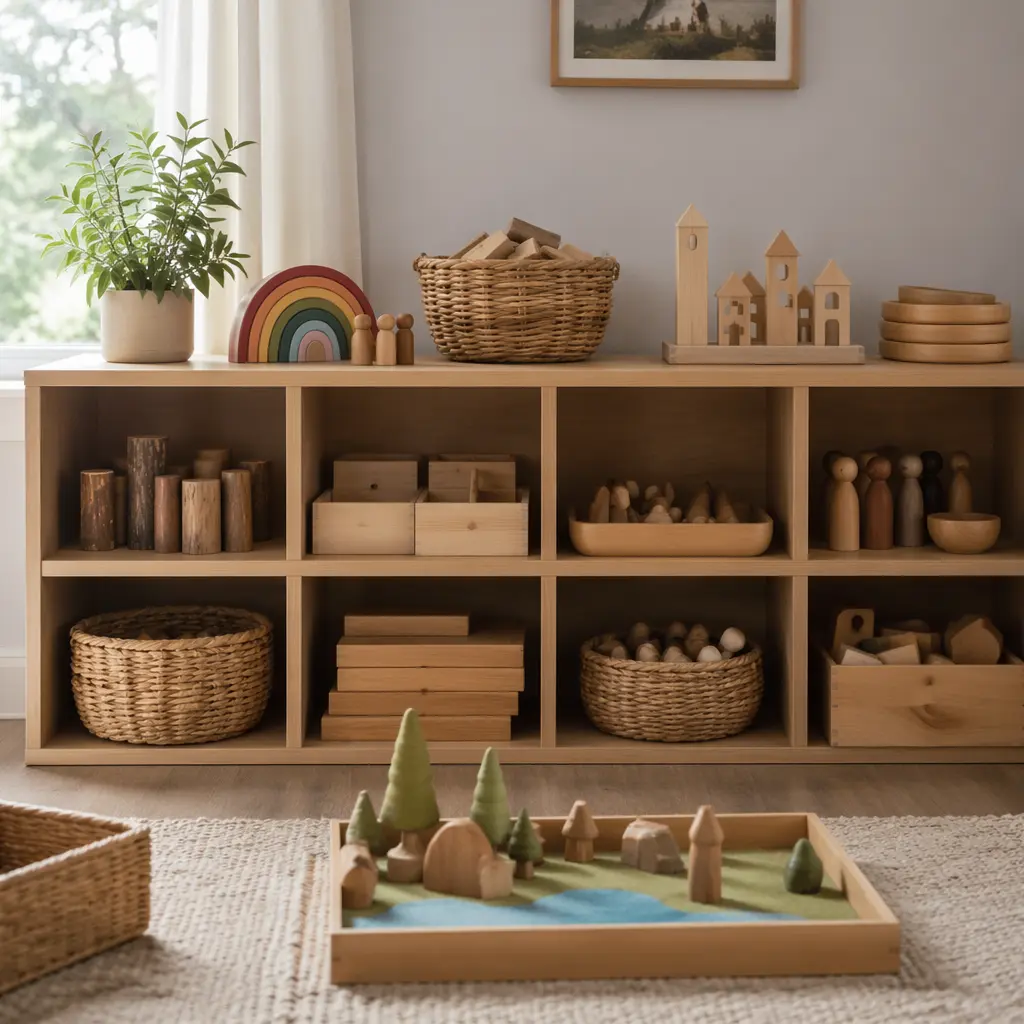
3–5 years
A parent-focused guide to pretend play toys that work right out of the box. Learn what to look for, age fit, safety notes, and the toy types that encourage independent storytelling for ages 3–5.
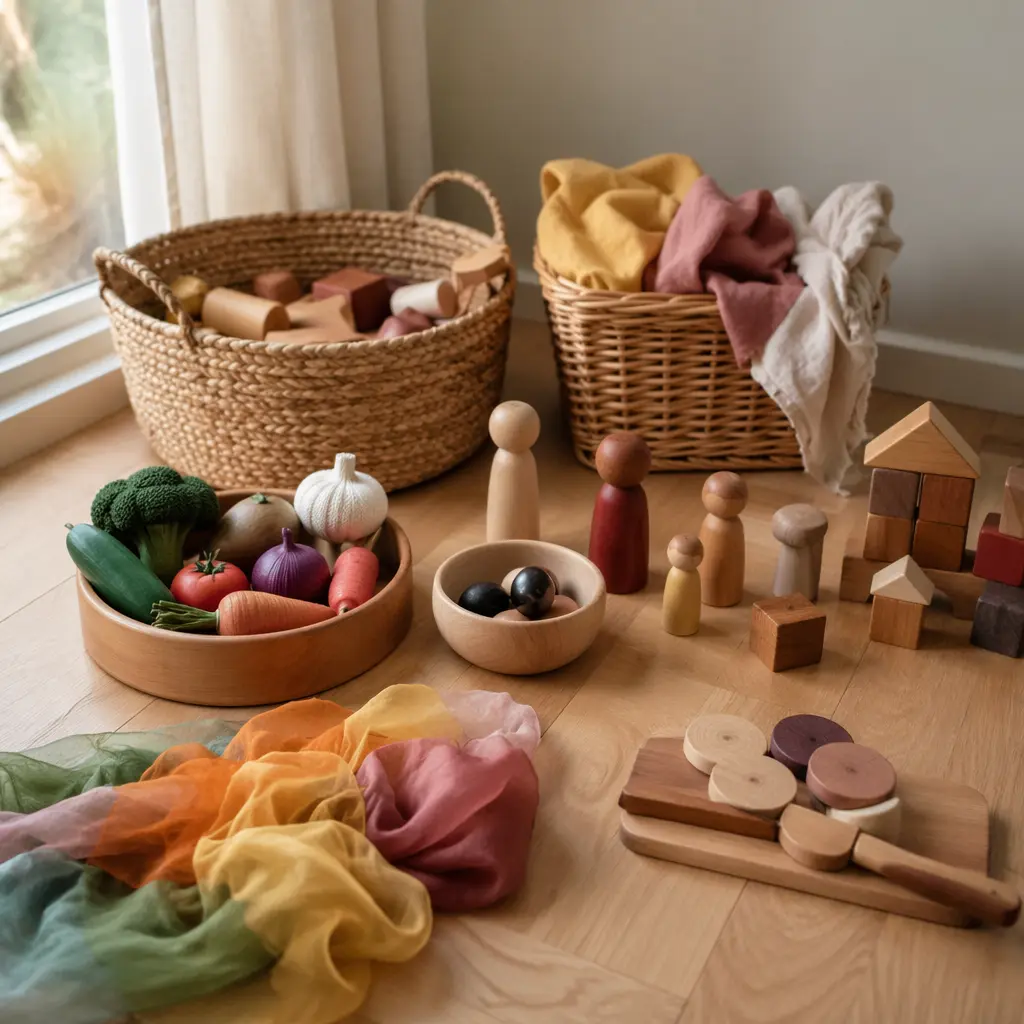
3–5 years
A parent-friendly guide to open-ended pretend play toys for ages 3–5. Learn what to look for, age fit, safety tips, and flexible toy types that encourage imagination without instructions.
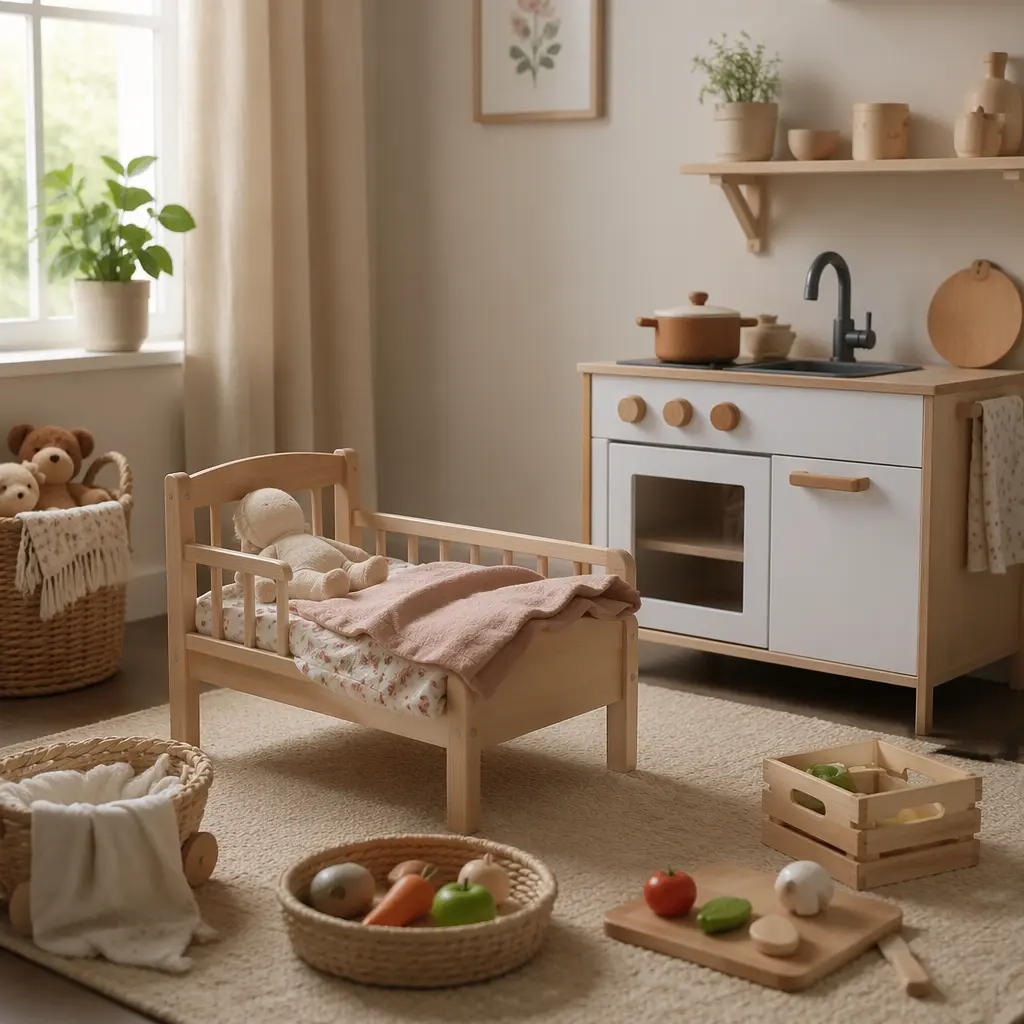
1–2 years
A parent-friendly guide to pretend play toys that support independent play for ages 1–2, with tips on safety, age fit, and toy types that encourage everyday role play.

3–5 years
A parent-friendly guide to pretend play toys for ages 3–5 that work straight out of the box. Learn what to look for, age fit, safety notes, and easy-play categories kids can manage on their own.
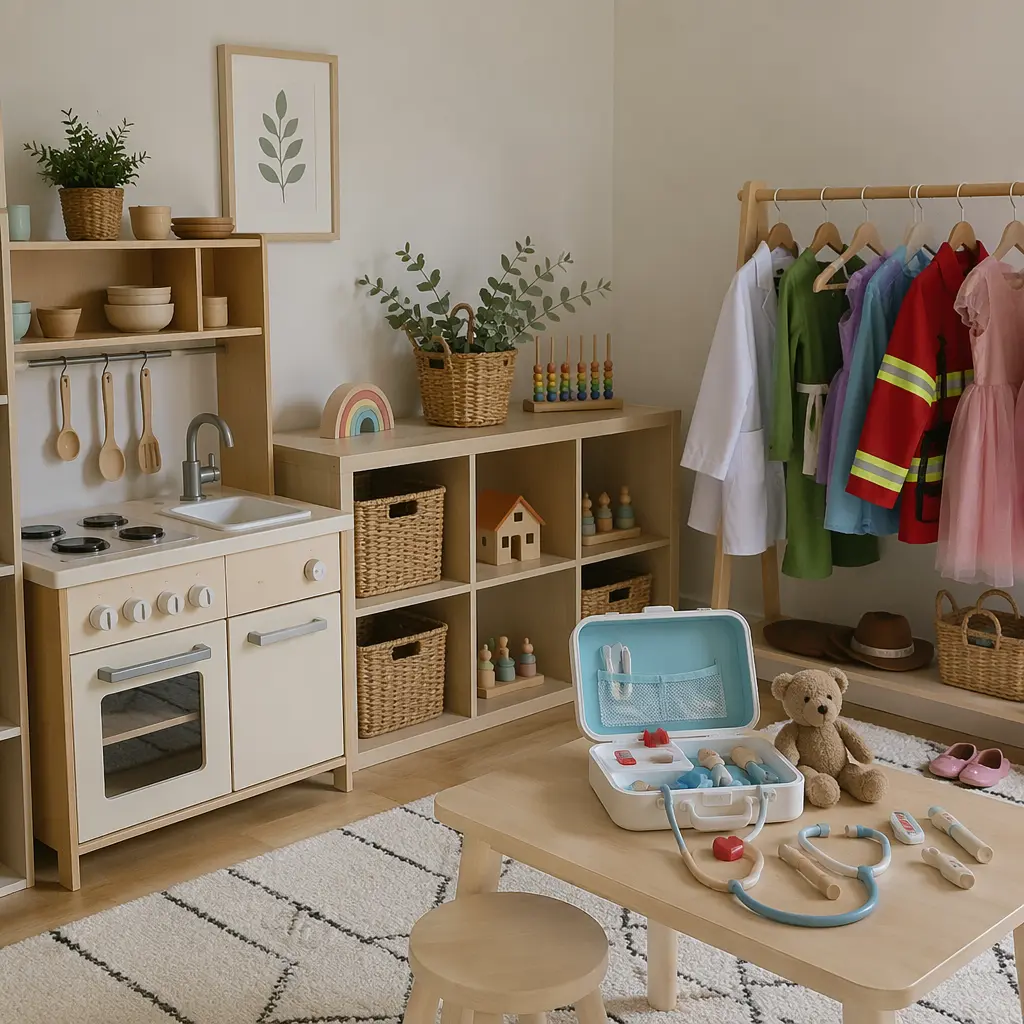
3–5 years
A buyer’s guide to low-setup pretend play toys for ages 3–5 that children can start on their own, supporting independence, imagination, and quiet play.
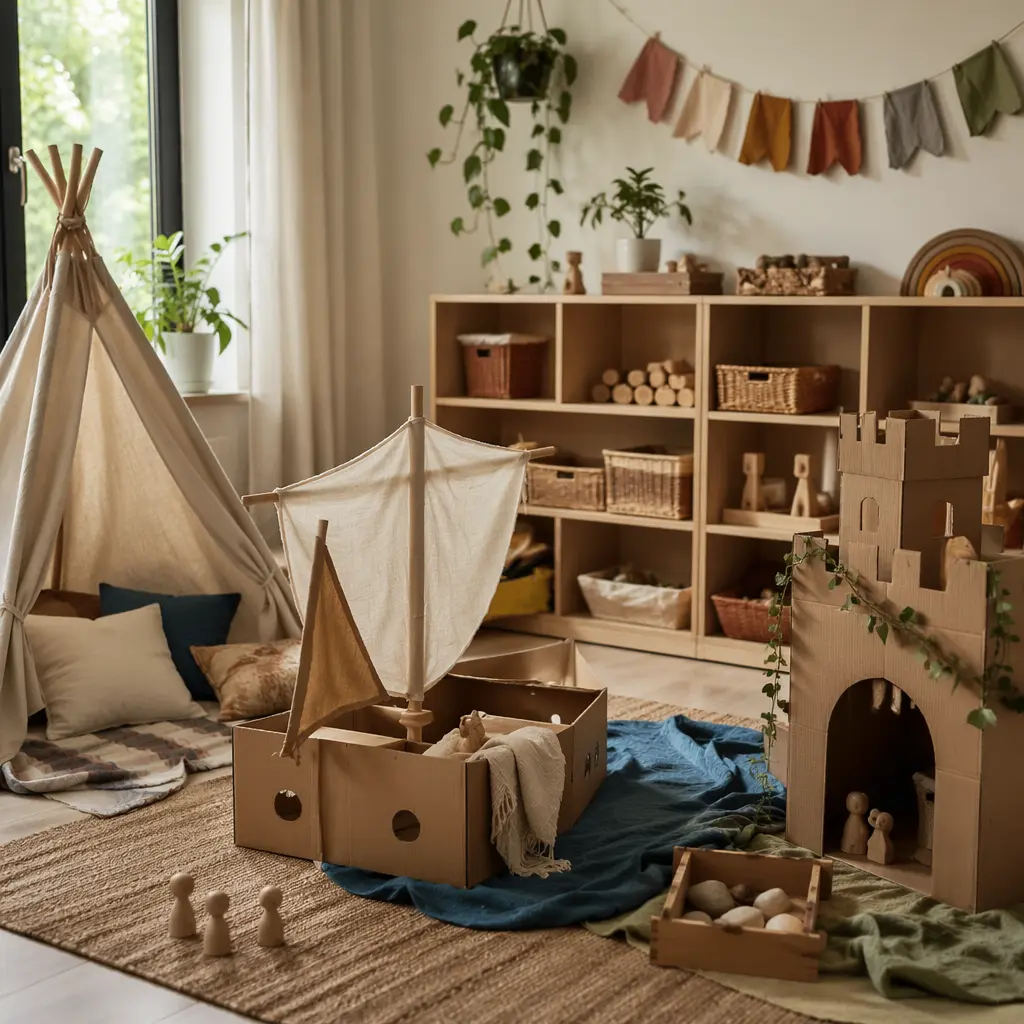
9–12 years
A parent-focused guide to pretend play toys for ages 9–12 that encourage independent play. Learn what to look for, age fit, safety tips, and standout toy types that don’t need adult assembly or screens.
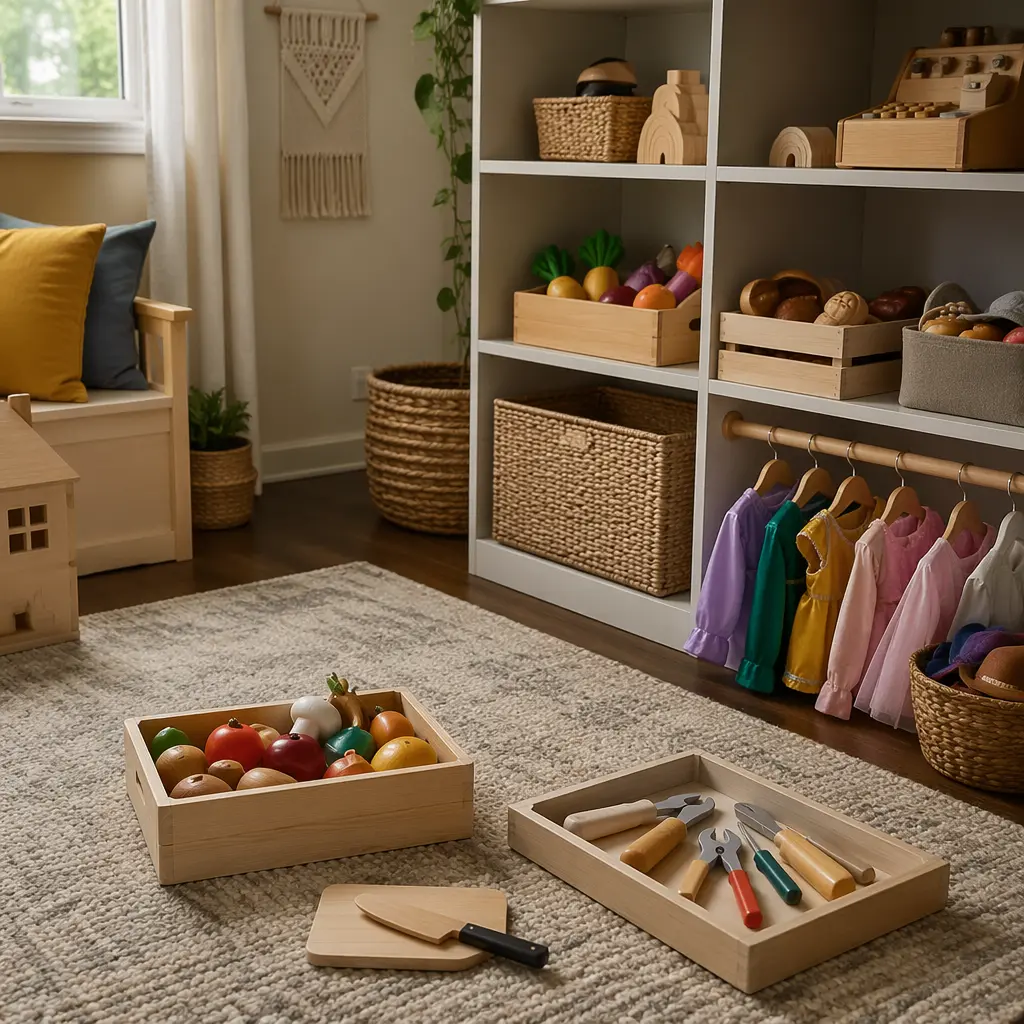
3–5 years
A parent-friendly guide to low-friction pretend play sets for ages 3–5—what to look for, age fit, safety notes, and categories that invite instant, independent play without assembly.
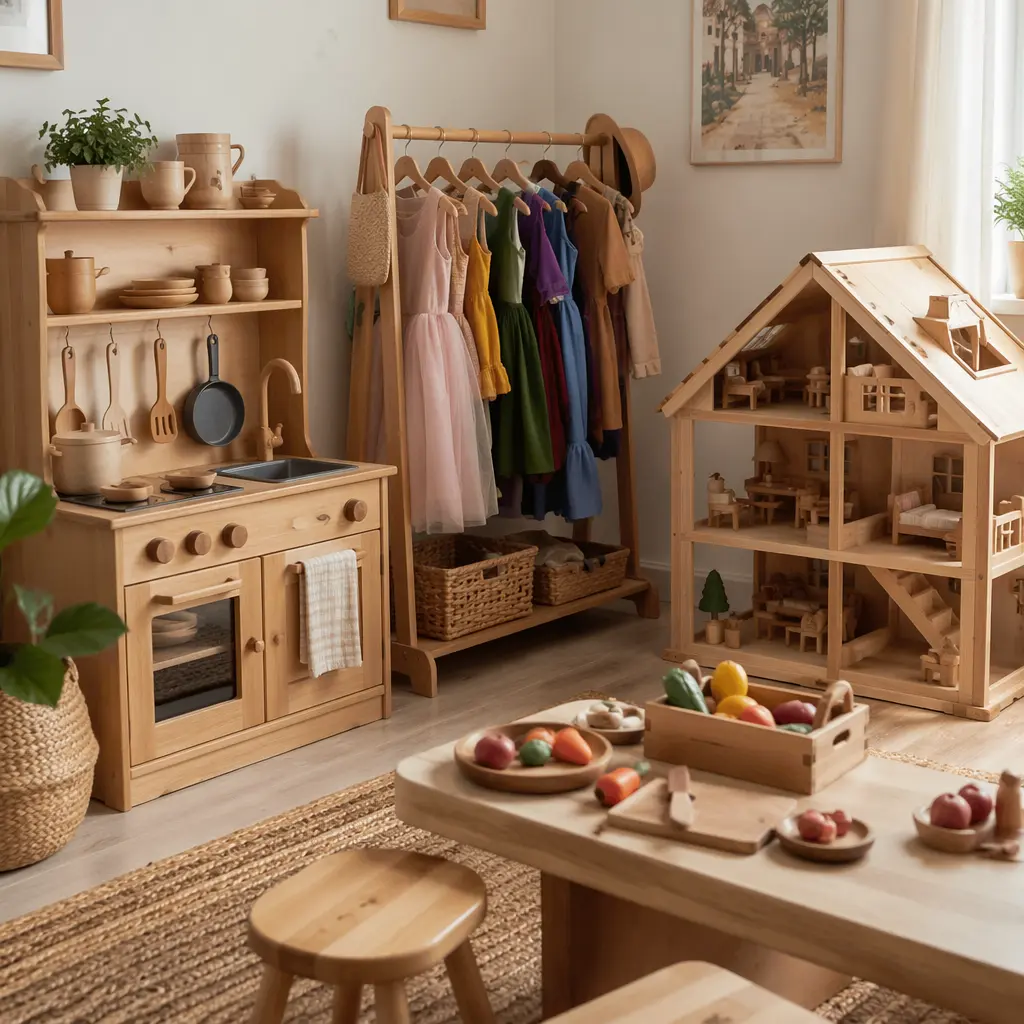
A parent-friendly guide to modern pretend play toys that work without apps or screens, covering what to look for, age suitability, safety notes, and popular categories that encourage imagination.
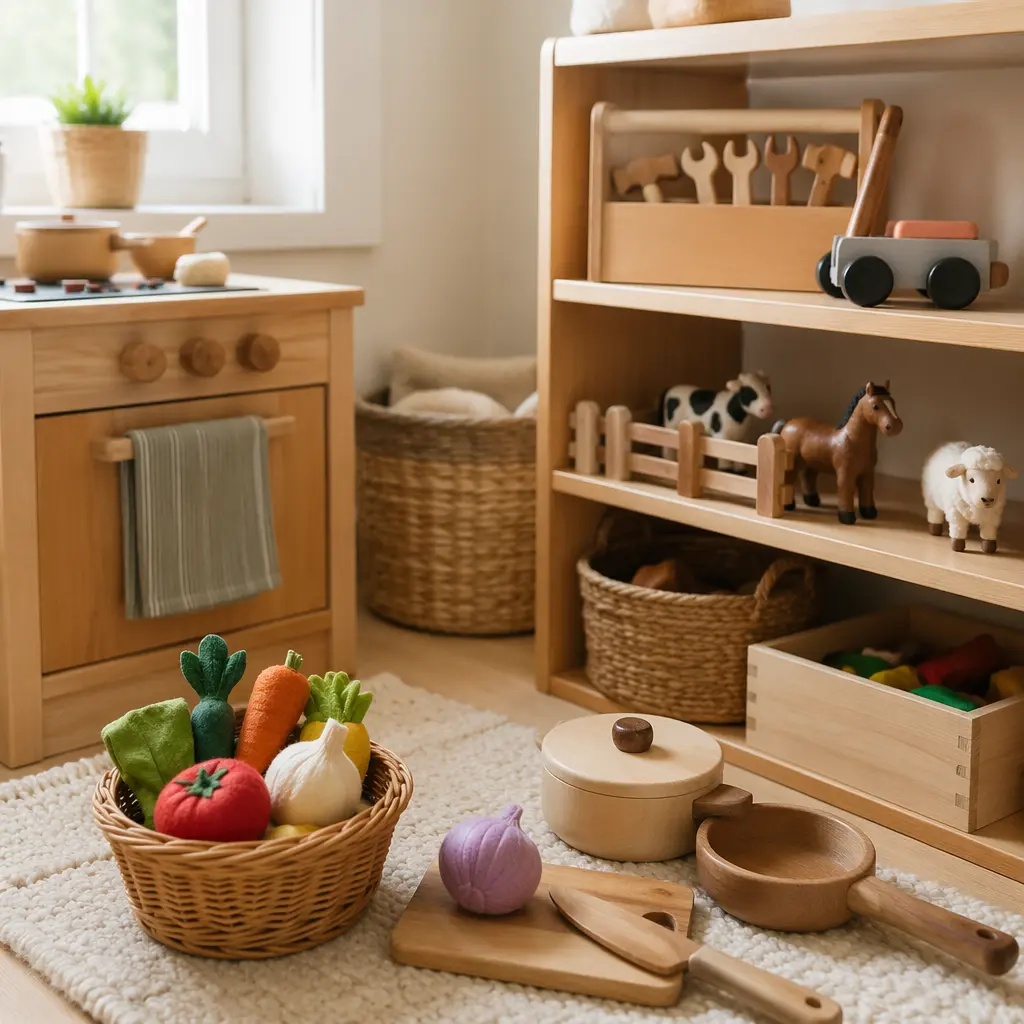
3–5 years
A parent-focused guide to pretend play toys that help ages 3–5 unwind after school, build independence, and stay engaged without screens.
3–5 years
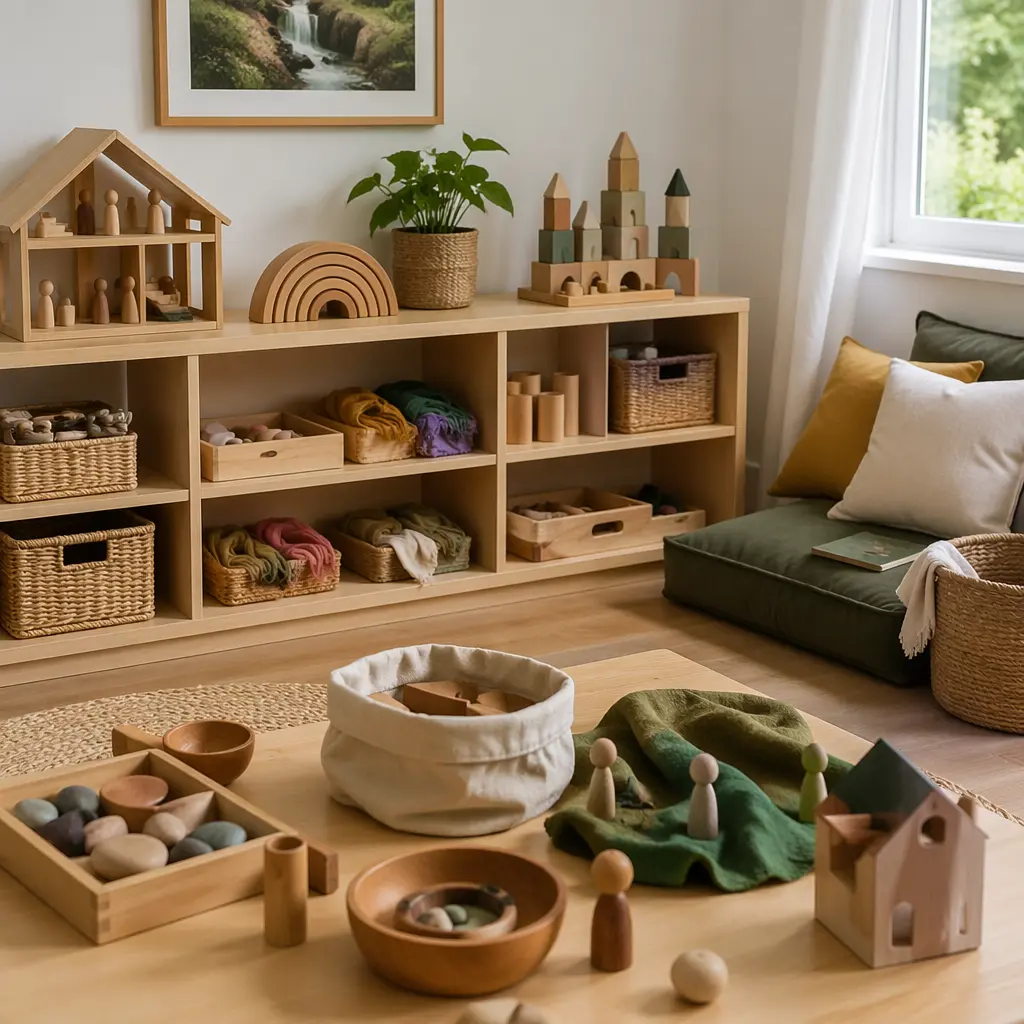
A parent-friendly guide to pretend play sets for ages 3–5 that encourage independent play. Learn what features support easy resets, open-ended stories, and low-maintenance fun.
3–5 years
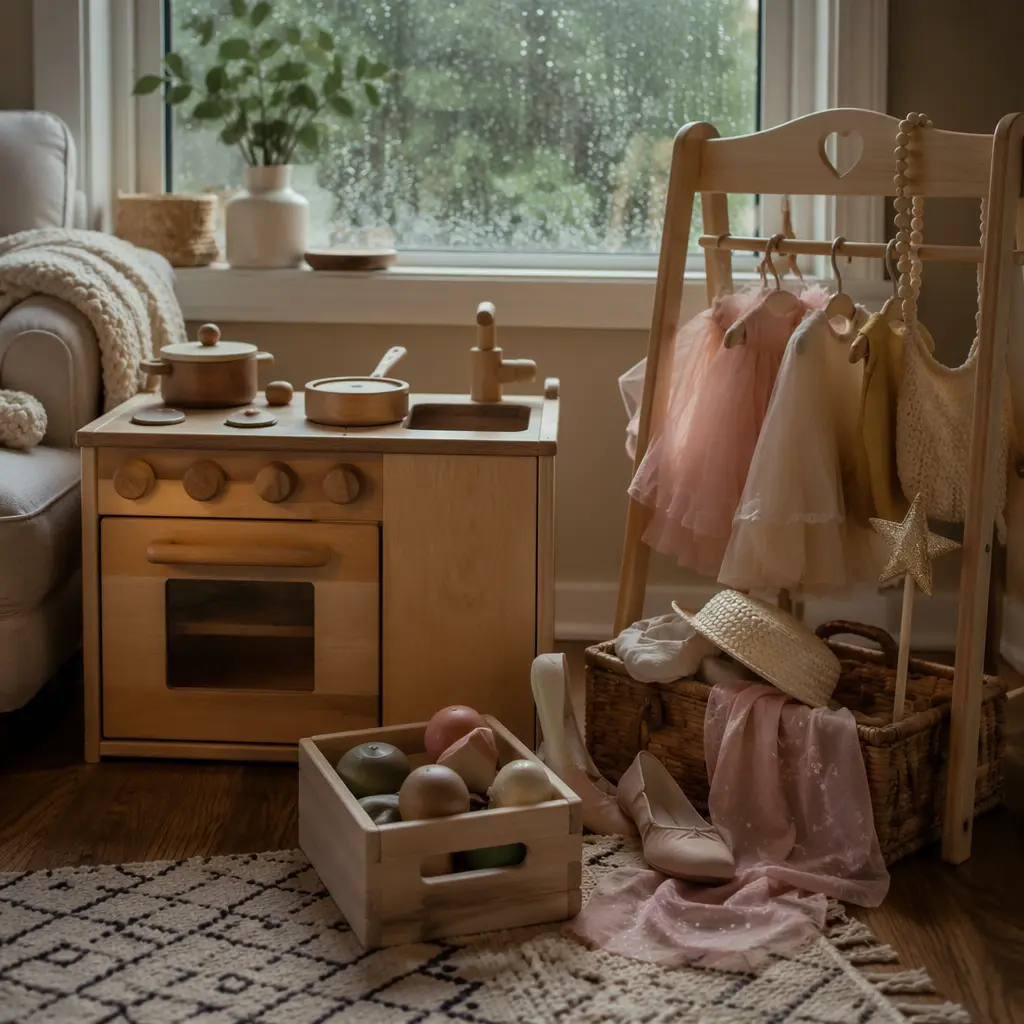
A parent-focused guide to pretend play toys for ages 3–5 that keep kids engaged on rainy days, with tips on what to look for, age fit, safety, and common questions.
3–5 years
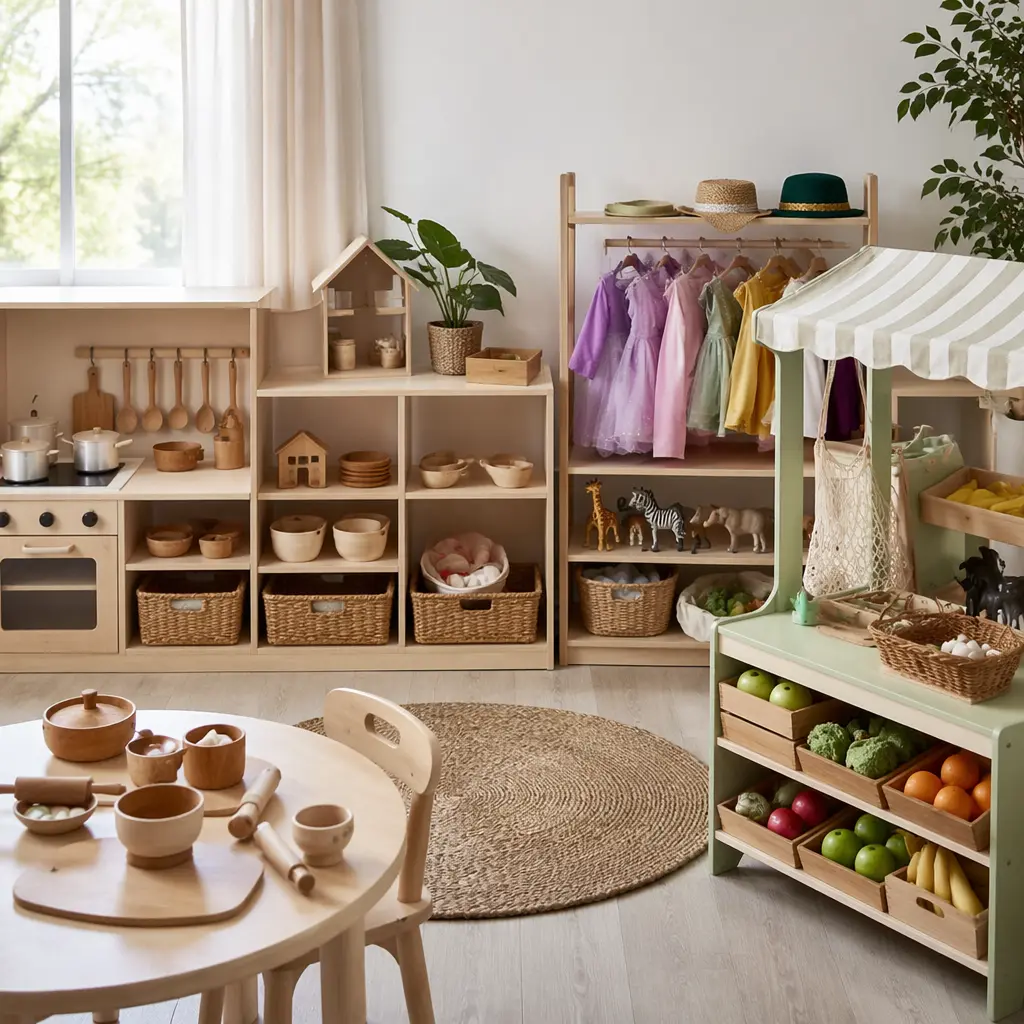
A parent-friendly guide to pretend play sets for ages 3–5 that kids can start, pause, and reset on their own—supporting independence, imagination, and calmer playtime without adult setup.
3–5 years
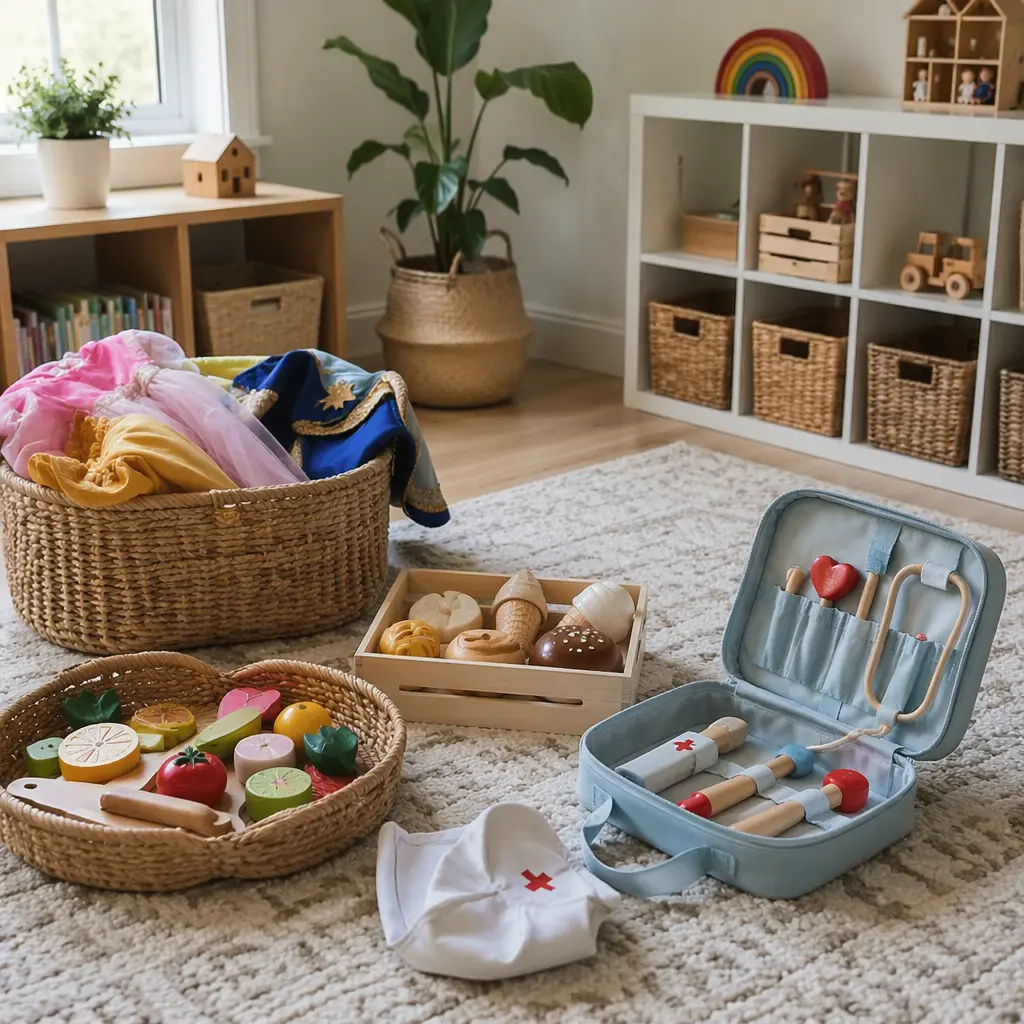
A buyer’s guide to low-effort pretend play toys for ages 3–5. Learn what to look for, age fit, and easy categories kids can start using right away—no tools or assembly required.
3–5 years
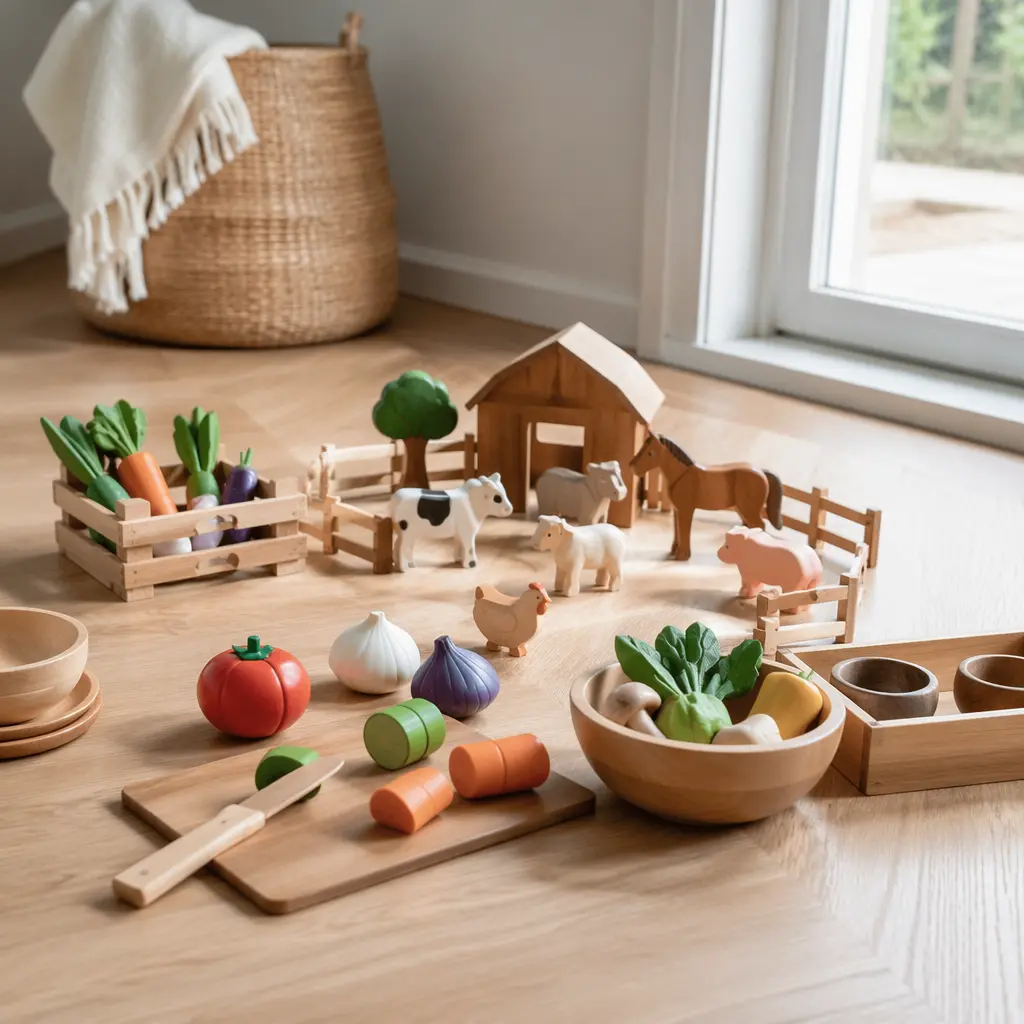
A parent-focused guide to pretend play toys for ages 3–5 that support longer stretches of independent storytelling, with tips on choosing simple sets that spark imagination without constant adult input.
1–2 years
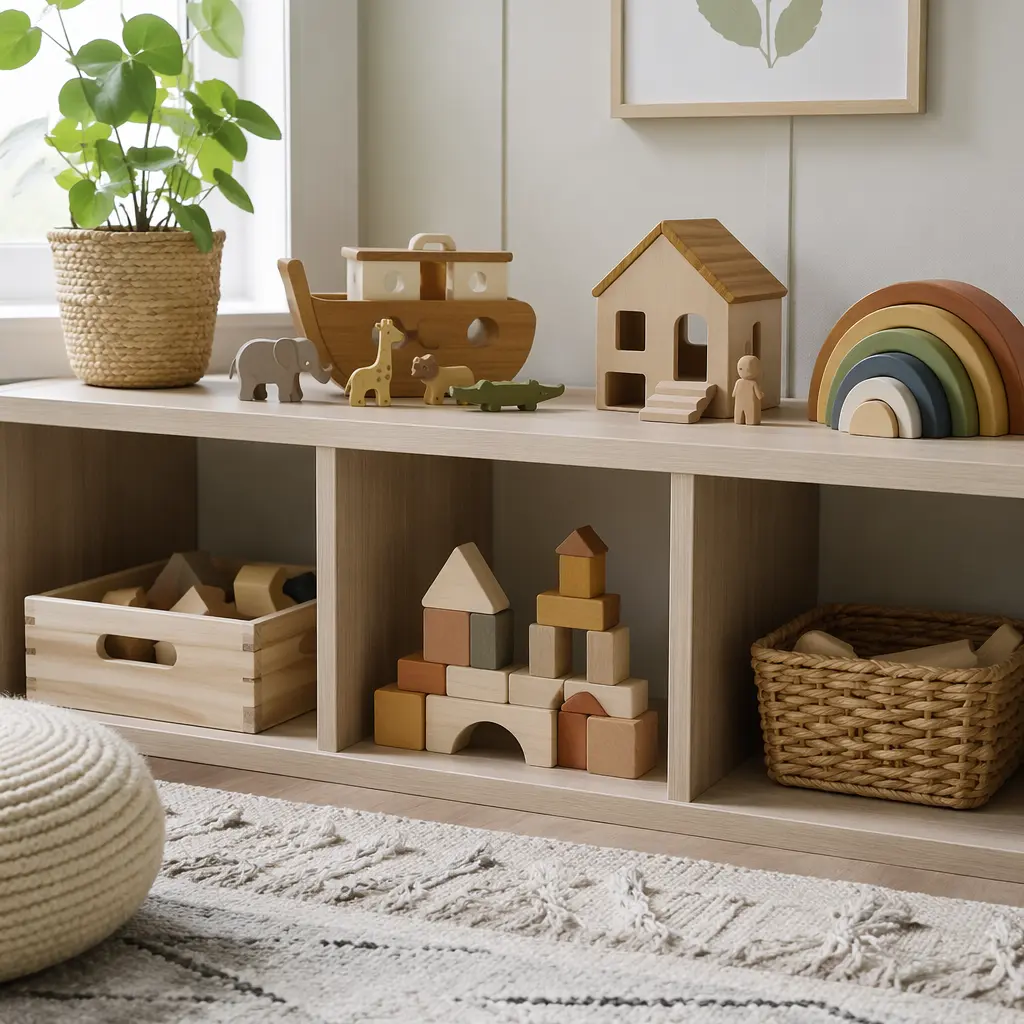
A parent-focused guide to pretend play toys for ages 1–2 that encourage imagination without scripts, screens, or adult help. Learn what to look for, age fit, and safe, open-ended categories.
6–8 years
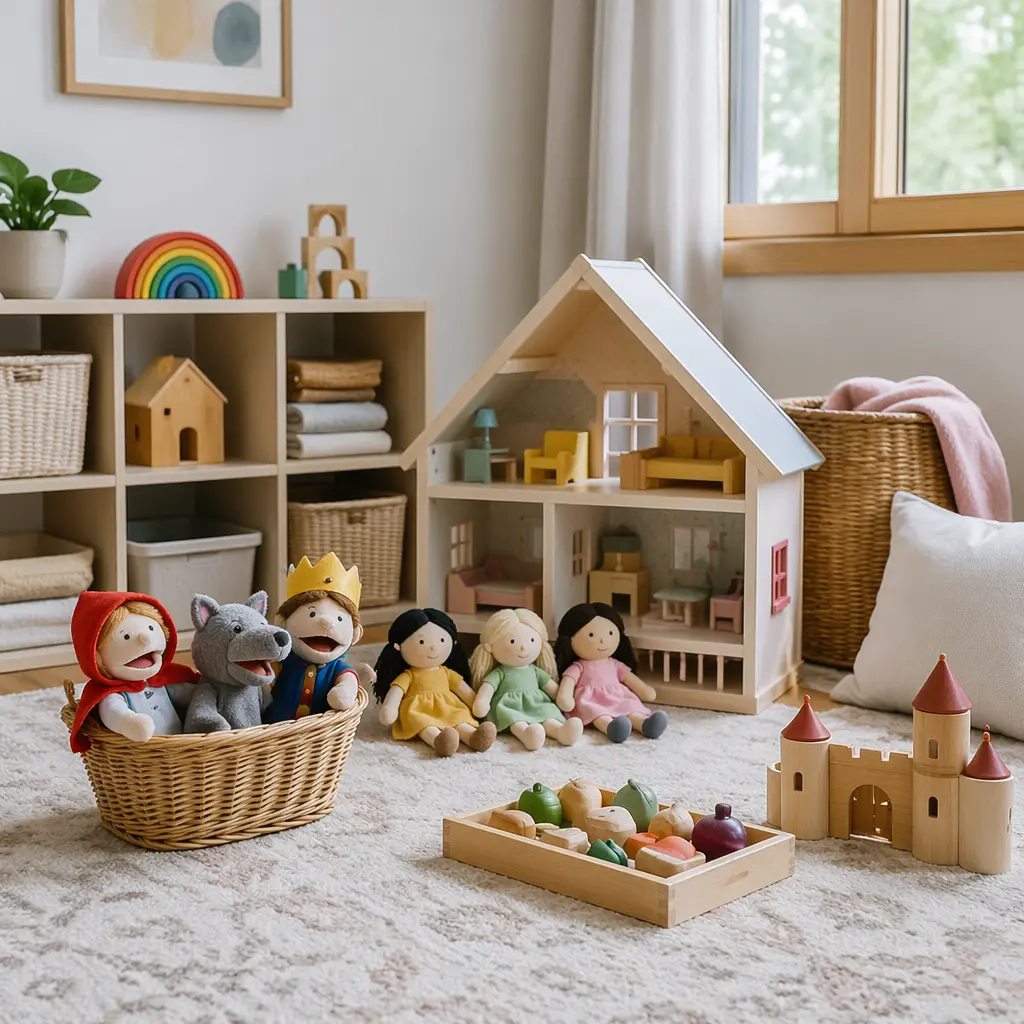
A parent-friendly guide to pretend play toys that support emotional expression, empathy, and problem-solving for kids ages 6–8.
1–2 years
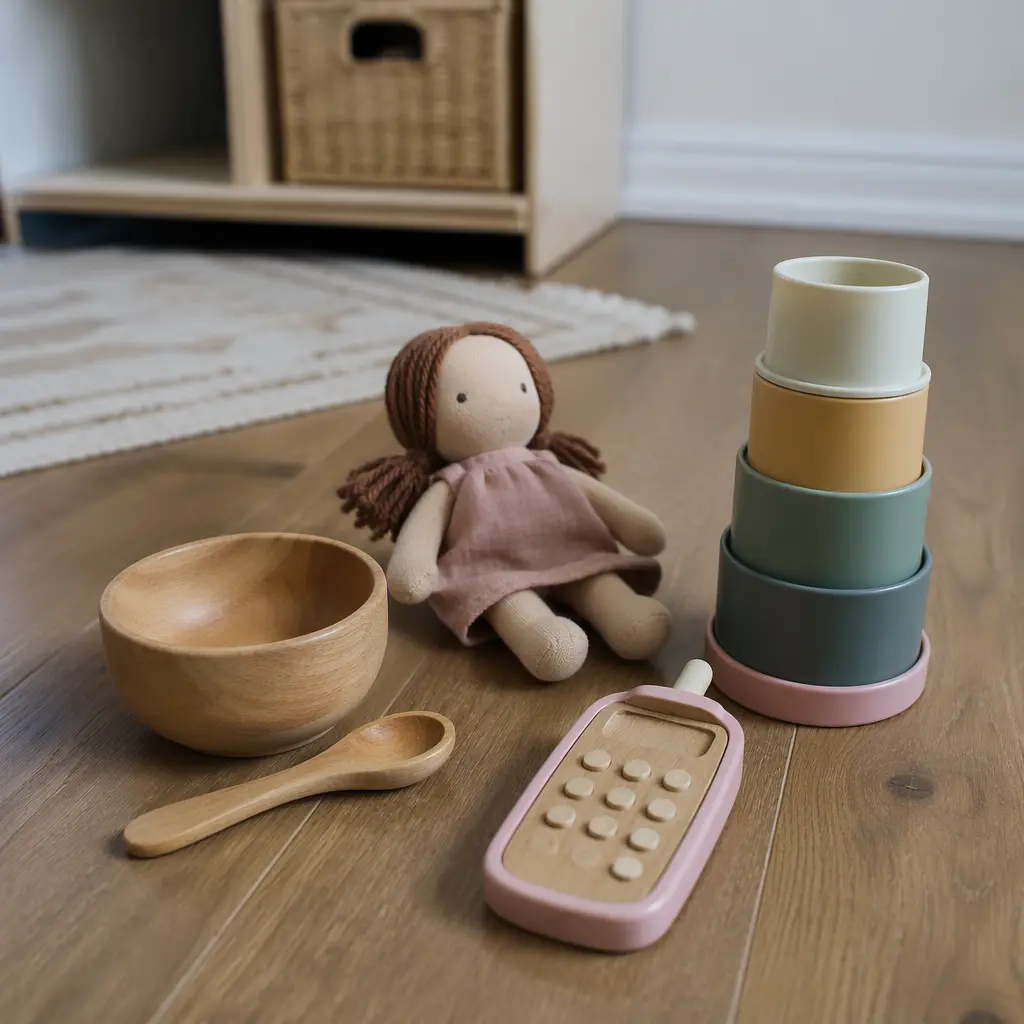
A buyer-friendly guide to low-cost, no-battery pretend play toys for ages 1–2. Learn what to look for, age fit, and simple categories that blend naturally into everyday toddler routines.
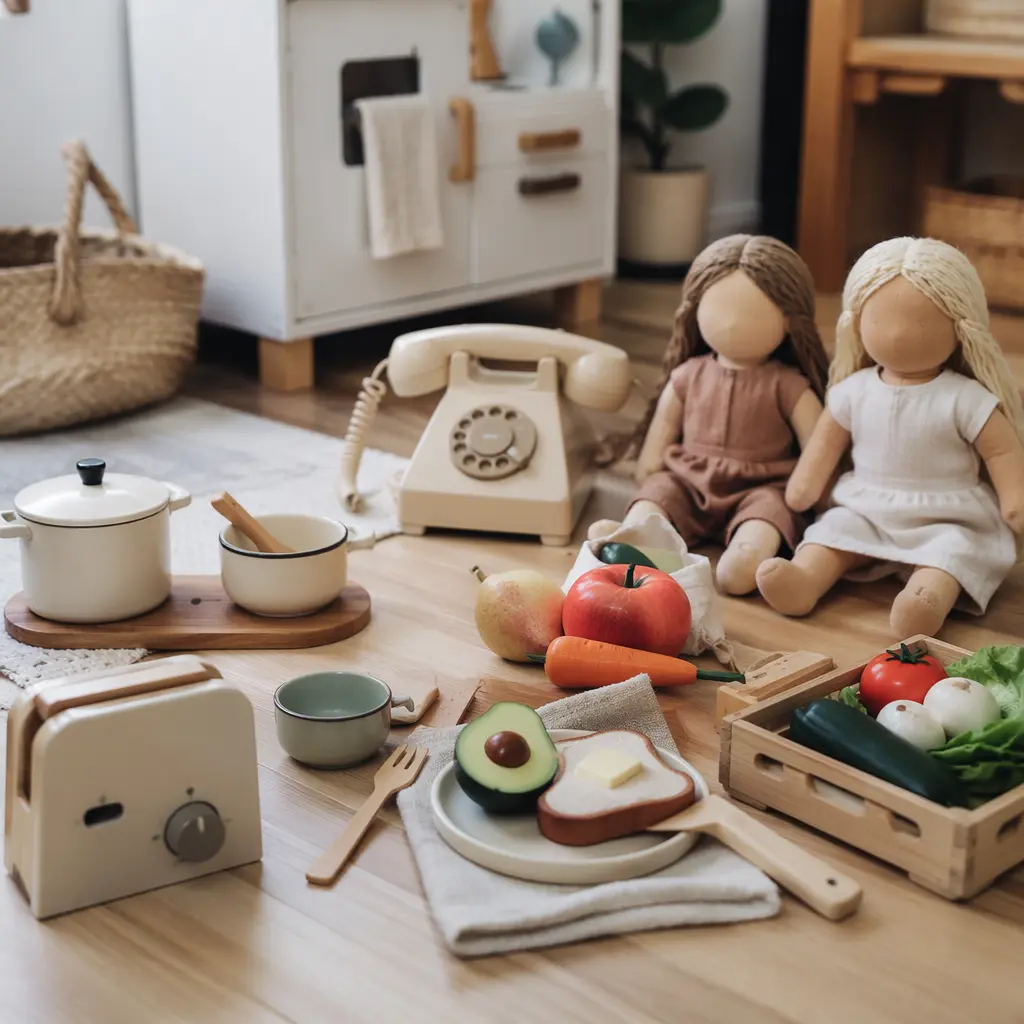
3–5 years
A buyer-friendly guide to low-cost pretend play toys that fit daily routines. Learn what to look for, age suitability, and classic categories that spark imagination for ages 3–5.
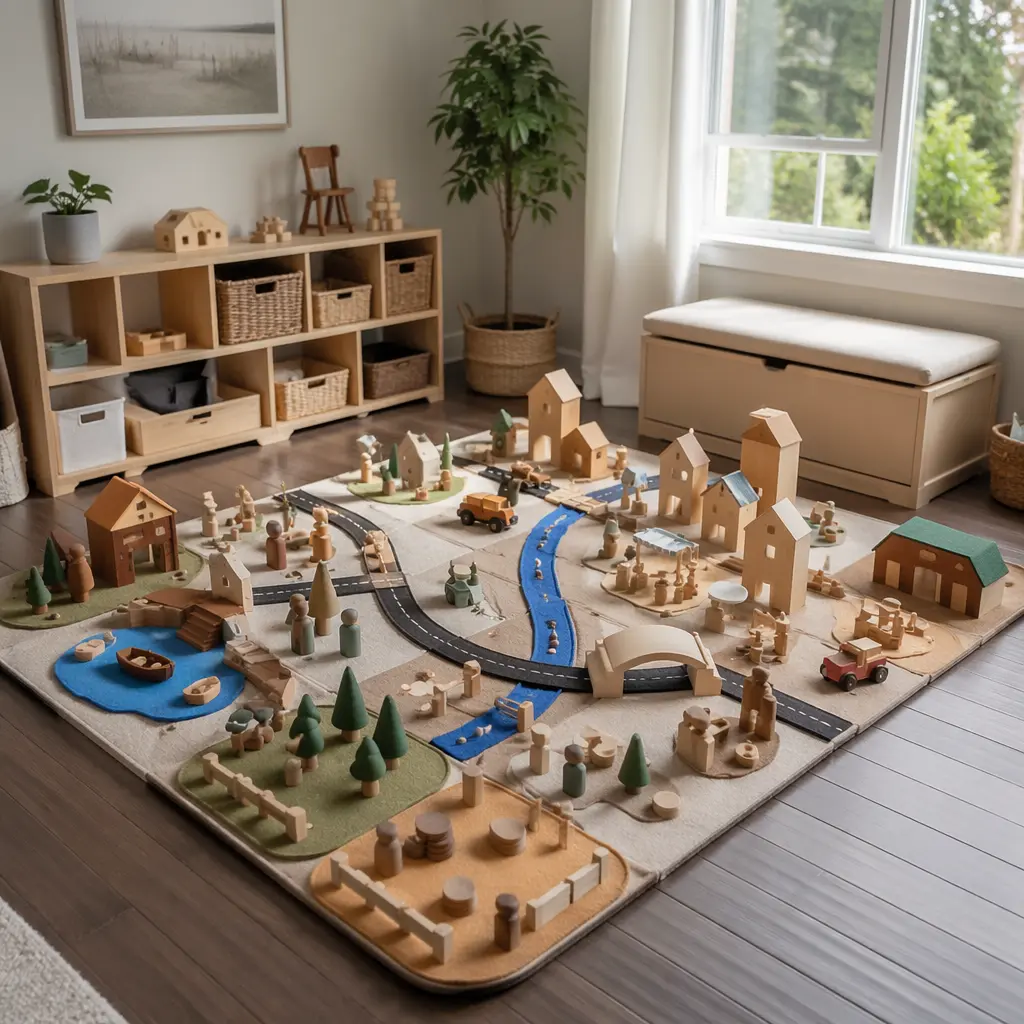
6–8 years
A parent-focused guide to pretend play toys that help 6–8-year-olds collaborate, negotiate roles, and play together—ideal for siblings and small groups.
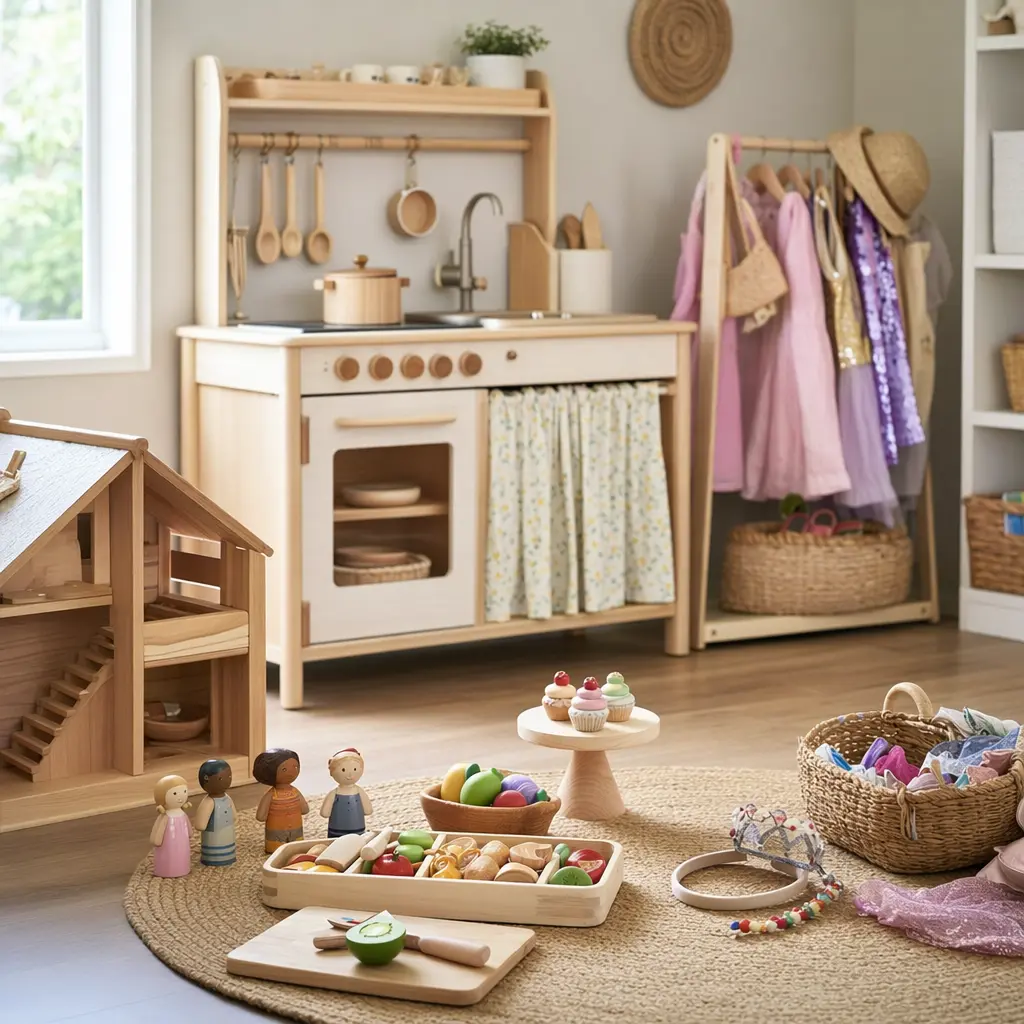
3–5 years
A parent-friendly guide to pretend play sets that adapt from preschool to early elementary. Learn what features help toys stay engaging, age-appropriate, and flexible as kids grow.
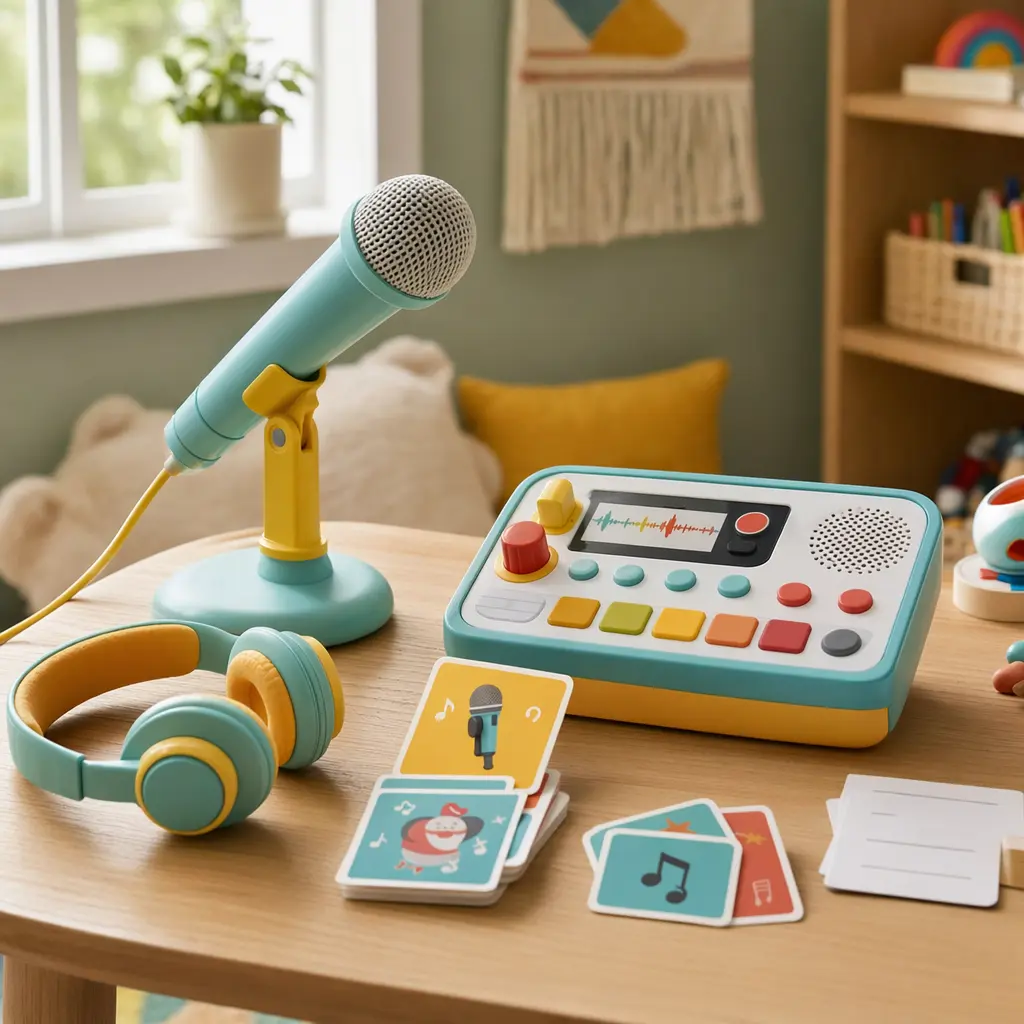
3–5 years
A parent-friendly guide to voice-recording pretend play toys for ages 3–5, focusing on screen-free storytelling, age fit, safety, and the types that best spark imagination.

3–5 years
A parent-friendly guide to pretend play toys that help preschoolers practice empathy, sharing, and communication through role-play. Learn what to look for, age fit, and safety tips.