CAT Construction Toys: Why Kids Still Love Working Machines
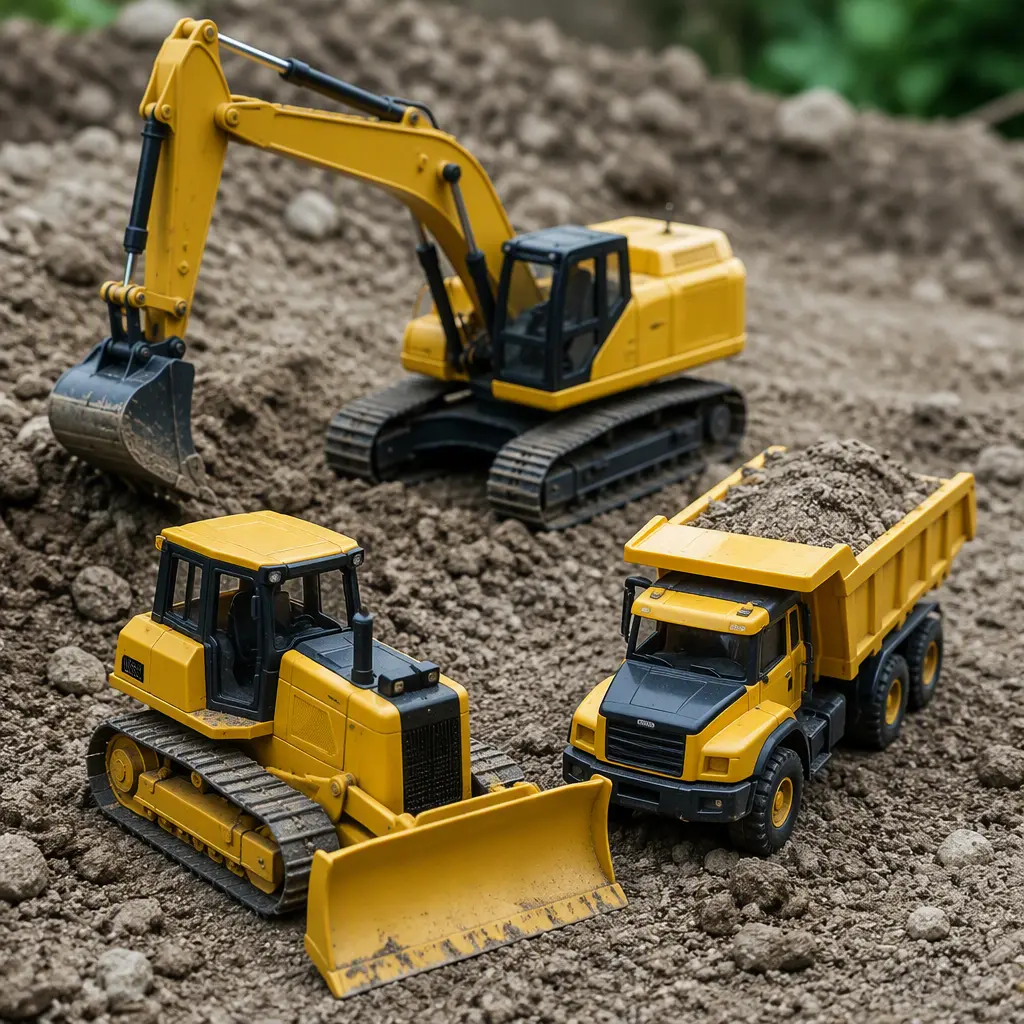
CAT construction toys turned bulldozers, dump trucks, and excavators into durable playroom staples by mirroring real job-site machines that children already see in everyday life.
Compare prices and availability
Check current prices and availability for this guide on eBay.
As an eBay Partner, we may be compensated if you make a purchase.
Few toy categories connect so directly to the real world as construction vehicles. Children see excavators digging foundations, loaders clearing snow, and dump trucks hauling gravel long before they understand how the machines work. CAT construction toys built their appeal around that instant recognition. Instead of fantasy themes or cartoon styling, these toys focused on realistic shapes, moving parts, and the satisfaction of pretending to do practical work. That approach helped them stay relevant across decades of changing toy trends, especially for children fascinated by machines, building sites, and big equipment.
Where it came from
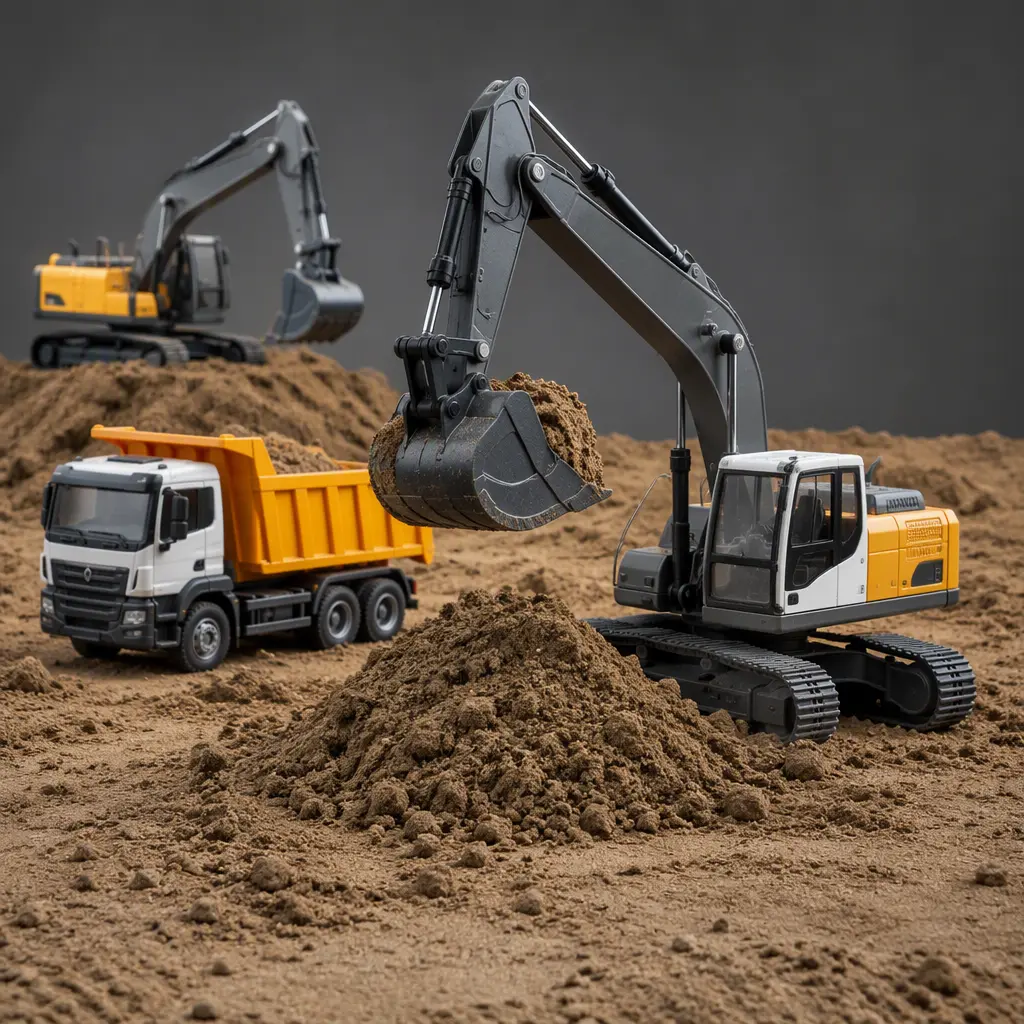
Licensed CAT construction toys became widely established during the early 1990s, building on the global visibility of Caterpillar construction equipment. By the time toy versions arrived in major stores, real CAT machines were already familiar sights on roads, farms, and construction sites around the world. The toys translated those industrial designs into child-friendly forms while keeping recognizable proportions, mechanical movements, and bright construction-site colors.
The original appeal was straightforward: these were toys based on machines that actually existed and performed visible jobs. Many children first encountered construction toys while watching road crews or building projects in their own neighborhoods. Toy companies recognized that connection and leaned into realism rather than fantasy. Buckets scooped, dump beds tilted, cranes rotated, and tracks rolled across dirt or carpet. The experience mirrored real-world activity closely enough to feel meaningful while remaining simple enough for open-ended play.
Why it works
Construction toys succeed because they combine movement, imagination, and cause-and-effect play. A child can immediately understand the purpose of a bulldozer blade or excavator arm, which creates satisfying play patterns without requiring complicated rules. Scooping sand, carrying blocks, or clearing a pretend worksite gives children a sense of process and accomplishment. The machines also encourage cooperative play, with different vehicles taking on different jobs during a larger pretend construction project.
The best-known CAT construction toys balanced durability with believable detail. Chunkier preschool versions focused on large moving parts and rugged plastic construction, while older-child and collector-oriented models often emphasized scale accuracy, articulated joints, and realistic tires or tracks. Across age groups, the central idea stayed consistent: the toy should behave enough like a real machine to make the play feel authentic.
- Working scoops, buckets, dump beds, and articulated arms
- Large rolling wheels or textured tracks for indoor and outdoor play
- Realistic industrial color schemes inspired by construction equipment
- Open-ended play that pairs easily with sand, blocks, or dirt
- Toy lines available for both preschoolers and older collectors
Who it's for
CAT construction toys span a wide age range because the core concept scales easily. Preschoolers tend to gravitate toward oversized vehicles with simple moving parts and sturdy construction. Elementary-age children often enjoy more elaborate pretend building scenarios involving multiple vehicles, roads, and work crews. Adults are part of the audience too. Detailed die-cast construction models have a steady collector community, especially among people interested in engineering, farming, trucking, or heavy equipment. For many families, these toys also carry a nostalgic quality because the basic play pattern has changed very little over the years.
Variants and what to look for today
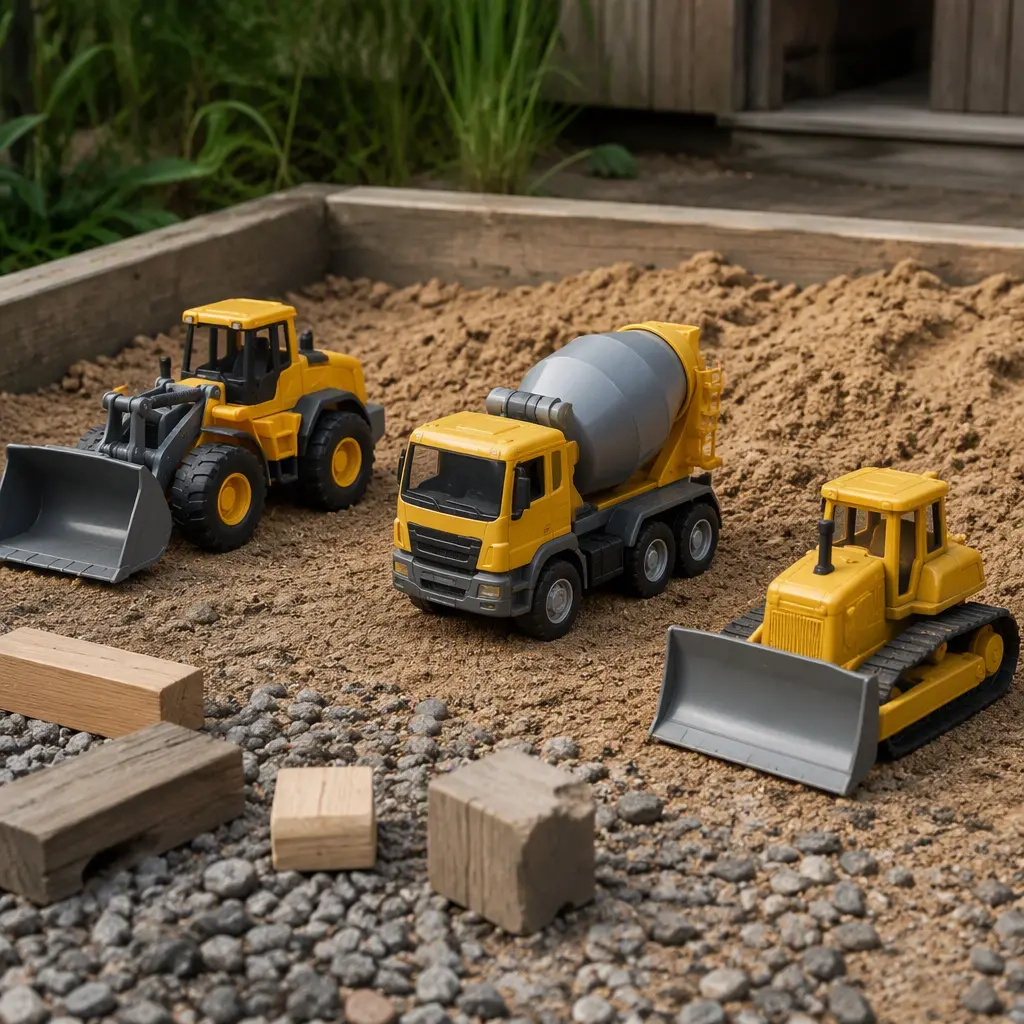
Modern construction toy lines cover everything from toddler-safe push vehicles to highly detailed collector replicas. Some focus on oversized plastic toys designed for outdoor play, while others recreate real equipment in smaller display-oriented scales. Remote-control versions have also become more common, adding motorized digging, lifting, or driving functions for older children and hobbyists.
When shopping today, it helps to think first about how the toy will actually be used. For younger children, durability and easy-to-operate features matter more than fine detail. Older children may appreciate more realistic mechanics or compatibility with play sand and building sets. Collectors often prioritize metal components, articulated parts, and display accuracy.
- Look for sturdy joints and securely attached moving parts
- Outdoor play versions should be easy to rinse clean
- Younger children benefit from larger pieces and simplified controls
- Collector-oriented models may prioritize detail over rugged play
- Generic imitation vehicles can sometimes have weak hinges or brittle plastic
Frequently asked questions
Are CAT construction toys mainly for outdoor play?
Not necessarily. Many children use them indoors with blocks, play mats, or kinetic sand. Larger plastic vehicles are especially popular outdoors, but smaller models work well for tabletop or carpet play too.
Why do realistic vehicle toys stay popular?
Realistic machine toys tap into everyday observation. Children regularly see trucks, road crews, and heavy equipment in real life, which makes the pretend play easy to understand and repeat. The toys also offer visible mechanical action, which keeps play engaging.
Are there construction toys aimed at collectors?
Yes. Some versions focus heavily on accurate proportions, realistic materials, and display-quality detailing. These are often marketed to hobbyists, equipment enthusiasts, and adults who collect transportation or industrial models.
What makes a good construction toy for younger kids?
Simple controls, durable materials, rounded edges, and large moving parts are usually the most important features. Preschool-friendly versions should be easy to push, scoop, dump, and clean without delicate components.
CAT construction toys endured because they connect play to something tangible and useful. While many toy trends depend on characters or media tie-ins, construction vehicles continue to appeal through recognizable action and hands-on interaction. A dump truck still dumps, an excavator still digs, and a bulldozer still clears a path. That straightforward realism has kept construction toys familiar to one generation after another.