Pretend Play Toys That Encourage Cooperative Play (Ages 6–8)
A parent-focused guide to pretend play toys that help 6–8-year-olds collaborate, negotiate roles, and play together—ideal for siblings and small groups.
Compare prices and availability
Check current prices and availability for this guide on eBay.
As an eBay Partner, we may be compensated if you make a purchase.
Between ages 6 and 8, pretend play becomes less about acting out a single script and more about building shared stories. Kids in this stage often want to play with siblings or friends, negotiate roles, and keep a game going over time. The right pretend play toys can support this by making cooperation necessary, rewarding teamwork, and leaving space for imagination instead of dictating every move.
What to look for
When shopping for pretend play toys meant for group use, the goal is to avoid toys that funnel children into one role or one correct outcome. Cooperative play works best when toys encourage communication, shared problem-solving, and flexibility.
- Multiple roles built into the set so more than one child has something meaningful to do
- Open-ended pieces that can be used in different ways rather than a fixed sequence
- Enough components to reduce waiting or turn-taking frustration
- Themes that reflect everyday social situations, not just fantasy combat or competition
- Durable construction that holds up to several children playing at once
Age suitability
Children ages 6–8 are typically developing stronger language skills, longer attention spans, and a growing ability to see other perspectives. Pretend play toys for this age band should assume kids can manage rules together, adapt stories on the fly, and handle light negotiation. Toys that are too simple may lead to boredom, while overly complex sets can overwhelm group play. Look for designs that scale well—simple enough to start quickly, but rich enough to support longer, evolving play sessions.
Standout categories or types
Some pretend play categories are especially strong at encouraging cooperation because they mirror real-world group dynamics. These sets often include complementary roles, shared goals, and ongoing scenarios that benefit from more than one participant.
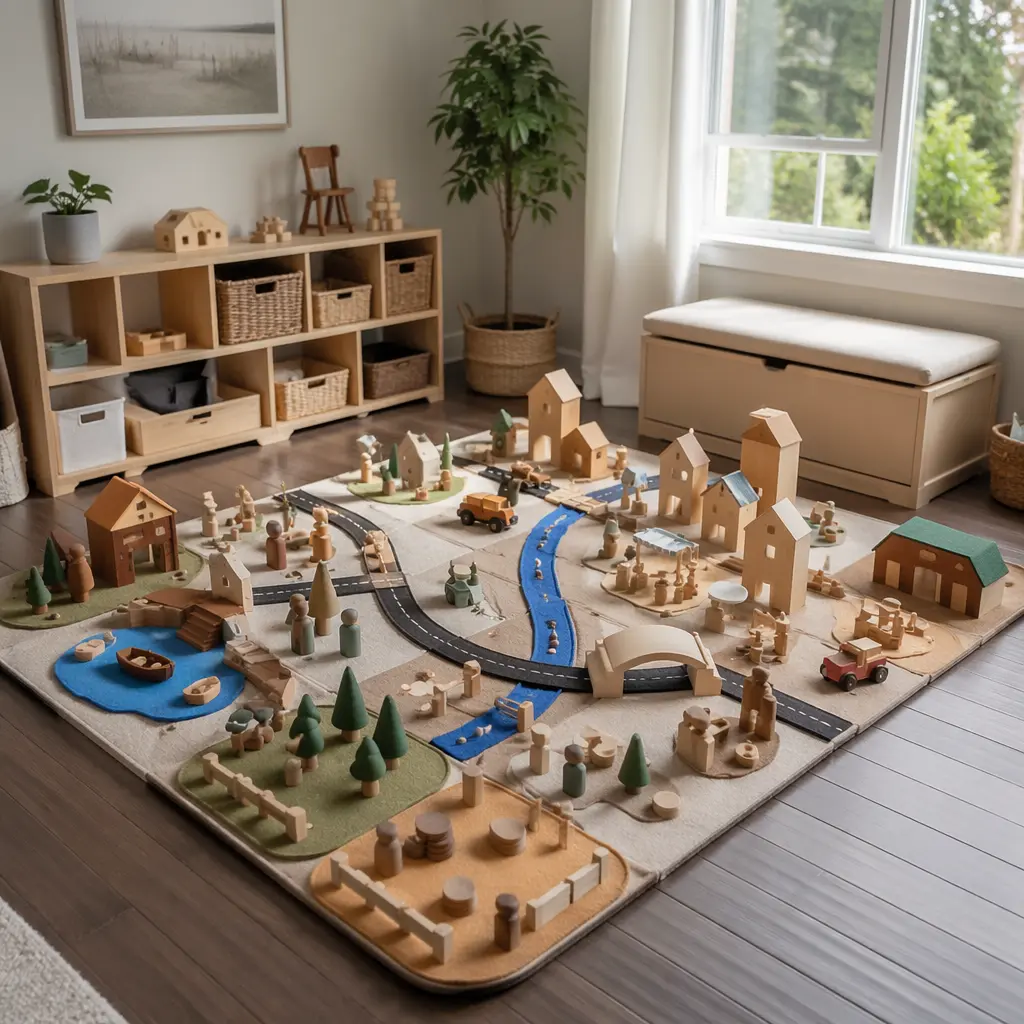
- Community or town-style playsets that include places, vehicles, and roles that interact
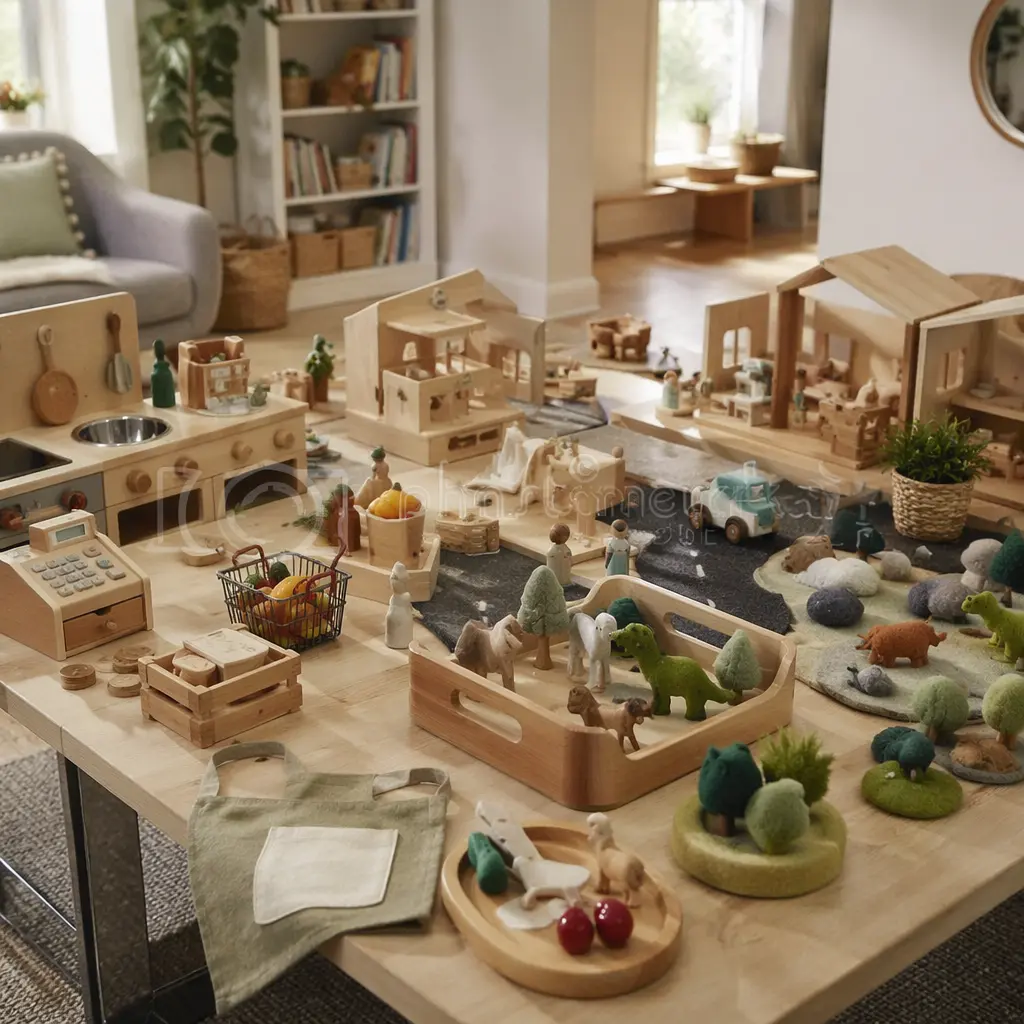
- Role-play environments like schools, clinics, or restaurants where tasks are shared
- Build-and-play hybrids where children construct the setting together before playing
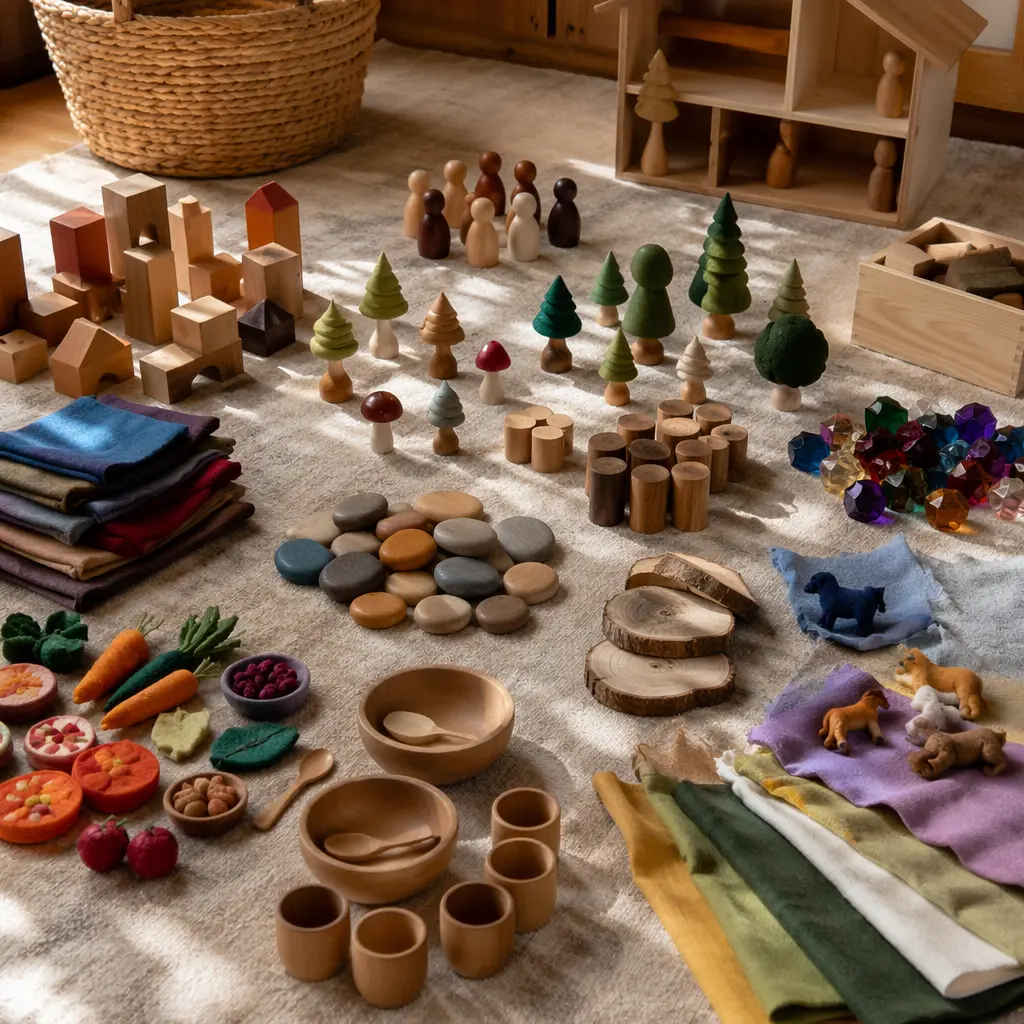
- Storytelling kits with prompts, figures, and props designed for group narratives
- Large-scale pretend environments that can be expanded over time
These categories tend to keep children engaged longer because no single child controls the entire story. Instead, the play depends on cooperation, conversation, and compromise—skills that are still developing but highly active at this age.
Frequently asked questions
Why is cooperative pretend play important for ages 6–8?
At this stage, kids are learning how to collaborate, manage disagreements, and stay engaged in group activities. Cooperative pretend play gives them a low-stakes way to practice these skills while still having fun.
Are these toys suitable for solo play too?
Many cooperative pretend play toys can still be used alone, but they shine most when at least two children are involved. Solo play may look more like setup or exploration rather than sustained storytelling.
How many children can play at once?
This depends on the size of the set and the number of roles it supports. Well-designed cooperative toys usually work best with two to four children, allowing everyone to stay involved without overcrowding.
What if kids argue over roles?
Some role negotiation is normal and even healthy. Toys with interchangeable roles or rotating responsibilities tend to reduce conflict and help children practice compromise.
Pretend play toys that encourage cooperation can be a smart choice for families with siblings or regular playdates. By focusing on shared stories instead of solo scripts, these toys support social growth while still leaving plenty of room for imagination and fun.