Best Puzzle Toys for Kids Who Love Sorting and Matching
A parent-friendly guide to sorting and matching puzzle toys for ages 3–5, focusing on patterns, categorization, durability, and safety to help detail-oriented kids stay engaged and learn through play.
Compare prices and availability
Check current prices and availability for this guide on eBay.
As an eBay Partner, we may be compensated if you make a purchase.
Some kids are naturally drawn to order. They like lining things up, grouping similar items, and noticing small differences others miss. For these detail-oriented children, sorting and matching puzzle toys can be especially satisfying. For ages 3–5, the right puzzles support early math and logic skills while also building patience, focus, and confidence through hands-on play.
What to look for
Sorting and matching puzzles vary widely in complexity, materials, and learning goals. For preschoolers, the best options balance challenge with clarity, allowing kids to understand the task quickly and stay engaged without frustration.
- Clear sorting rules: Pieces should obviously belong to a category, such as by color, shape, size, or pattern.
- Sturdy materials: Thick cardboard, wood, or durable plastic holds up better to frequent handling.
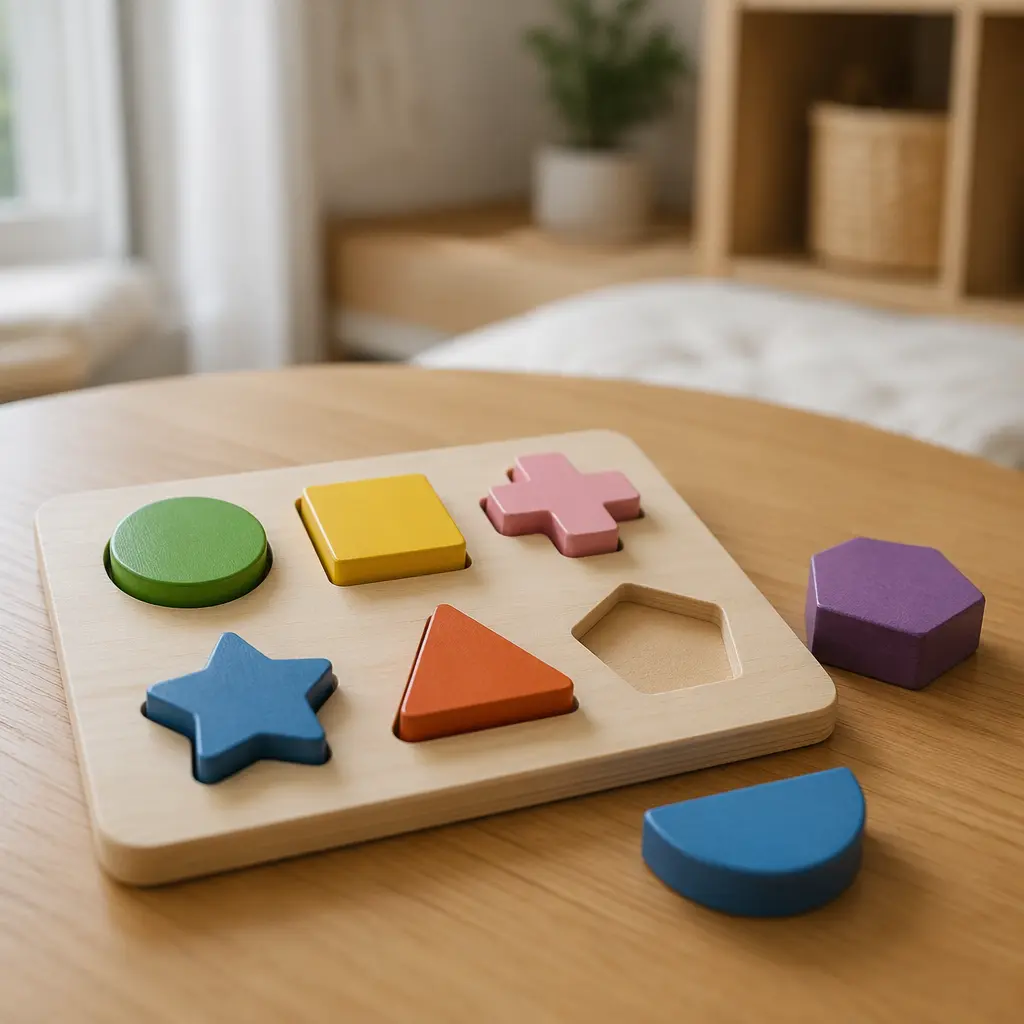
- Self-correcting design: Puzzles that only fit together one way help kids check their own work without adult input.
- Manageable piece count: Too many pieces can overwhelm younger kids; too few may not hold attention.
- Safe finishes and sizes: Smooth edges and pieces large enough to avoid choking hazards are essential.
Age suitability
For children ages 3–5, sorting and matching puzzles should align with developing fine motor skills and early cognitive abilities. Younger preschoolers often do best with simple matching—such as identical pictures or basic shapes—while older preschoolers may enjoy multi-step sorting by two attributes, like color and size together. Adjustable difficulty, such as removable guide images or expandable sets, can help a puzzle grow with your child over this age range.
Standout categories or types
Sorting and matching puzzles come in several common types, each appealing to slightly different interests and skill levels. Choosing the right category can make a big difference in how often a child returns to the toy.
- Shape and color sorters: Classic puzzles that focus on basic visual differences, ideal for introducing categorization.
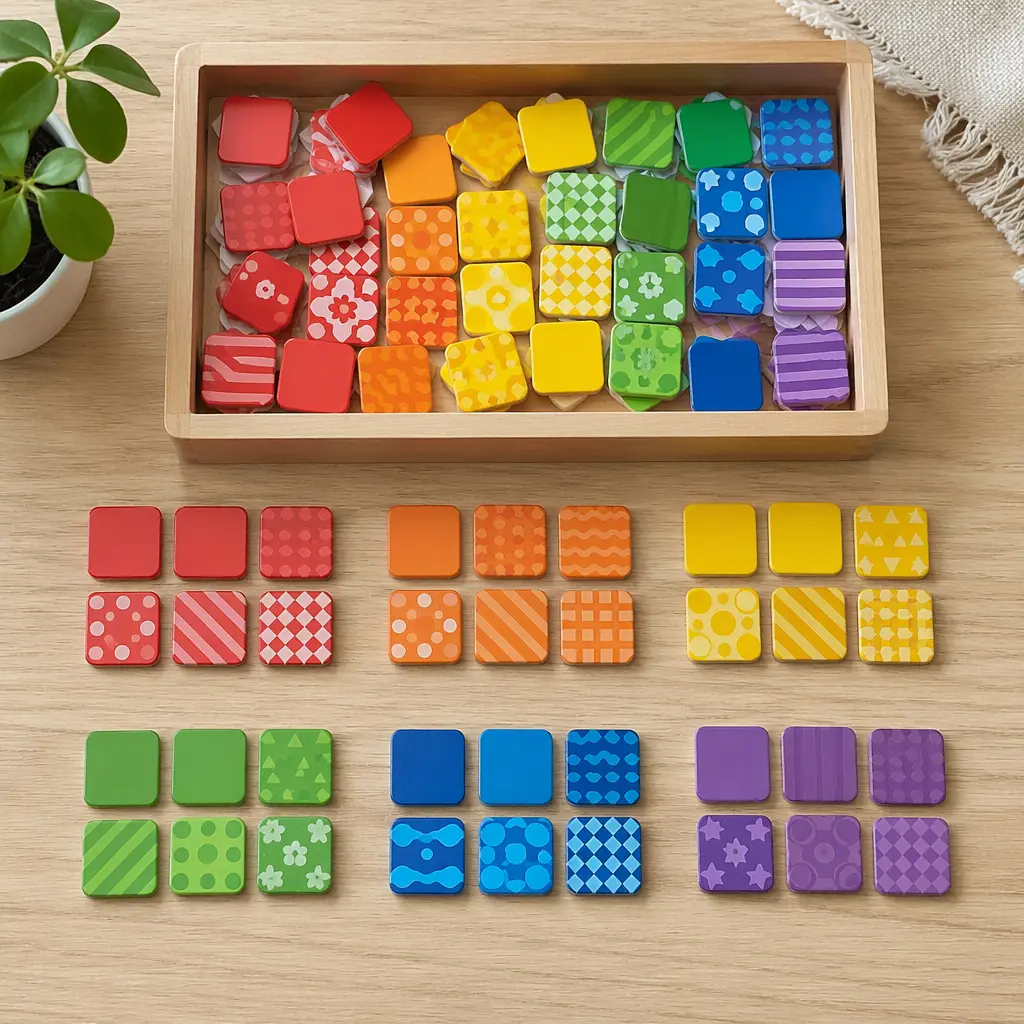
- Pattern-matching boards: These encourage kids to recreate sequences or designs, supporting early logic and problem-solving.
- Object classification puzzles: Items are grouped by function or theme, helping build vocabulary and real-world understanding.
- Size and order puzzles: Kids arrange pieces from smallest to largest or shortest to tallest, reinforcing comparison skills.
Frequently asked questions
Why do some kids prefer sorting and matching puzzles?
Many children enjoy predictability and clear rules. Sorting and matching puzzles provide a defined goal and immediate feedback, which can feel calming and rewarding for kids who like structure and detail.
Do these puzzles help with learning, or are they just for fun?
They support several early learning skills, including visual discrimination, early math concepts, fine motor control, and problem-solving. Because the learning happens through play, kids often stay engaged longer.
How challenging should a puzzle be for a 4-year-old?
A good rule is that a child should be able to complete most of the puzzle independently, with occasional effort. If a puzzle causes repeated frustration or is finished instantly every time, it may be the wrong level.
Can sorting puzzles be used for cooperative play?
Yes. Many puzzles work well with two or more children, especially those with multiple categories or boards. Cooperative sorting encourages turn-taking, communication, and shared problem-solving.
For kids who love order, patterns, and figuring out where things belong, sorting and matching puzzle toys can be a reliable favorite. By choosing age-appropriate designs with clear categories and durable construction, parents can offer play experiences that feel both satisfying and meaningful, supporting learning while respecting a child’s natural interests.