Quiet Fidget Toys for Classroom and Car Rides
A parent-focused guide to quiet fidget toys for ages 6–8, covering silent sensory play, portability, durability, classroom suitability, and low-mess options for travel.
Compare prices and availability
Check current prices and availability for this guide on eBay.
As an eBay Partner, we may be compensated if you make a purchase.
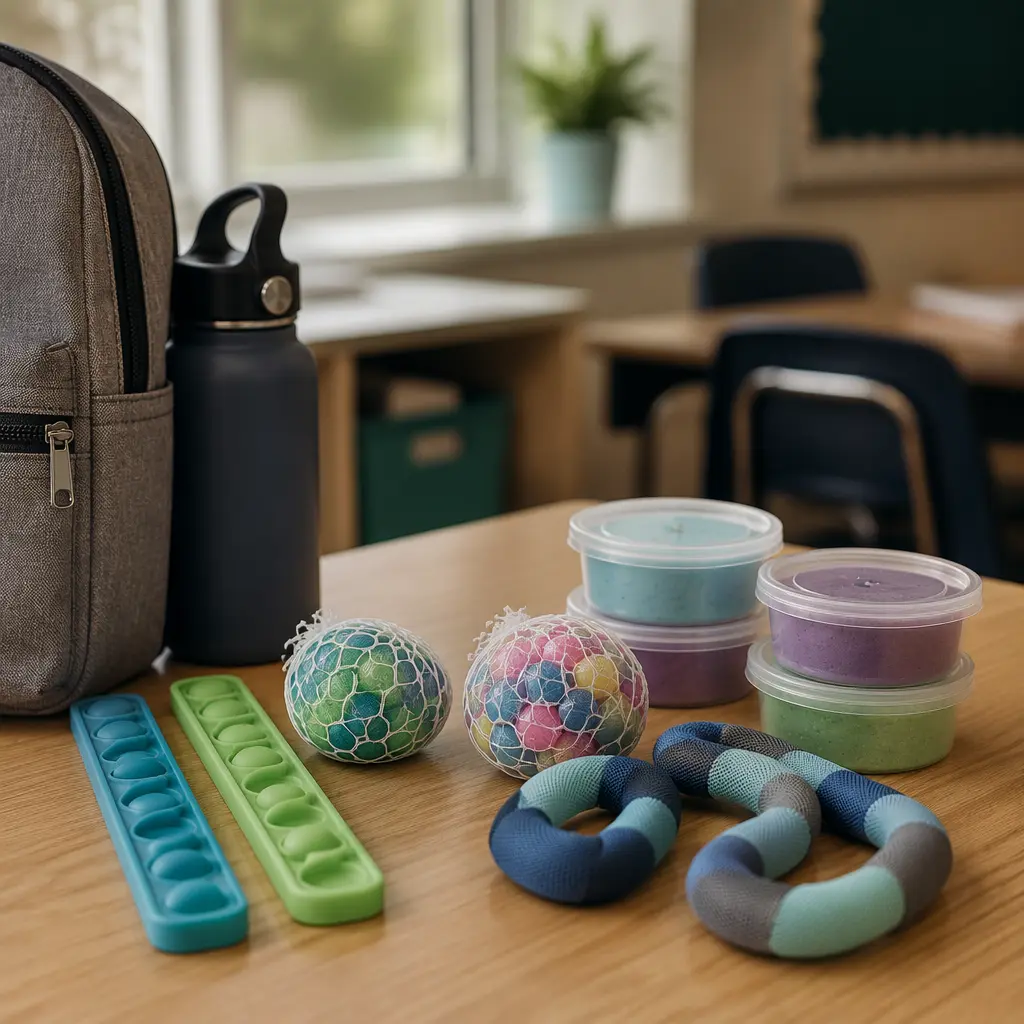
Quiet fidget toys can help some children stay occupied during long car rides, waiting rooms, homework sessions, or classroom activities where movement needs to stay low-key. For ages 6–8, the most useful options tend to focus on texture, gentle resistance, squeezing, or repetitive hand motion rather than sound effects, flashing lights, or complicated tricks. Parents and teachers often look for toys that are genuinely silent, easy to carry, and durable enough to survive backpacks and travel bags. The challenge is finding sensory play that holds attention without becoming distracting to nearby children or creating extra cleanup.
What to look for
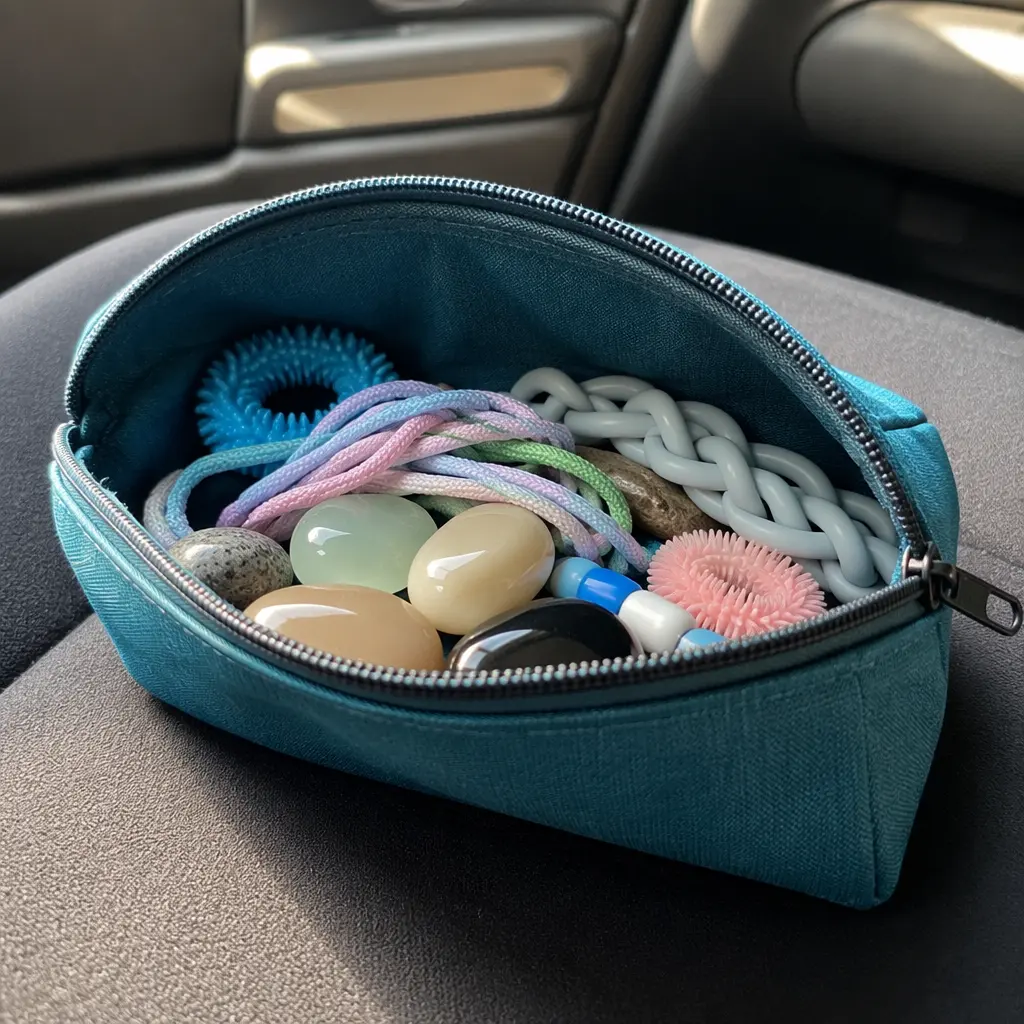
The best quiet fidget toys for this age group are simple enough to use without instructions and calm enough for shared spaces. Many popular fidgets marketed online rely on clicking, snapping, spinning, or electronic features that quickly become noisy in classrooms or confined car spaces. Softer tactile toys usually work better for repeated use because they are less disruptive and easier to pack away. Materials matter too. Silicone, fabric, foam, and smooth rubber textures tend to stay quieter than hard plastic pieces that tap desks or fall onto floors.
- Choose soft or flexible materials that will not click against desks, trays, or windows
- Look for pocket-size toys that fit easily into backpacks or travel pouches
- Avoid toys with loose parts that can roll under car seats or become classroom distractions
- Consider washable surfaces for travel use and shared spaces
- Pick options with steady resistance or texture rather than flashing lights or sound effects
- Check whether the toy encourages calm hand movement instead of energetic tossing or spinning
- Think about storage since small sensory toys are easy to lose
Age suitability
Children between 6 and 8 years old are usually ready for more controlled sensory play than younger children, but preferences still vary widely. Some children enjoy repetitive squeezing or stretching, while others prefer rubbing textures or manipulating small shapes. At this age, quiet fidgets are often most successful when they support concentration rather than compete for attention. Simple putty, soft tangles, marble mesh toys, textured sensory strips, and compact kneadable toys can suit children who like subtle movement during reading or travel. Highly stimulating novelty fidgets may feel exciting at first but can lose appeal quickly or become distracting in group settings.
Options compared
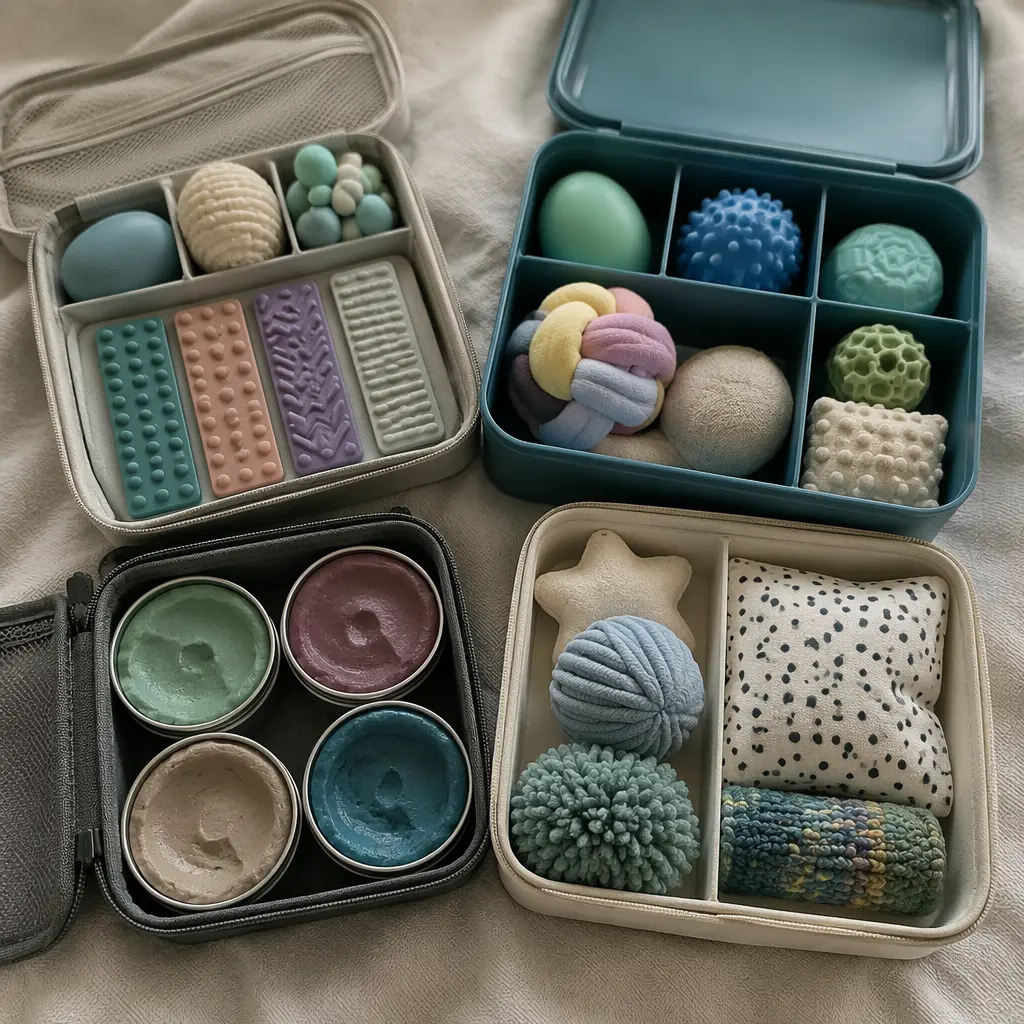
Textured sensory strips are among the quietest options available. These adhesive or handheld textured pieces are useful for children who like rubbing surfaces repeatedly while listening or reading. They create almost no noise and take up very little space, making them practical for classrooms, airplanes, and car rides. They are less suitable for children who prefer active squeezing or stronger sensory feedback.
Marble mesh toys and soft tangles provide gentle repetitive movement without loud clicking. They work well for children who benefit from hand motion but do not need intense resistance. Because they are lightweight and portable, they fit easily into pencil cases or seat-back pockets. Some children lose interest quickly if the movement feels too repetitive.
Therapy putty and kneadable sensory dough can hold attention for longer stretches during travel or homework time. They offer resistance and texture variation while staying mostly silent. The trade-off is mess potential. Some putties pick up lint, stick to fabric, or dry out if not stored properly. Parents may prefer these for home or supervised car use rather than classrooms with shared desks and paper materials.
- Textured strips: extremely quiet, compact, low distraction, best for subtle sensory input
- Soft tangles and twist toys: portable and reusable, good for repetitive hand movement, may still distract some children visually
- Marble mesh toys: simple and calming, easy to carry, limited sensory variety
- Therapy putty: longer engagement and stronger sensory feedback, but higher cleanup and storage needs
- Stress balls and foam squeezes: quiet and durable when soft, but larger sizes can be bulky for school bags
- Fabric or plush sensory toys: soft and calming for travel, easier to cuddle during long rides, but harder to clean
Frequently asked questions
Are fidget toys allowed in classrooms?
Classroom policies vary. Some teachers allow quiet sensory tools if they help children focus and stay seated, while others limit them because they can distract nearby students. Smaller silent options that stay in a child's hands are usually more acceptable than toys that spin, click, or bounce.
Which fidget toys are genuinely quiet?
Soft silicone squeezes, textured sensory strips, therapy putty, marble mesh toys, and fabric-based tactile toys are typically among the quietest choices. Hard plastic clickers, magnetic sliders, and spinner-style toys tend to create more noticeable noise.
What works best for long car rides?
For travel, compact toys with no loose parts are usually easiest to manage. Putty containers, sensory strings, soft tangles, and textured handheld toys travel well and are less likely to disappear under seats. Bringing two or three different textures can help maintain interest during longer trips.
Do quiet fidget toys help with concentration?
Some children find repetitive sensory movement calming or grounding during focused activities. Others become more distracted by having an object in hand. A simple, low-stimulation toy is usually easier to evaluate than a highly interactive novelty item.
How can parents avoid clutter from small fidgets?
Using a dedicated zip pouch or small divided container can prevent toys from spreading across bags, bedrooms, and cars. Rotating a few toys at a time also reduces clutter while helping the items stay interesting for longer.
Quiet fidget toys work best when they match a child's sensory preferences and the setting where they will be used. For classrooms and travel, compact tactile toys with minimal noise and easy cleanup tend to be the most practical choice. Parents balancing focus, portability, durability, and storage often find that simple sensory tools outperform trend-driven novelty fidgets in everyday use.