Calm Puzzle Toys for Kids Who Need to Wind Down After School
A parent-friendly guide to soothing, low-frustration puzzle toys that help kids ages 6–8 decompress after school with quiet focus, gentle challenge, and independent play.
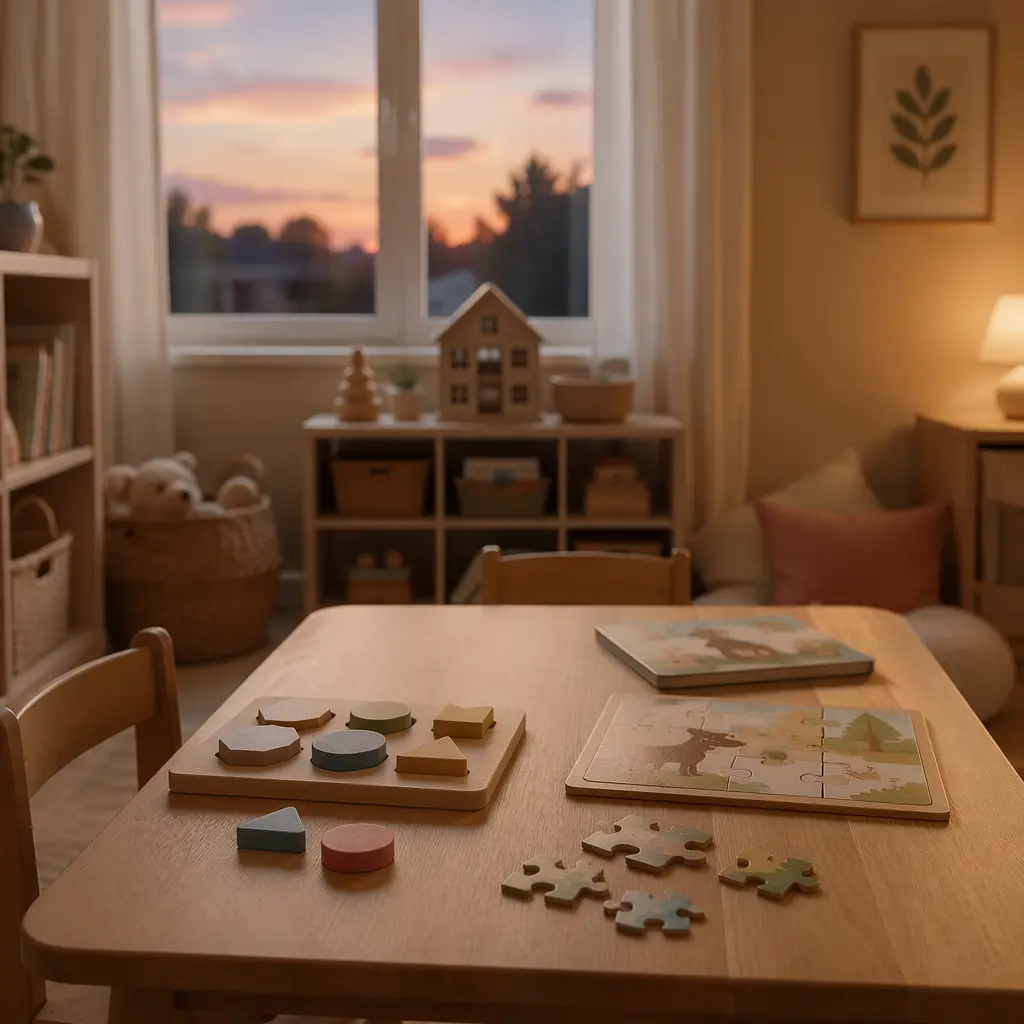
Compare prices and availability
Check current prices and availability for this guide on eBay.
As an eBay Partner, we may be compensated if you make a purchase.
After a long school day, many kids need time to decompress before homework, dinner, or activities. Calm puzzle toys can fill that gap with quiet, absorbing play that doesn’t overwhelm. For children ages 6–8, the best wind-down puzzles are low-frustration, gently engaging, and easy to return to independently. This guide focuses on features that support relaxation while still offering a sense of accomplishment.
What to look for
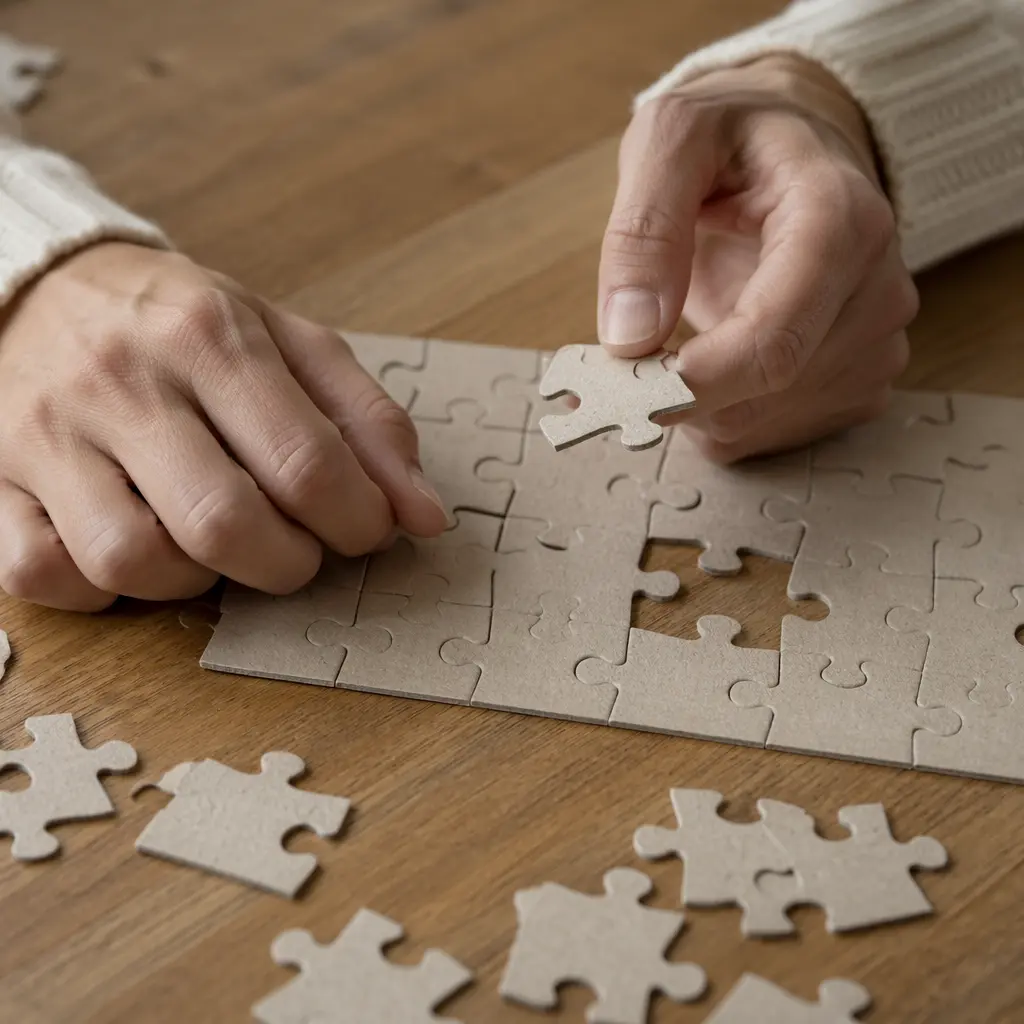
Not all puzzles feel calming. Some create pressure with timers, tiny pieces, or unclear goals. When choosing a puzzle for after-school wind-down, look for designs that invite steady focus without demanding perfection or speed.
- Clear visual cues: Defined shapes, borders, or patterns help kids know where to start and reduce guesswork.
- Manageable piece counts: Fewer, larger pieces lower frustration and make it easier to pause and return later.
- Tactile materials: Wood, thick cardboard, or textured pieces can feel grounding and pleasant to handle.
- Open-ended pacing: Puzzles without time limits or scoring encourage relaxed problem-solving.
- Self-correcting elements: Pieces that only fit one way help kids succeed independently.
Age suitability
For kids ages 6–8, calm puzzles should sit comfortably between “too easy” and “too demanding.” At this stage, many children can follow multi-step instructions and enjoy light challenges, but may still tire quickly after school. Look for puzzles labeled for early elementary ages, and consider your child’s attention span. A puzzle that can be completed in 10–20 minutes—or revisited over several short sessions—often works best for winding down.
Standout categories or types
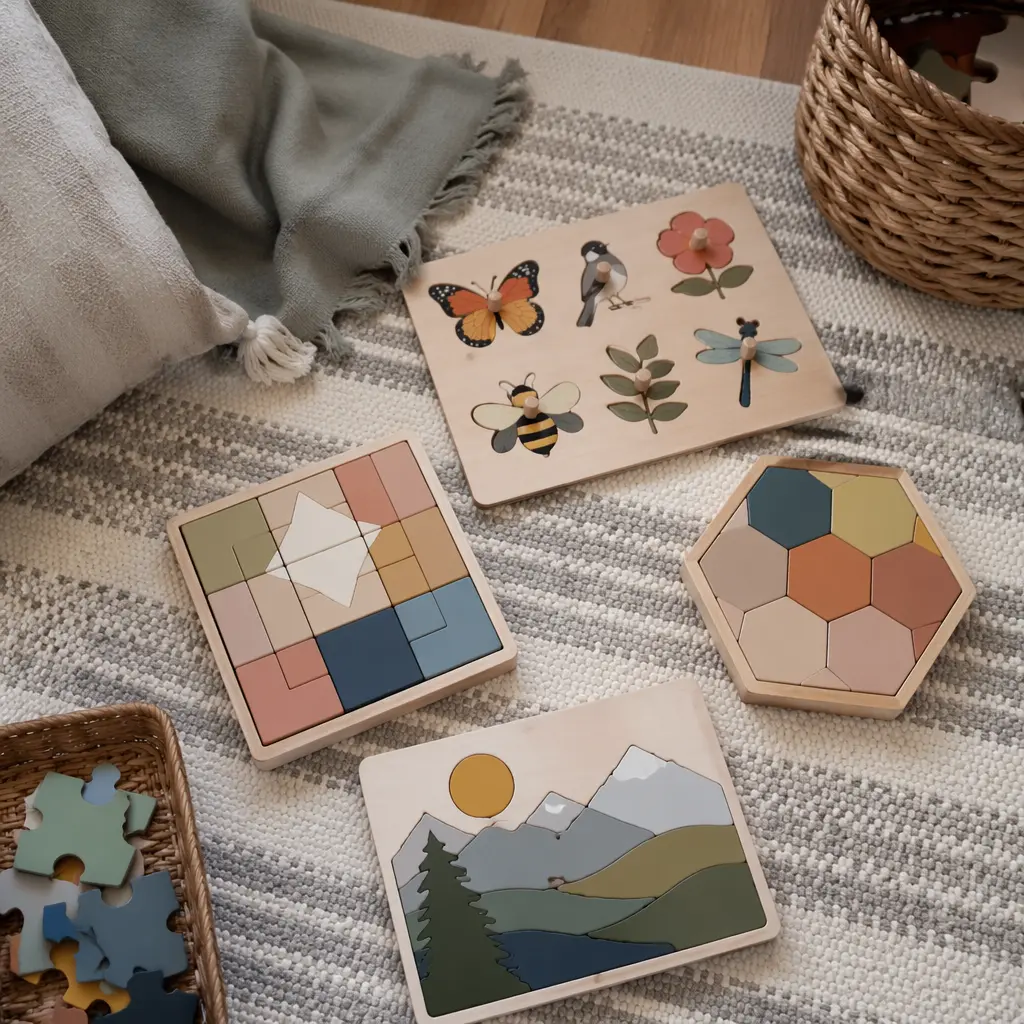
Certain puzzle styles tend to be more soothing than others. These categories are often well-suited for after-school decompression because they balance focus with a relaxed pace.
- Wooden jigsaw puzzles: Chunky pieces and natural textures create a steady, tactile experience.
- Layered or peg puzzles: Completing one section at a time gives frequent moments of success.
- Pattern-matching puzzles: Repeating colors or shapes can feel meditative rather than competitive.
- Logic puzzles with visual solutions: Seeing progress as pieces fall into place can be calming.
- Reusable sticker or magnetic puzzles: Light problem-solving with easy resets supports low-pressure play.
Frequently asked questions
How do calm puzzles help kids unwind?
Calm puzzles encourage focused attention without overstimulation. The repetitive actions and clear goals can help kids shift from the busy pace of school to a quieter state, supporting emotional regulation.
Are puzzles better than screen time for winding down?
For many families, puzzles offer a screen-free option that avoids bright lights and fast-moving content. They can be especially helpful in the late afternoon or early evening when kids need calm engagement.
What if my child gets frustrated easily?
Choose puzzles with clear starting points and fewer pieces. Sitting nearby without directing can also help—kids often relax when they know support is available but not intrusive.
Can calm puzzles be used every day?
Yes. Many children benefit from a predictable after-school routine. Rotating a small selection of puzzles can keep the activity fresh without increasing complexity.
Calm puzzle toys can be a simple, effective tool for helping kids transition from school to home life. By choosing low-frustration designs with gentle challenges, parents can support independent play that soothes, focuses, and builds confidence—one quiet piece at a time.