Best Quiet Fidget Puzzles for Shared Waiting Rooms
A parent-focused guide to quiet fidget puzzles for ages 6–8, covering compact designs, easy-clean materials, storage, supervision and which puzzle styles work best in shared spaces.
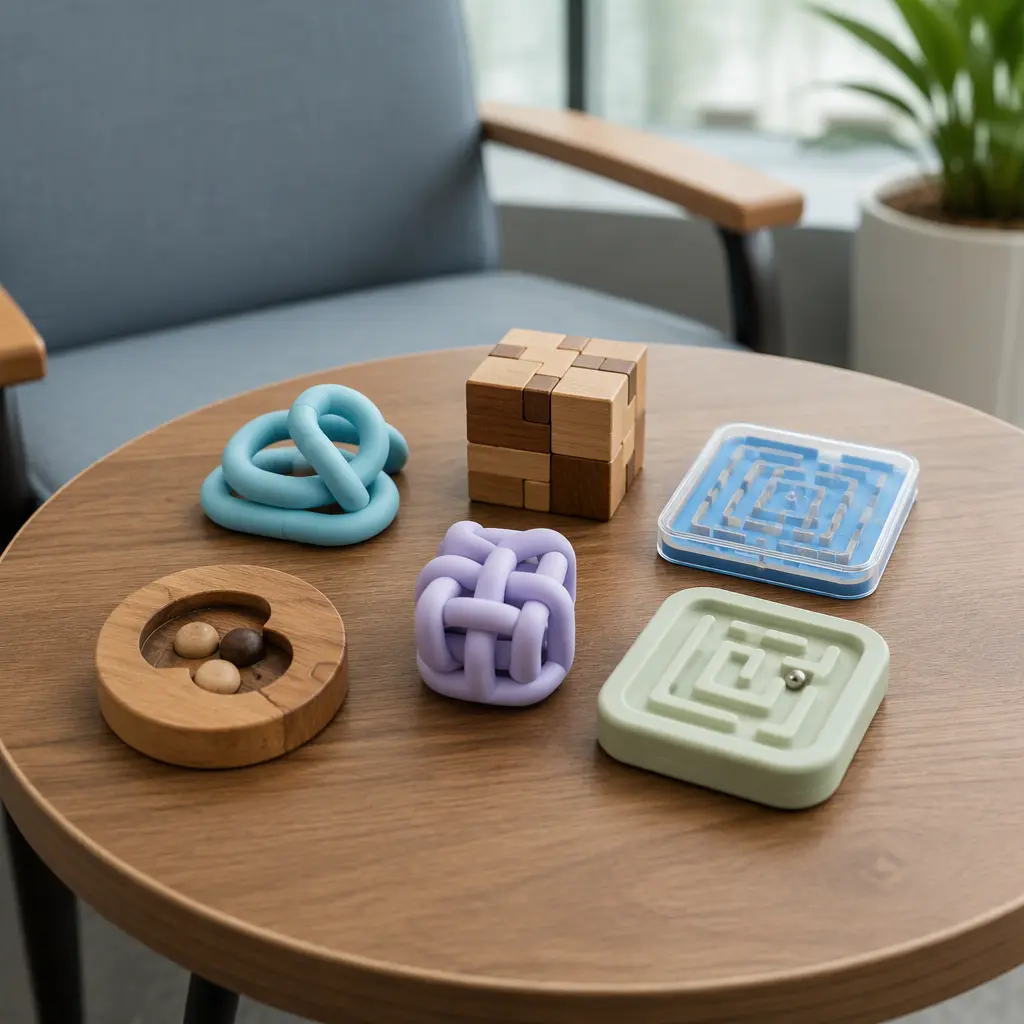
Compare prices and availability
Check current prices and availability for this guide on eBay.
As an eBay Partner, we may be compensated if you make a purchase.
Quiet fidget puzzles can help children stay occupied during long waits without adding noise or clutter to a shared space. For children aged 6–8, the most useful options usually combine tactile movement with a simple puzzle element that keeps hands busy while still feeling calming rather than overstimulating. In waiting rooms, parents often need toys that fit easily into a small bag, wipe clean quickly and do not scatter pieces across the floor. The best choices tend to be compact handheld puzzles with minimal loose parts, soft materials or enclosed designs, and enough challenge to hold attention for more than a few minutes.
What to look for
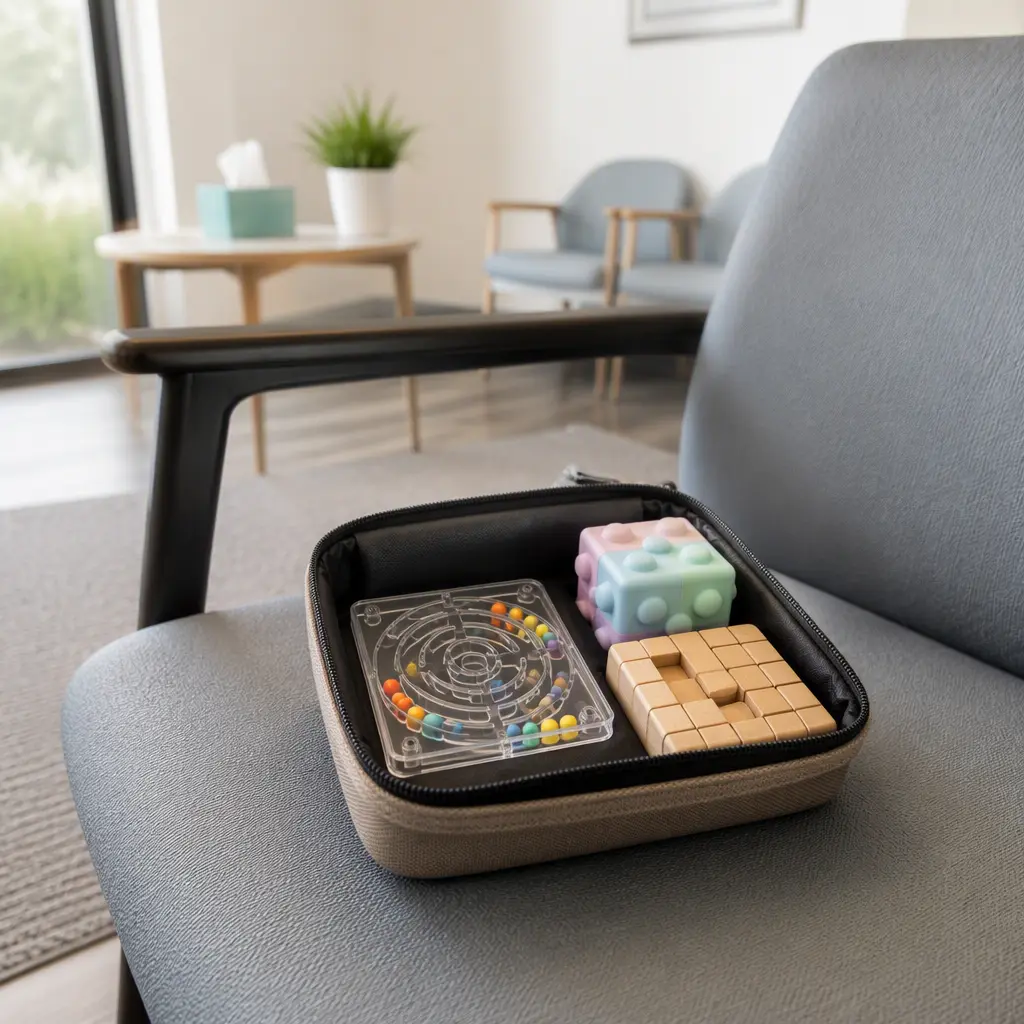
The ideal waiting-room puzzle is quiet, durable and easy to manage one-handed or from a seated position. Toys designed for classrooms, travel or sensory regulation are often a better fit than novelty gadgets with lights, clicking sounds or many detachable pieces. Materials matter too. Silicone and smooth plastic are generally easier to sanitize on the go than plush or fabric-based toys, while wooden puzzles may feel sturdier but can be harder to wipe down thoroughly after public use.
- Choose enclosed or attached-piece designs to avoid losing parts under chairs.
- Look for soft-touch silicone, sealed plastic or smooth coated wood that can be wiped clean easily.
- Avoid puzzles with loud clicks, metal snapping sounds or electronic effects in shared spaces.
- Pocket-sized toys are easier to carry, but very tiny pieces may frustrate younger children or create supervision concerns.
- Magnetic travel puzzles can work well in waiting rooms because pieces stay contained.
- Simple repeatable challenges often hold attention longer than very difficult brain teasers during stressful appointments.
- Check whether the toy can survive drops onto hard floors without cracking or splitting open.
- Some children prefer calming repetitive motion, while others stay engaged longer with pattern-solving or maze-style tasks.
Age suitability
Children aged 6–8 are usually ready for compact logic puzzles, sliding-tile games, magnetic mazes and twist-style fidgets that require some planning or coordination. At this age, many children enjoy puzzles that can be solved repeatedly without needing instructions each time. Younger six-year-olds may still prefer simpler tactile repetition over advanced strategy puzzles, especially in unfamiliar or stressful environments like medical offices. Older children in this range often enjoy timed challenges, shape matching or sequential movement puzzles that provide a stronger sense of progress. Parents should also consider frustration tolerance. A puzzle that is too difficult can quickly become noisy if pieces are snapped, dropped or repeatedly reset.
Options compared
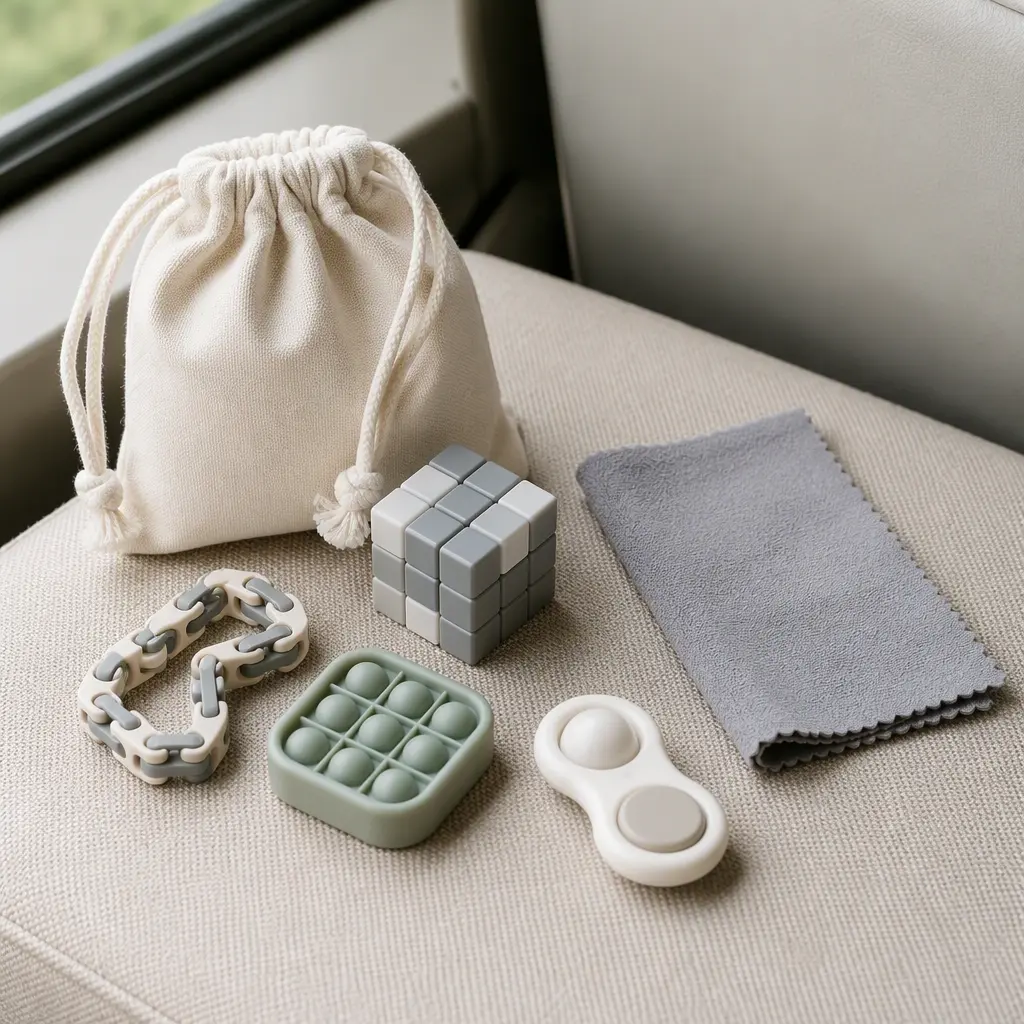
Silicone twist and pop-style puzzle fidgets are among the quietest choices available. They suit children who benefit from repetitive hand movement and tactile feedback without needing intense concentration. These are often lightweight and easy to sanitize, making them practical for regular travel. However, some children lose interest quickly if there is no clear puzzle goal beyond movement and pattern making.
Sliding puzzles and compact maze games offer more structured problem-solving. Small tile sliders, ball mazes and rotating-path puzzles tend to hold attention longer for children who enjoy figuring out sequences and patterns. Fully enclosed maze toys are especially useful in waiting rooms because there are no loose parts to collect afterward. The trade-off is that some rigid plastic designs can become noisy when shaken or dropped.
- Magnetic travel puzzles: good for contained play and easy cleanup, but magnets should be checked regularly for wear or damage.
- Wooden slide puzzles: durable and screen-free with a classic feel, though heavier to carry and sometimes louder on hard surfaces.
- Silicone tactile puzzles: very quiet and portable, best for sensory regulation and repetitive movement rather than deep challenge.
- Rotating cube and chain puzzles: compact and engaging for older children in this age range, though some designs make noticeable clicking sounds.
- Enclosed ball mazes: mess-free and reusable, often easier for anxious children because the goal is visually clear.
- Multi-piece brain teasers: better for calm environments with table space, less practical for crowded waiting rooms because pieces can scatter.
Frequently asked questions
Are magnetic puzzle toys safe for travel and waiting rooms?
Magnetic puzzles can work very well because the pieces stay attached or contained, reducing mess and lost parts. Parents should inspect them regularly for cracks or loose magnets and avoid designs intended for older teens or adults that use small exposed magnetic balls.
What type of quiet puzzle works best for anxious children?
Children who feel anxious during appointments often respond better to predictable tactile activities than highly competitive or difficult puzzles. Soft silicone fidgets, enclosed mazes and simple repeatable pattern puzzles may feel more calming than time-based logic games.
How can parents keep puzzle toys sanitary on the go?
Smooth nonporous materials are usually easiest to wipe down with a child-safe cleaning wipe after use. Carrying a small zip pouch helps keep toys separate from snacks and other bag items. Toys with fabric coverings or many crevices may be harder to clean thoroughly in public settings.
Should quiet fidget puzzles replace conversation during waits?
These toys are usually most helpful as a tool for managing boredom, nervous energy or long delays rather than as constant entertainment. Some children use them best in short bursts between conversation, reading or observing their surroundings.
Are difficult brain teasers a good fit for waiting rooms?
That depends on the child and the environment. A child who enjoys concentrated problem-solving may stay engaged for longer with a more complex puzzle. In crowded or stressful waiting rooms, though, simpler toys are often easier to manage and less likely to create frustration or noise.
For shared waiting rooms, the most practical quiet fidget puzzles are usually the ones that balance portability, low noise and easy cleanup. A compact enclosed puzzle or soft tactile fidget can provide screen-free engagement without disrupting the people nearby. Choosing the right level of challenge for a child’s temperament and attention span is often more important than choosing the most complicated toy.