Electronic Puzzle Boards vs Wooden Puzzles (Ages 9–12)
A parent-focused guide comparing electronic puzzle boards and wooden puzzles for ages 9–12, with practical advice on focus, challenge, durability, and screen balance.
Compare prices and availability
Check current prices and availability for this guide on eBay.
As an eBay Partner, we may be compensated if you make a purchase.
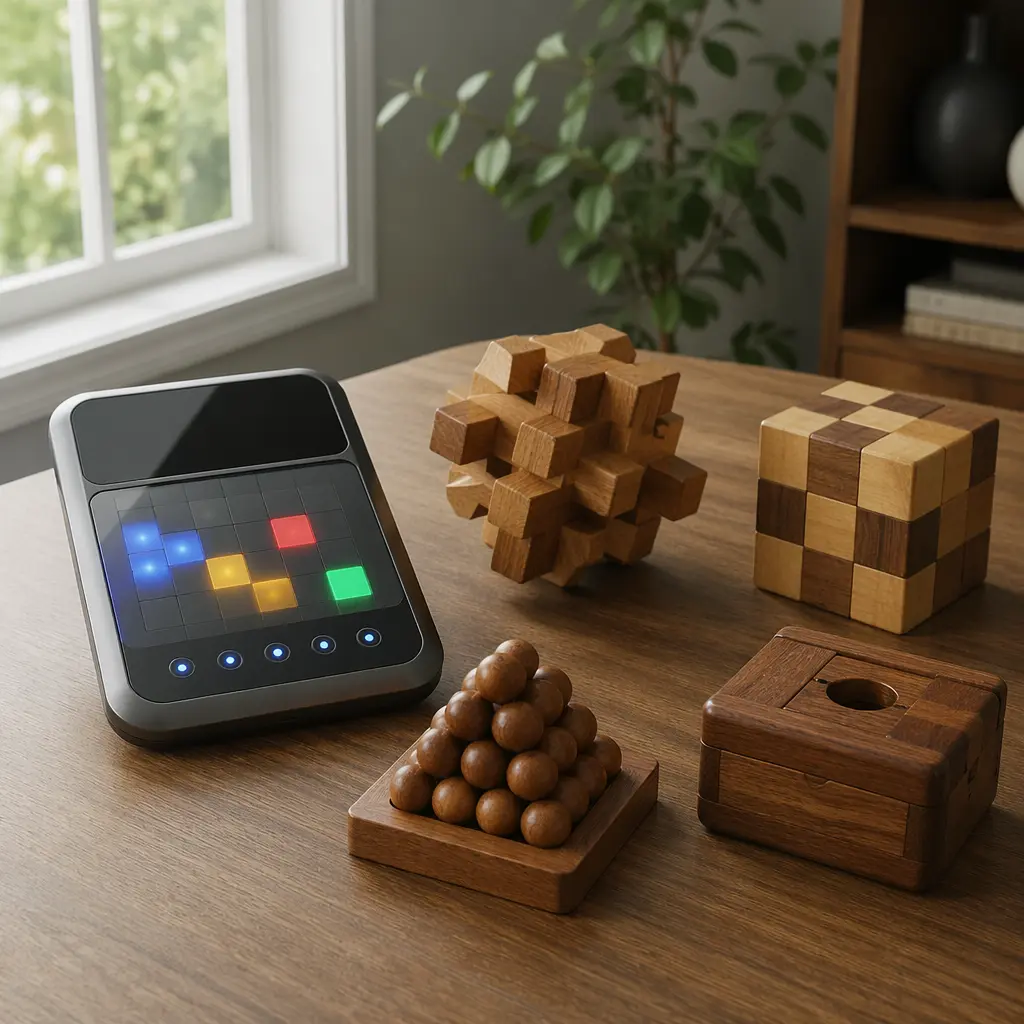
Puzzles for ages 9–12 sit at an interesting crossroads. Kids this age are ready for deeper logic, longer attention spans, and more complex problem-solving—but they also have growing exposure to screens and interactive tech. Parents often find themselves choosing between electronic puzzle boards, which add lights, sounds, and instant feedback, and traditional wooden puzzles, which rely on hands-on thinking and patience. Both can support learning and focus when chosen thoughtfully.
What to look for
Whether electronic or wooden, the best puzzles for this age group share a few core qualities. At ages 9–12, kids benefit from puzzles that stretch reasoning skills without becoming frustrating. Look for products that scale in difficulty, encourage independent thinking, and feel rewarding to complete.
- Progressive challenge levels that grow with the child’s skills
- Clear goals or solutions that can be checked without adult help
- Durable construction that stands up to repeated use
- Logical problem-solving over simple trial and error
- Engaging design without overwhelming distractions
Age suitability
For ages 9–12, puzzles should feel more like brain teasers than toys. Electronic puzzle boards often appeal to kids at the younger end of this range who enjoy immediate feedback and structured challenges. Wooden puzzles tend to suit older kids or those who enjoy quiet concentration, spatial reasoning, and tactile problem-solving. Many families find value in having both types available, rotating them based on mood and learning goals.
Standout categories or types
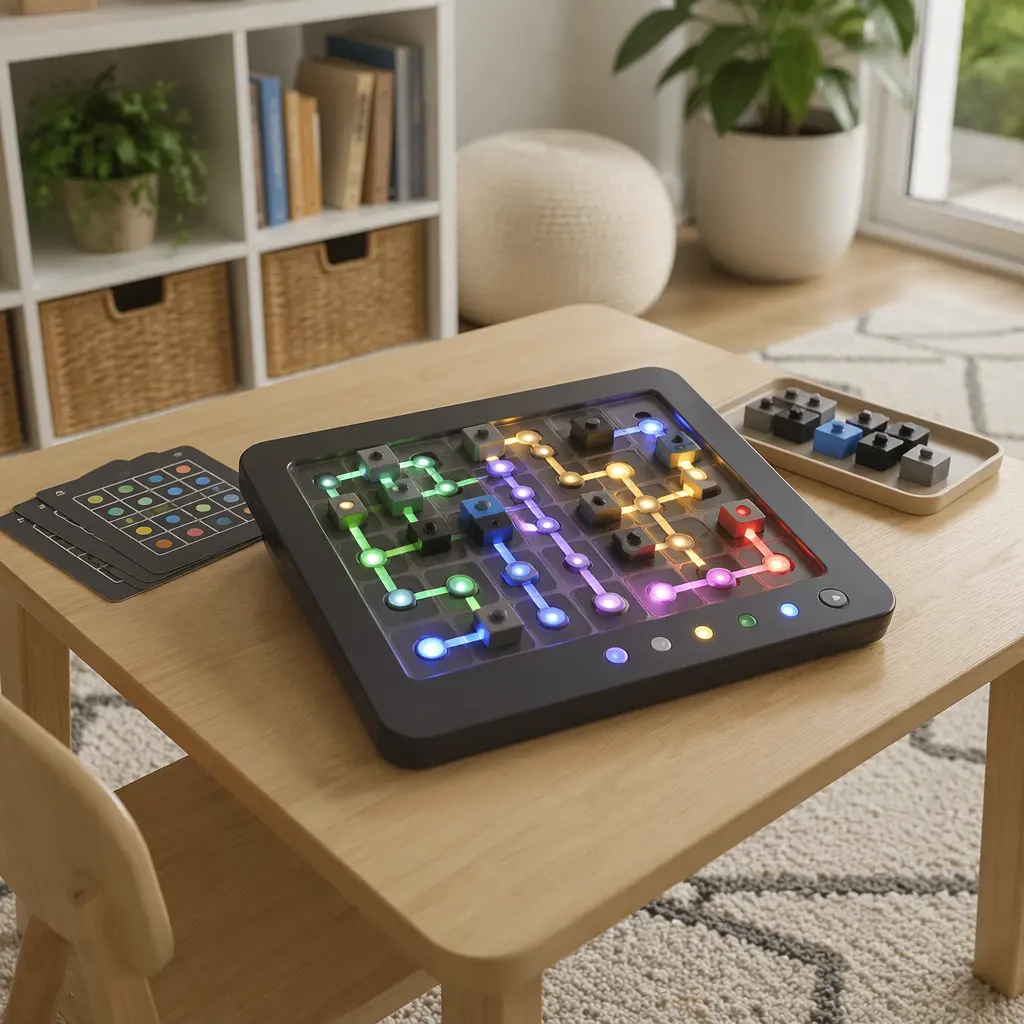
Electronic puzzle boards typically focus on logic paths, circuits, memory sequences, or pattern recognition. Their biggest advantage is built-in feedback. Lights, sounds, or indicators let kids know right away if they’re on the right track, which can boost motivation and persistence—especially for kids who like clear structure.
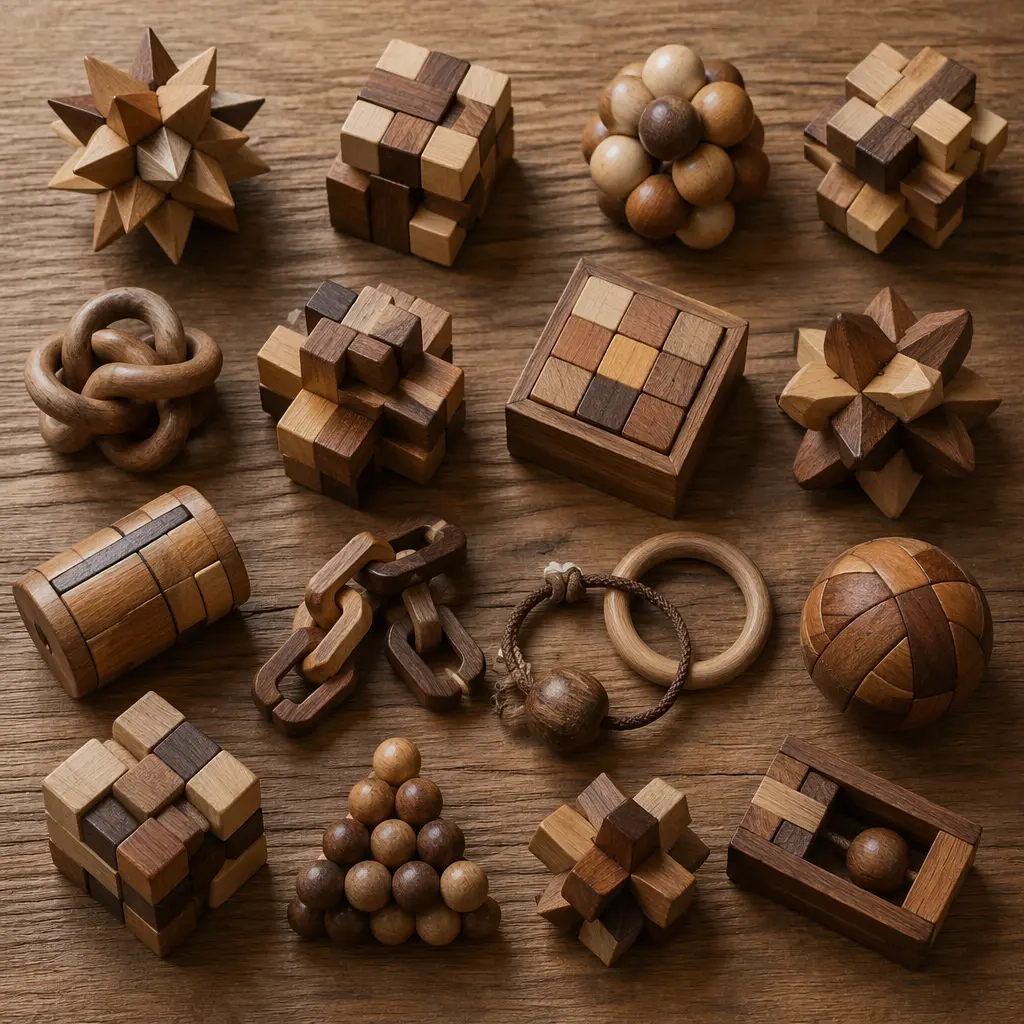
Wooden puzzles shine in open-ended thinking. Interlocking shapes, 3D construction puzzles, and mechanical brain teasers require kids to slow down, visualize outcomes, and test ideas mentally before acting. Because there’s no electronic feedback, children must rely on reasoning and patience, which can support longer attention spans and frustration tolerance.
- Logic and circuit-style electronic boards for step-by-step reasoning
- Memory and pattern electronic puzzles for short, focused sessions
- 3D wooden construction puzzles for spatial awareness
- Mechanical wooden brain teasers for persistence and critical thinking
Frequently asked questions
Do electronic puzzles count as screen time?
Most electronic puzzle boards use lights or simple displays rather than full screens. While they are tech-based, many parents consider them closer to hands-on learning tools than traditional screen activities. Moderation is still important.
Are wooden puzzles too easy for ages 9–12?
Not necessarily. Advanced wooden puzzles can be quite challenging, especially 3D builds or mechanical designs. The key is choosing puzzles labeled for older kids or those that emphasize complex problem-solving.
Which option is better for focus?
Wooden puzzles often encourage longer, quieter focus, while electronic puzzles may boost engagement through feedback and variety. The better choice depends on how your child responds to stimulation versus calm concentration.
Can these puzzles be used independently?
Yes. Many electronic puzzle boards are designed for solo play with self-checking solutions. Wooden puzzles can also be independent but may occasionally benefit from hints, especially at higher difficulty levels.
Electronic puzzle boards and wooden puzzles both offer meaningful challenges for kids ages 9–12. The best choice often isn’t one or the other, but a mix that supports different moods, skills, and learning styles. By focusing on quality, age-appropriate difficulty, and balance, parents can choose puzzles that keep kids engaged while building lasting problem-solving skills.