Puzzle Games That Feel Like Toys for Kids 6–8
Hands-on puzzle games can hook kids who resist worksheets. This guide explains what to look for in tactile, toy-like puzzles for ages 6–8, plus safe, engaging categories that build problem-solving through play.
Compare prices and availability
Check current prices and availability for this guide on eBay.
As an eBay Partner, we may be compensated if you make a purchase.
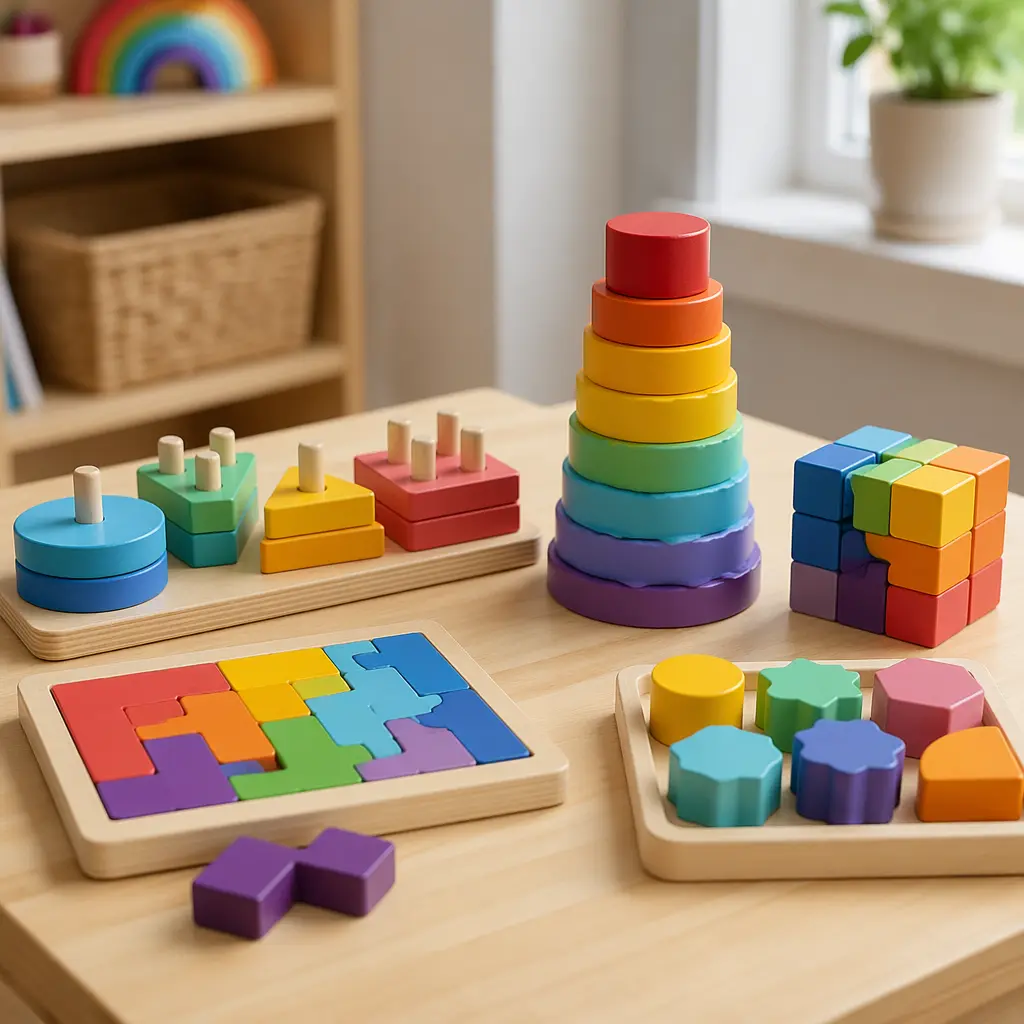
Some kids love puzzles, while others avoid them the moment they feel like schoolwork. For ages 6–8, puzzle games that feel like toys can make a big difference. These options combine problem-solving with building, moving, or imaginative play, so kids stay engaged without feeling tested.
What to look for
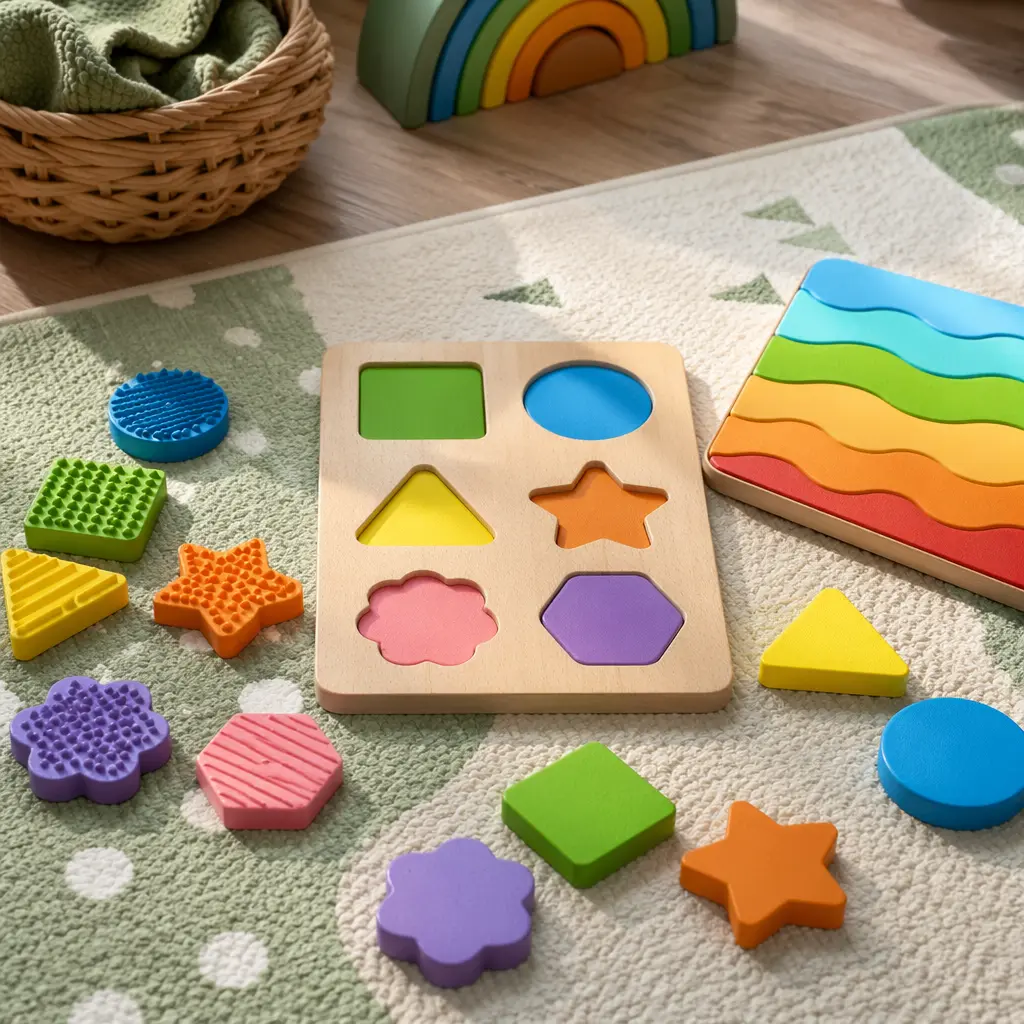
Puzzle games that win over reluctant puzzlers usually share a few traits. They invite touch, movement, and experimentation, and they don’t punish mistakes. Instead of a single right answer, many offer multiple solutions or levels, helping kids build confidence as they play.
- Tactile pieces kids can hold, stack, or move around
- Clear visual cues instead of heavy reading requirements
- Gradual challenge levels that grow with the child
- Durable materials that feel like real toys, not paper activities
- Open-ended or replayable designs to prevent boredom
Age suitability
Kids ages 6–8 are in a transition stage. They can follow rules and think ahead, but they still benefit from physical interaction. The best puzzle toys for this age balance structure with freedom. They should be challenging enough to spark thinking without becoming frustrating or overly abstract.
Standout categories or types
Several types of puzzle games consistently appeal to kids who say they “don’t like puzzles.” These feel more like building sets or games, while quietly developing logic, spatial skills, and perseverance.
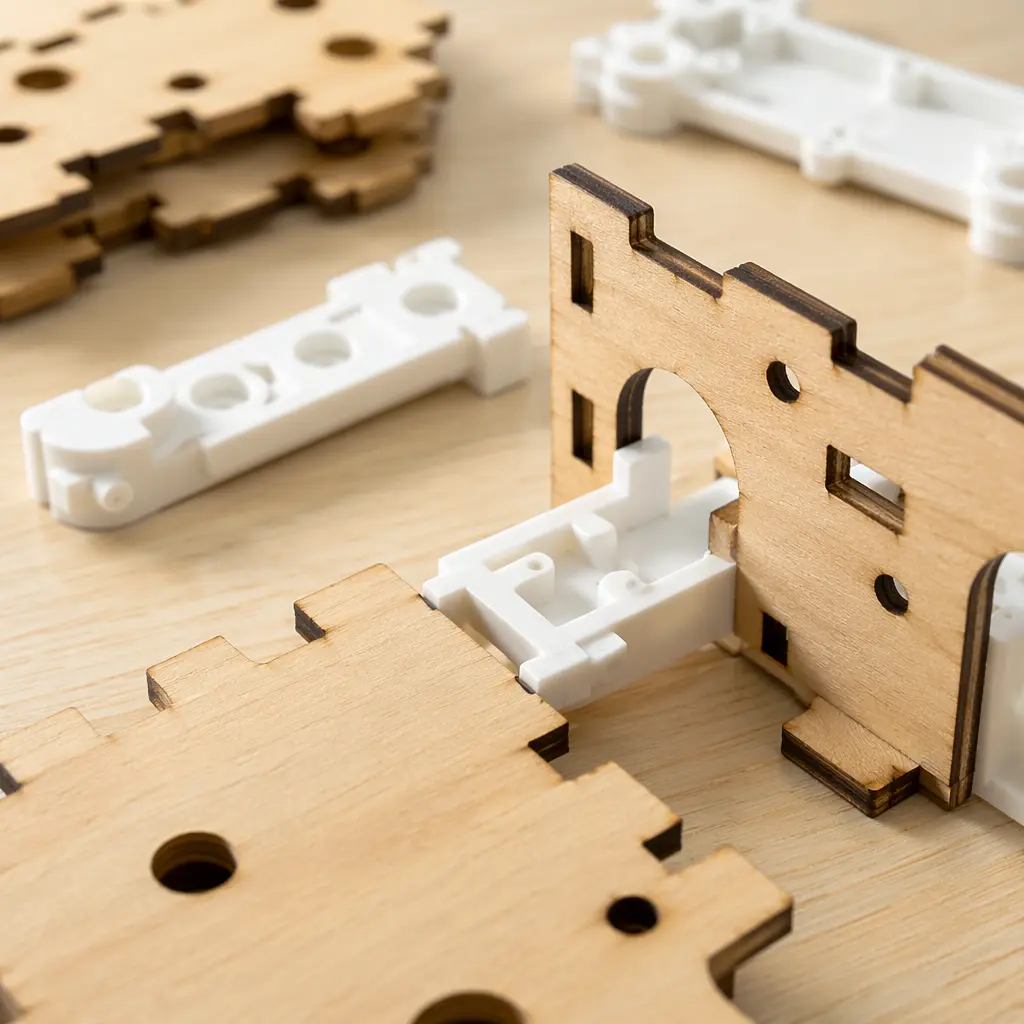
- Building puzzles: Interlocking shapes or structures that must fit together to meet a goal
- Logic path games: Pieces are arranged to create routes, patterns, or connections
- Mechanical puzzles: Gears, sliders, or switches that move and respond to trial and error
- 3D spatial puzzles: Stackable or balance-based challenges that require planning
- Puzzle-adventure games: Simple story setups where solving puzzles unlocks the next step
Frequently asked questions
Why do some kids resist traditional puzzles?
Flat jigsaw puzzles or worksheets can feel repetitive or high-pressure. Kids who prefer movement or creativity may disengage quickly. Toy-like puzzles reduce that pressure by encouraging exploration and play.
Are these puzzles educational?
Yes. They support skills like logical reasoning, spatial awareness, fine motor control, and persistence. Because the learning happens through play, kids are often more motivated to stick with the challenge.
Can these replace screen-based puzzle games?
Hands-on puzzle toys offer a different experience than screens. They encourage physical interaction and often lead to longer attention spans. Many families use them as a screen-free alternative or balance.
How long should a puzzle game keep a child engaged?
Engagement varies, but well-designed puzzle toys are replayable. Look for options with multiple challenges or ways to play so kids can return to them over time.
Do these work for solo and group play?
Many puzzle toys work well both ways. Solo play builds independent problem-solving, while group play encourages communication and collaboration.
Puzzle games that feel like toys can open the door for kids who usually shy away from puzzles. By focusing on tactile play, flexible challenges, and fun-first design, parents can find options that build skills while still feeling like playtime.